
































CNC Milling vs. CNC Turning: What Are the Differences and How to Choose the Right Machine for Your Application?
CNC Milling and CNC Turning are two machining processes with different operating principles. CNC Milling uses a rotating cutting tool to machine complex shapes, while CNC Turning rotates the workpiece to produce cylindrical components. Selecting the right machine depends on workpiece geometry and specific production requirements.
In the metalworking industry, CNC (Computer Numerical Control) machines play an essential role in improving machining accuracy, reducing production time, and ensuring consistent product quality. Two of the most widely used CNC machining processes are CNC Milling and CNC Turning. Although both processes involve removing material from a workpiece to achieve the desired shape and dimensions, they differ significantly in their operating principles and the types of components they are designed to produce.
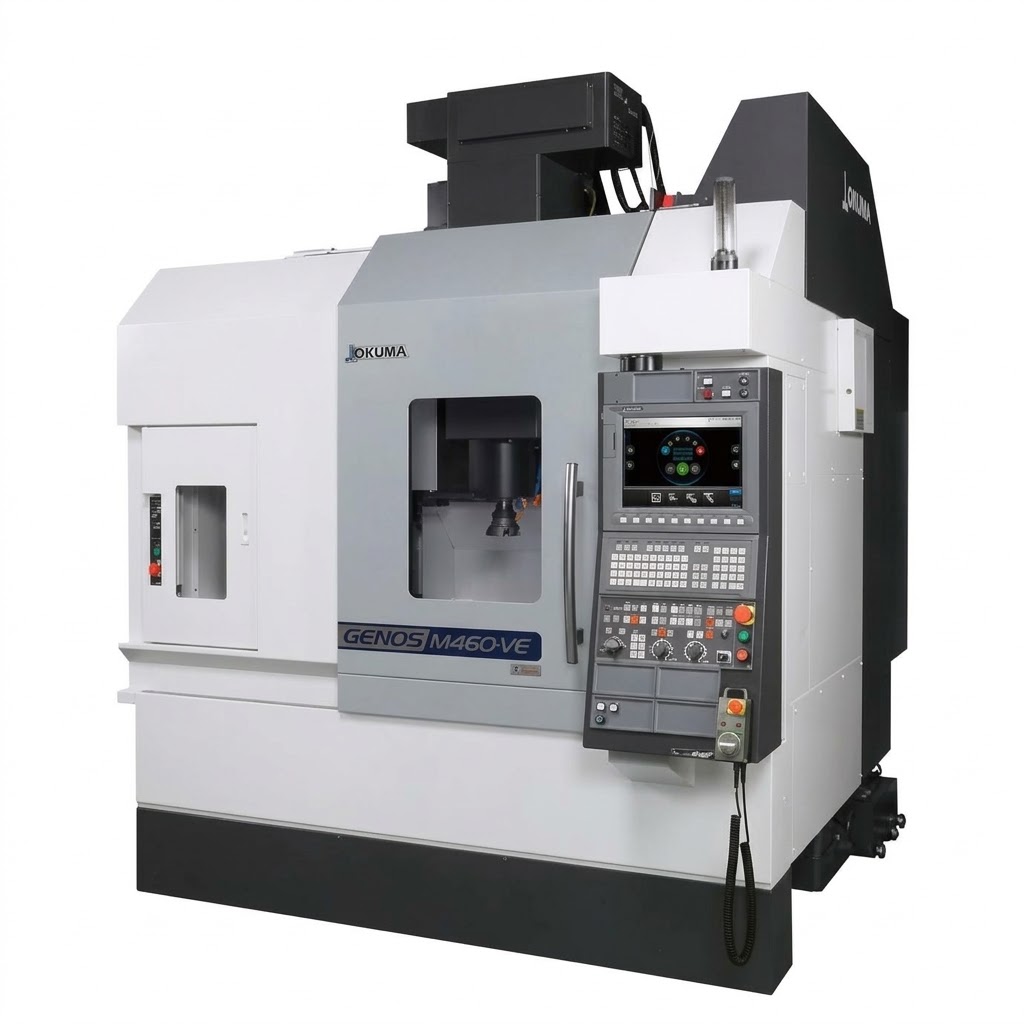
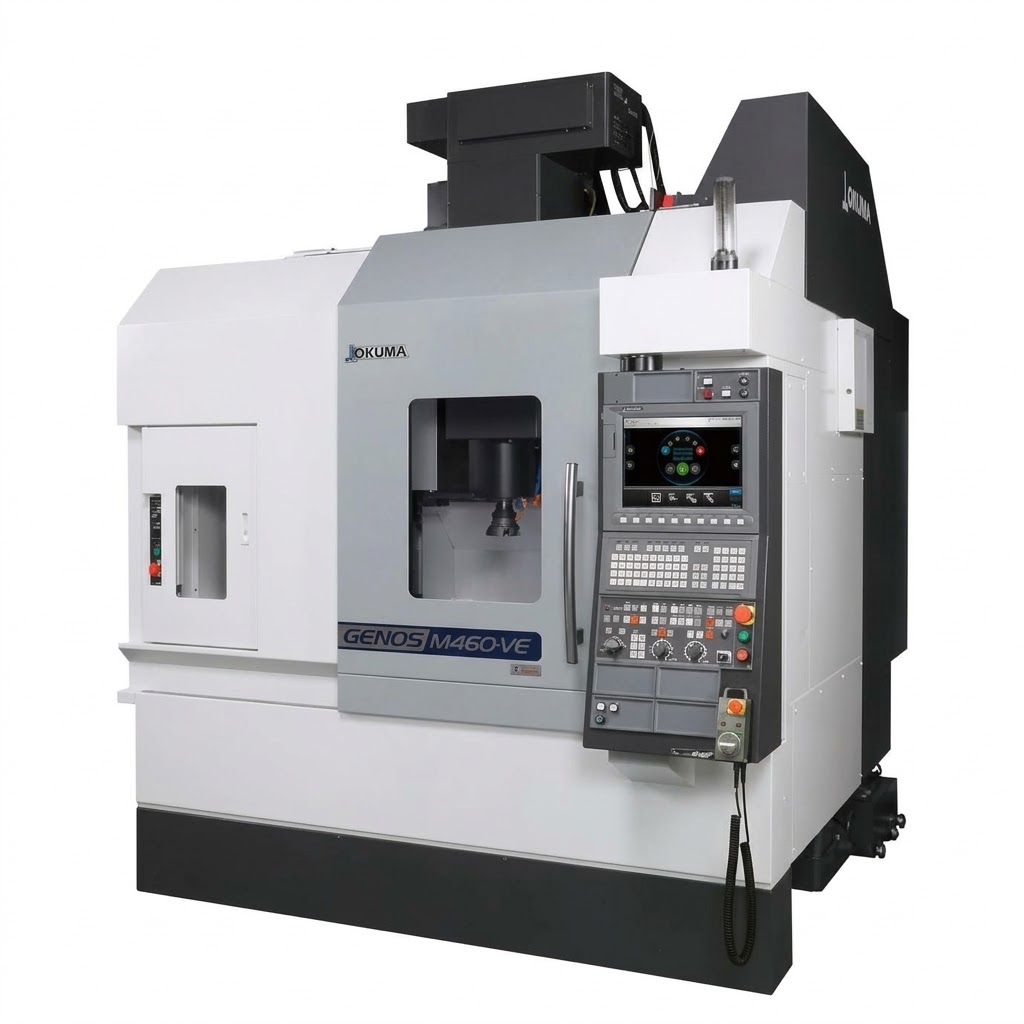
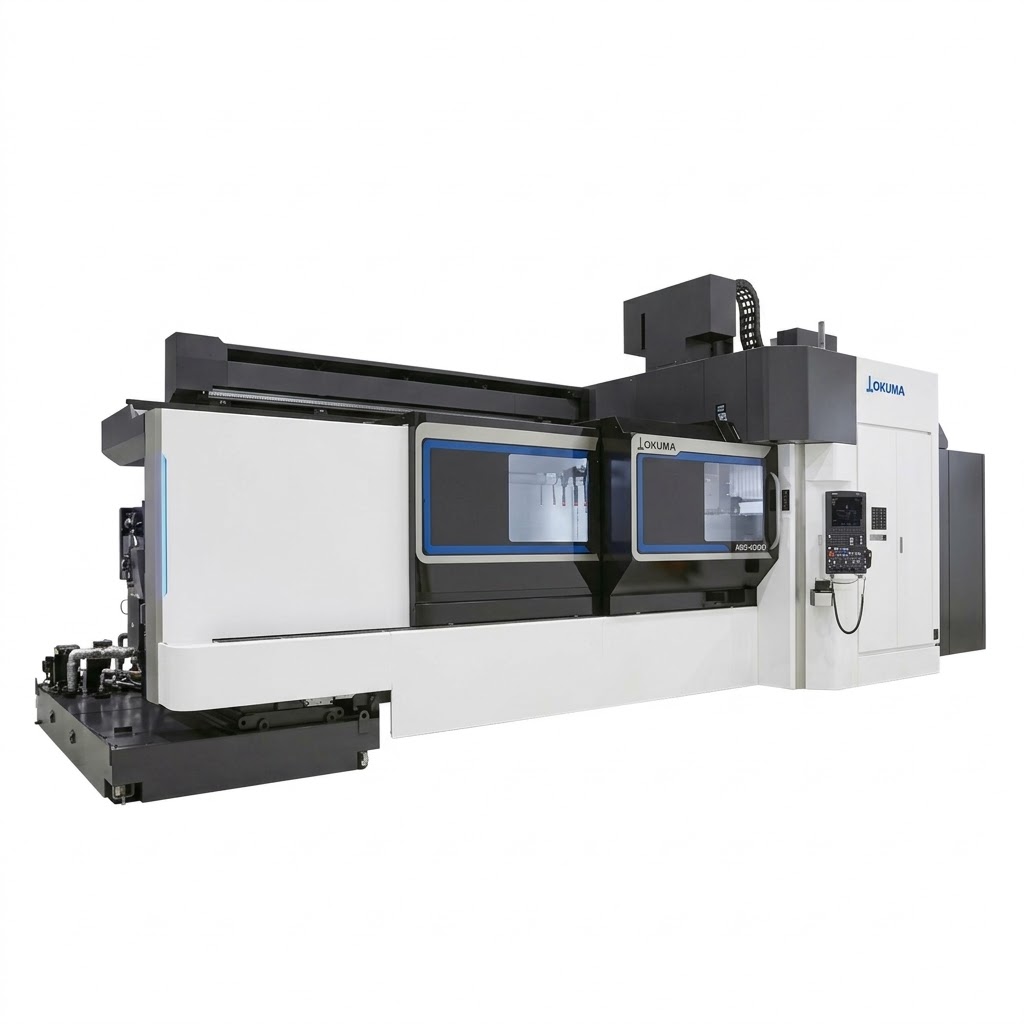
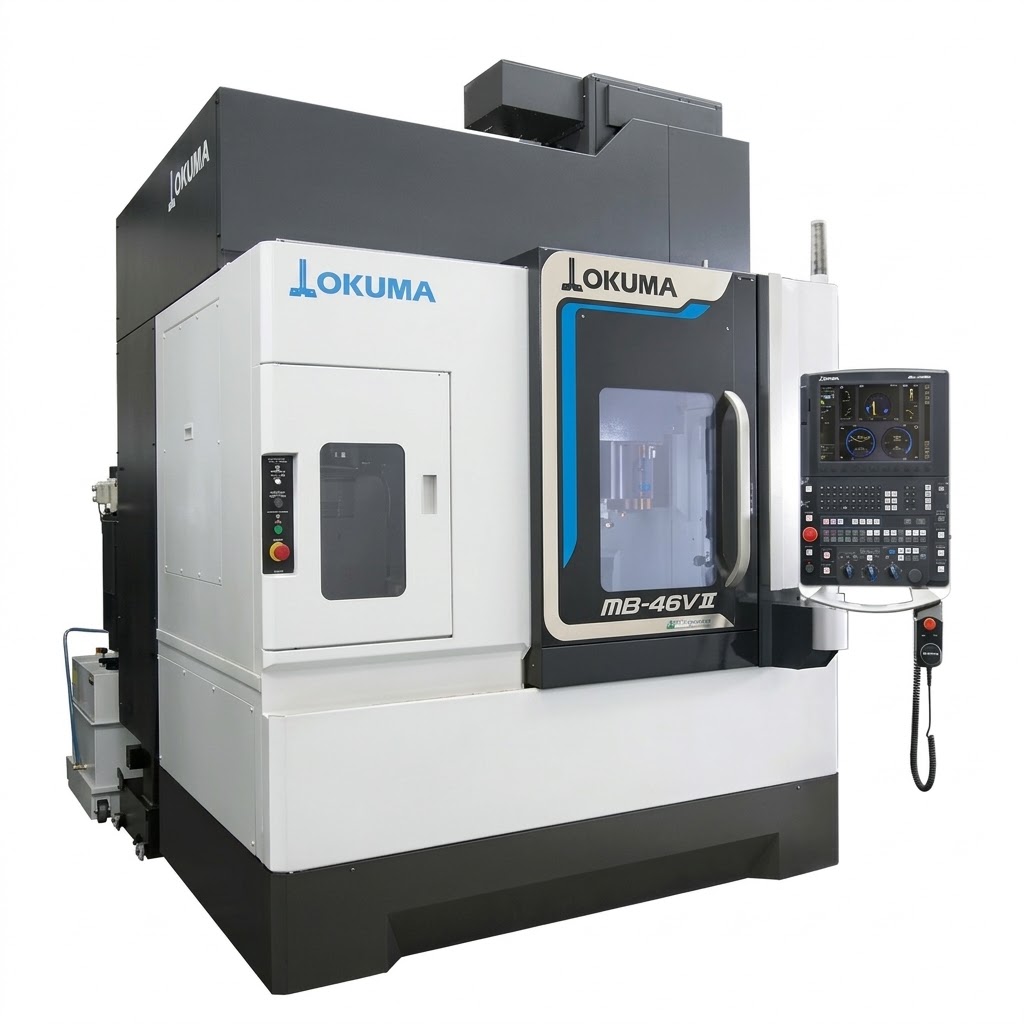
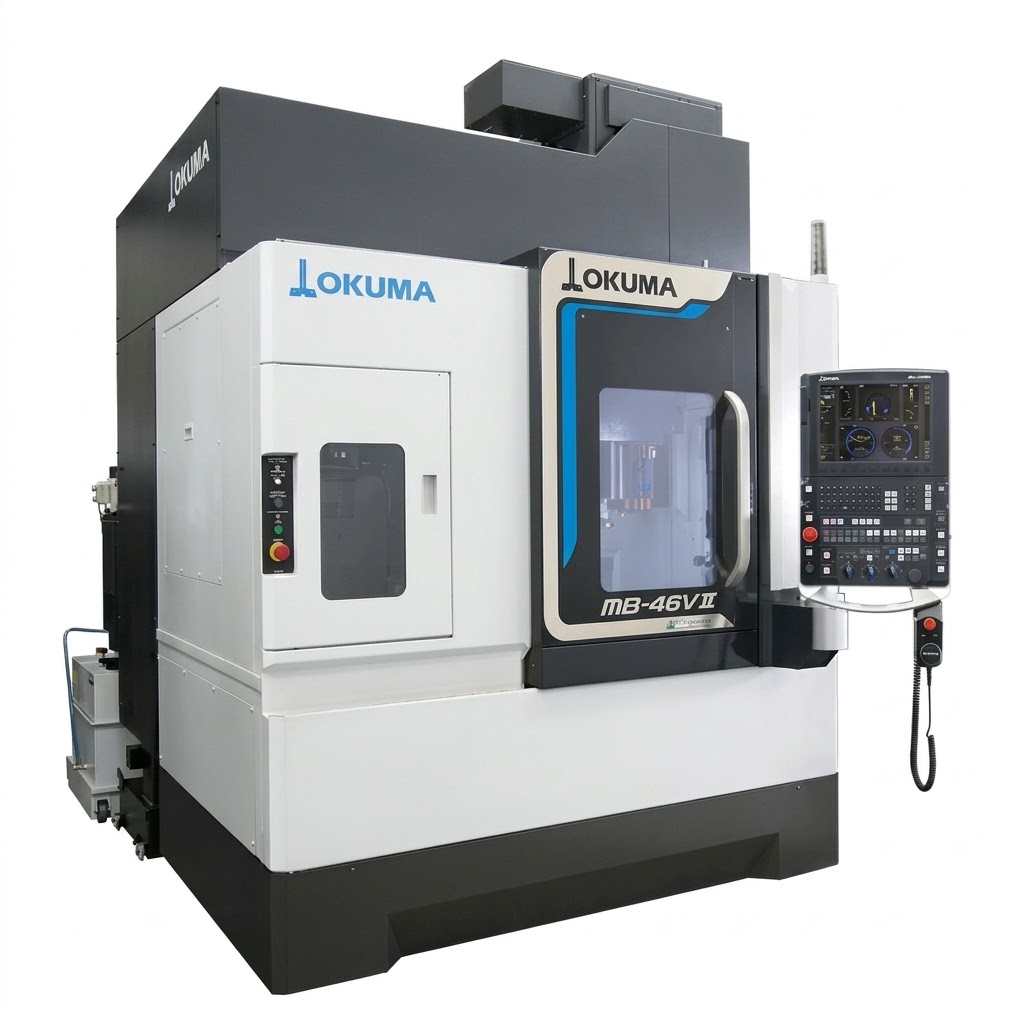
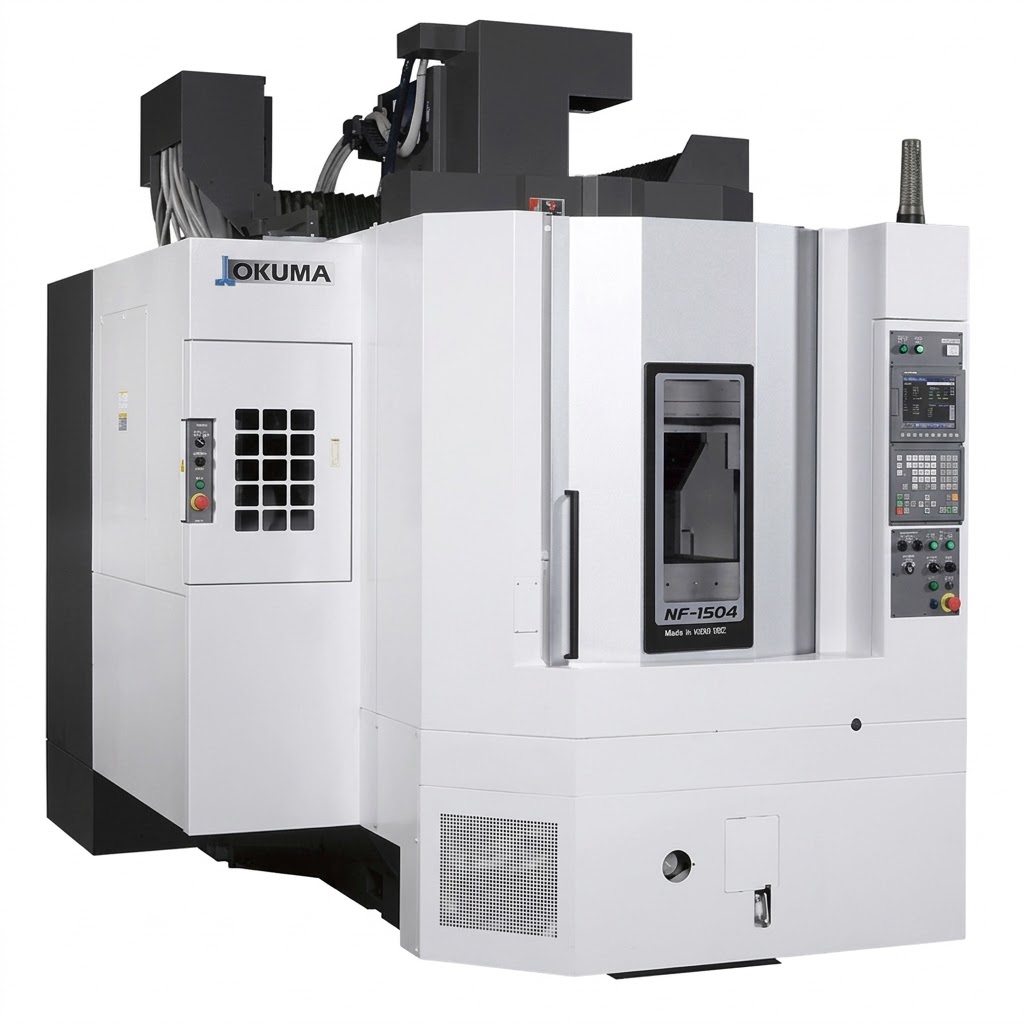
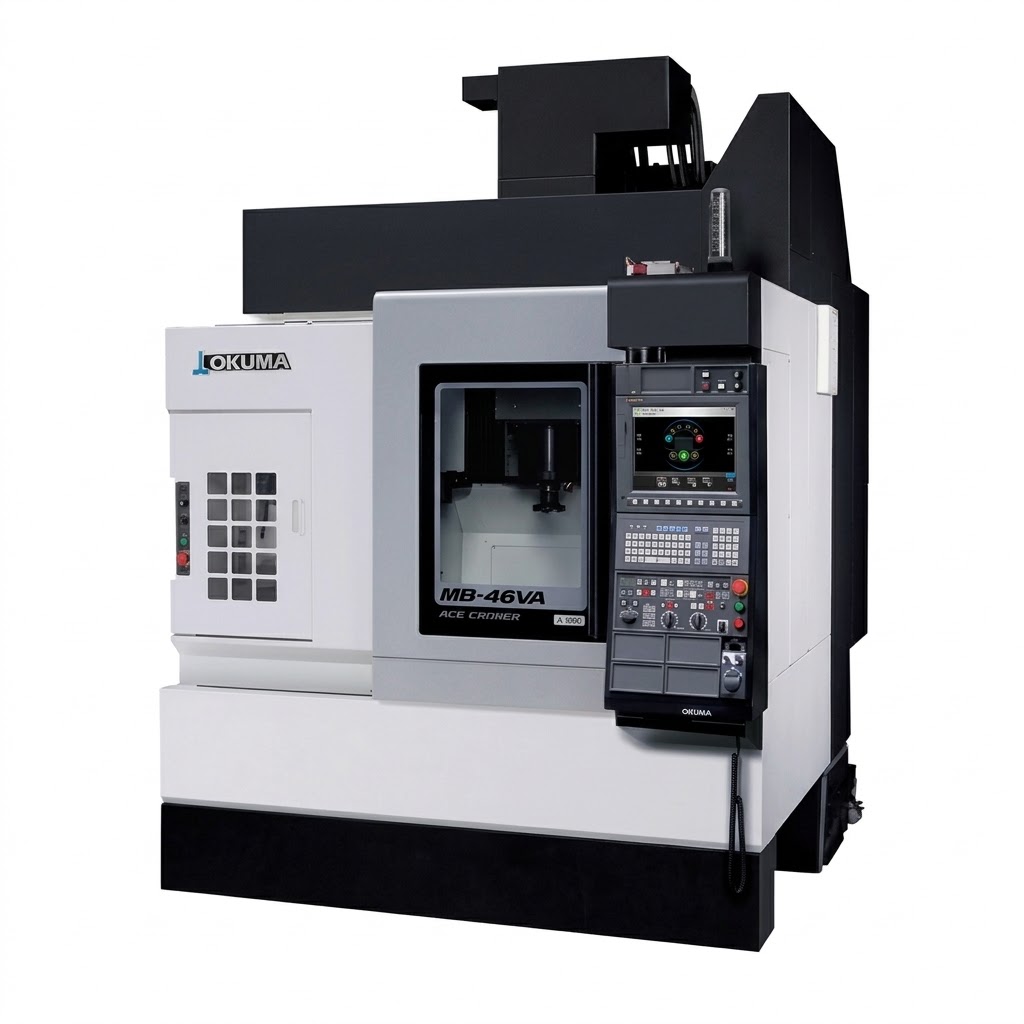
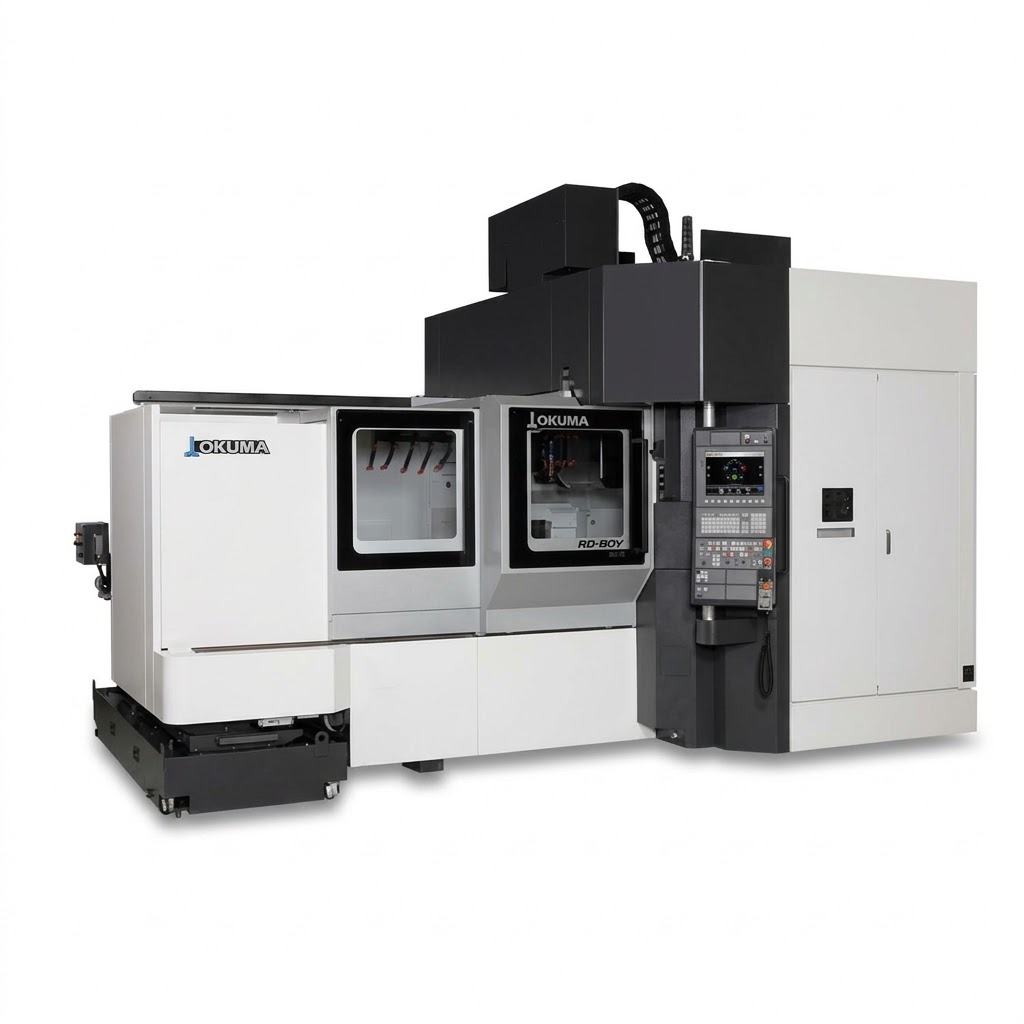
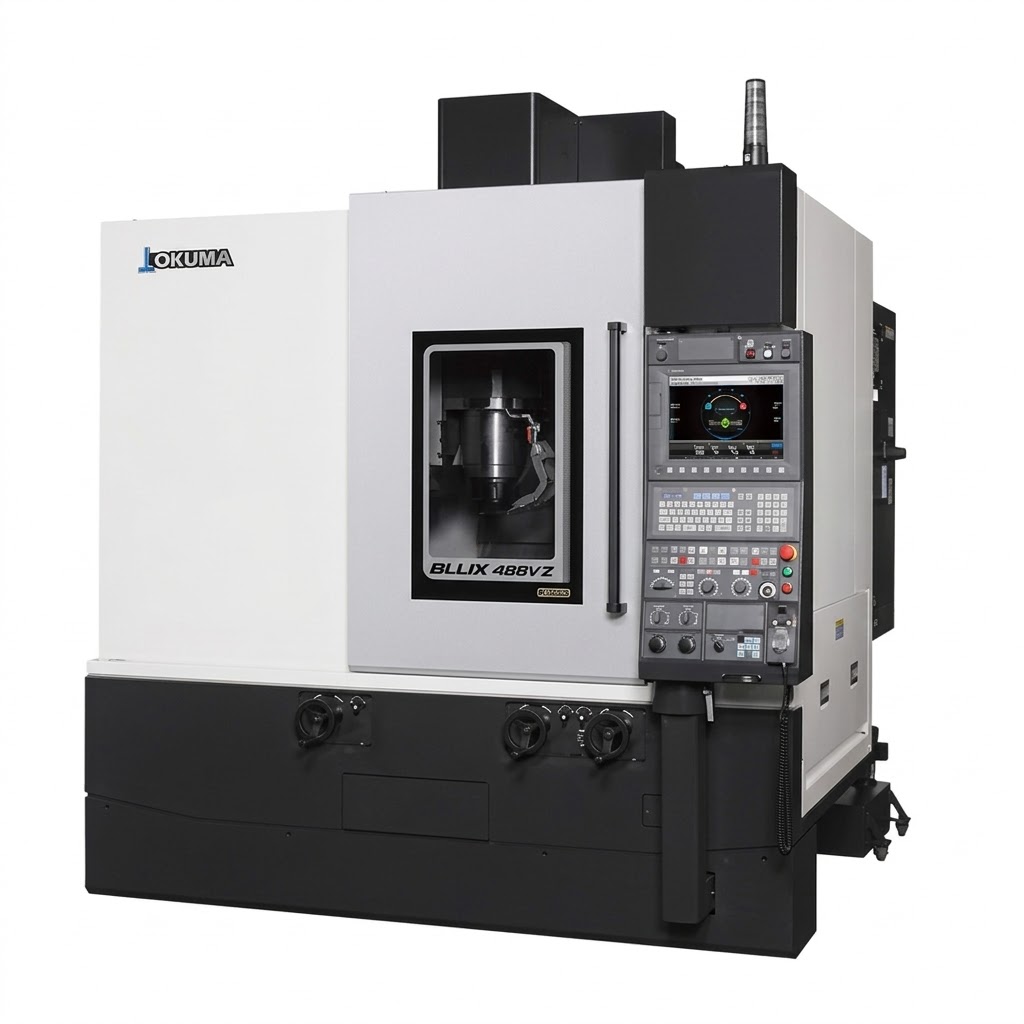
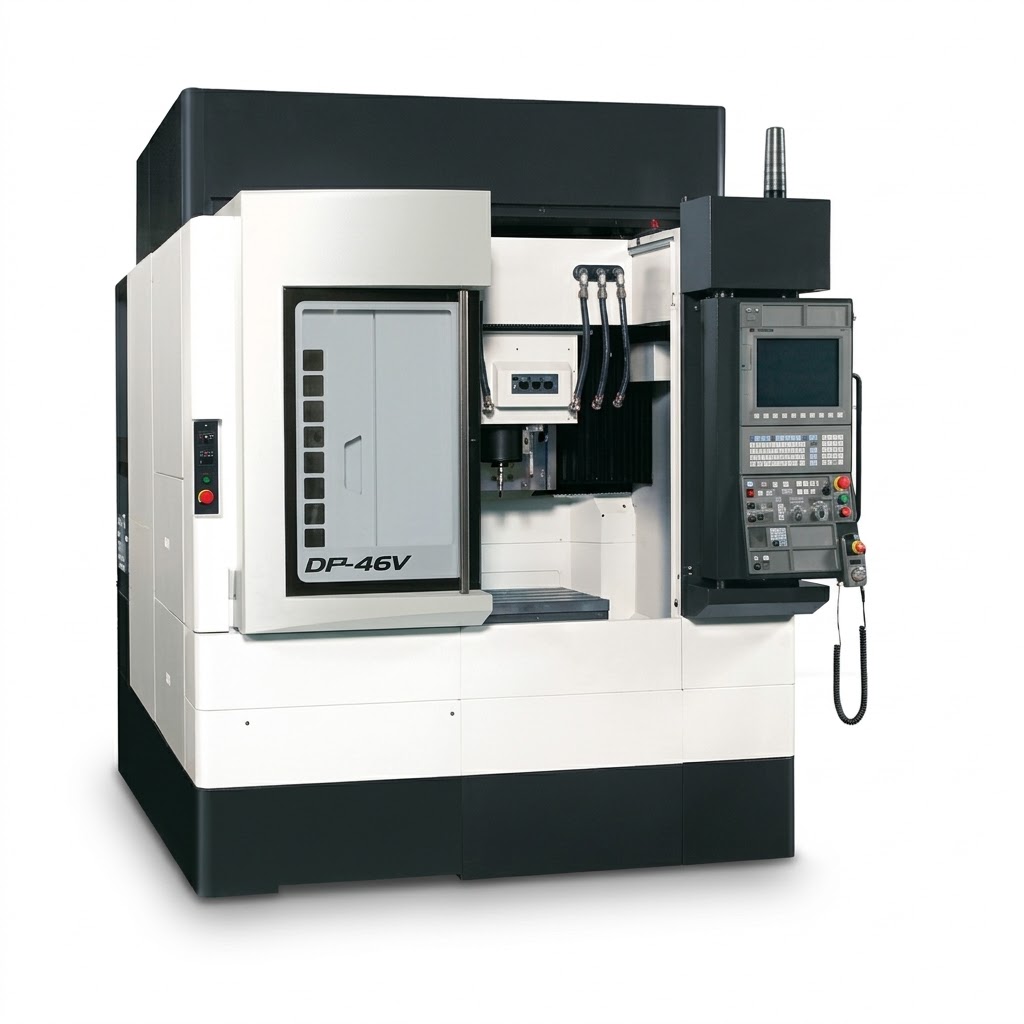
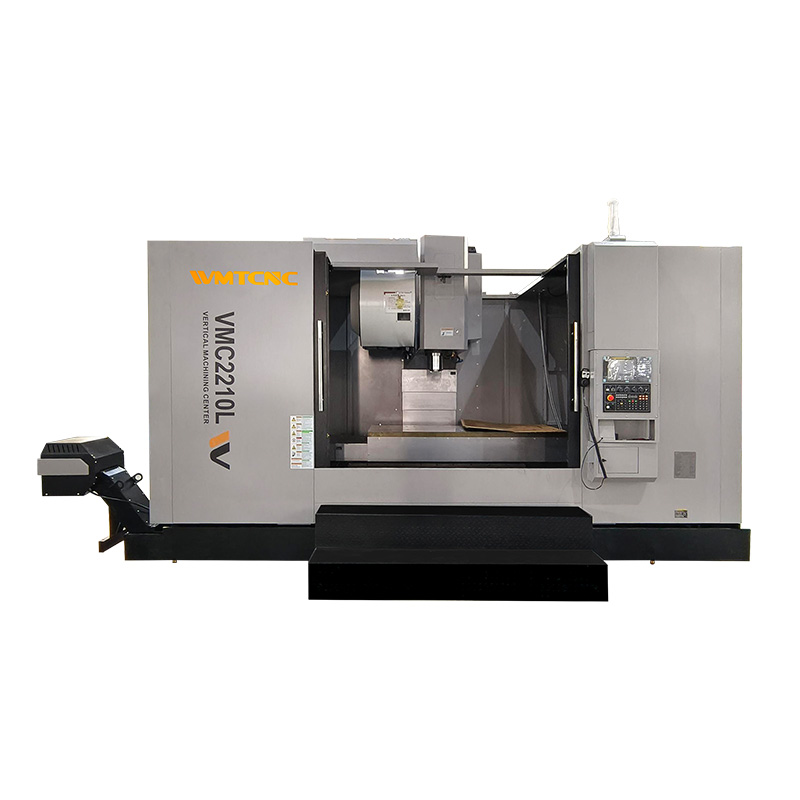
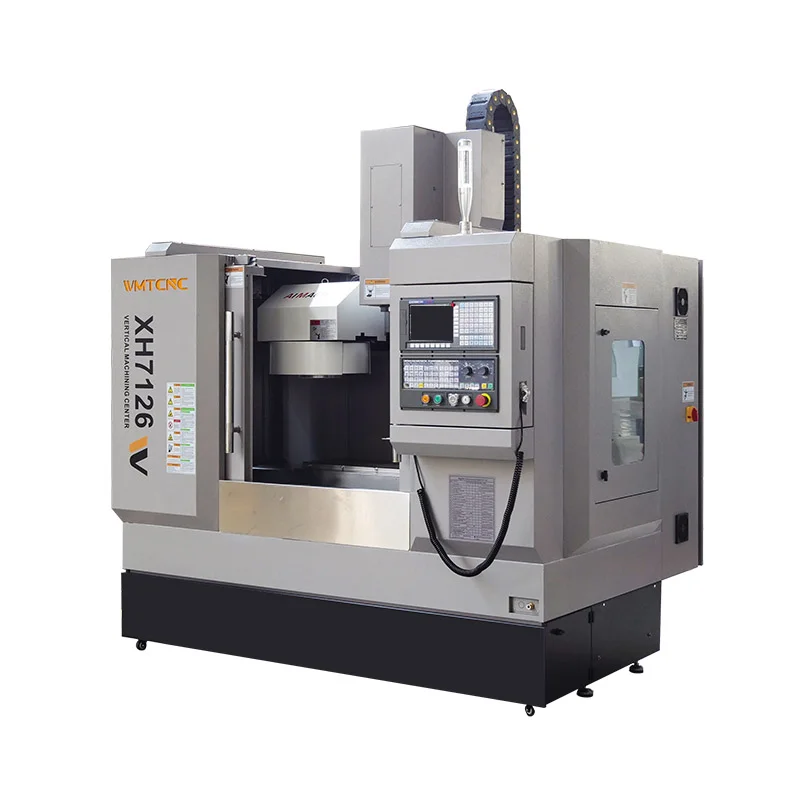
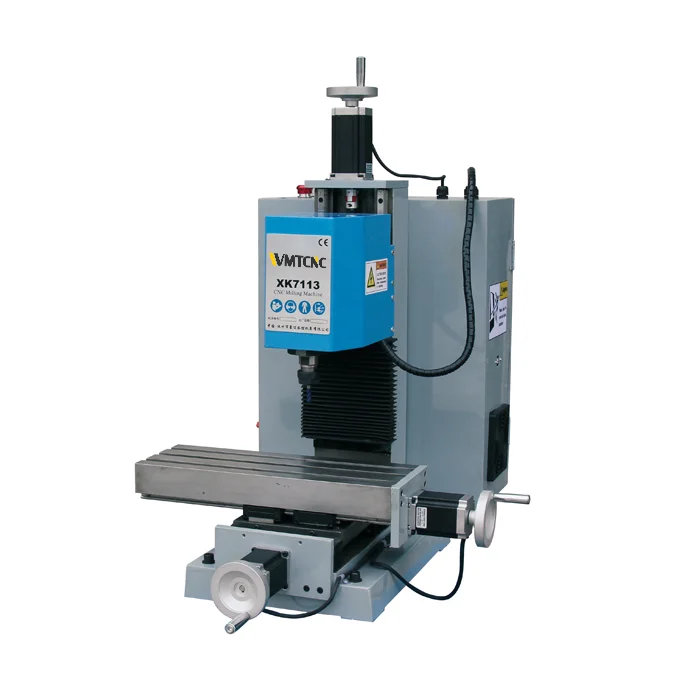
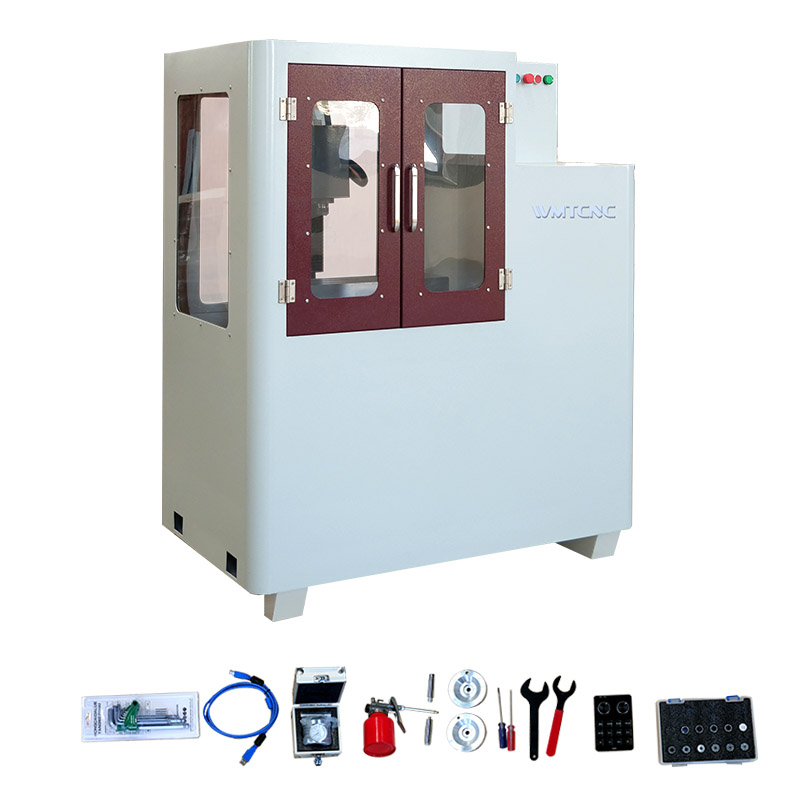
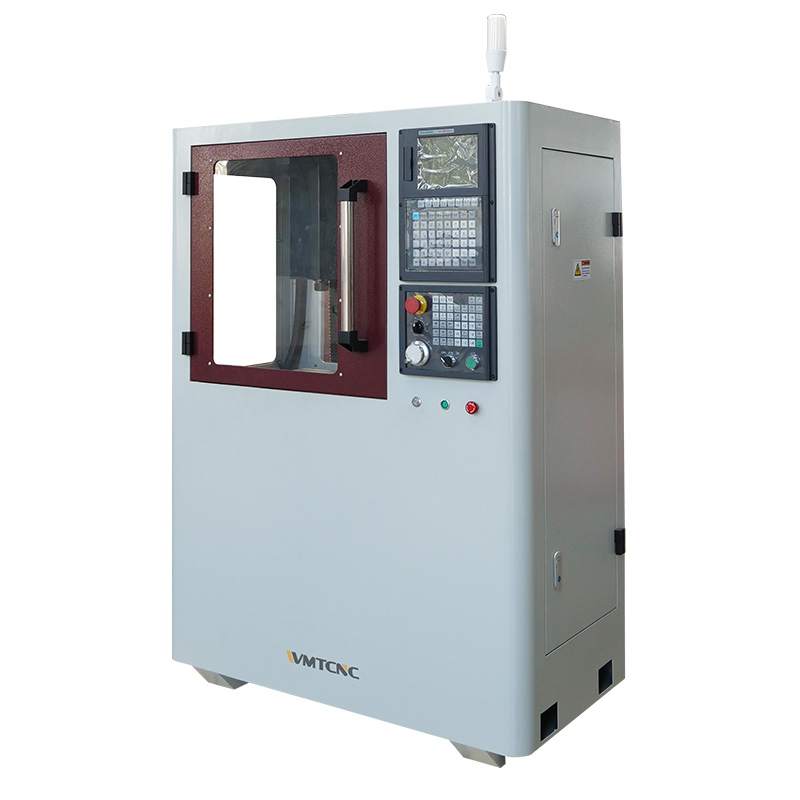
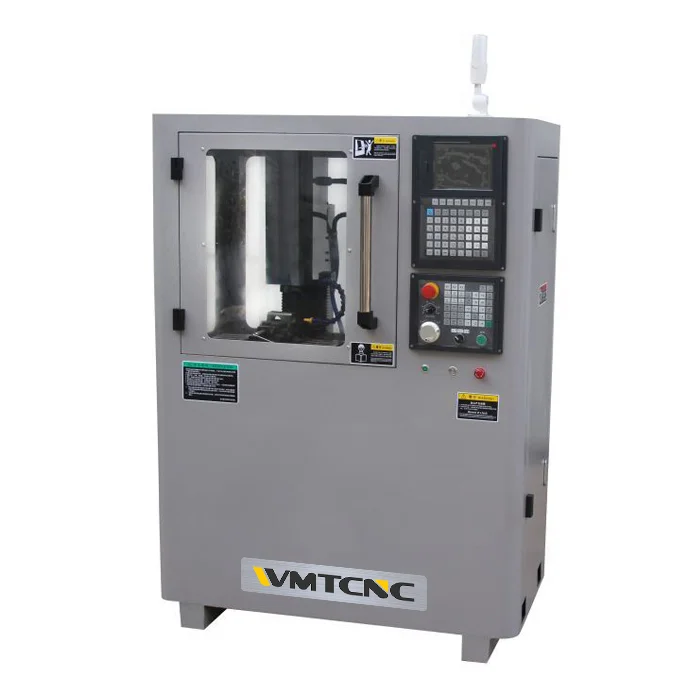
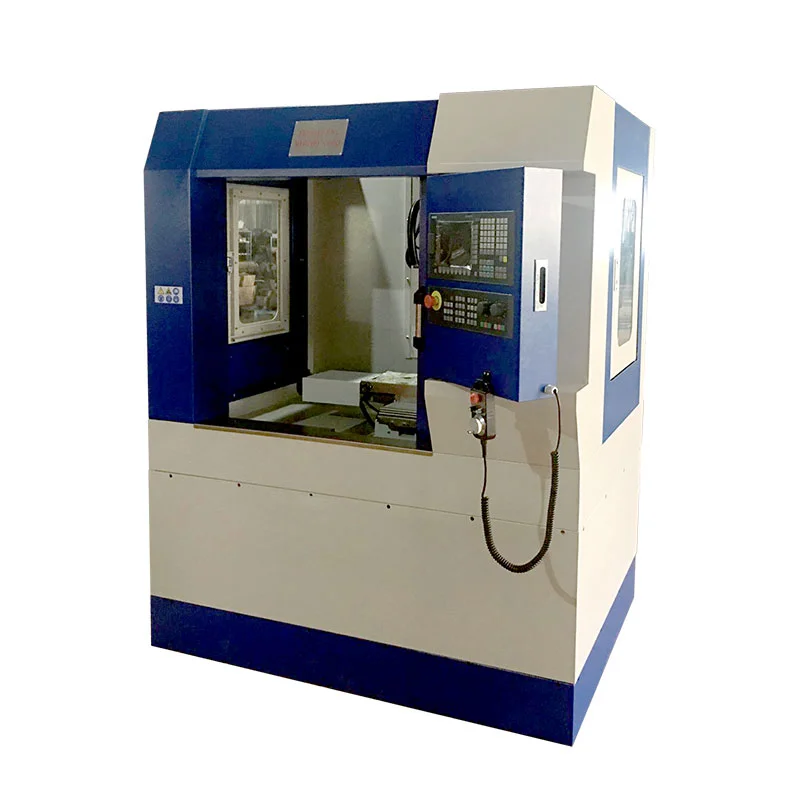
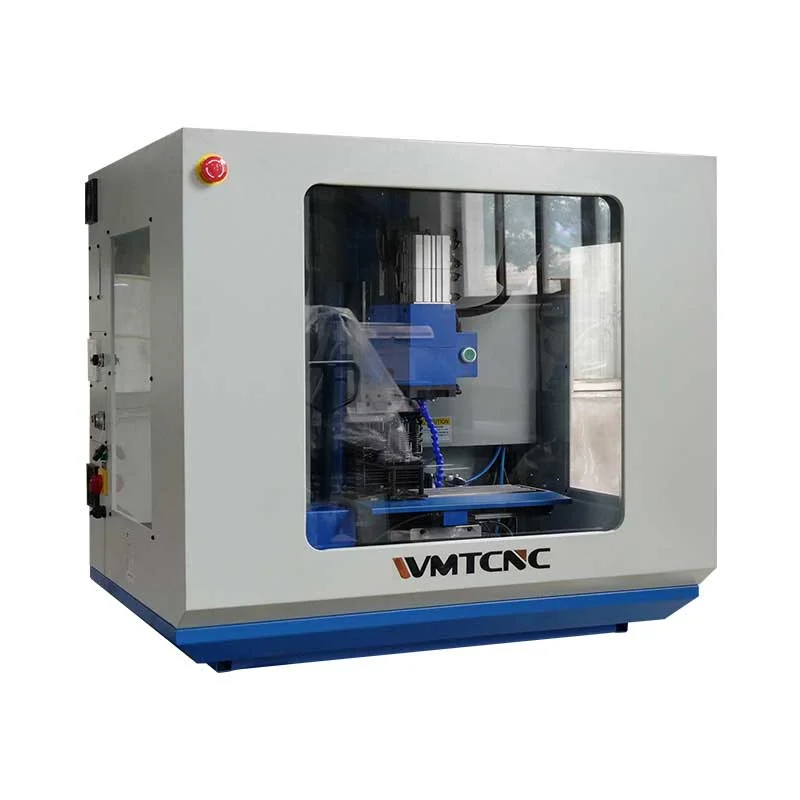
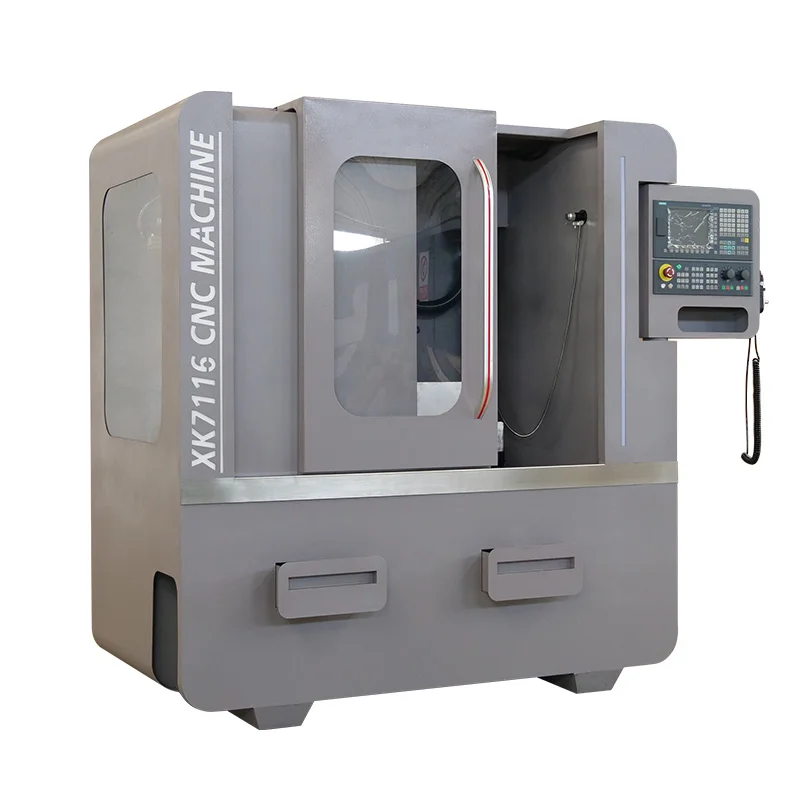
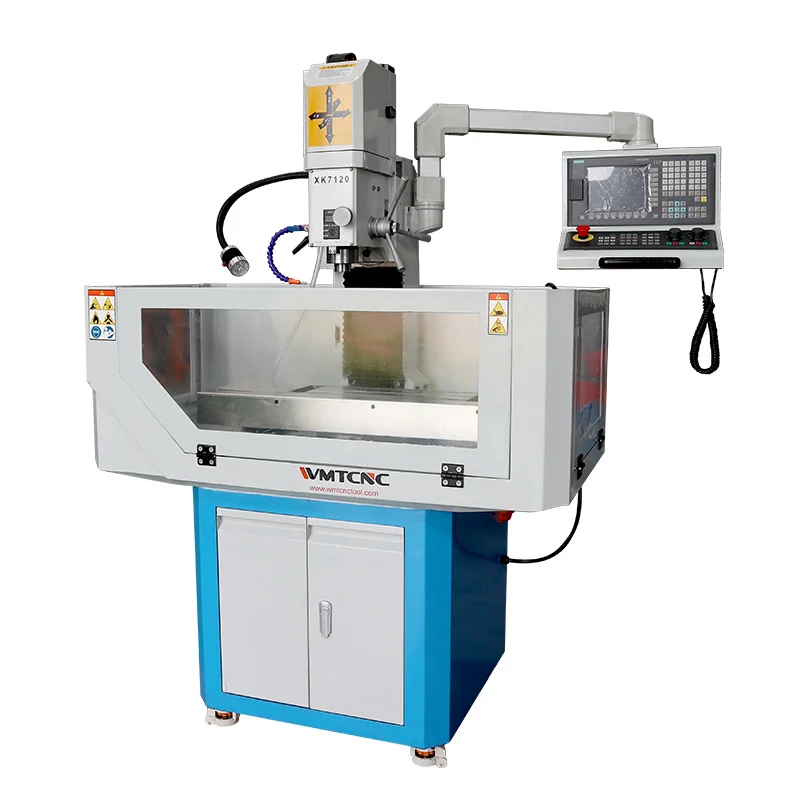
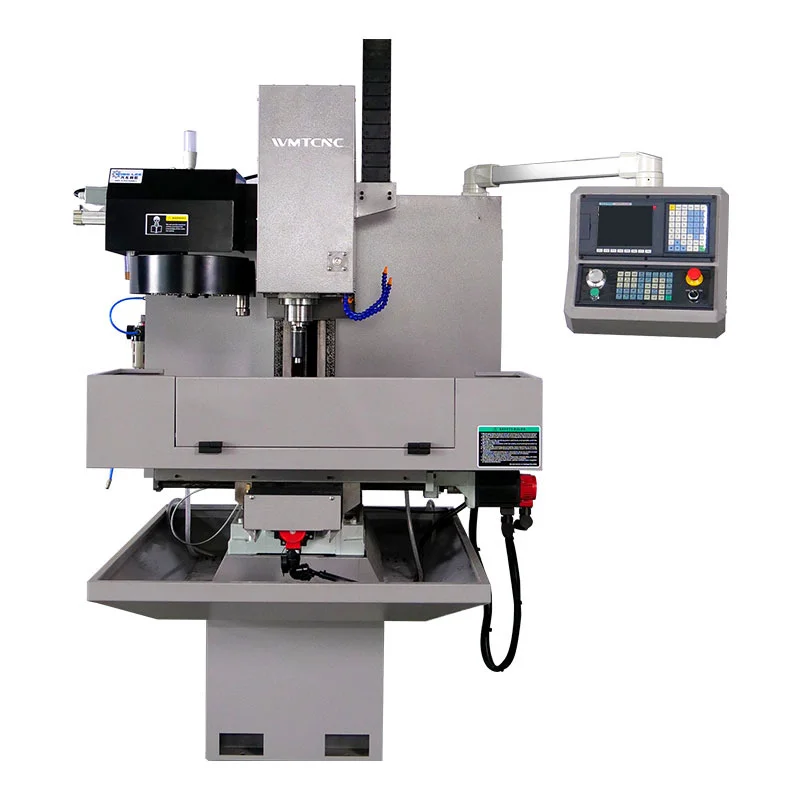
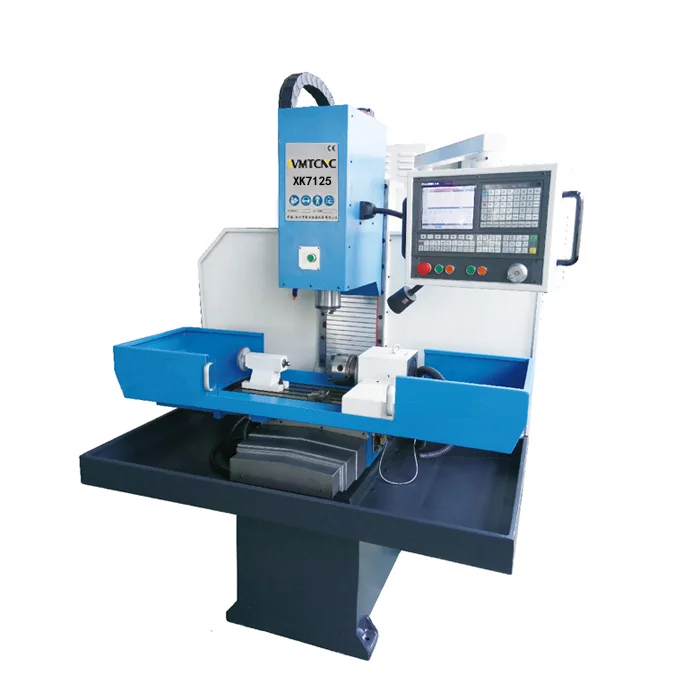
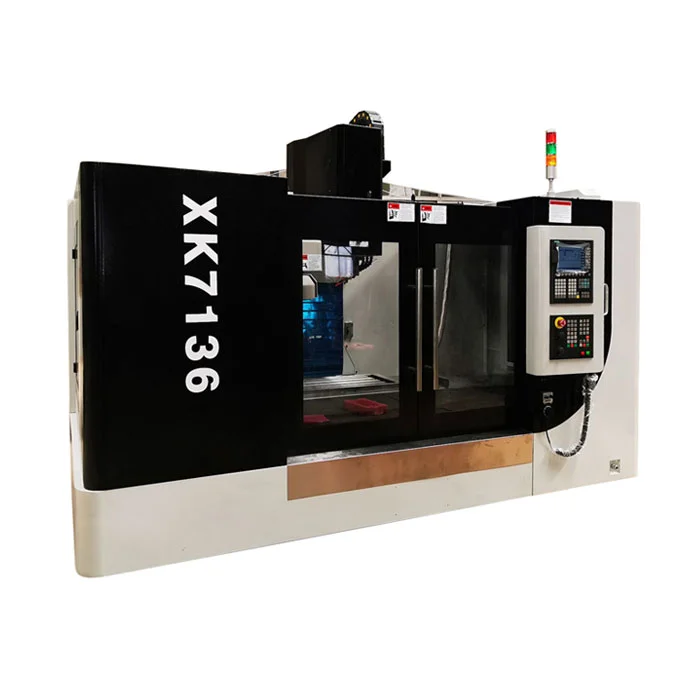
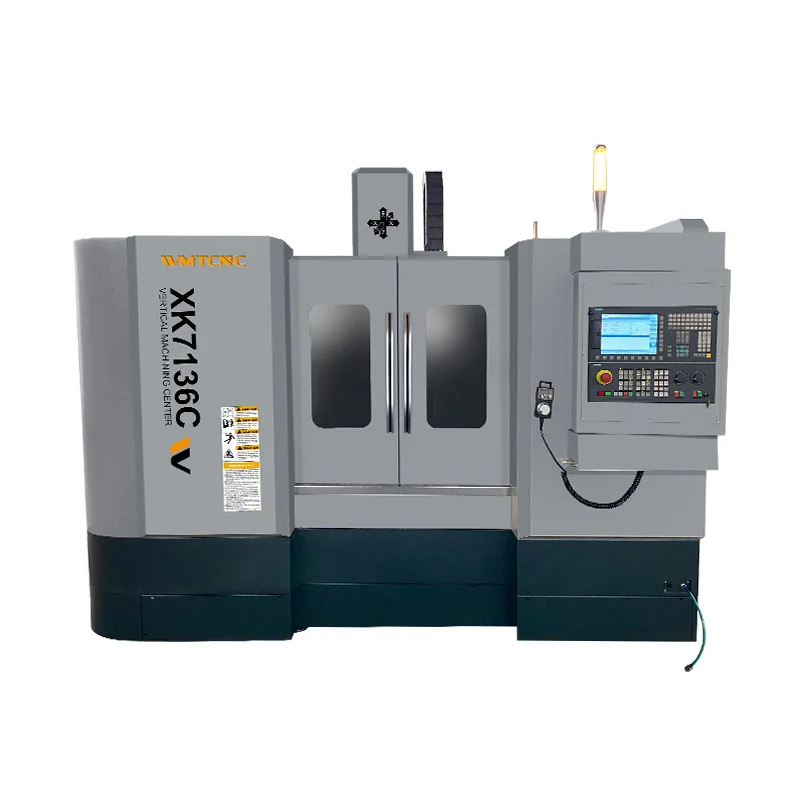
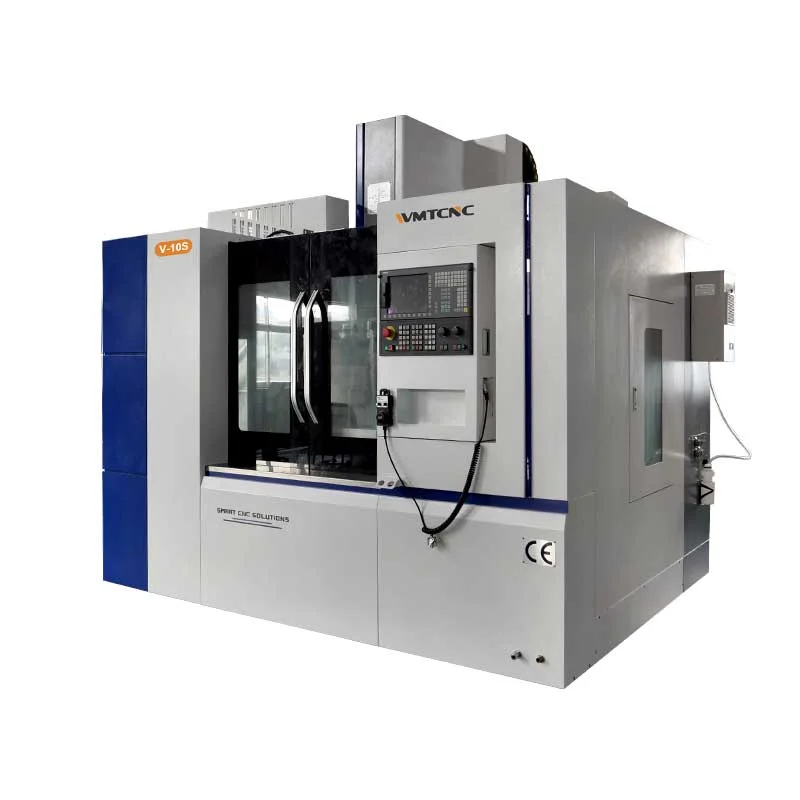
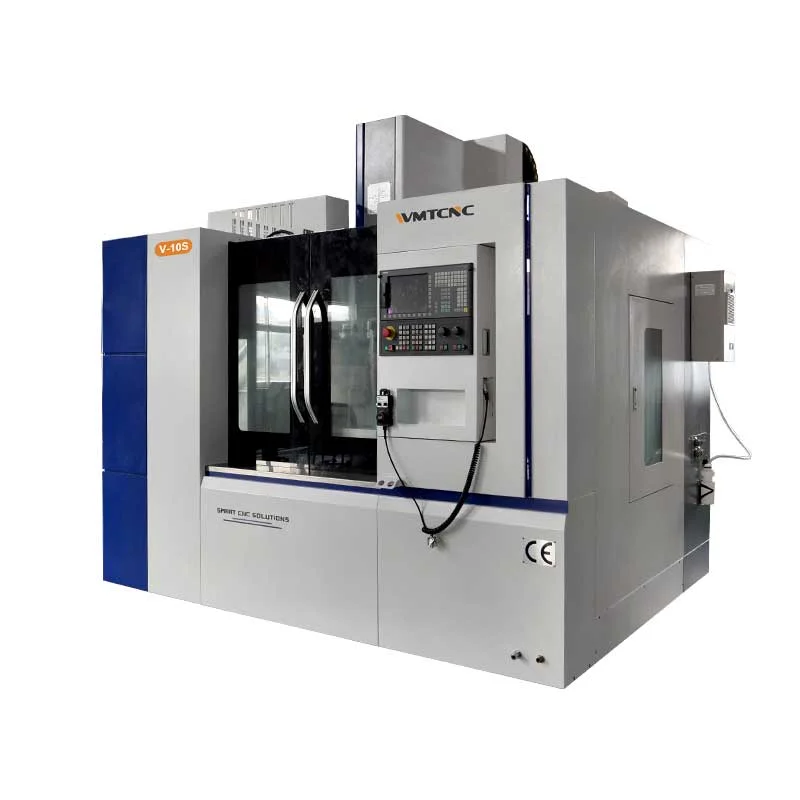
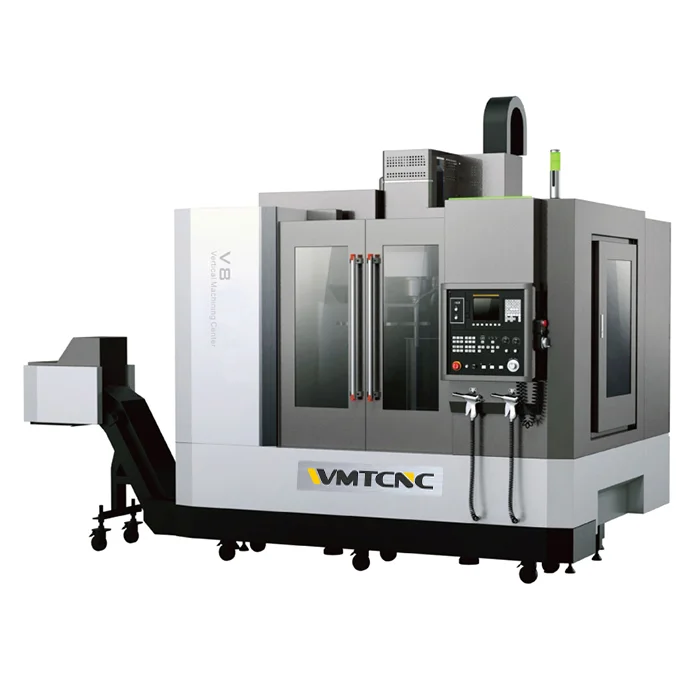
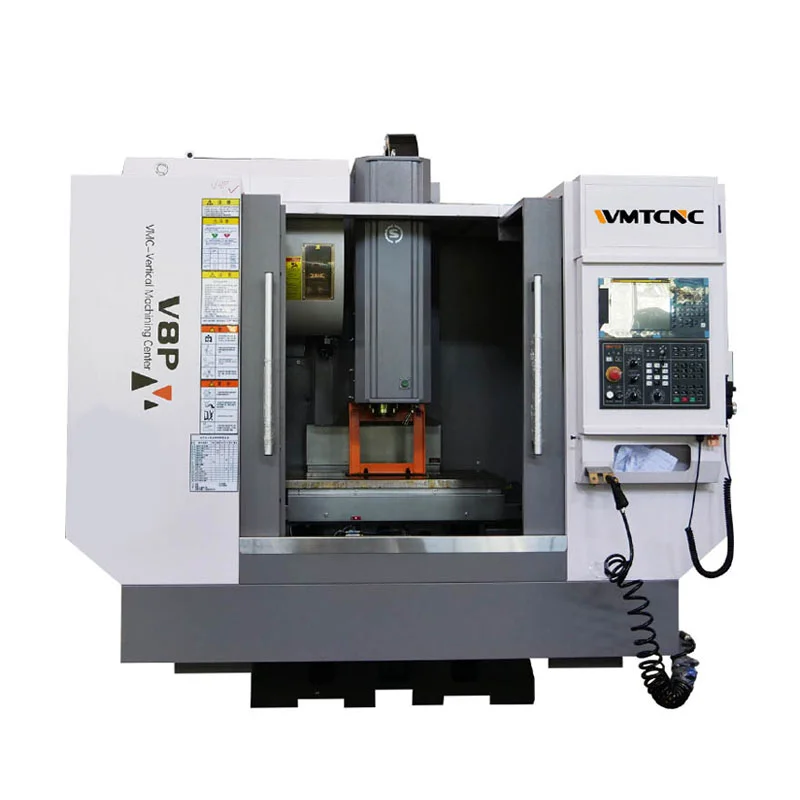
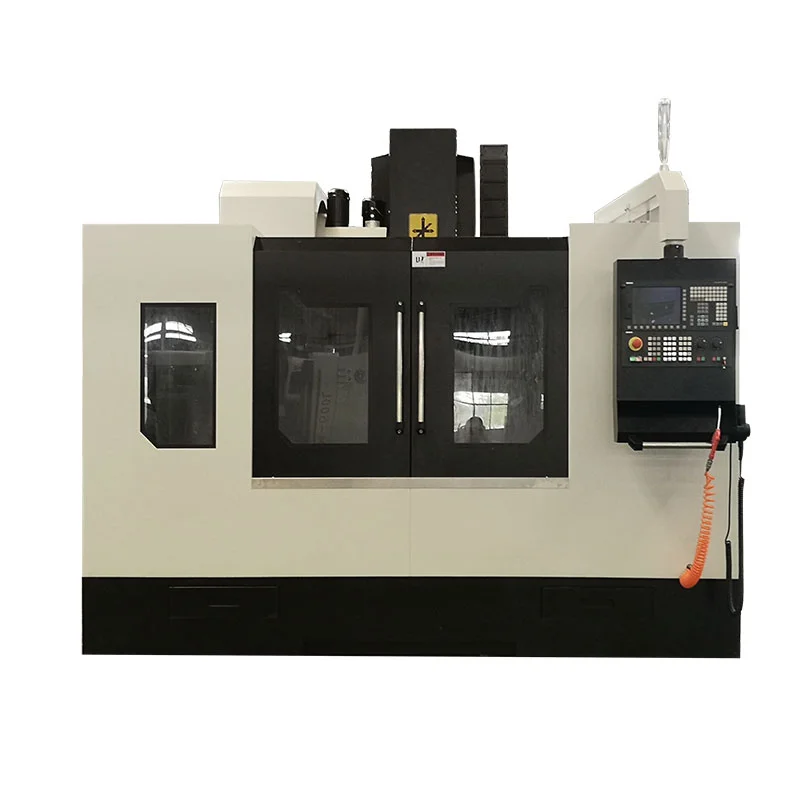
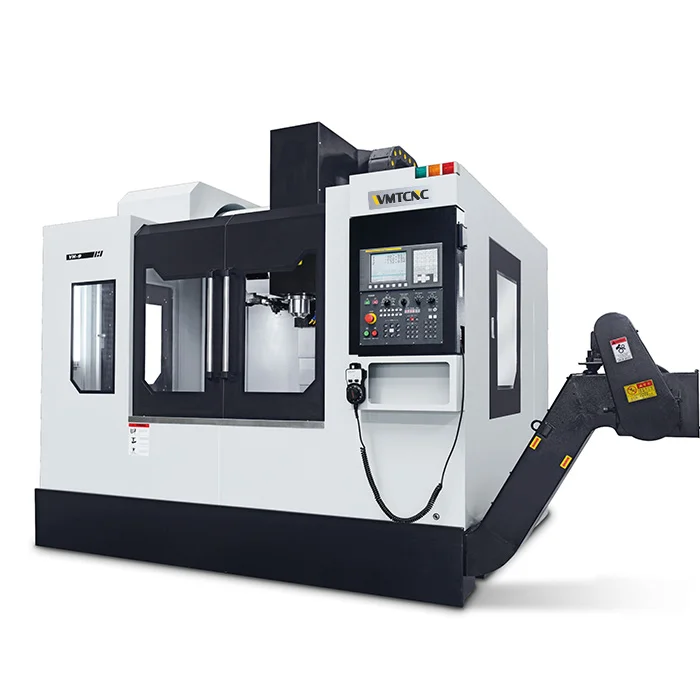
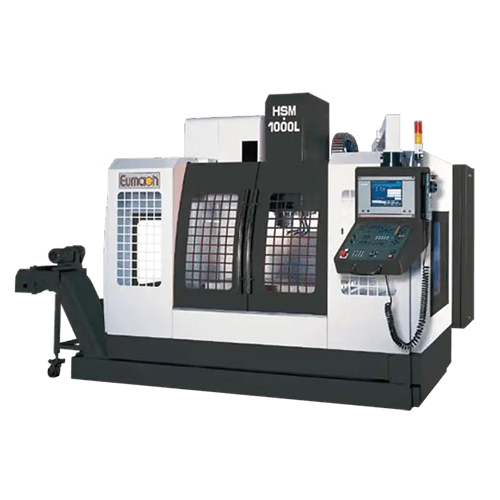
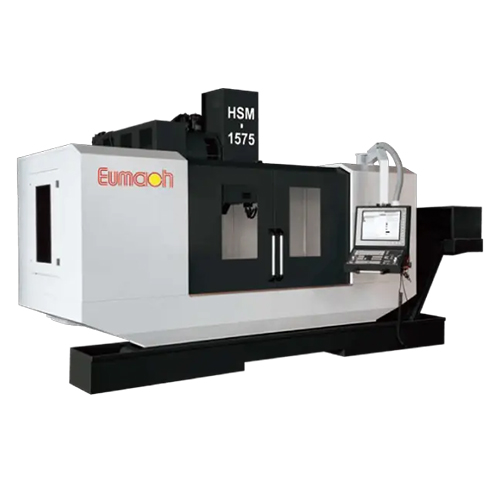
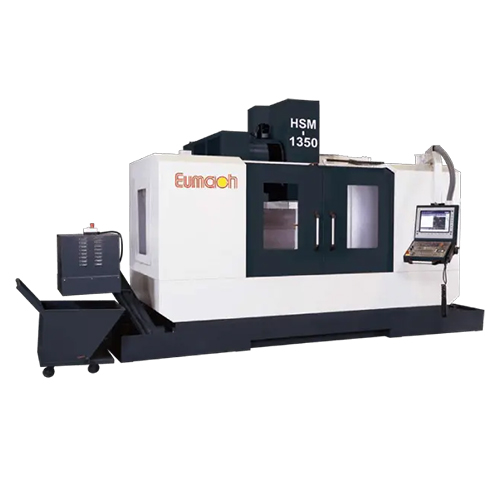
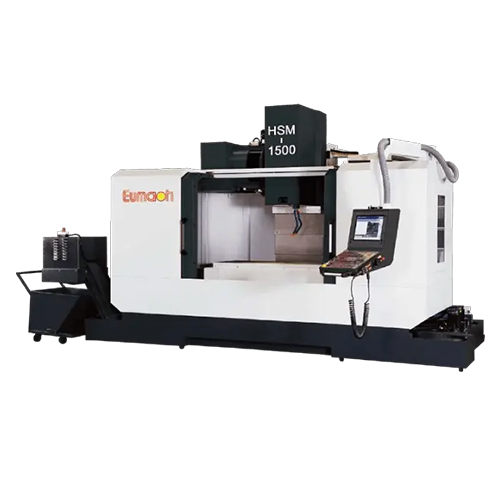
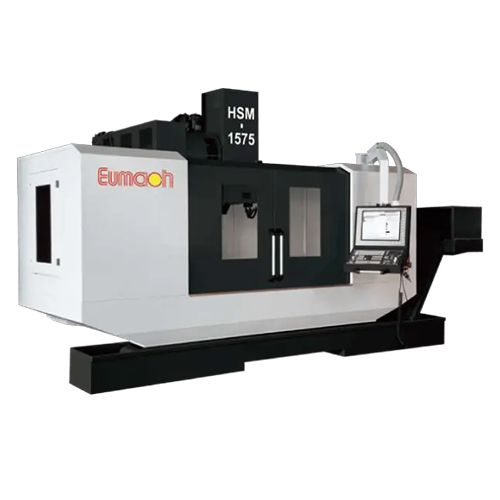
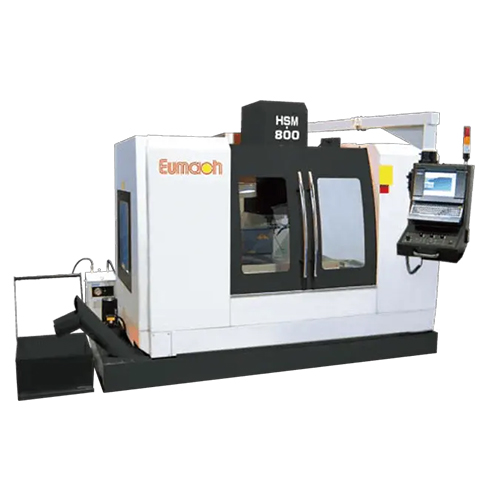
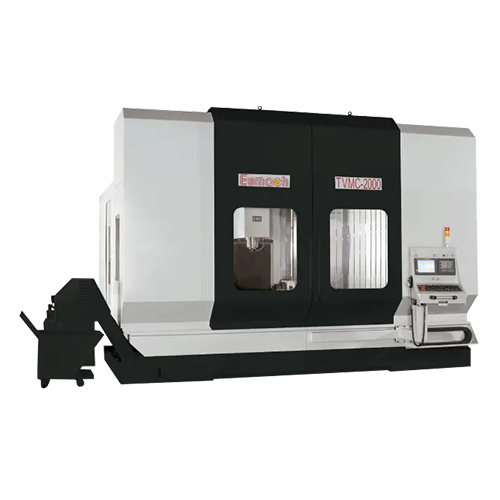
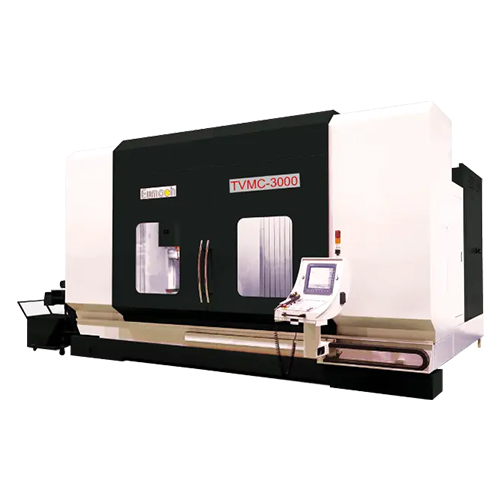
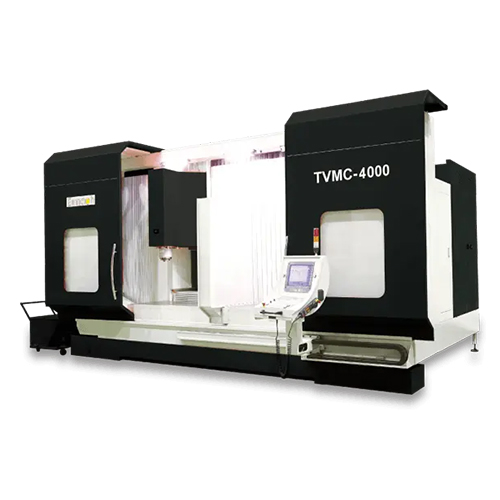
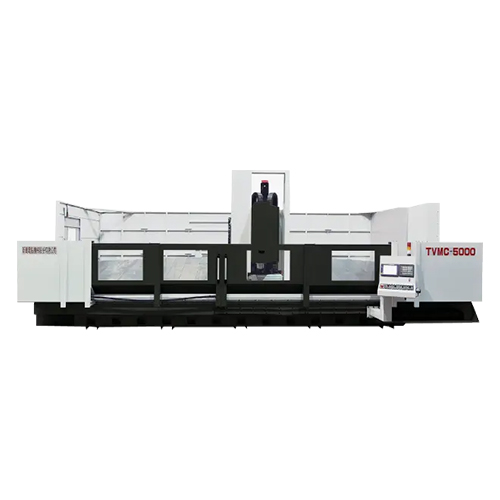
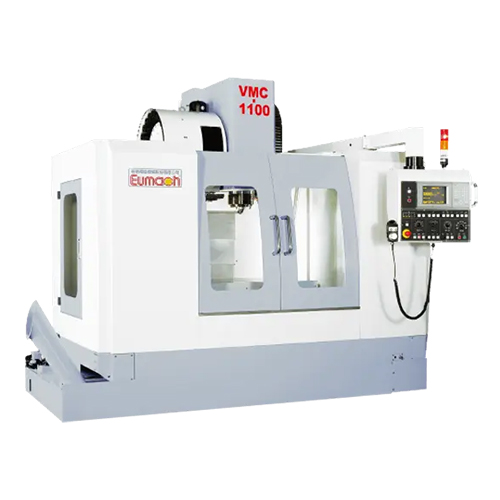
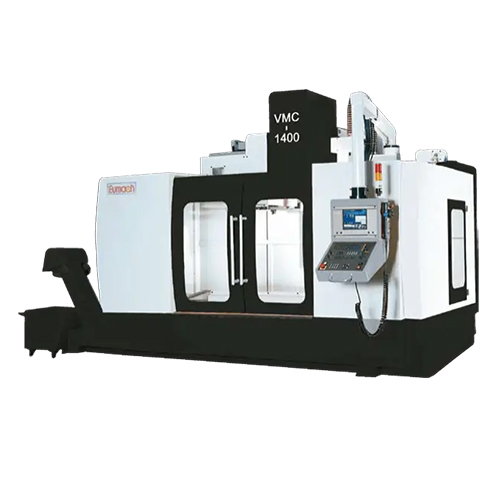
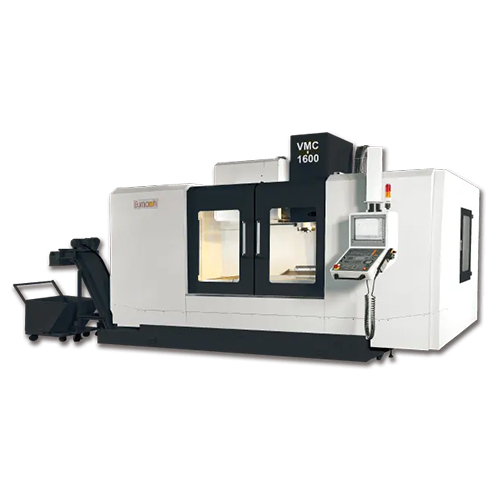
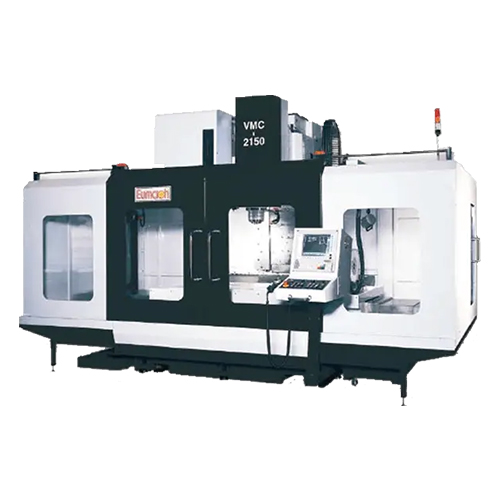
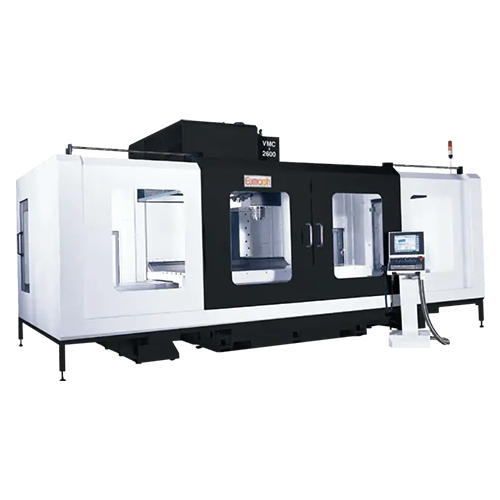
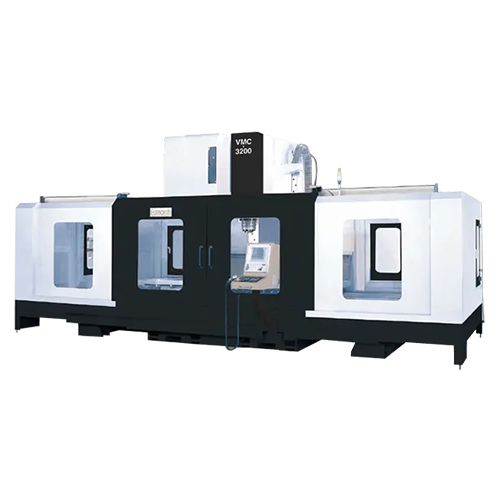
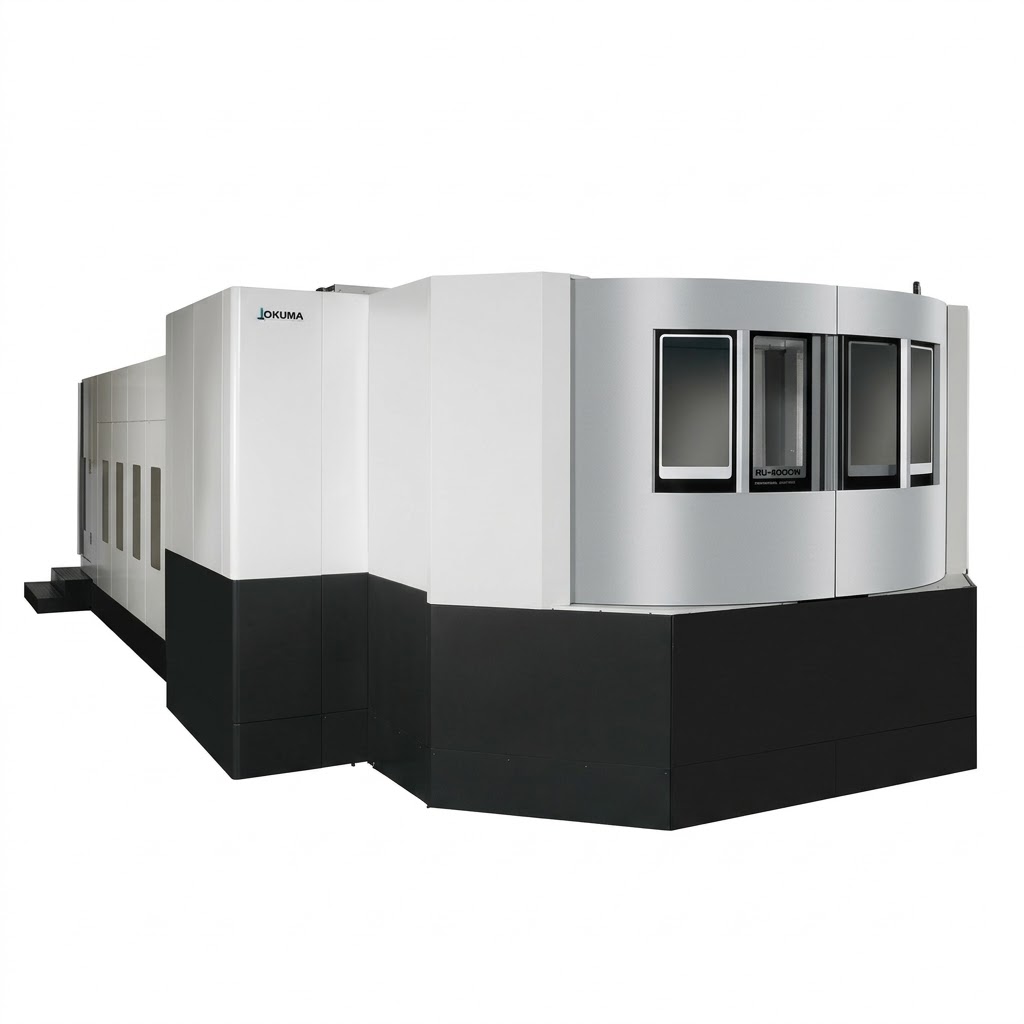
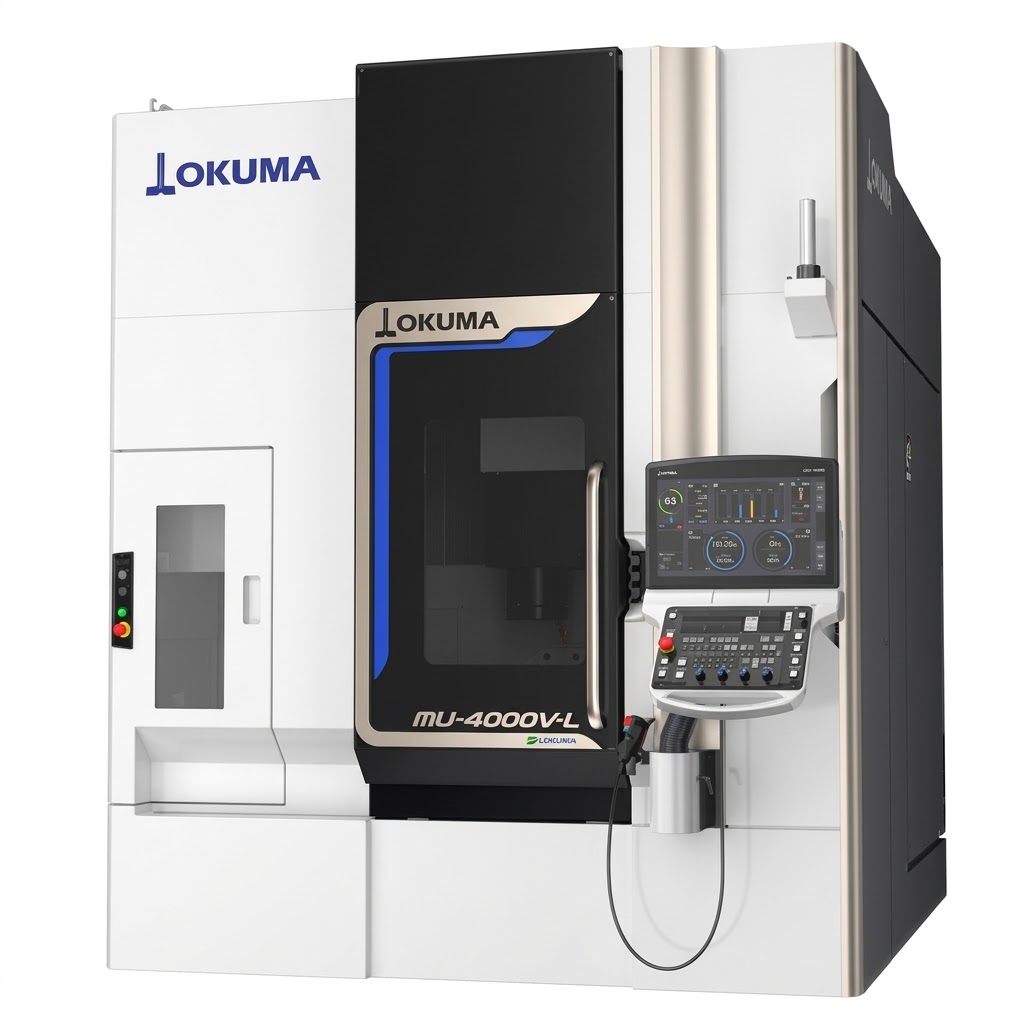
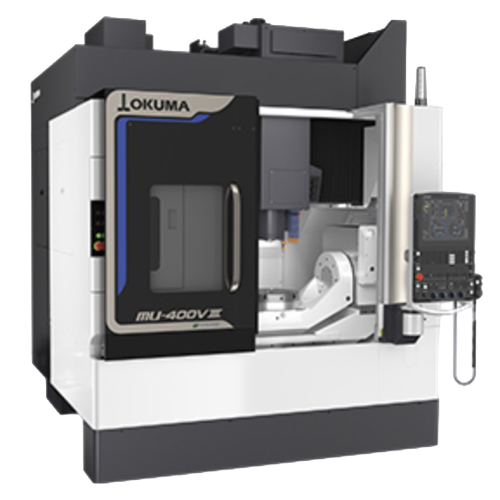
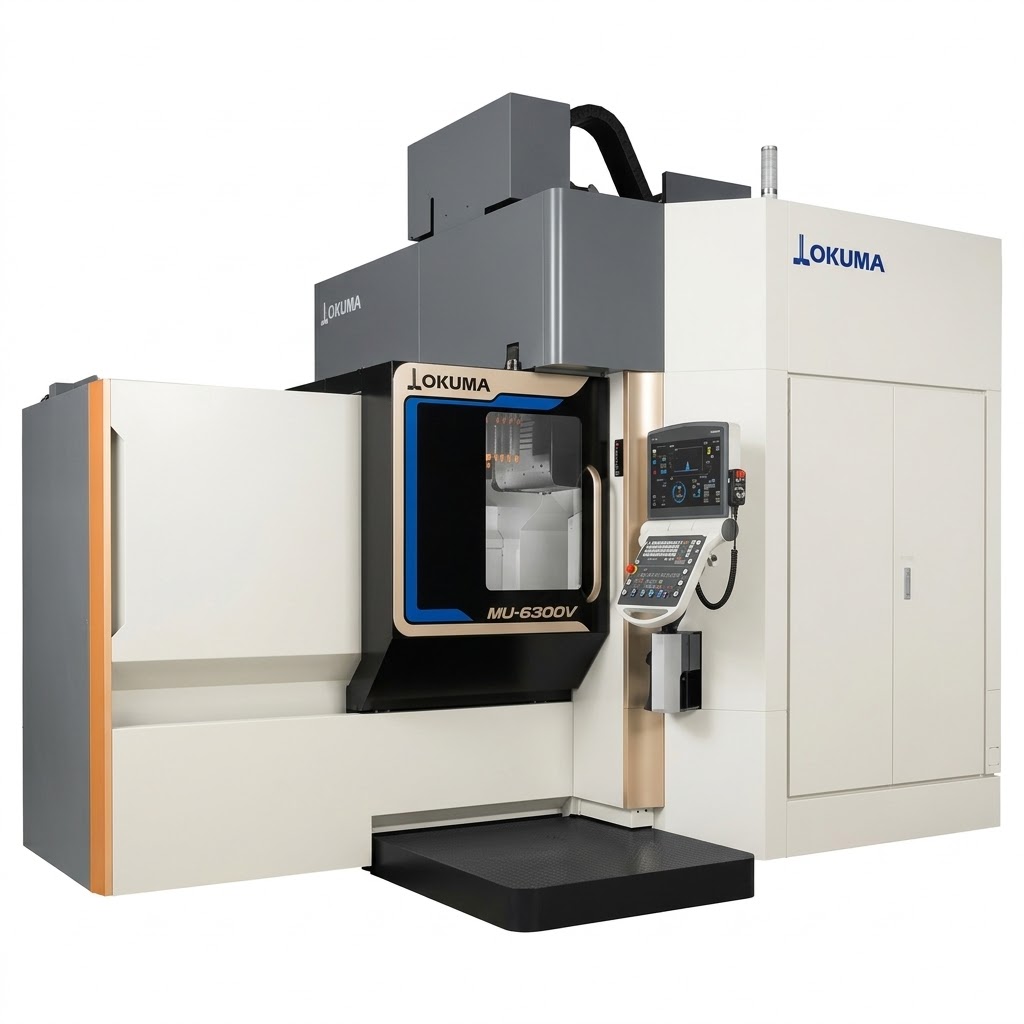
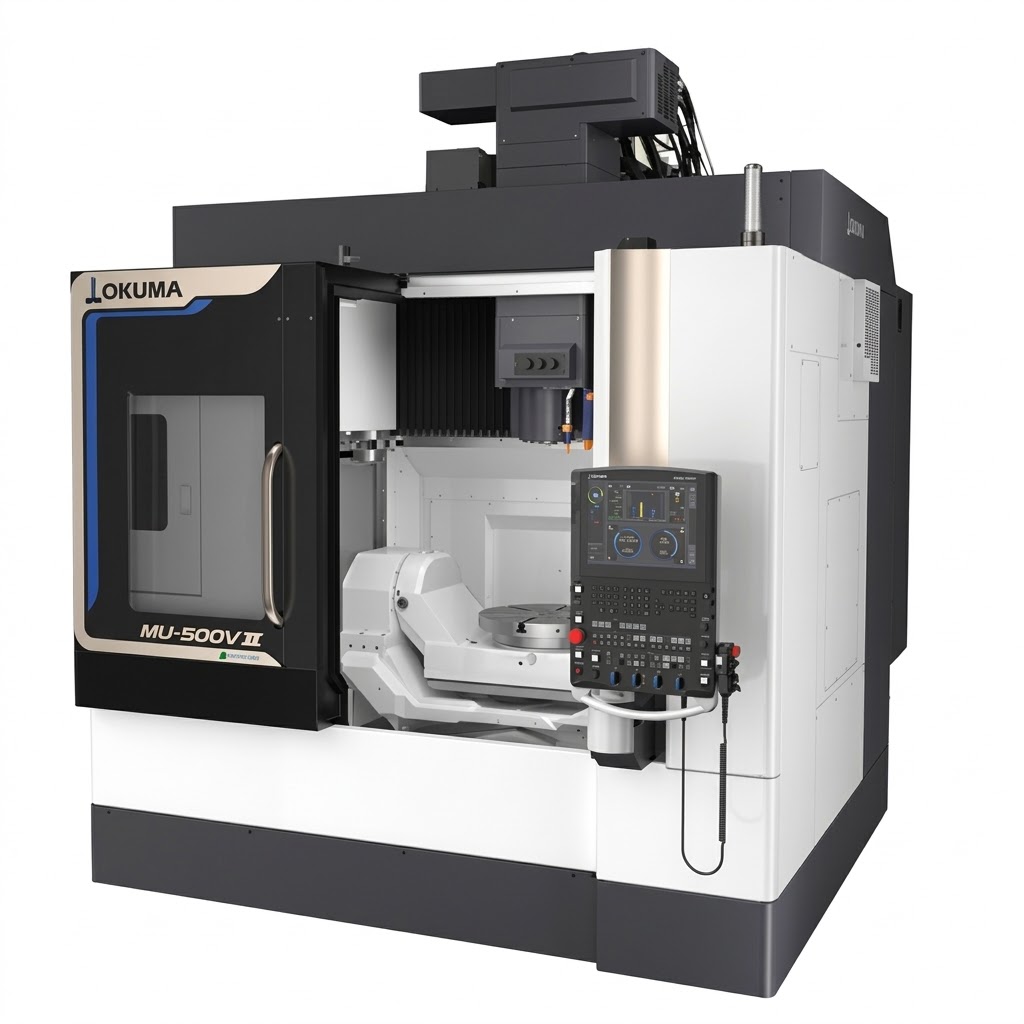
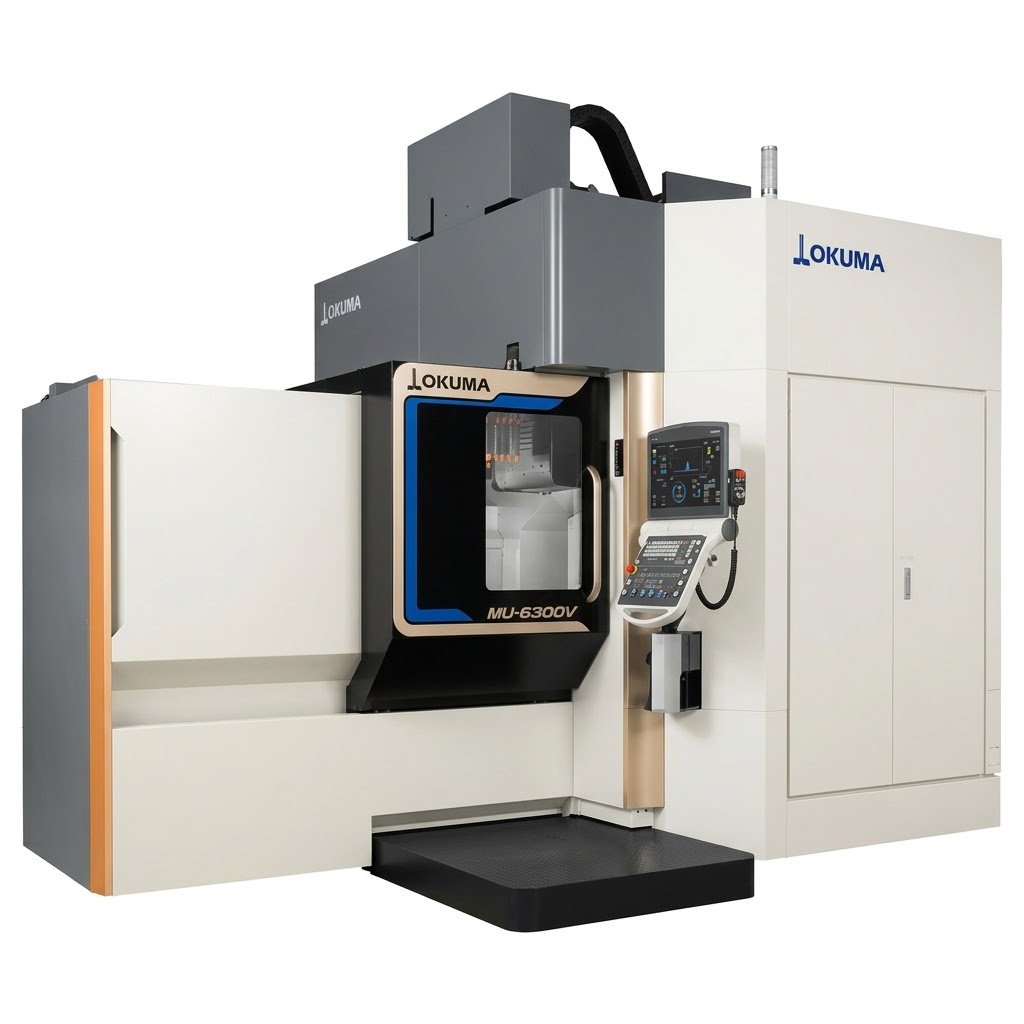
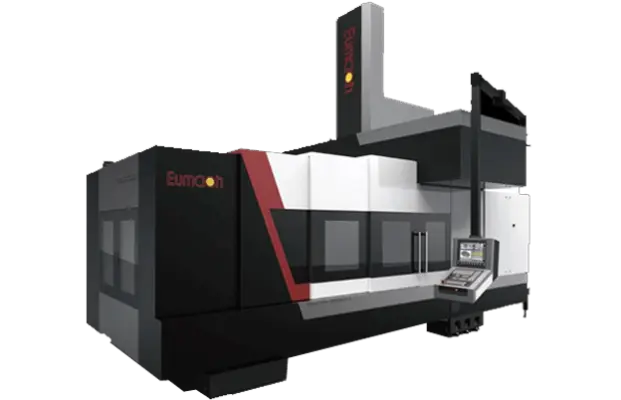
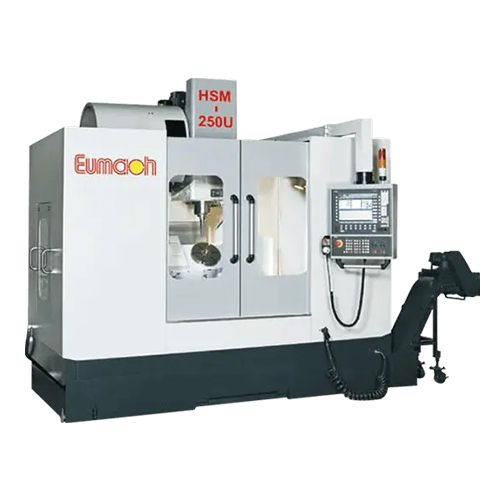
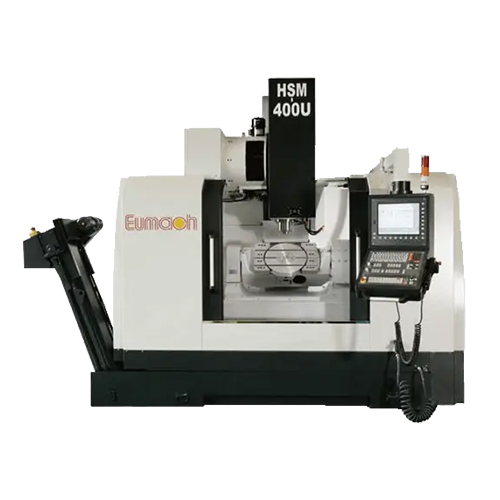
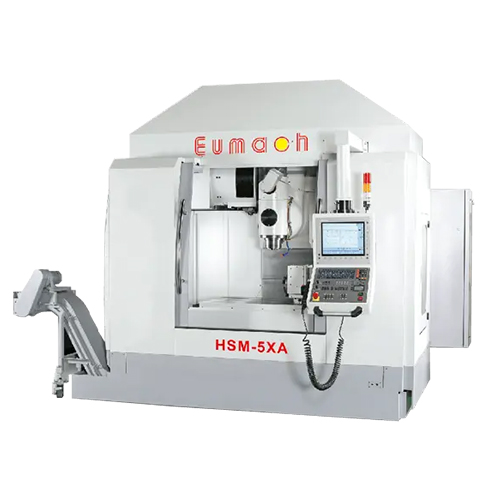
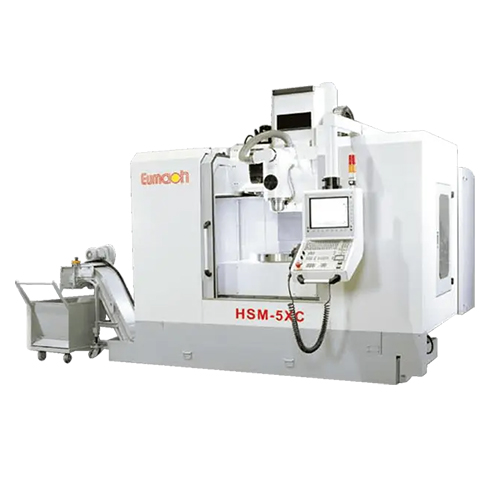
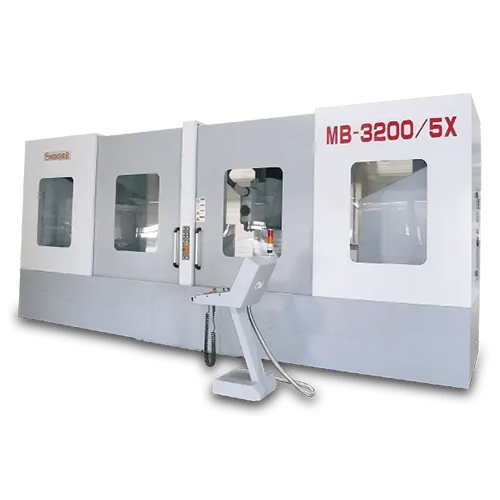
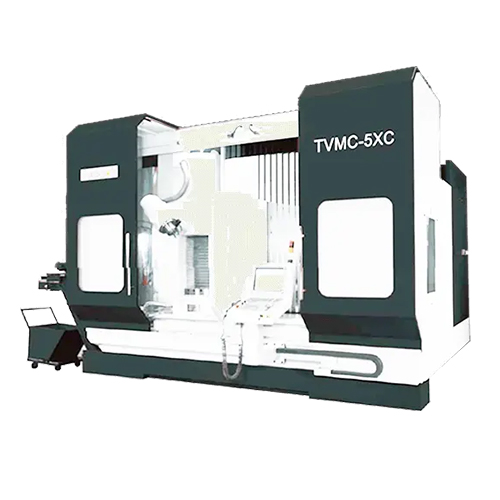
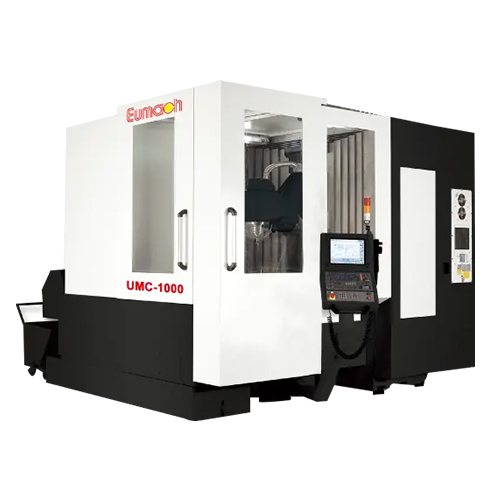
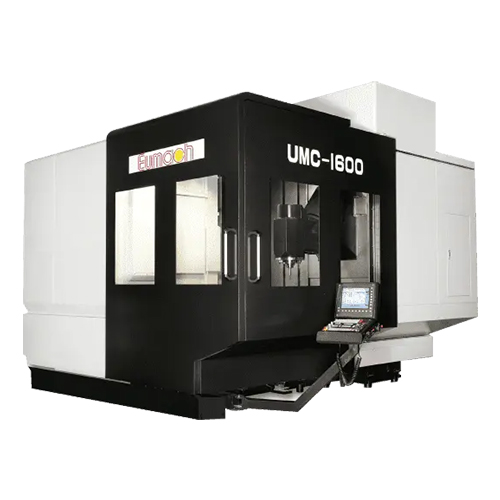
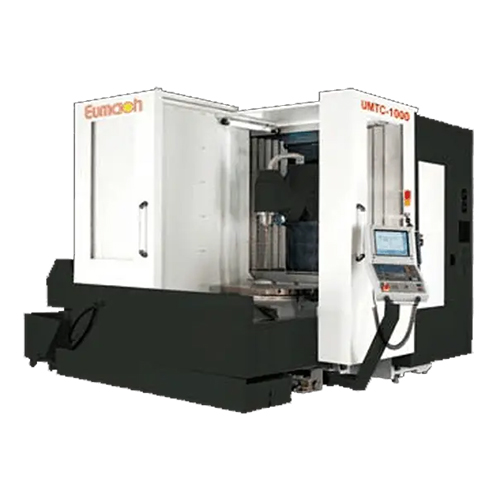
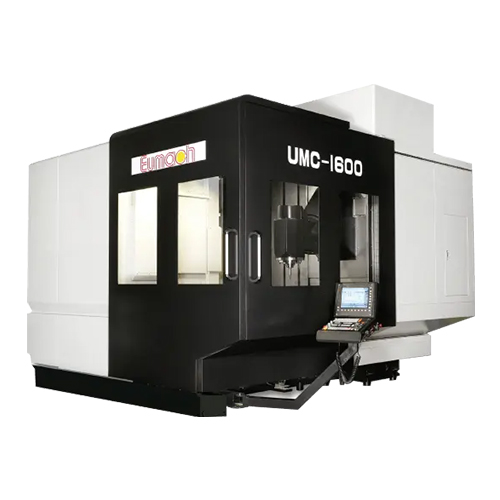
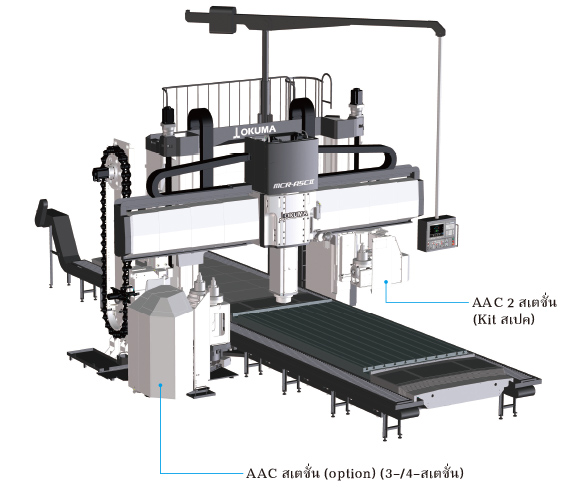
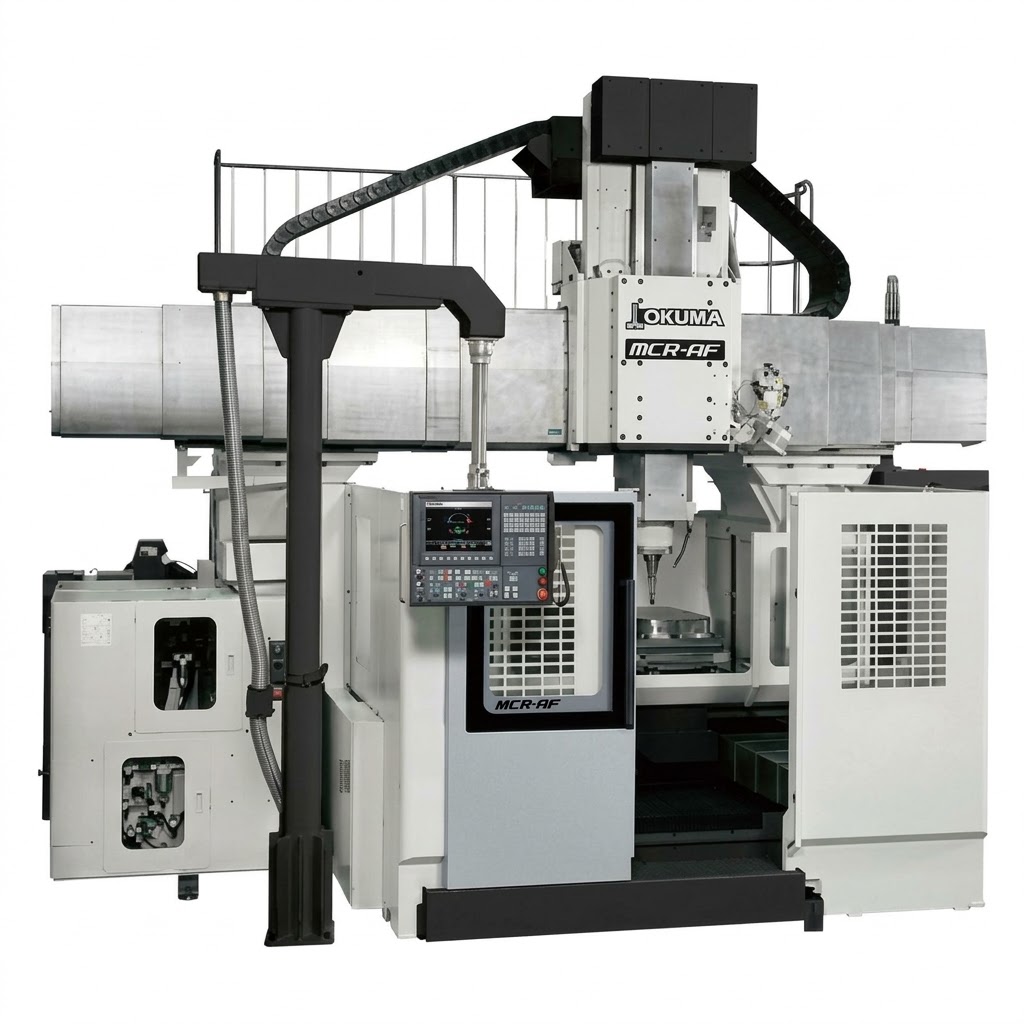
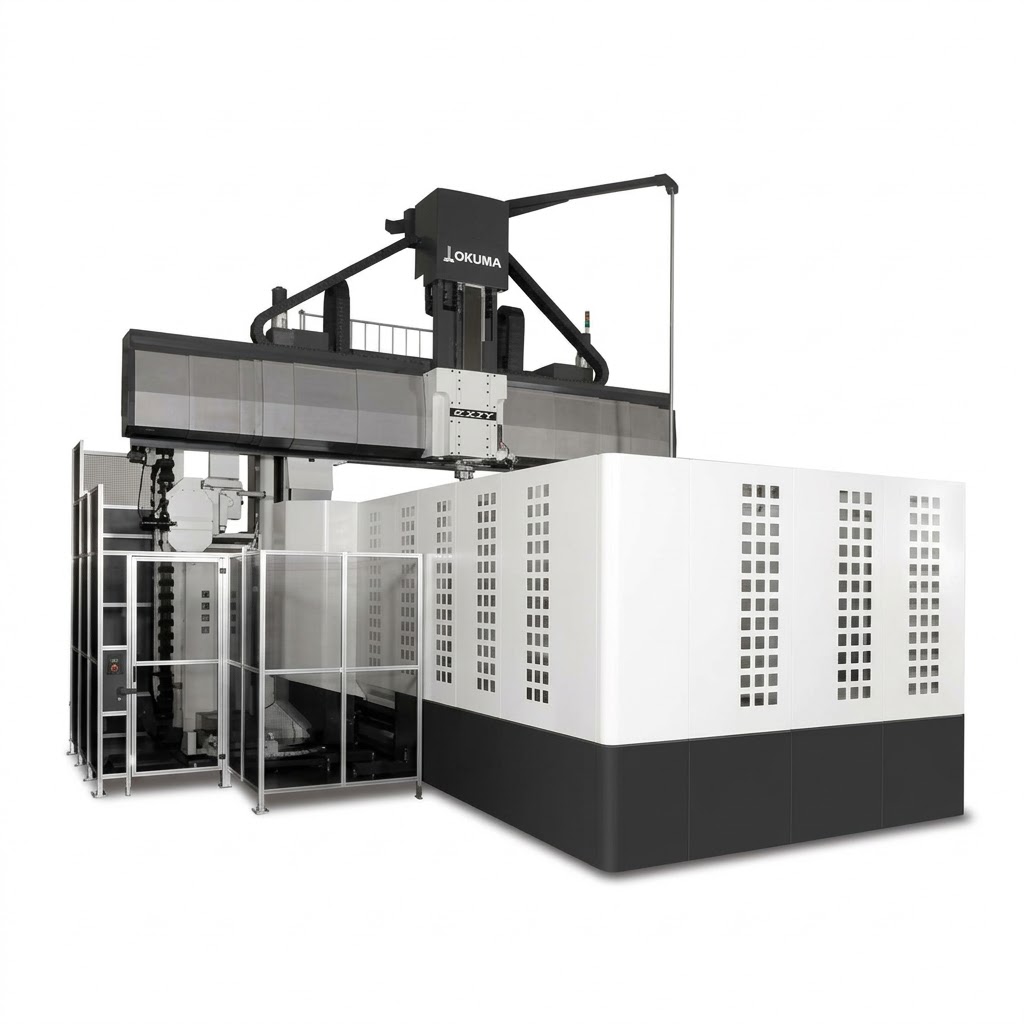
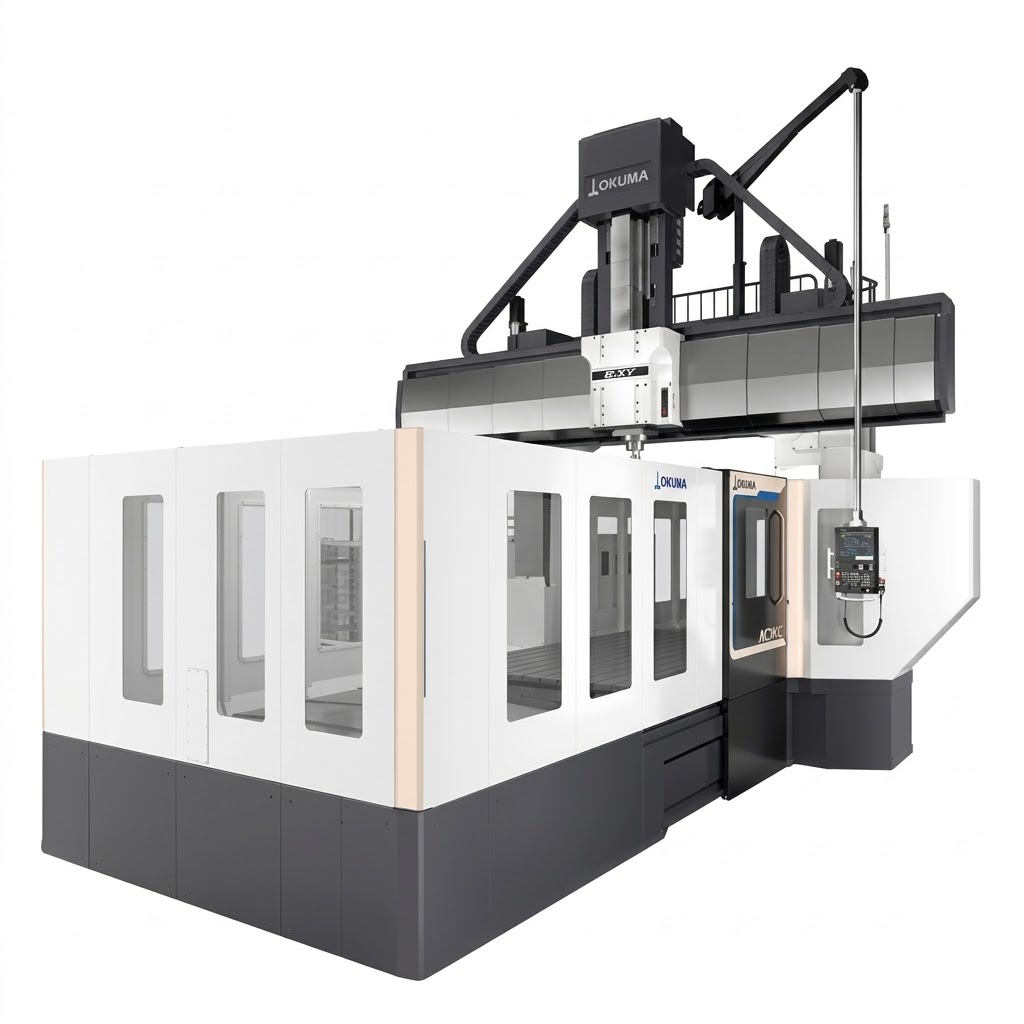
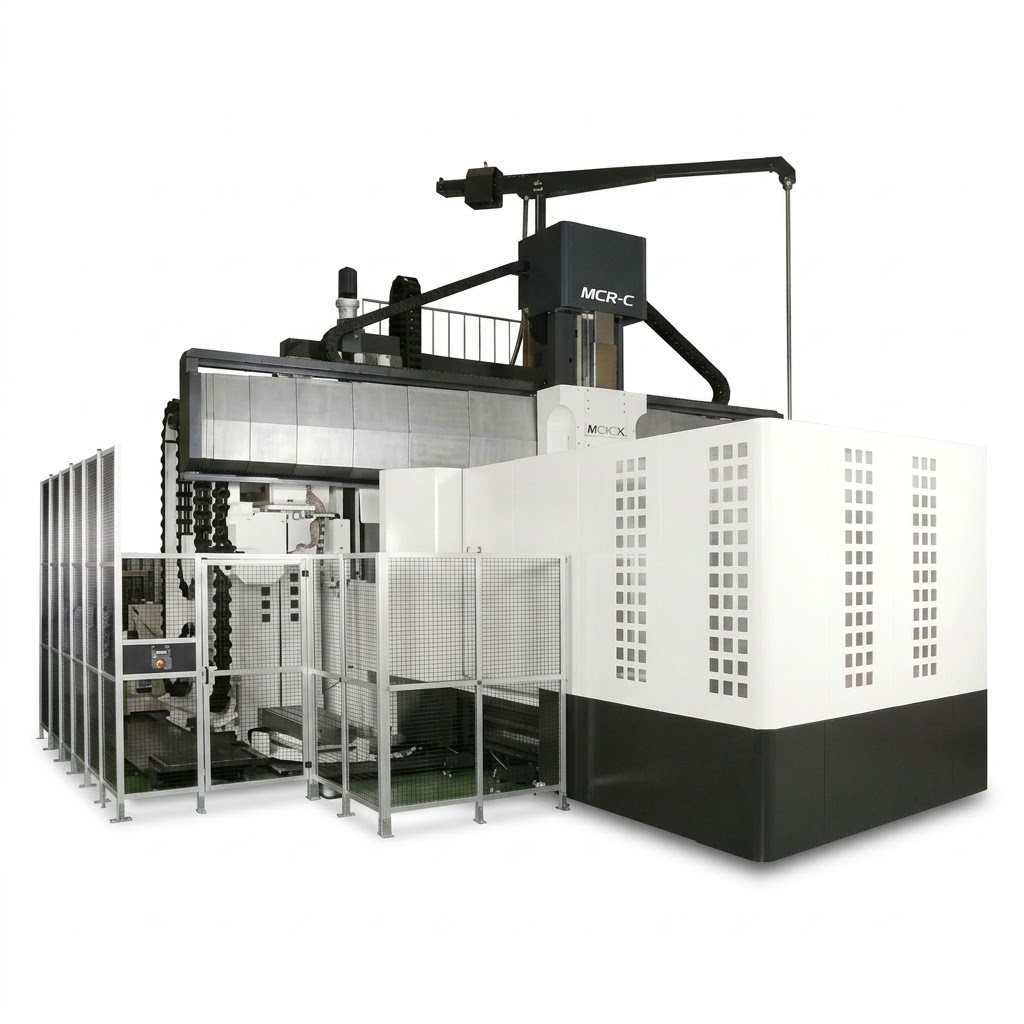
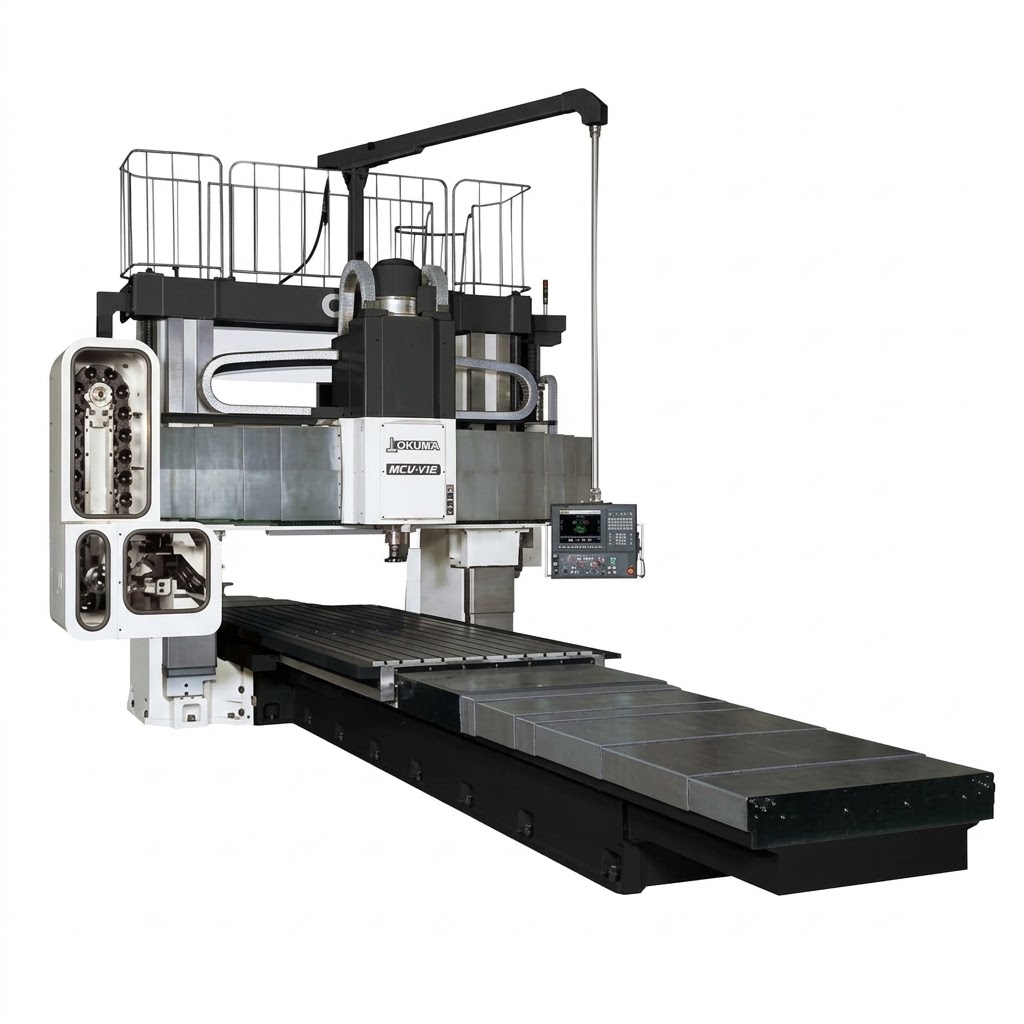
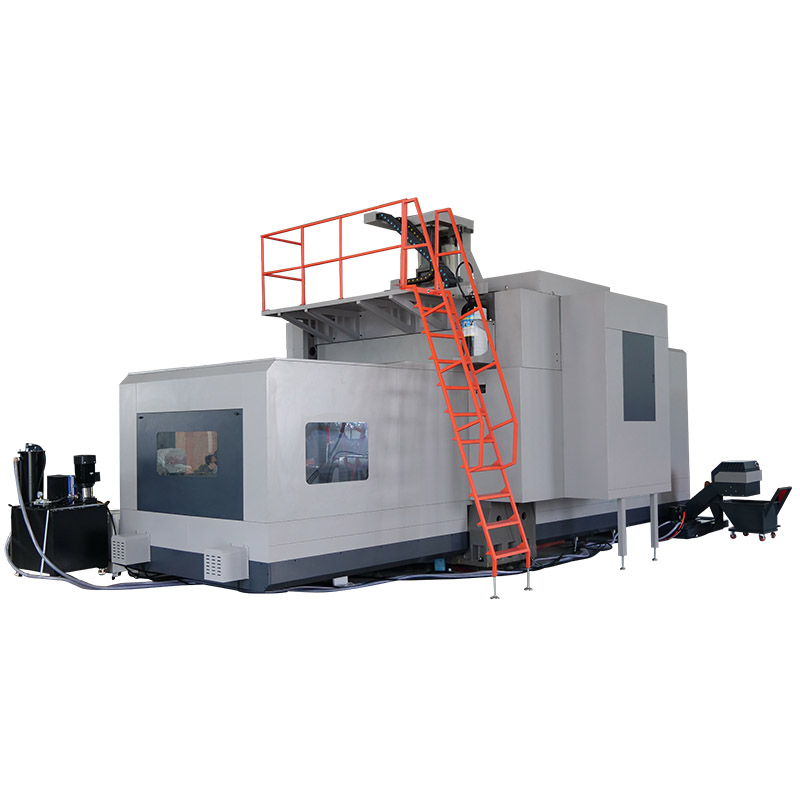
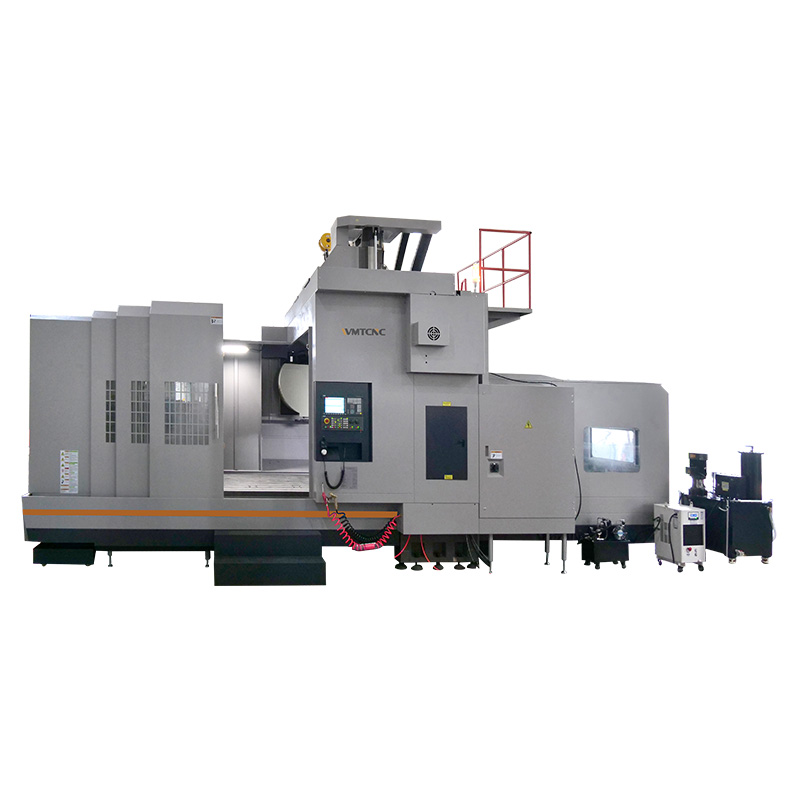
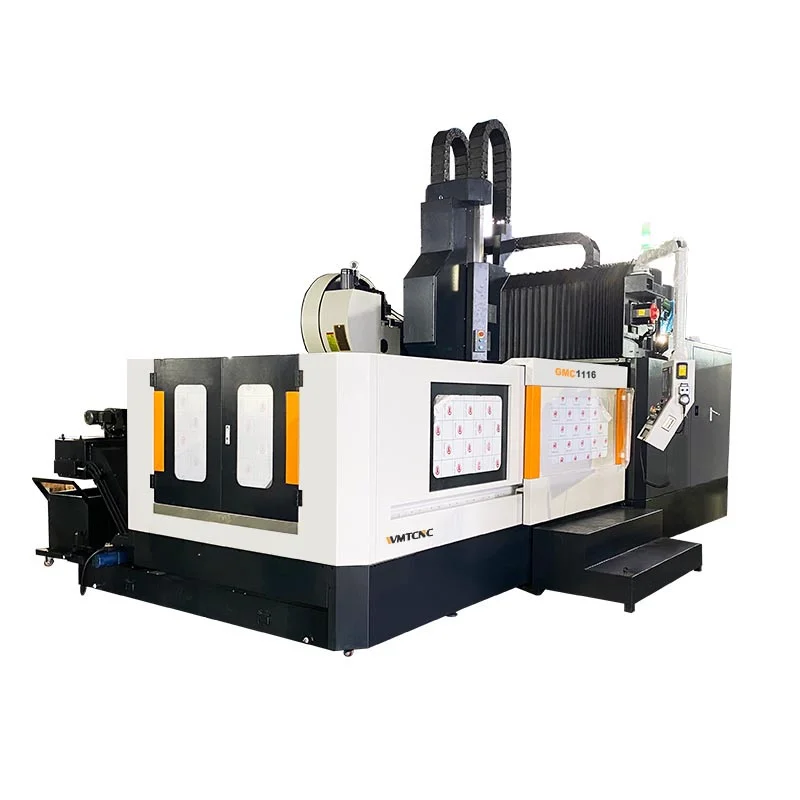
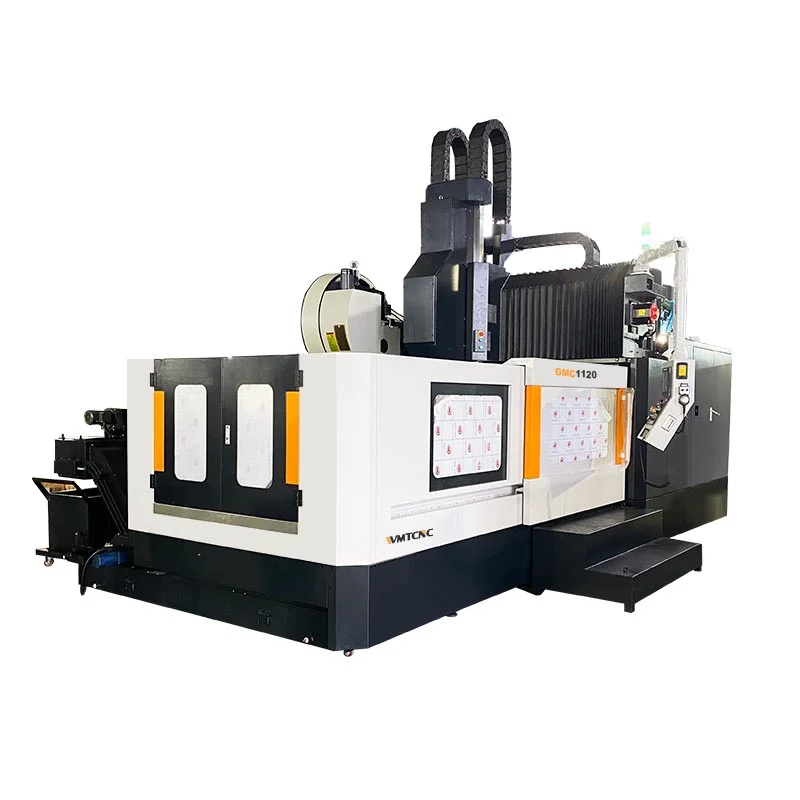
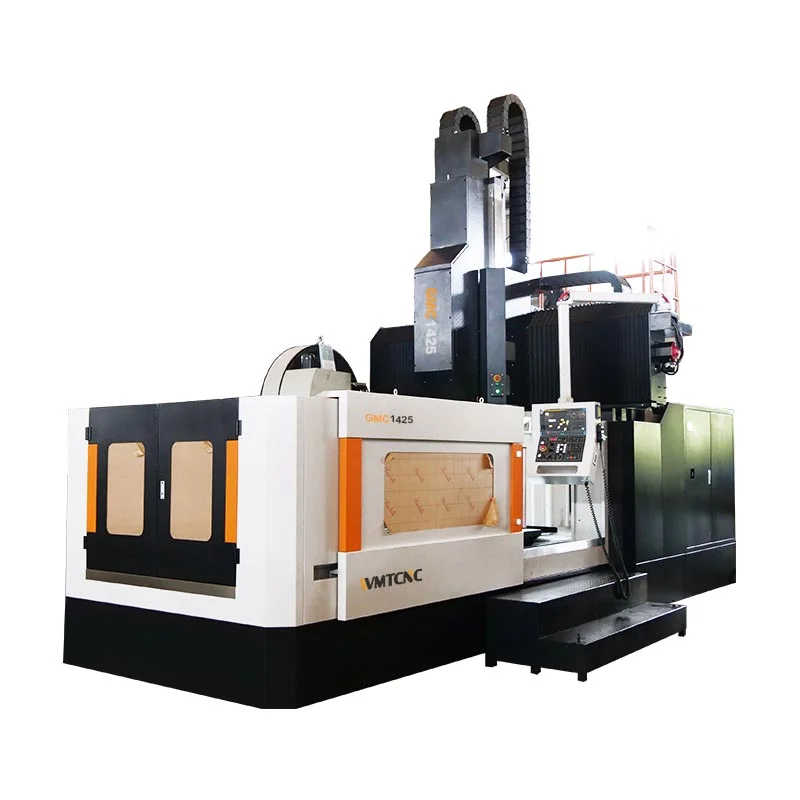
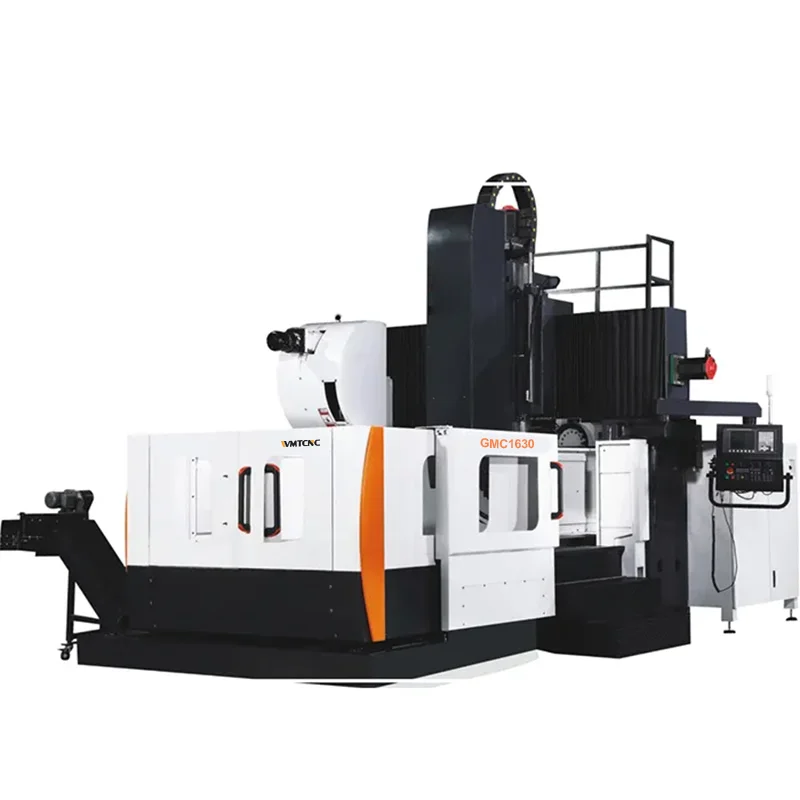
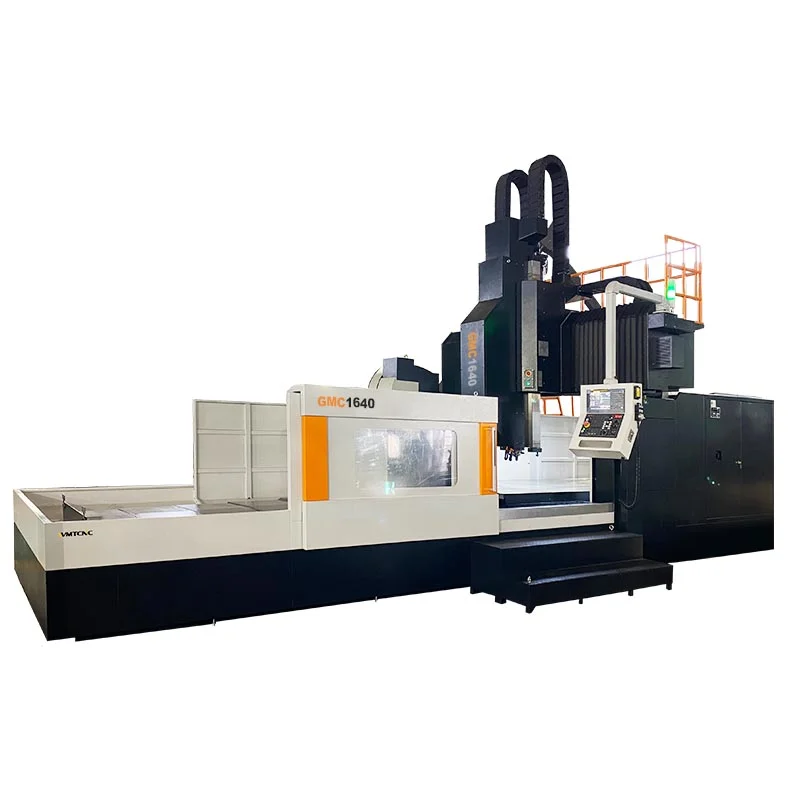
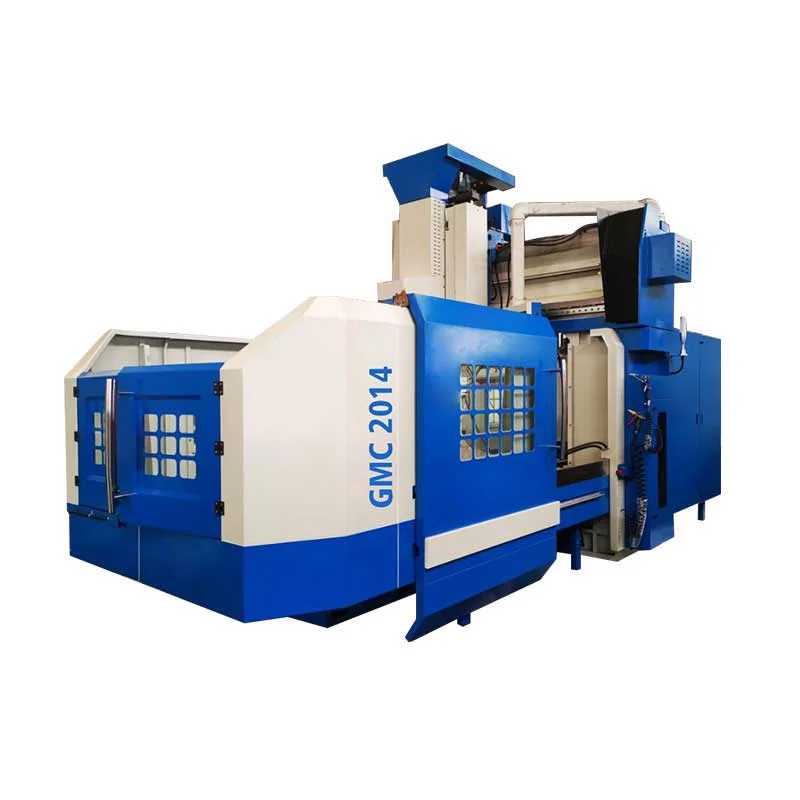
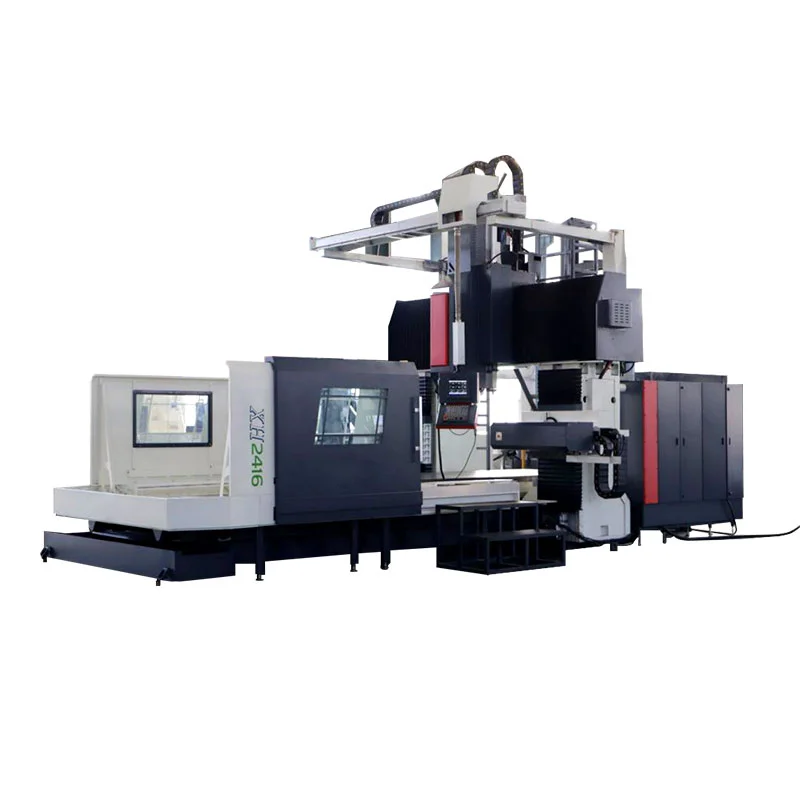
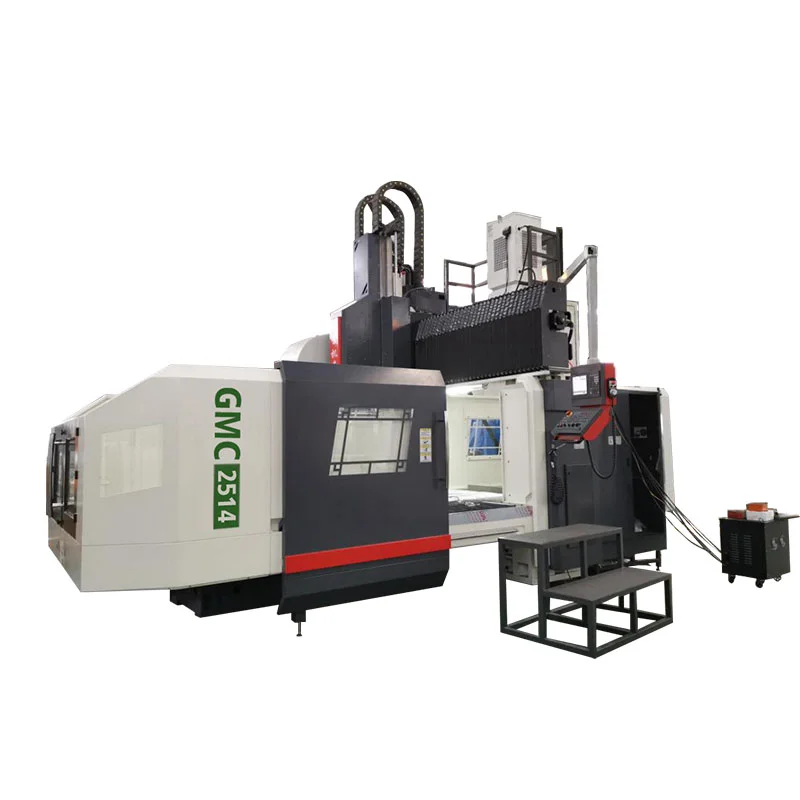
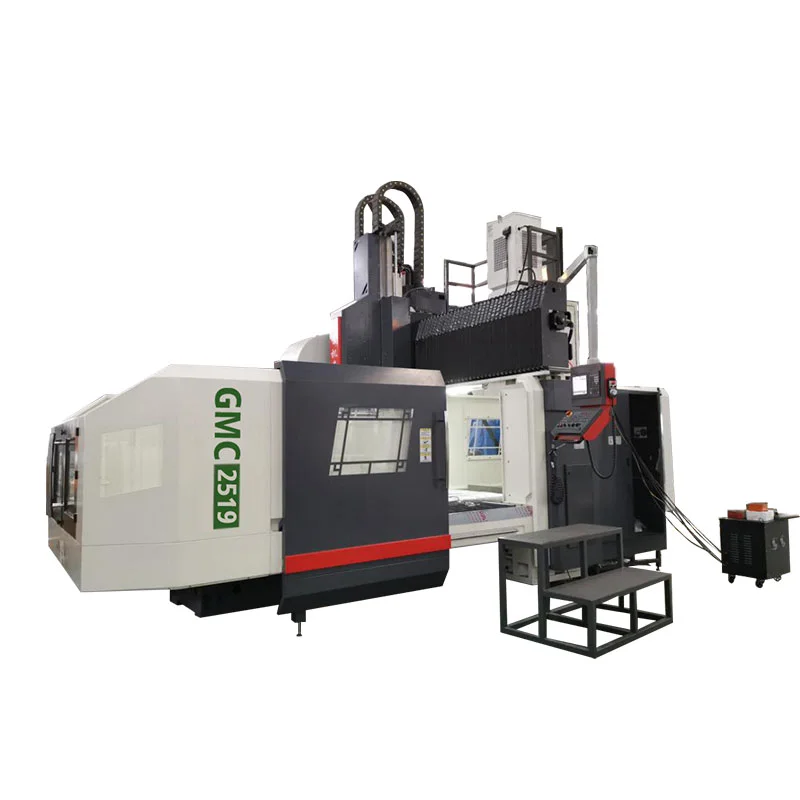
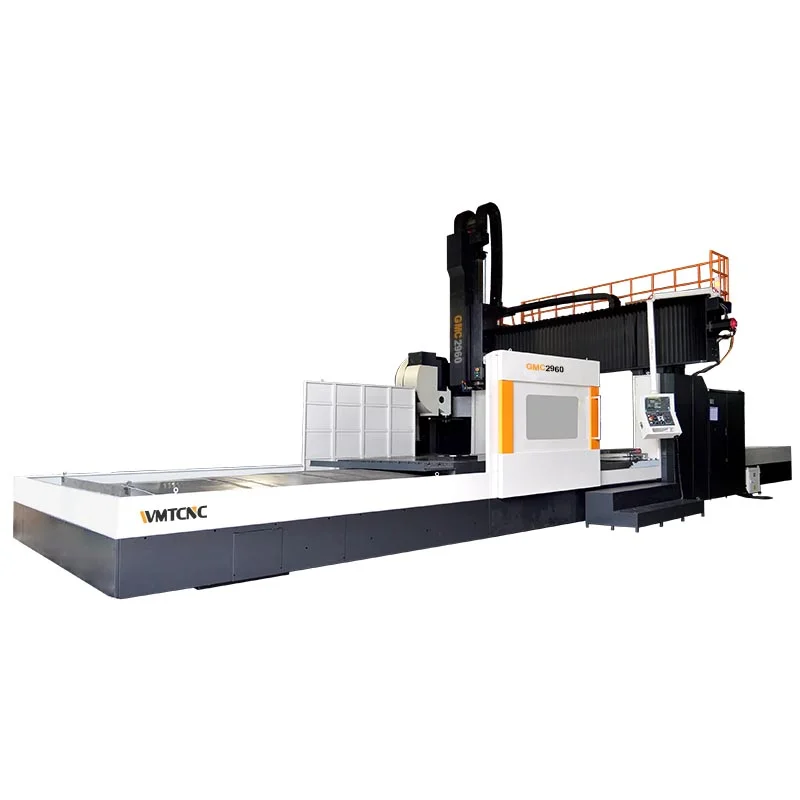
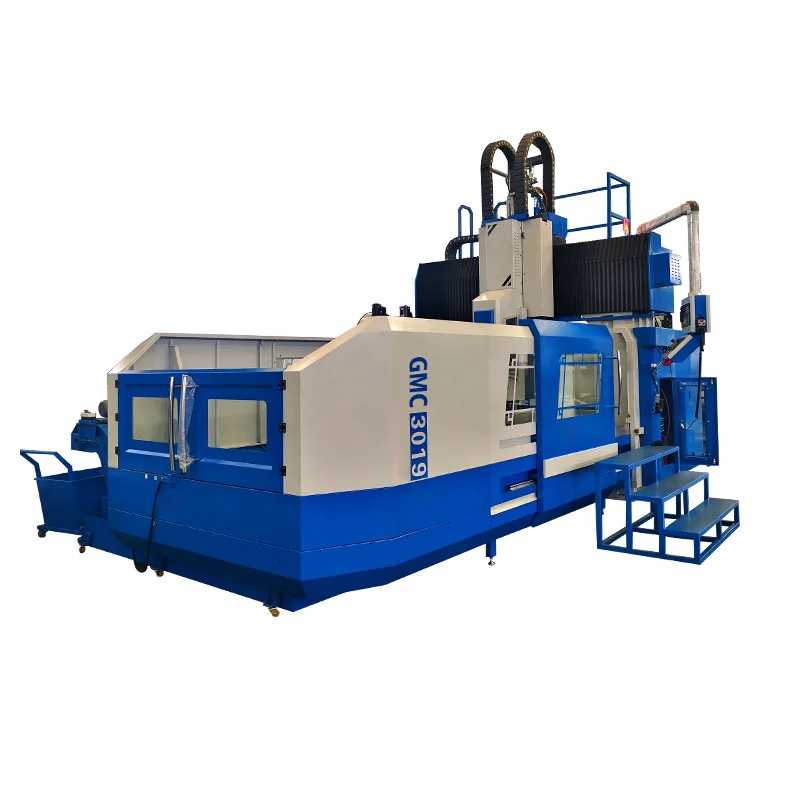
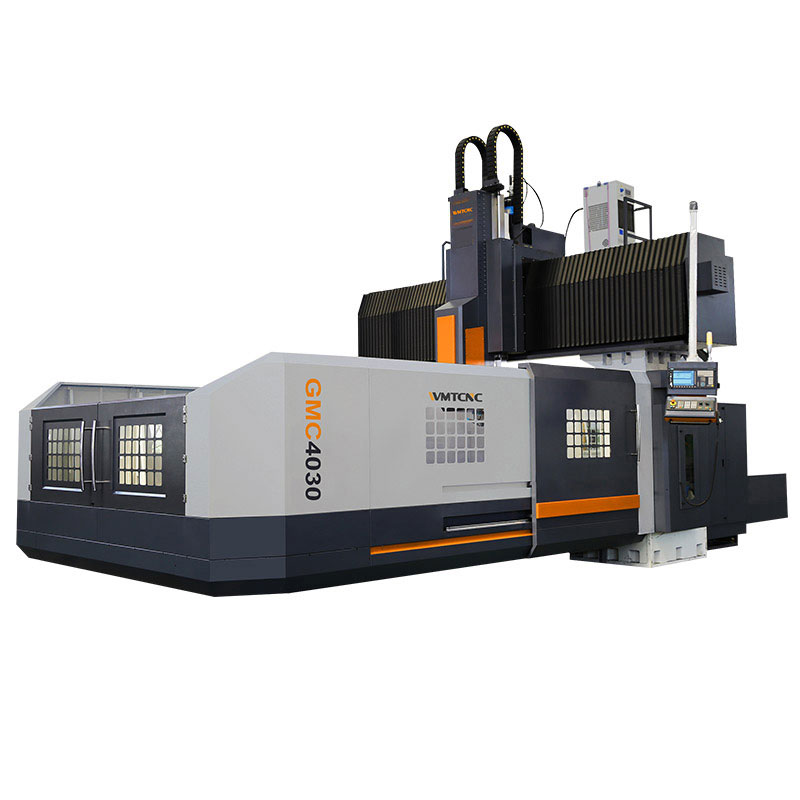
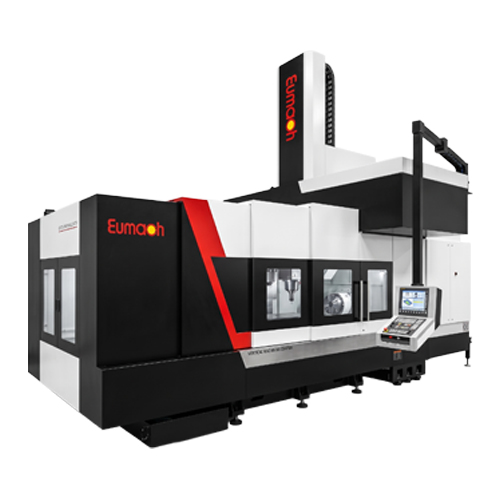
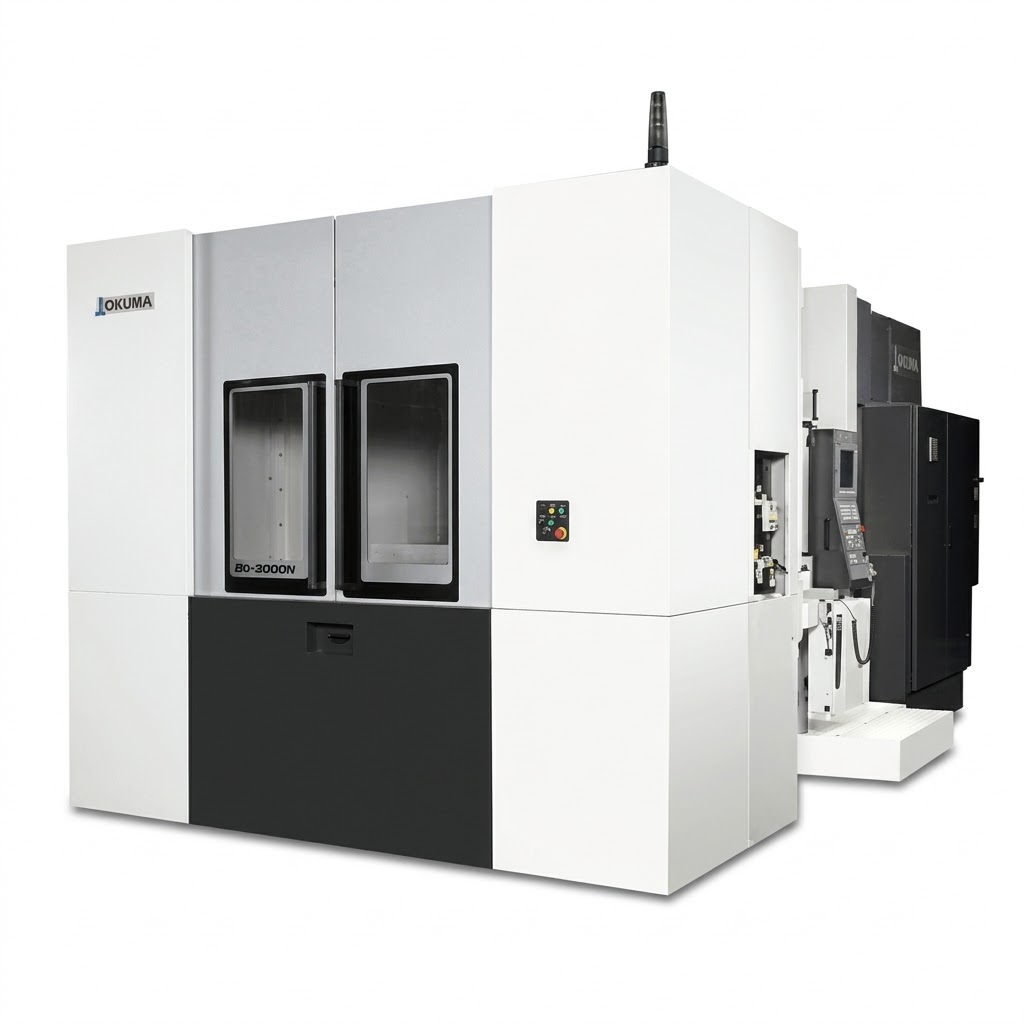
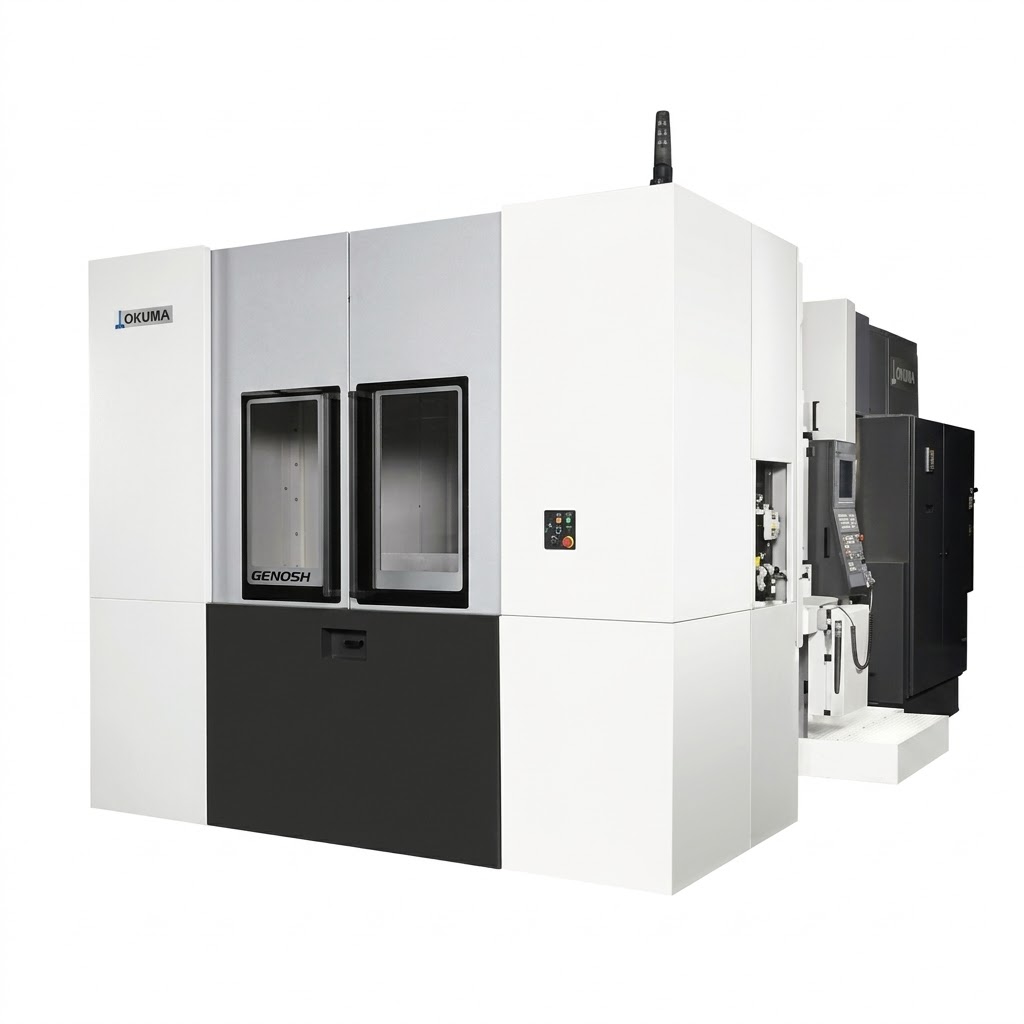
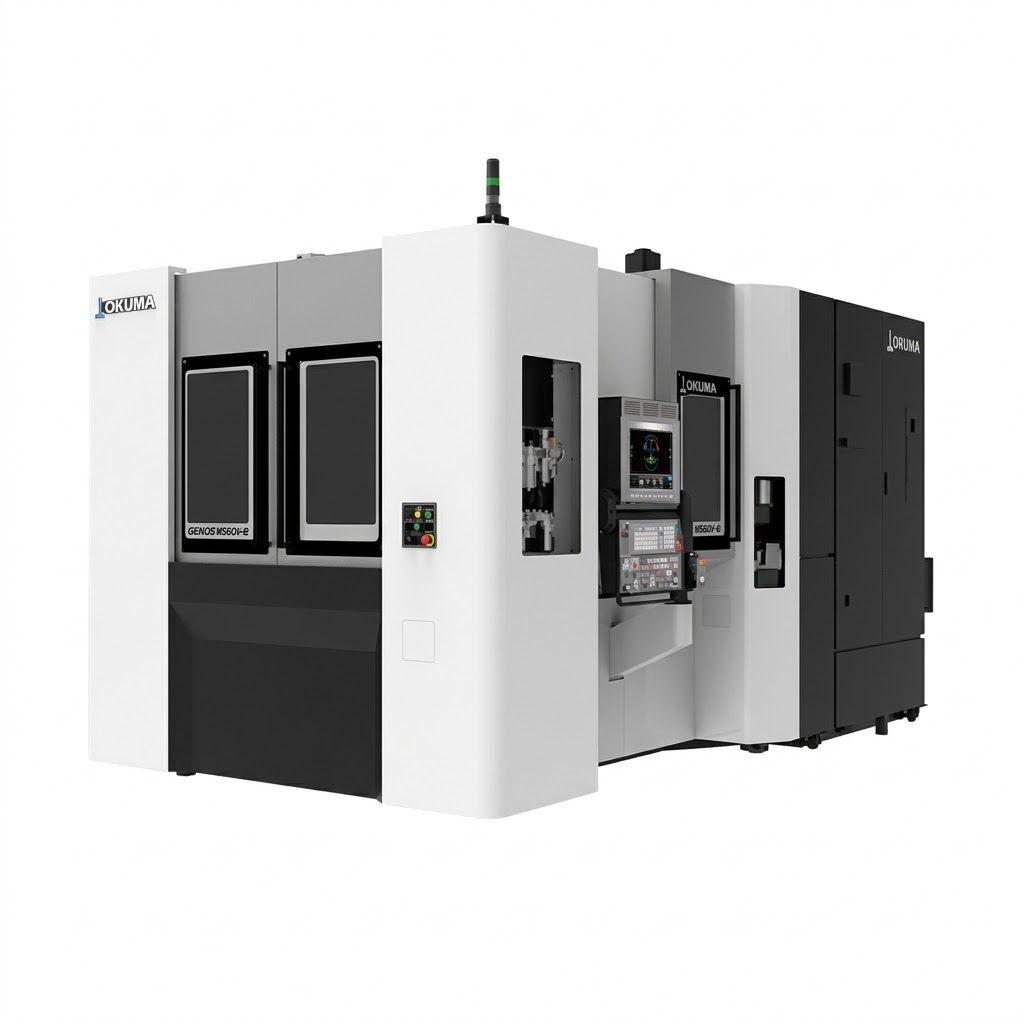
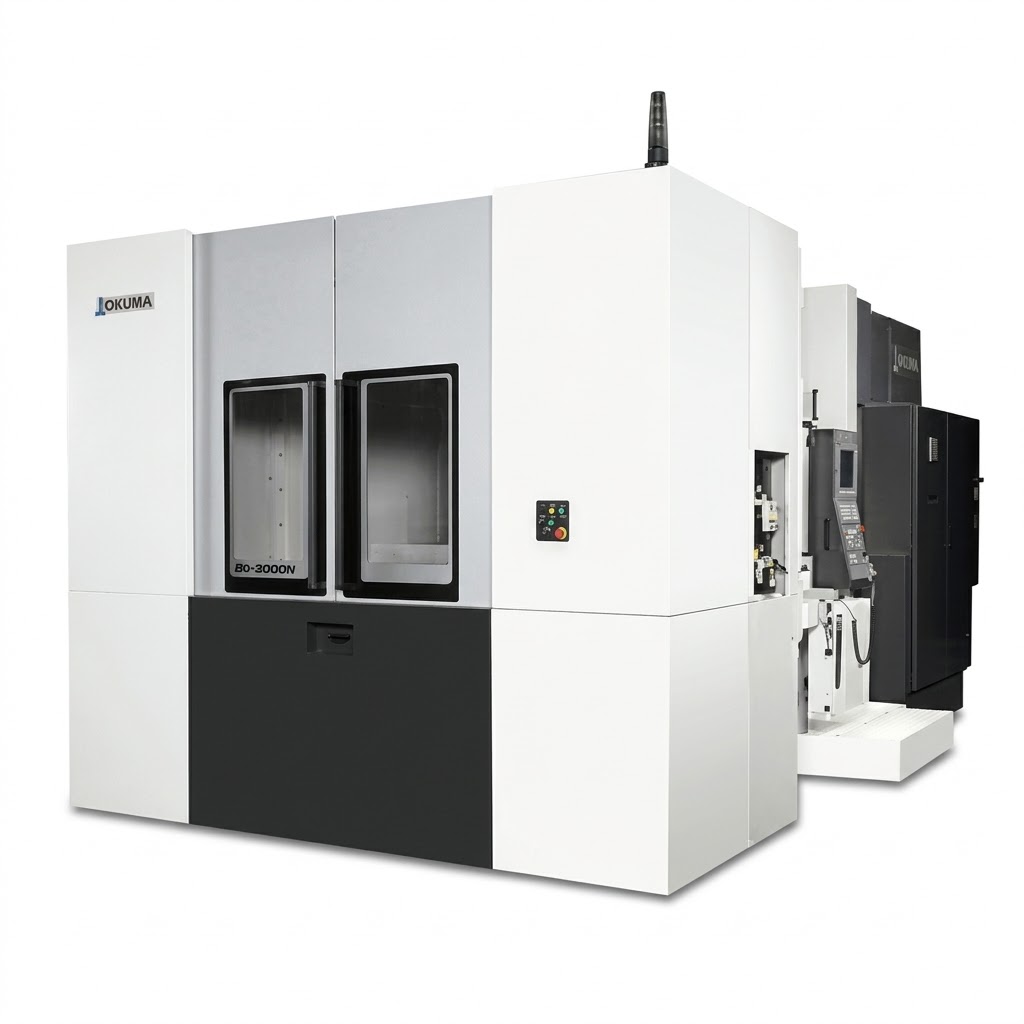
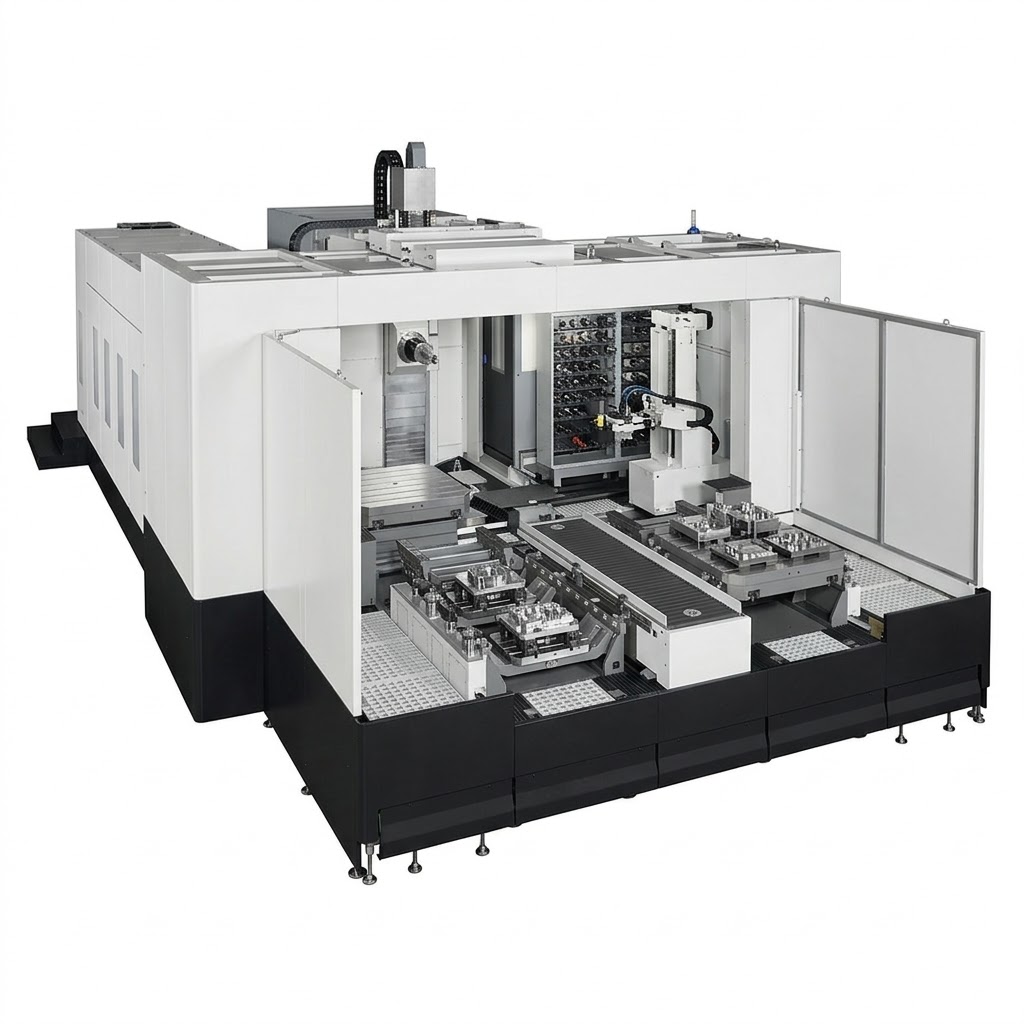
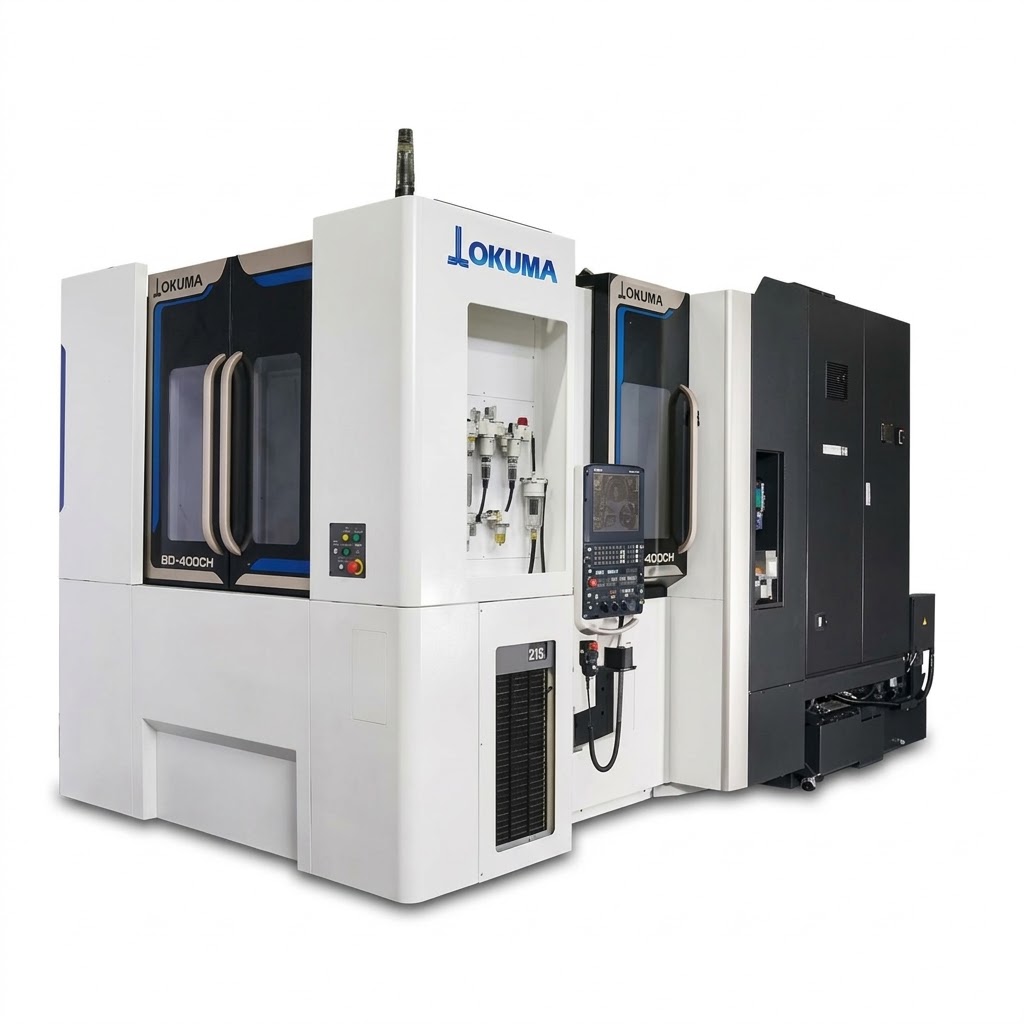
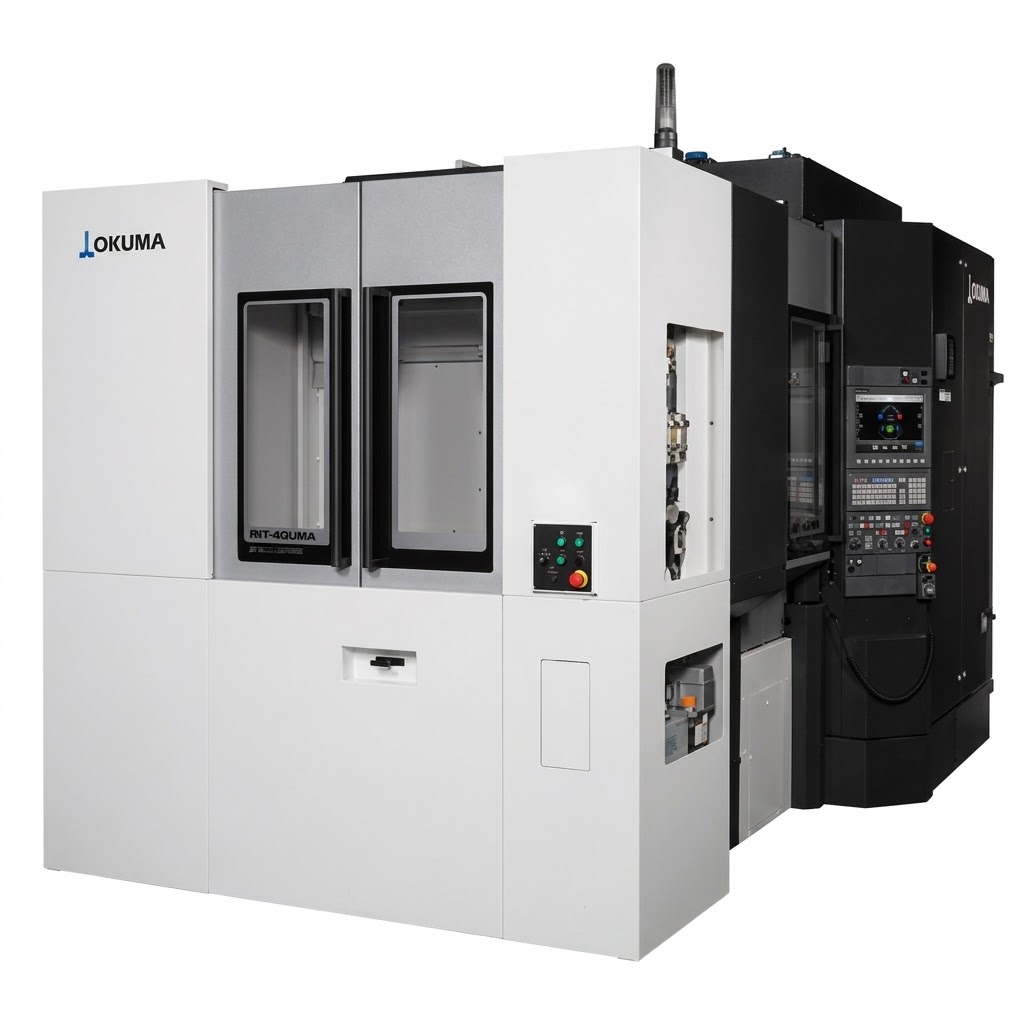
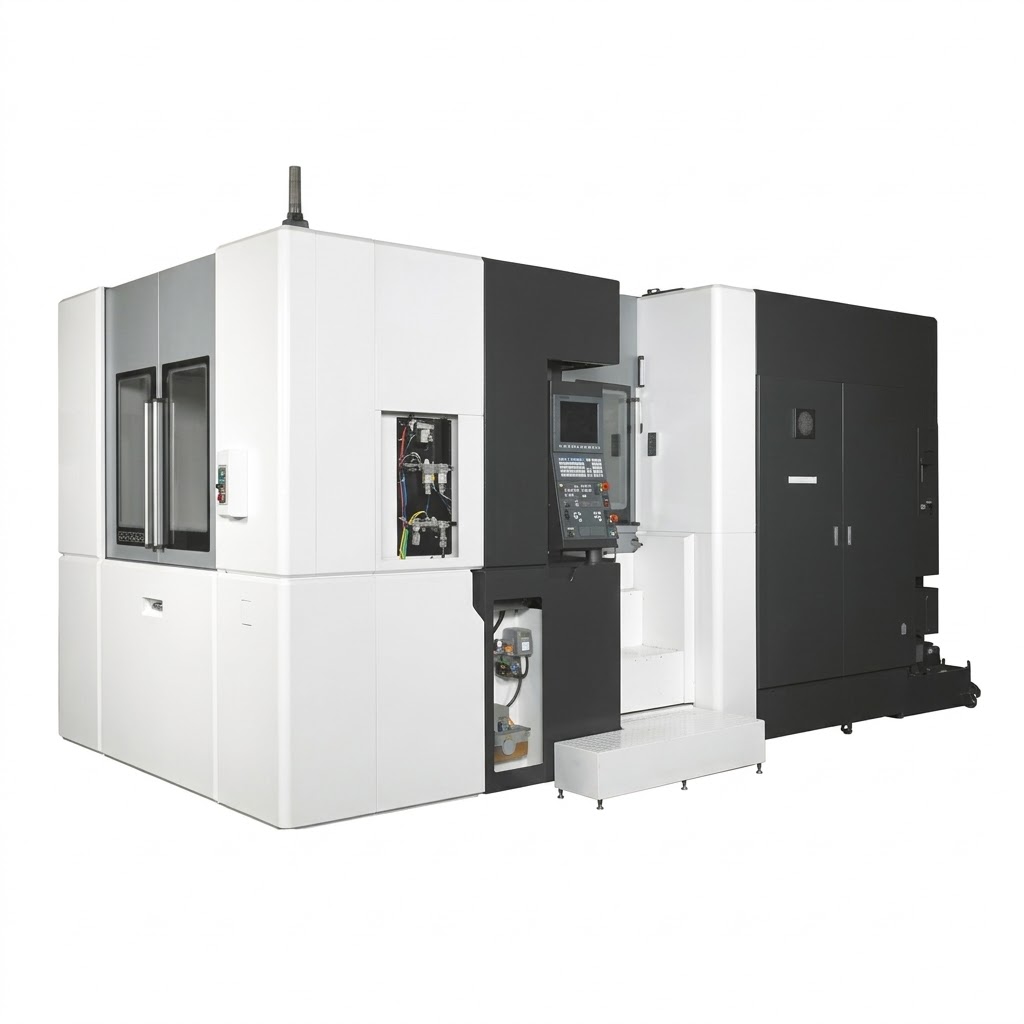
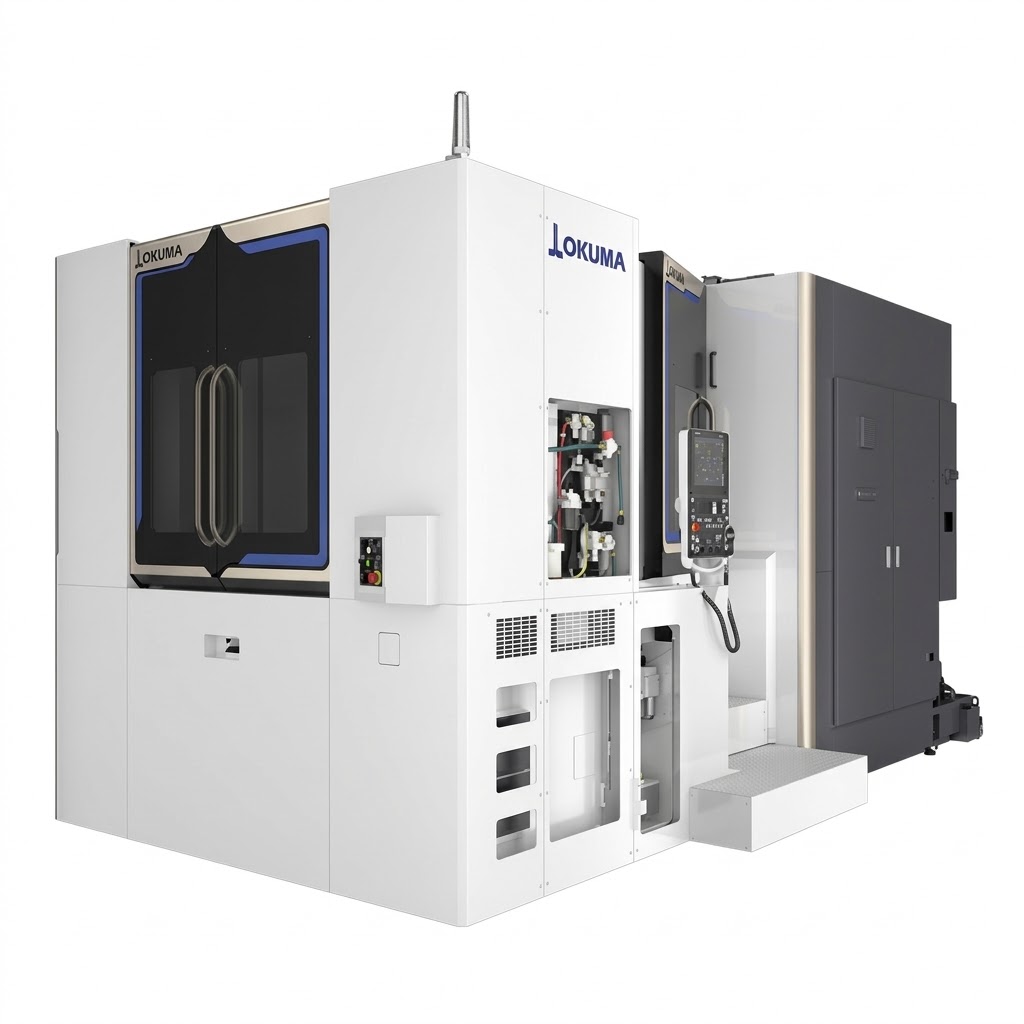
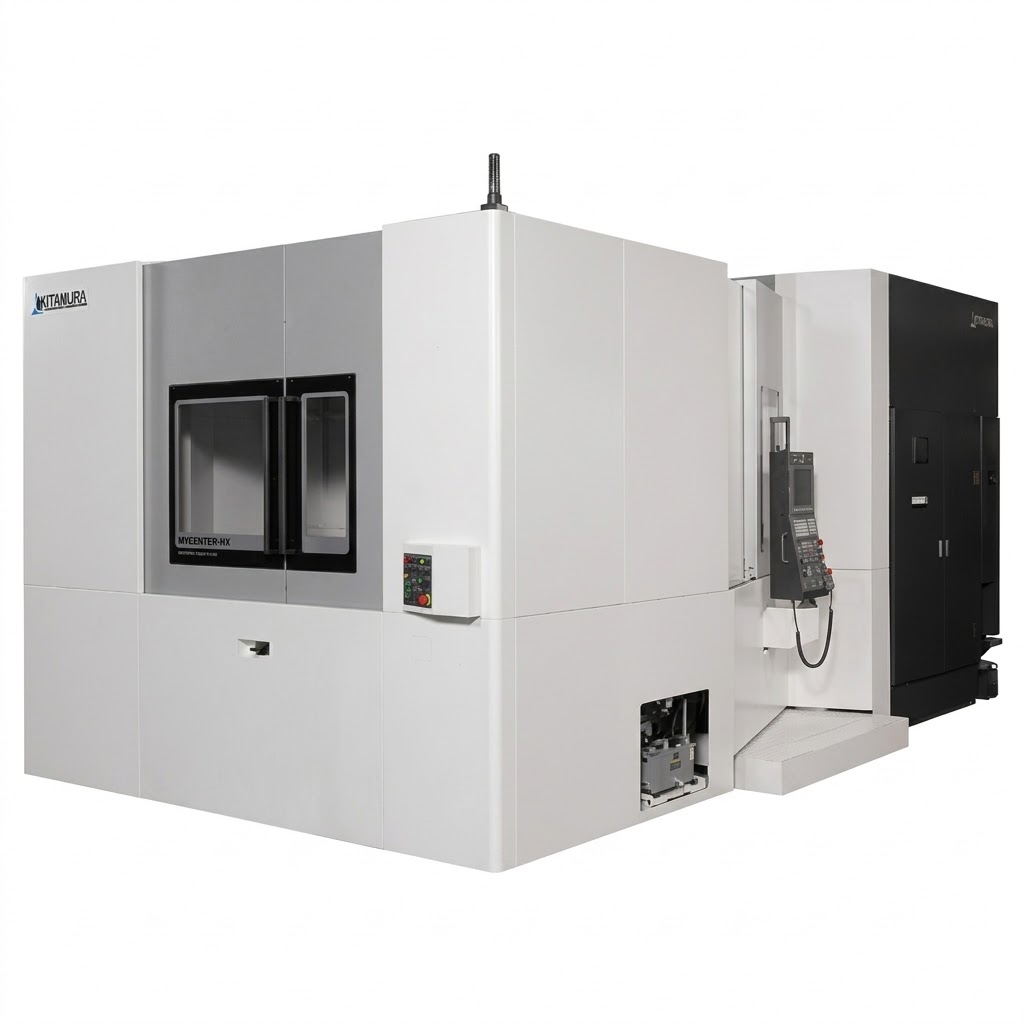
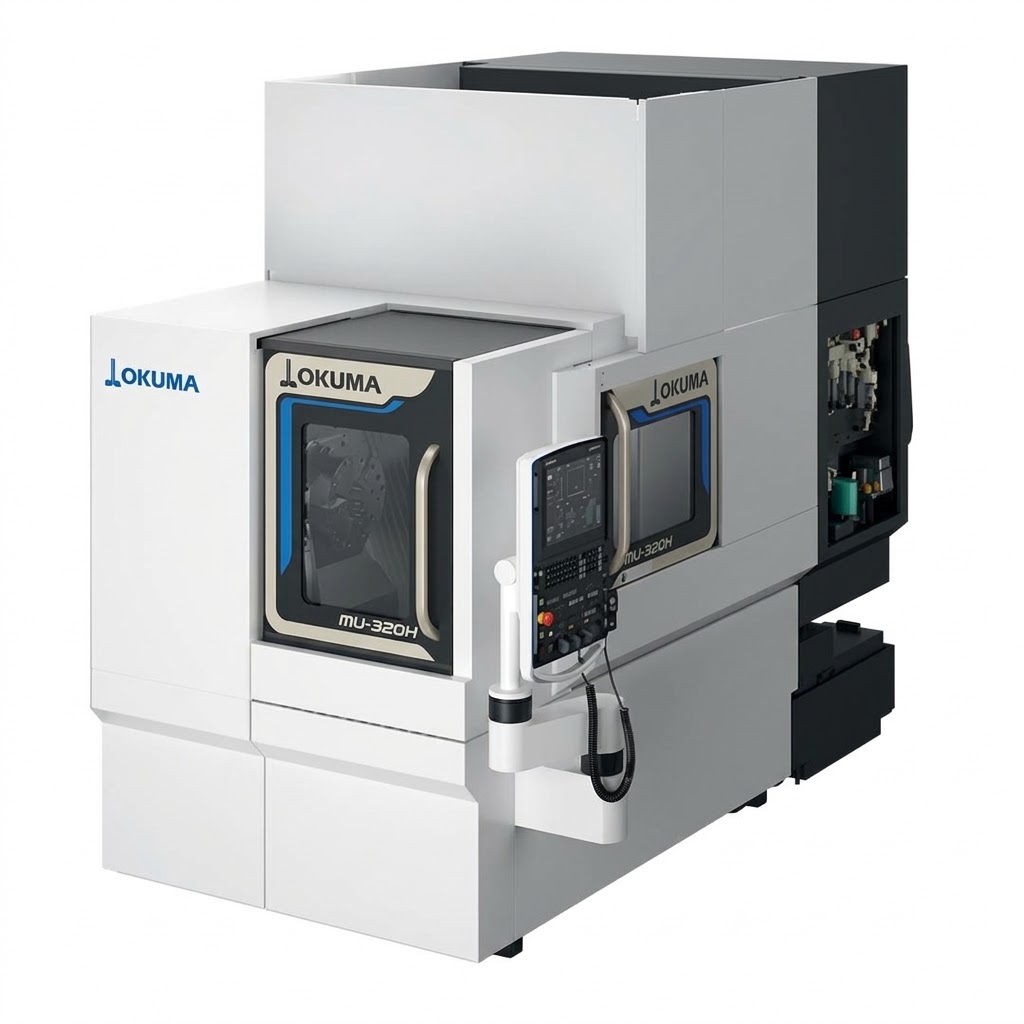
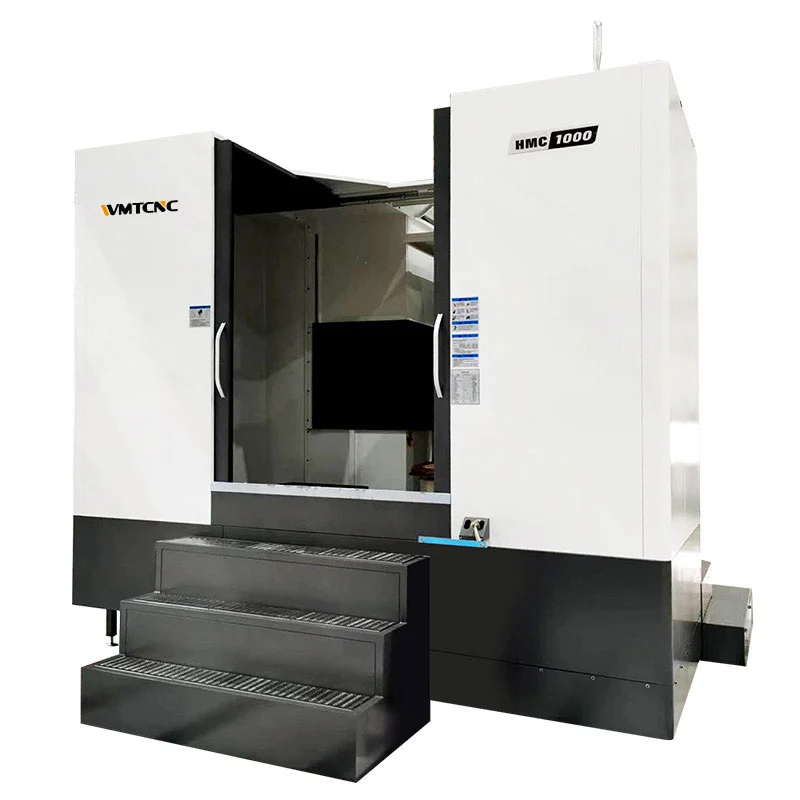
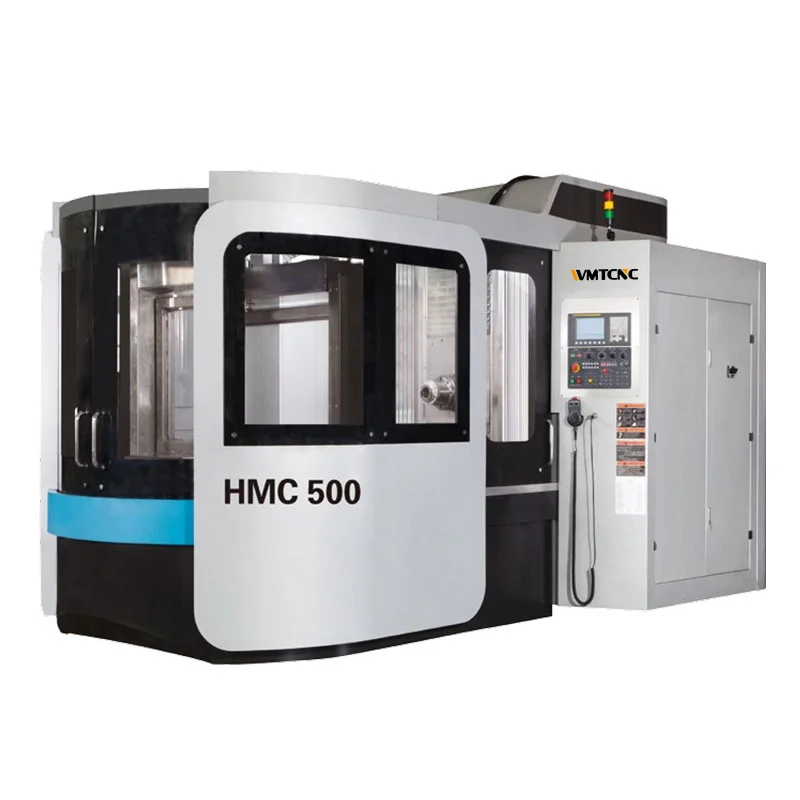
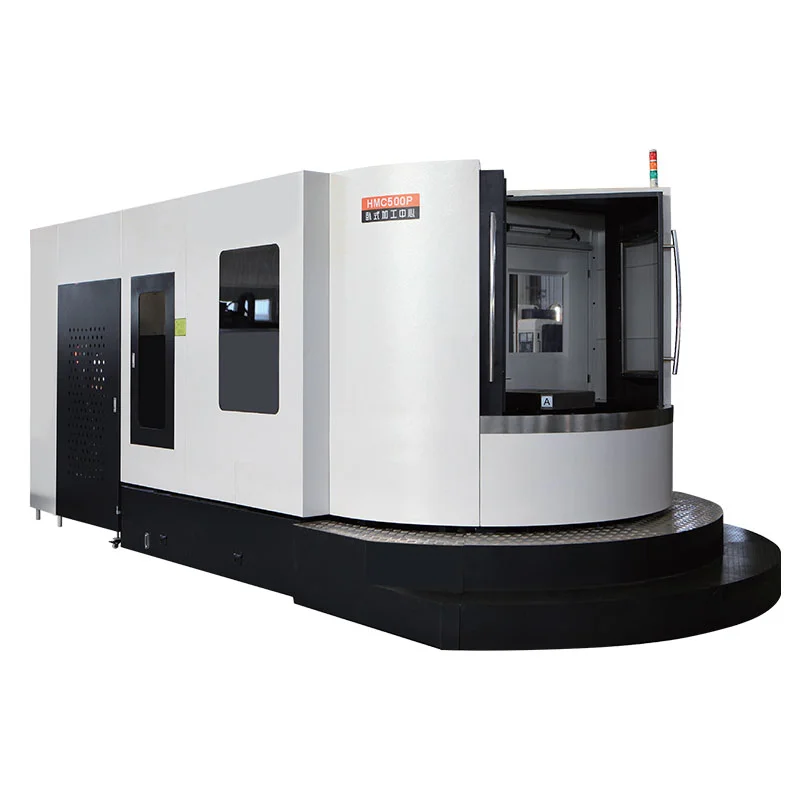
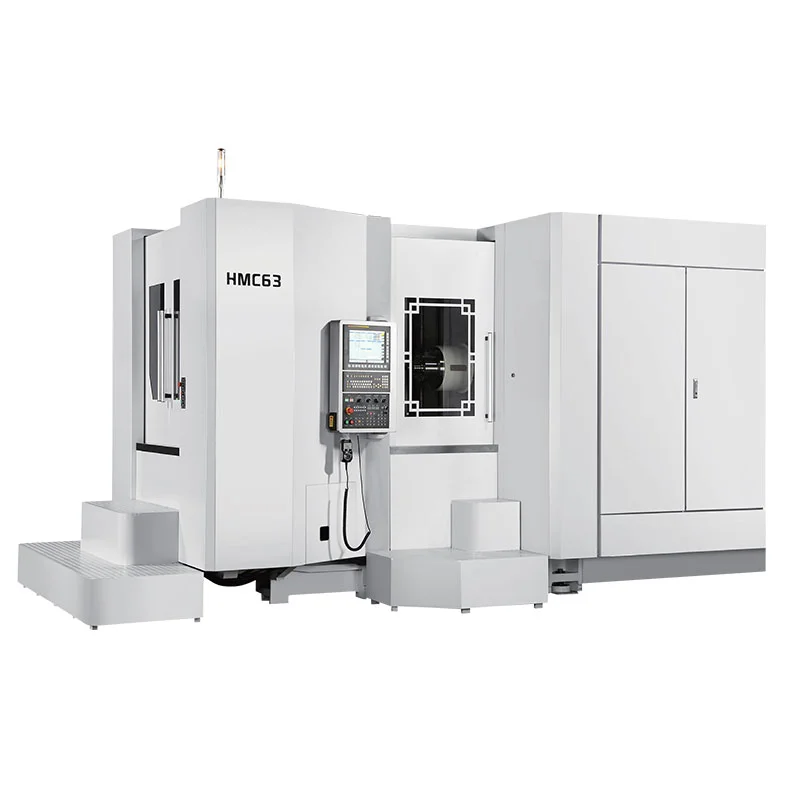
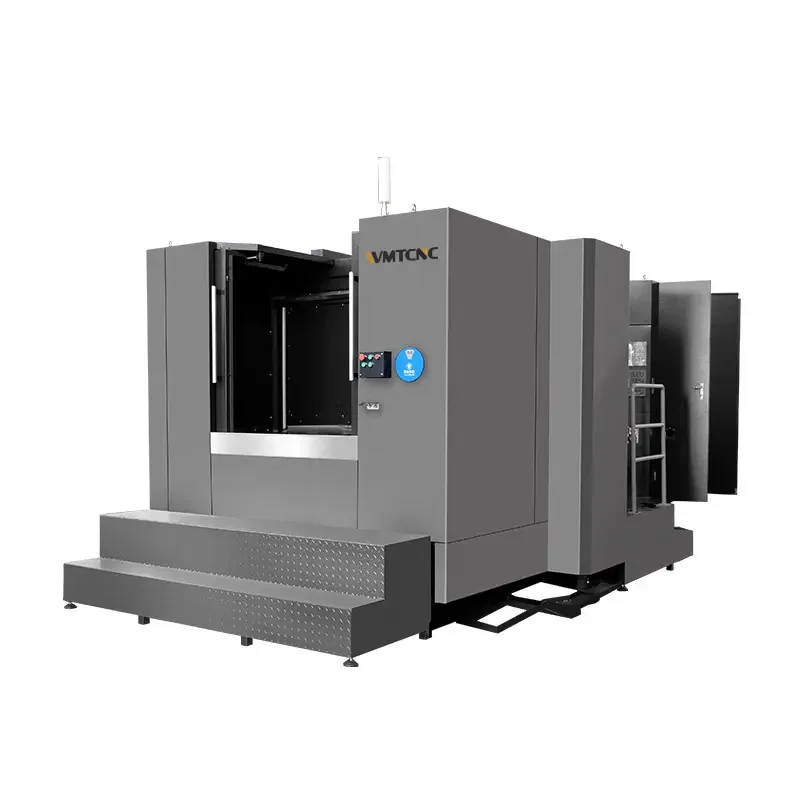
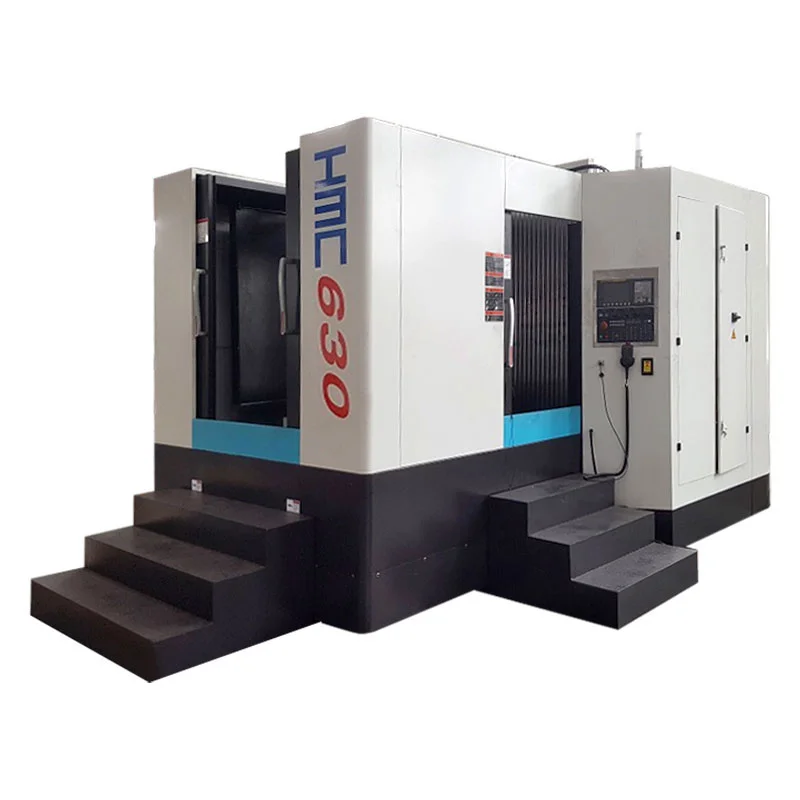
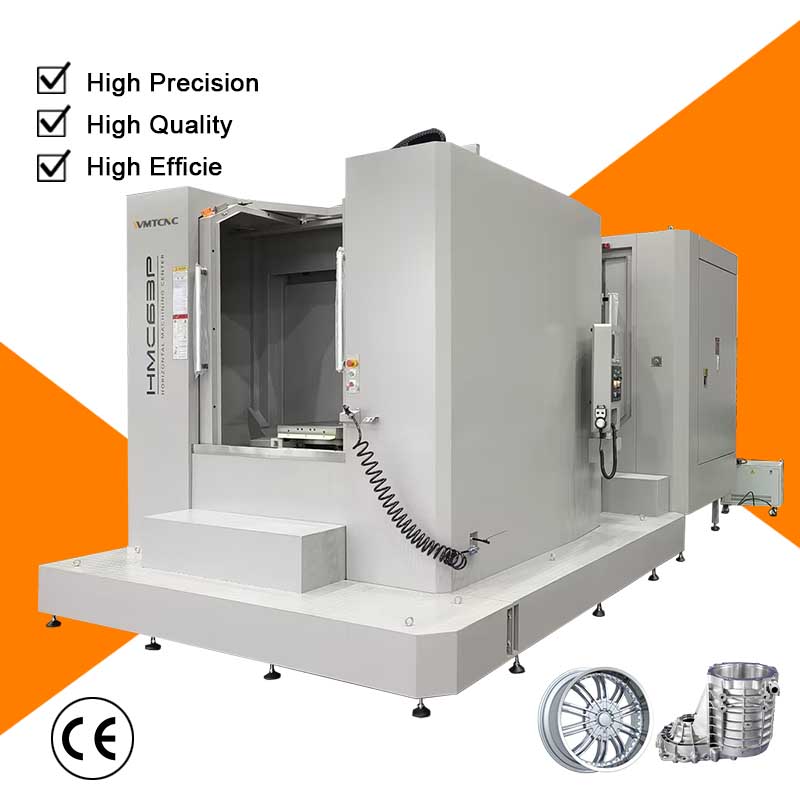
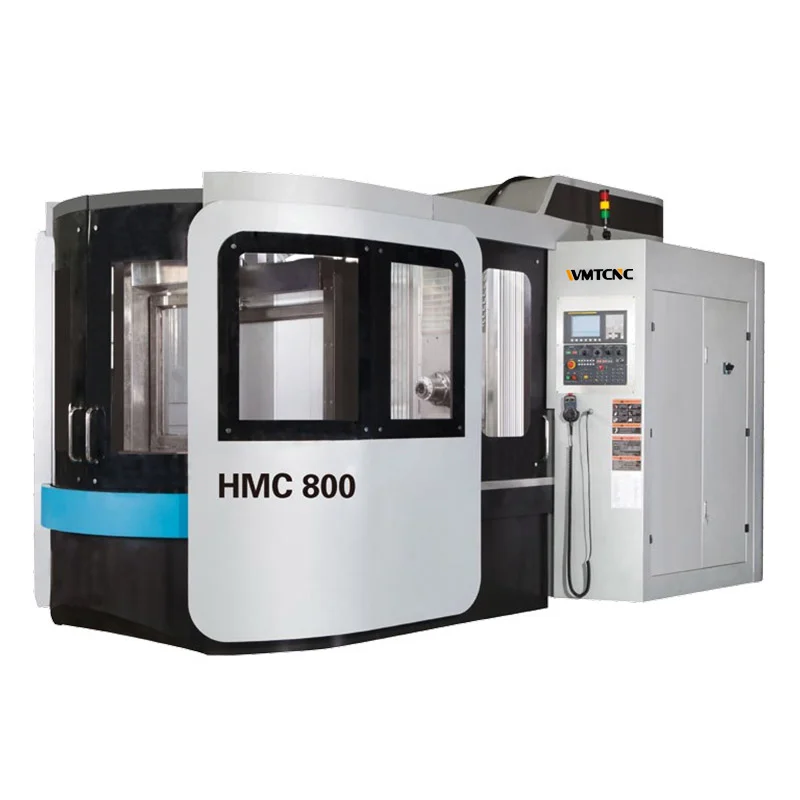
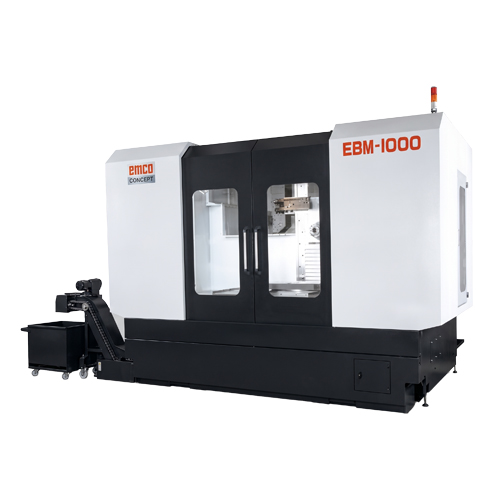
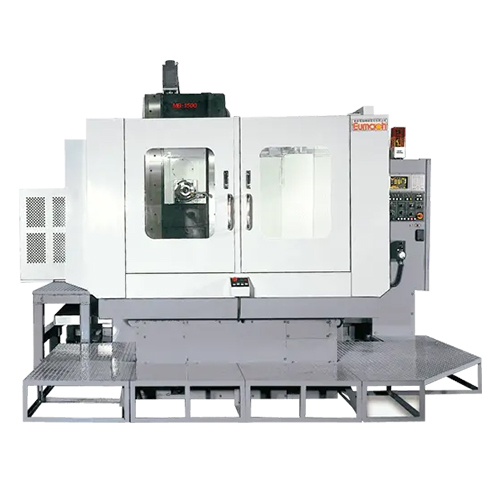
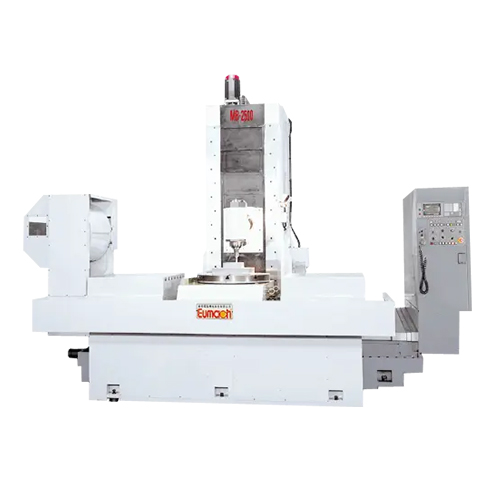
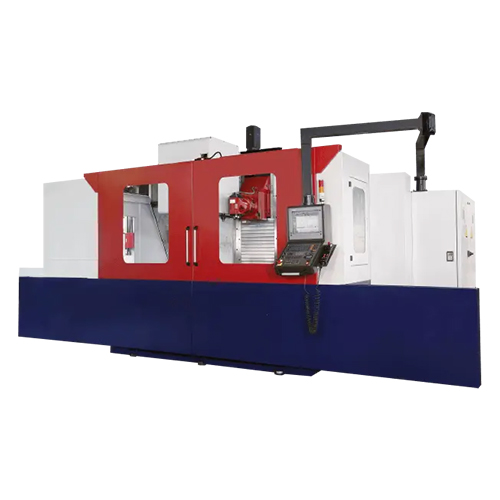
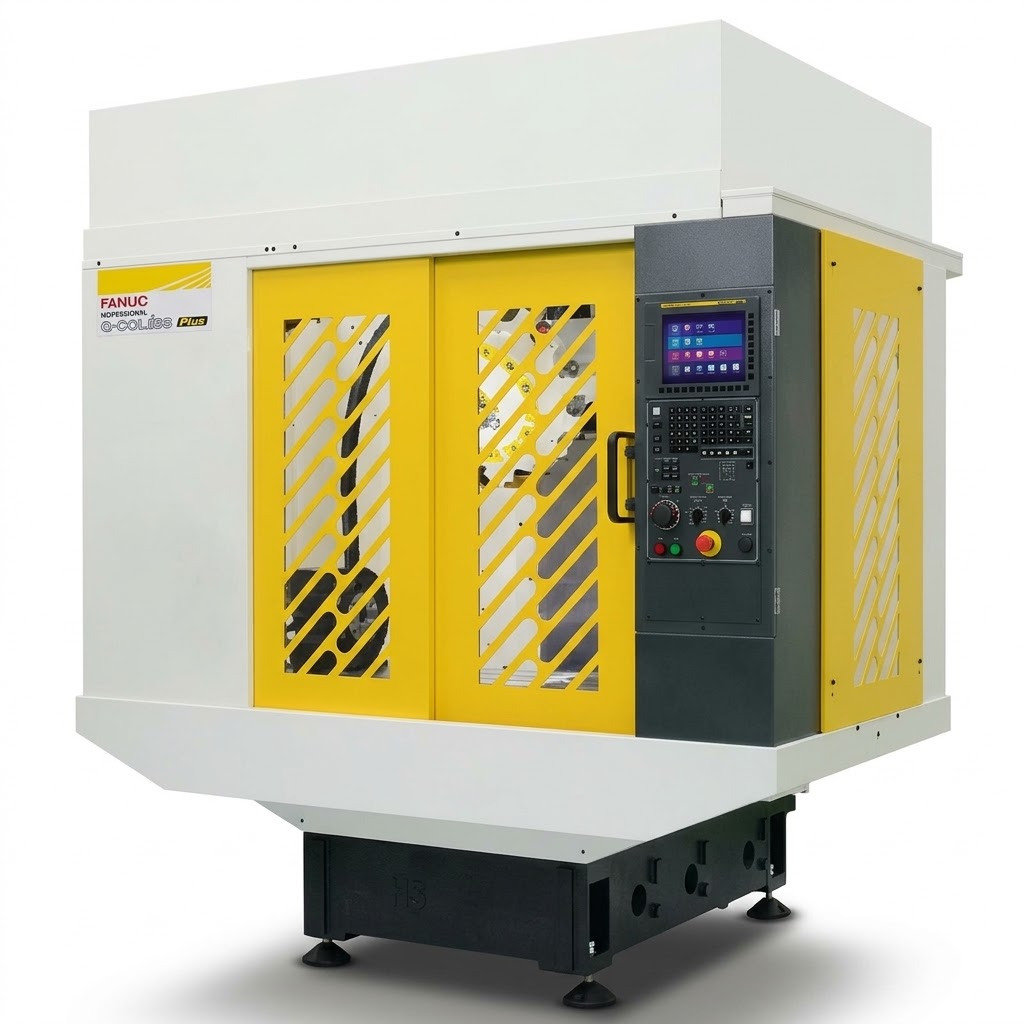
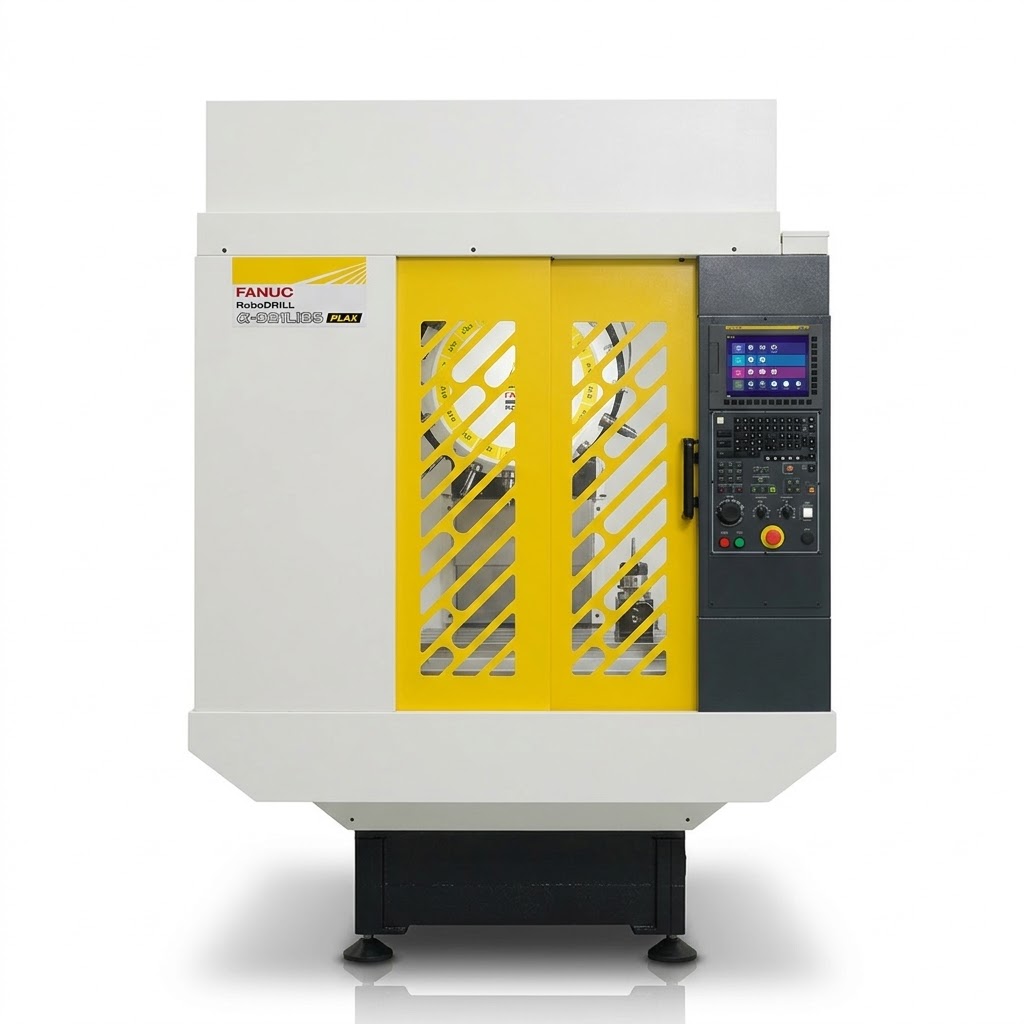
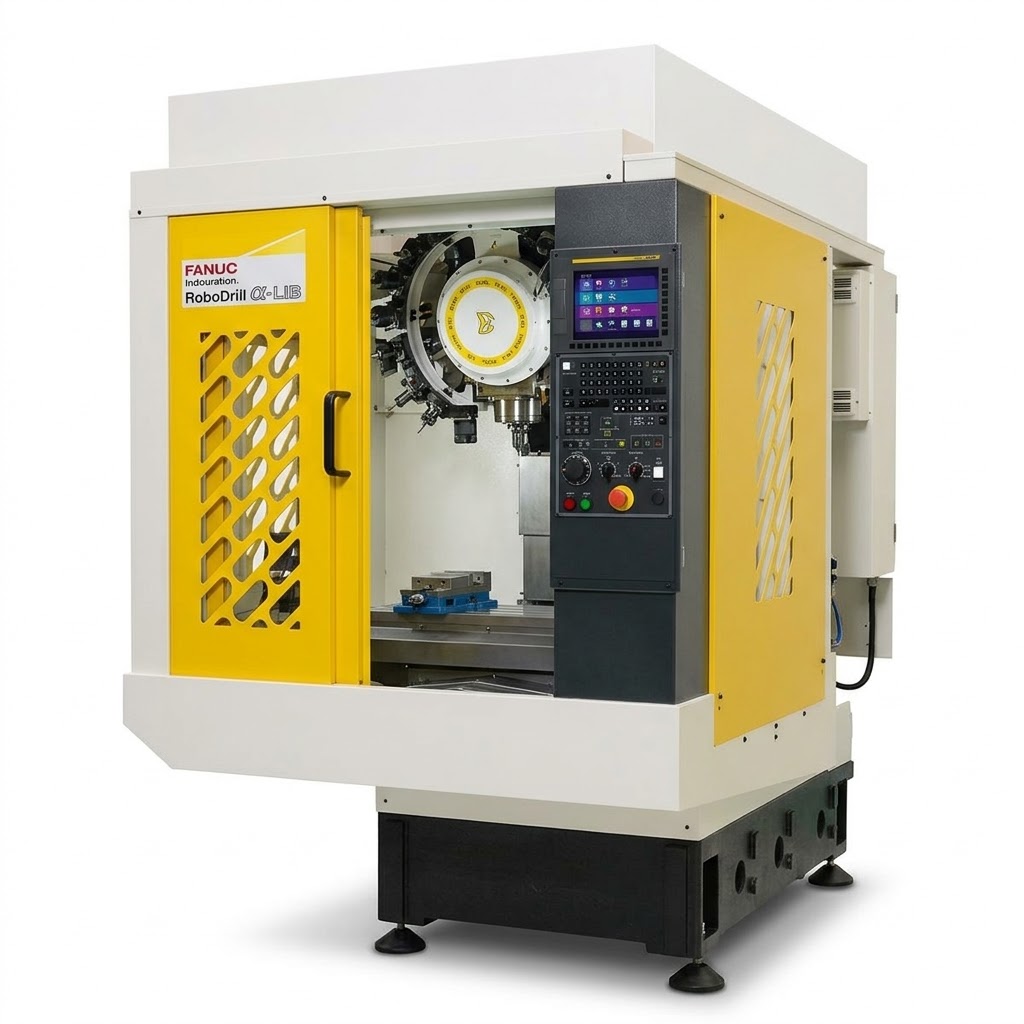
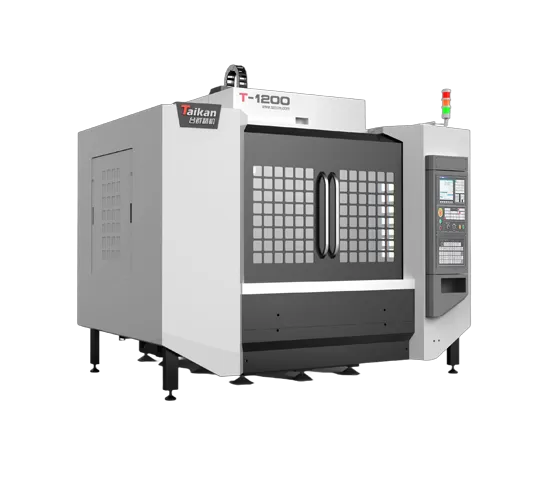
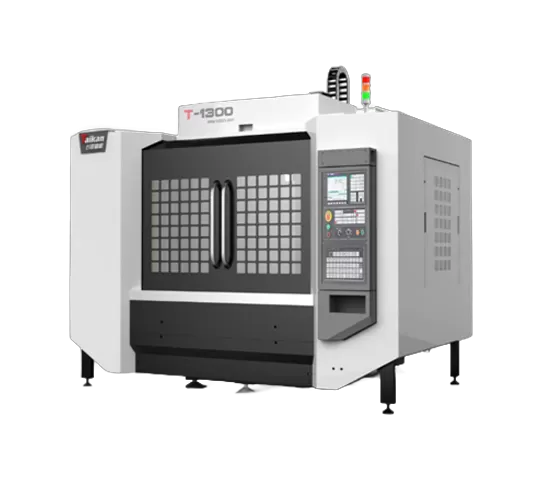
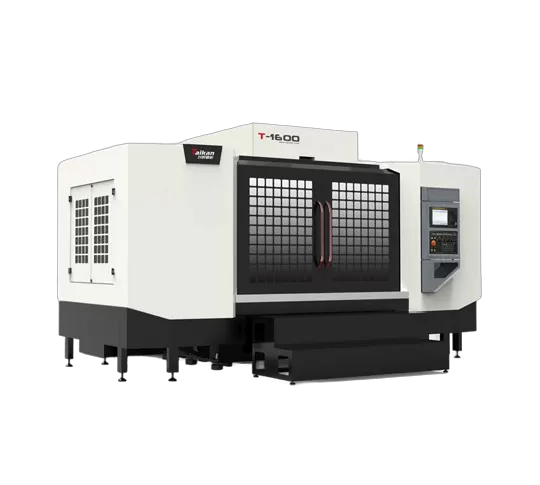
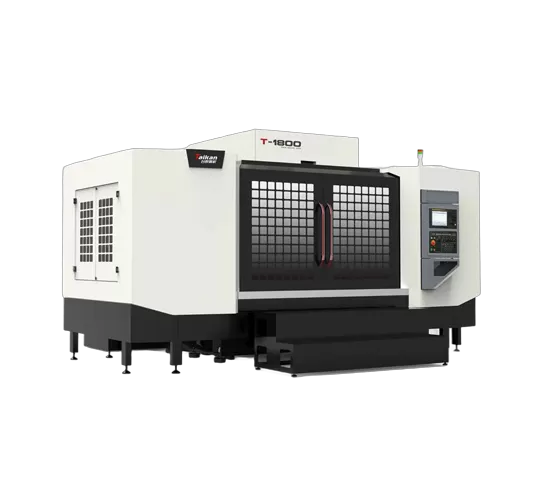
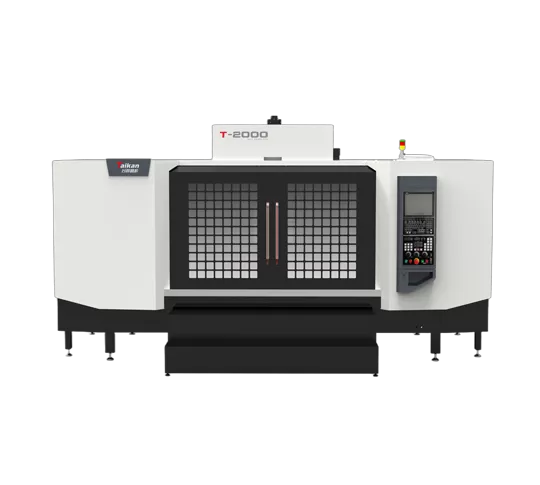
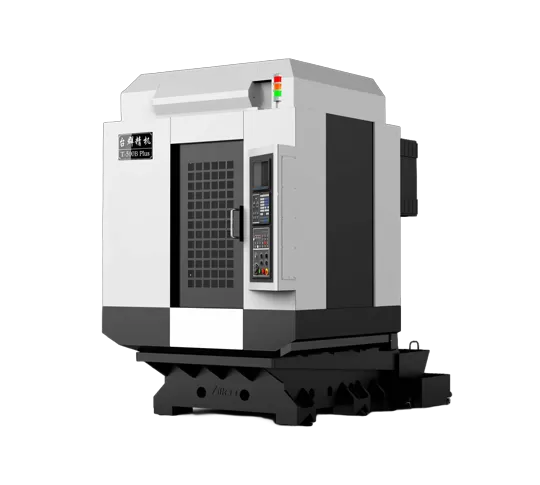
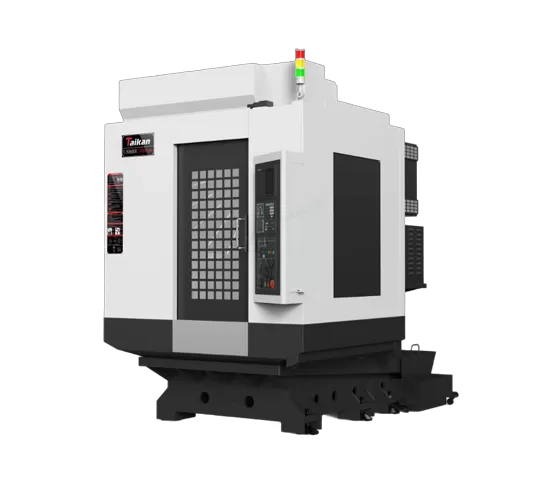
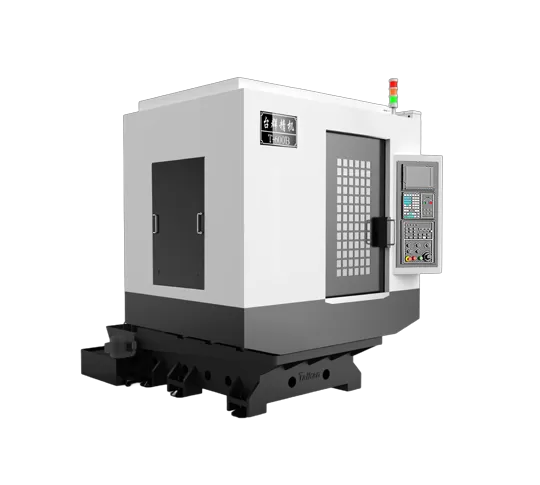
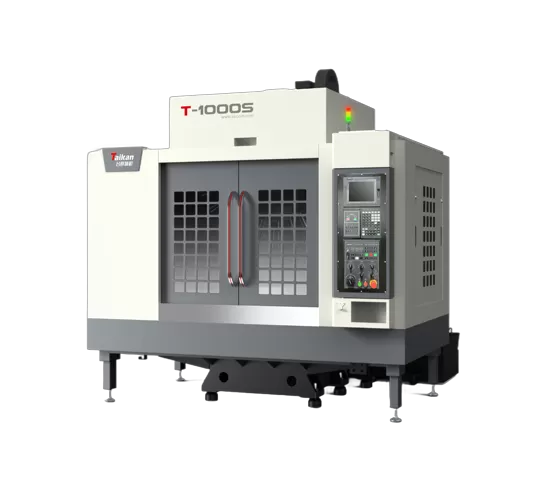
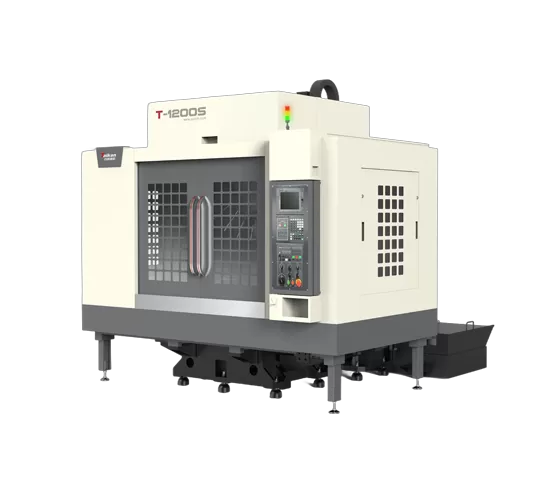
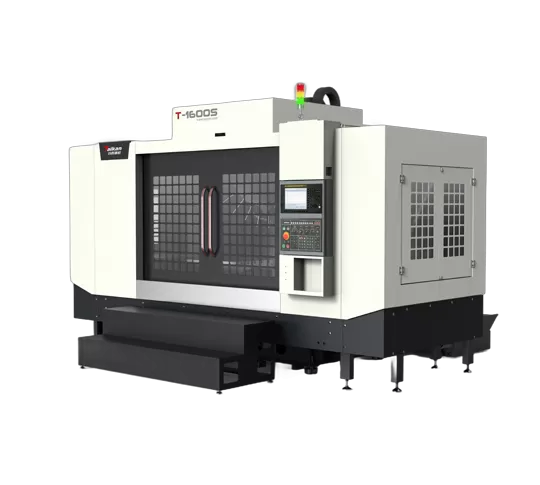
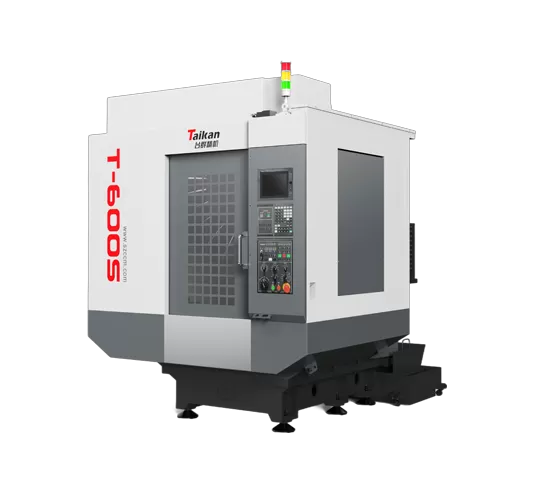
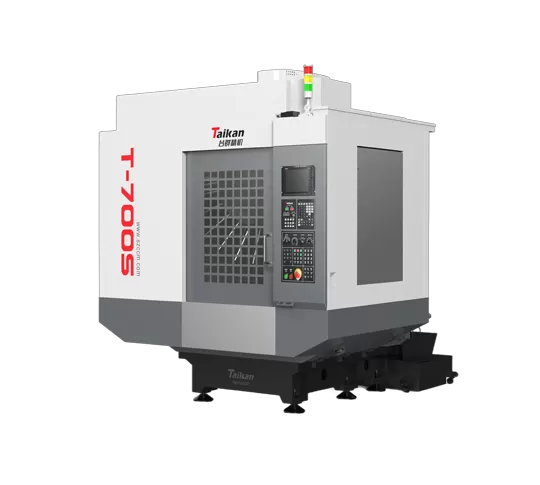
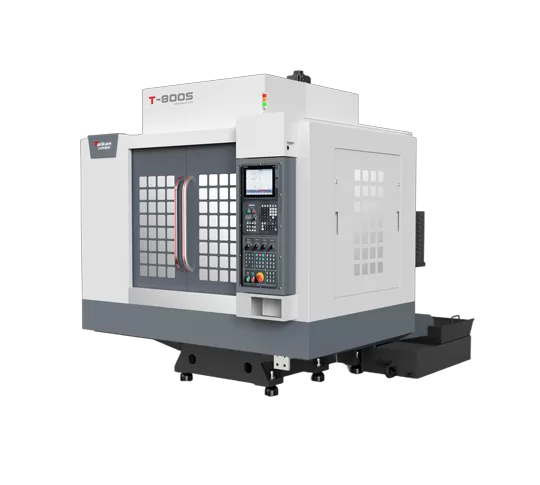
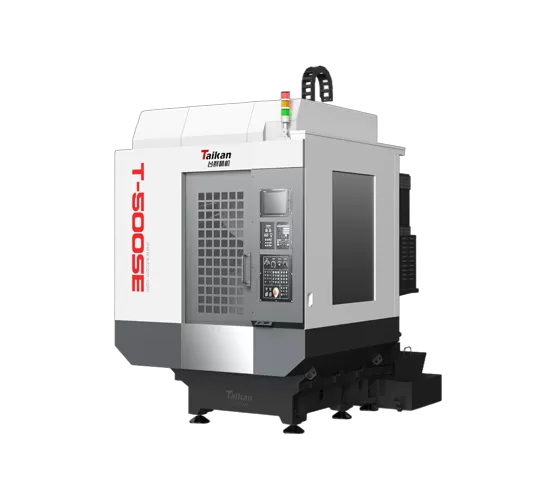
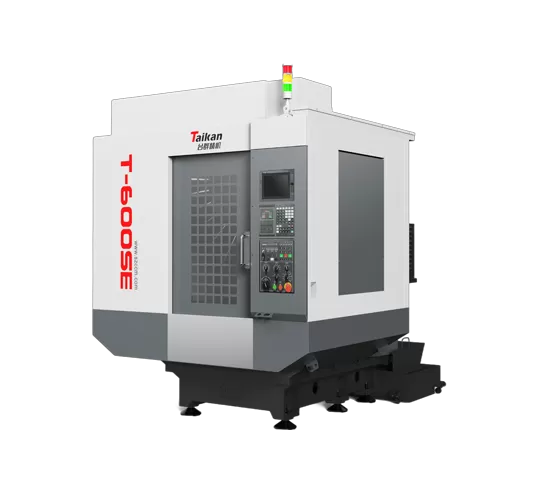
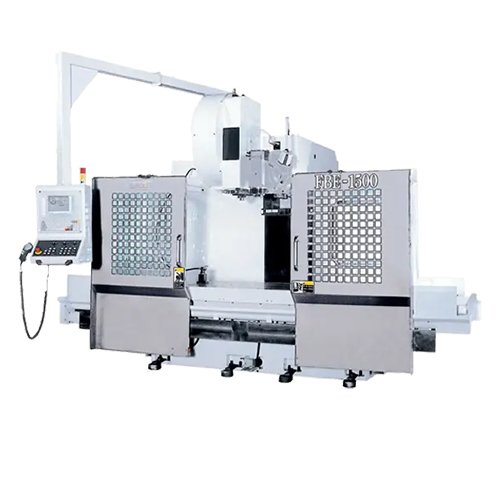
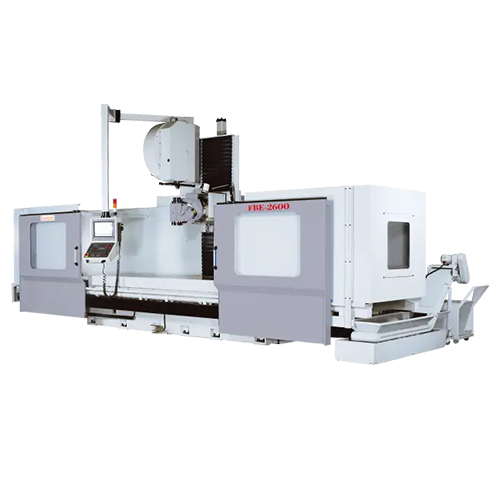
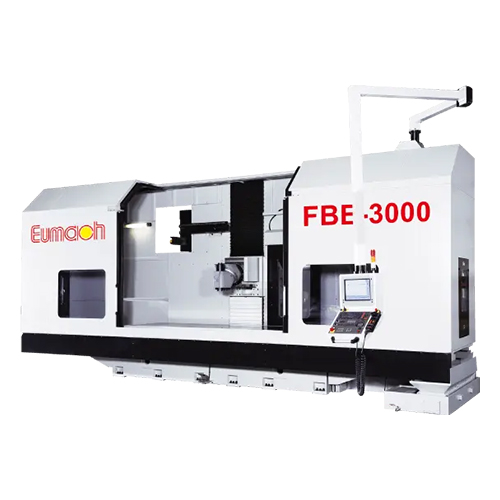
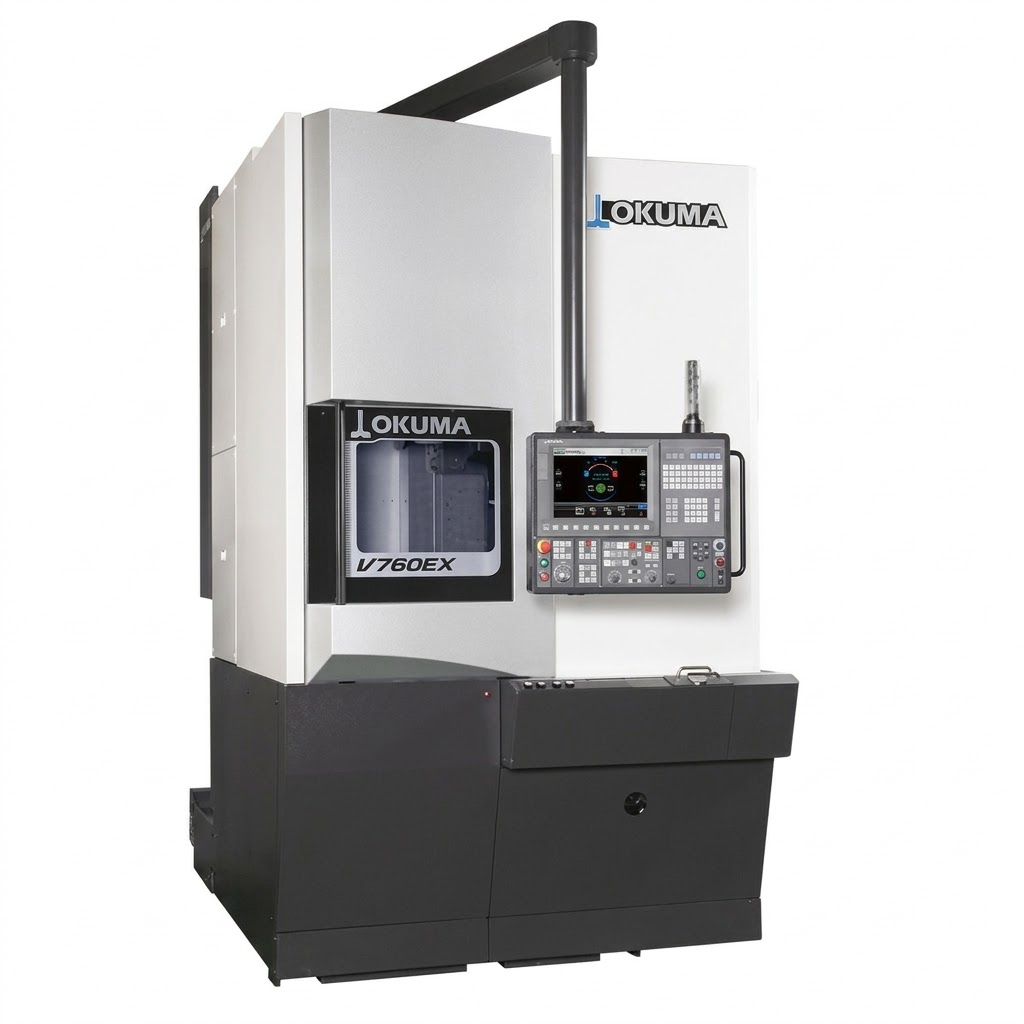
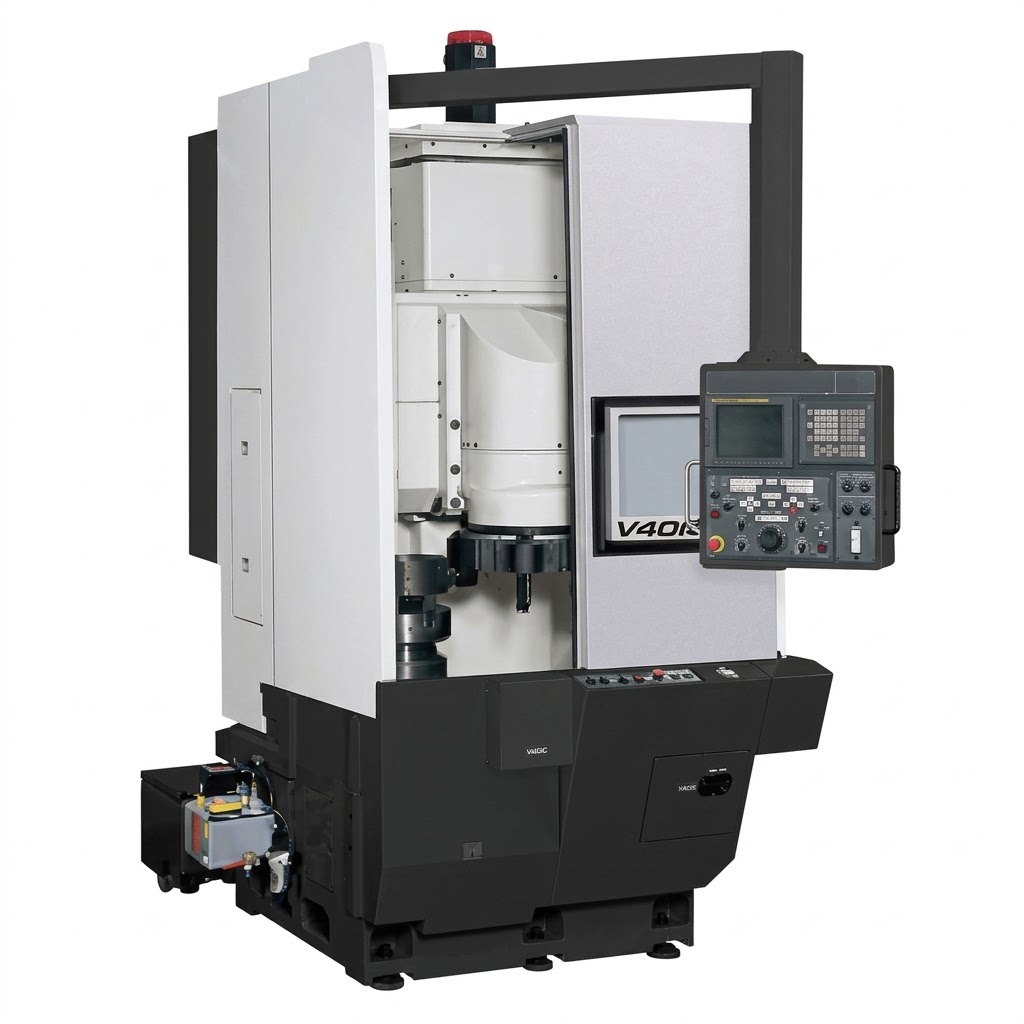
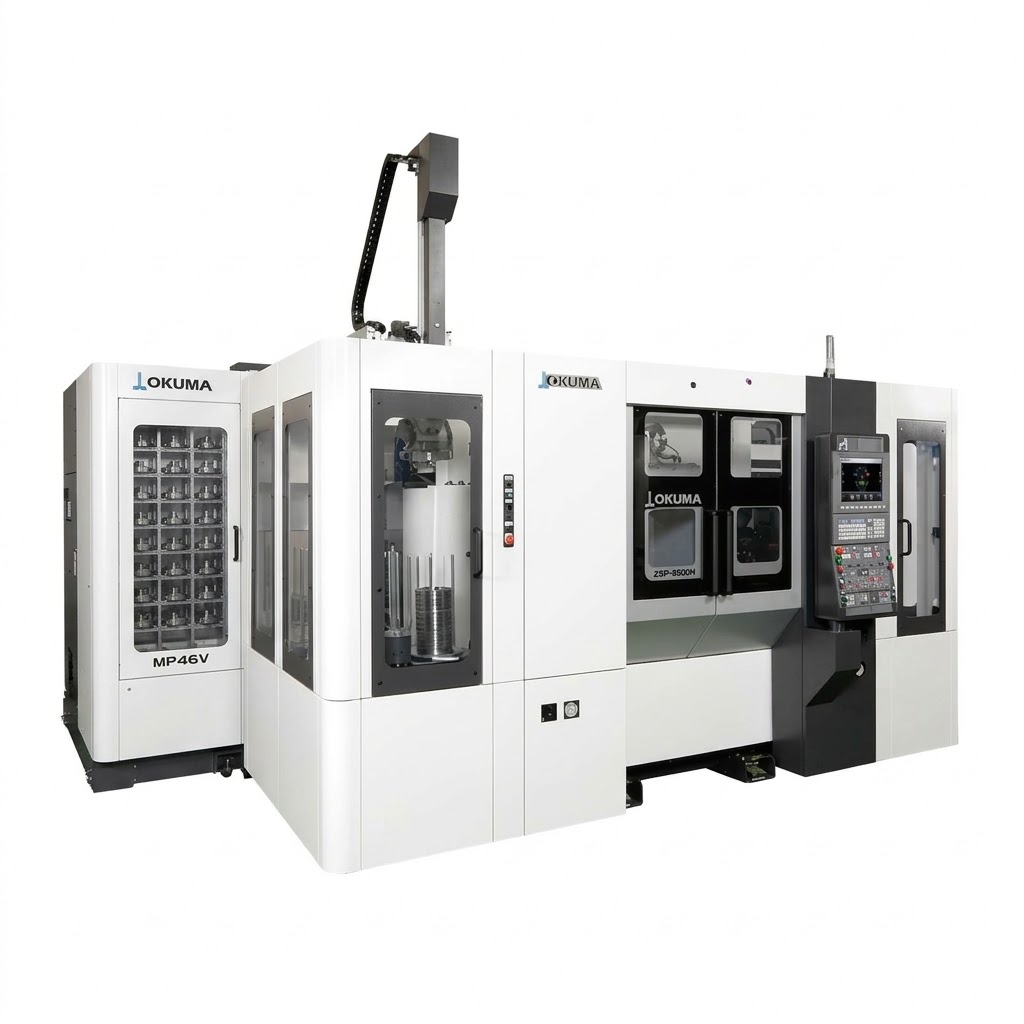
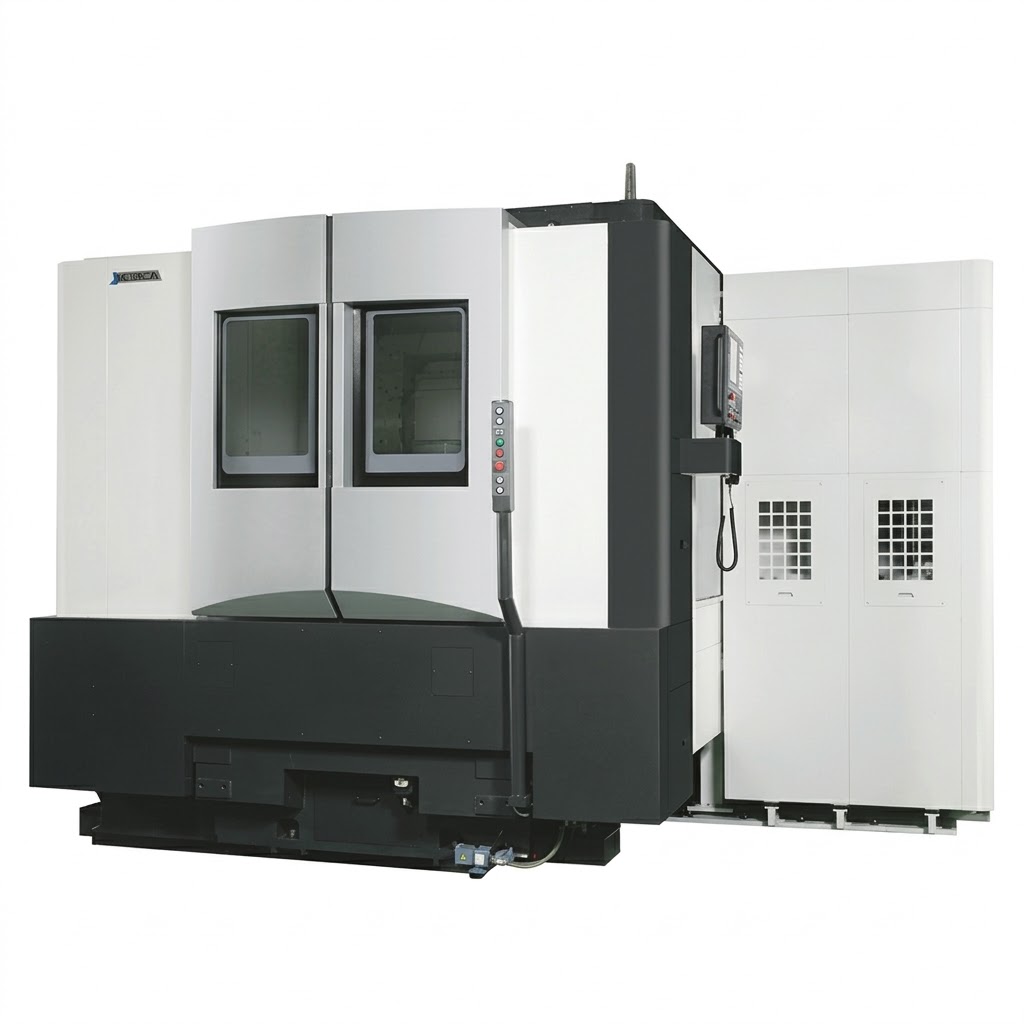
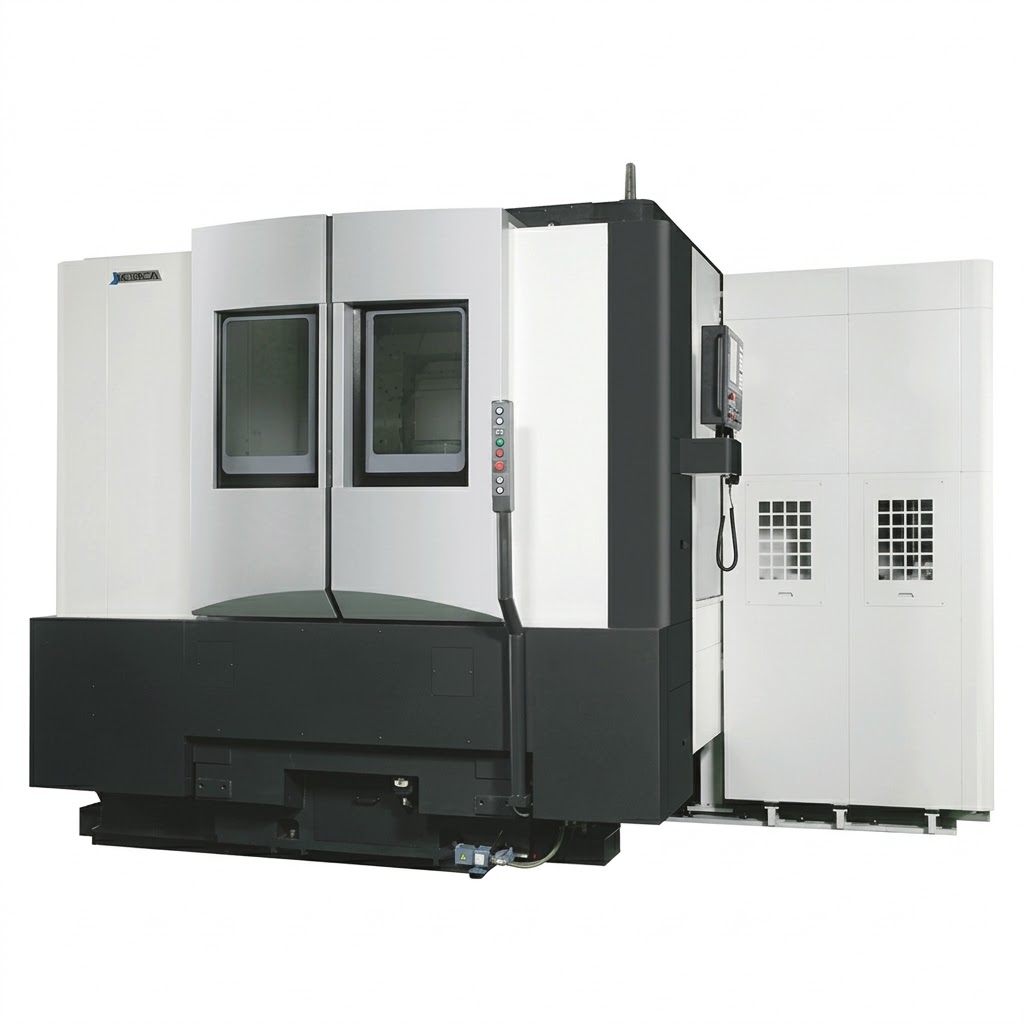
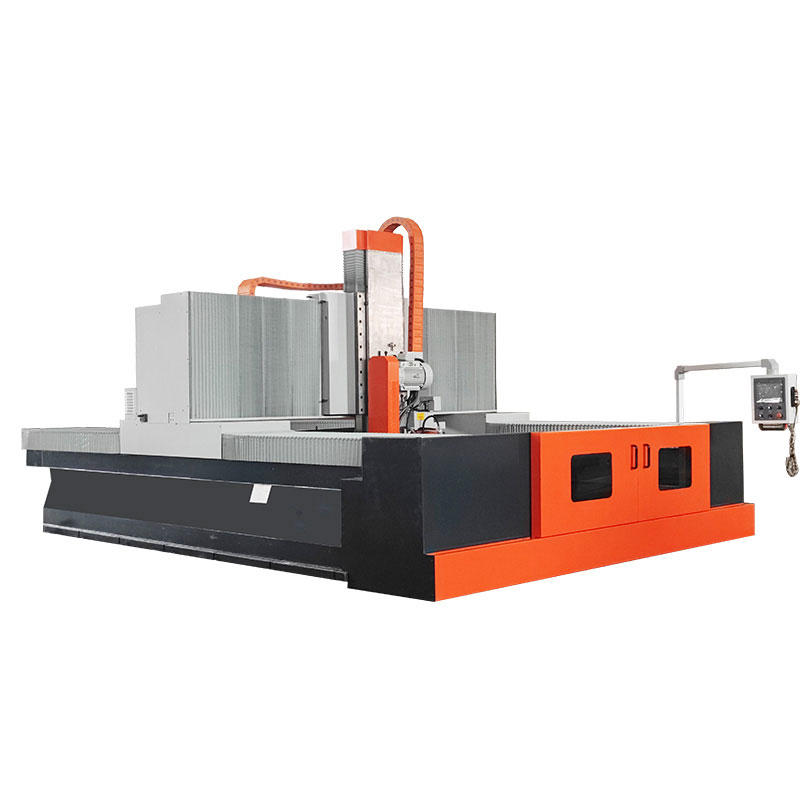
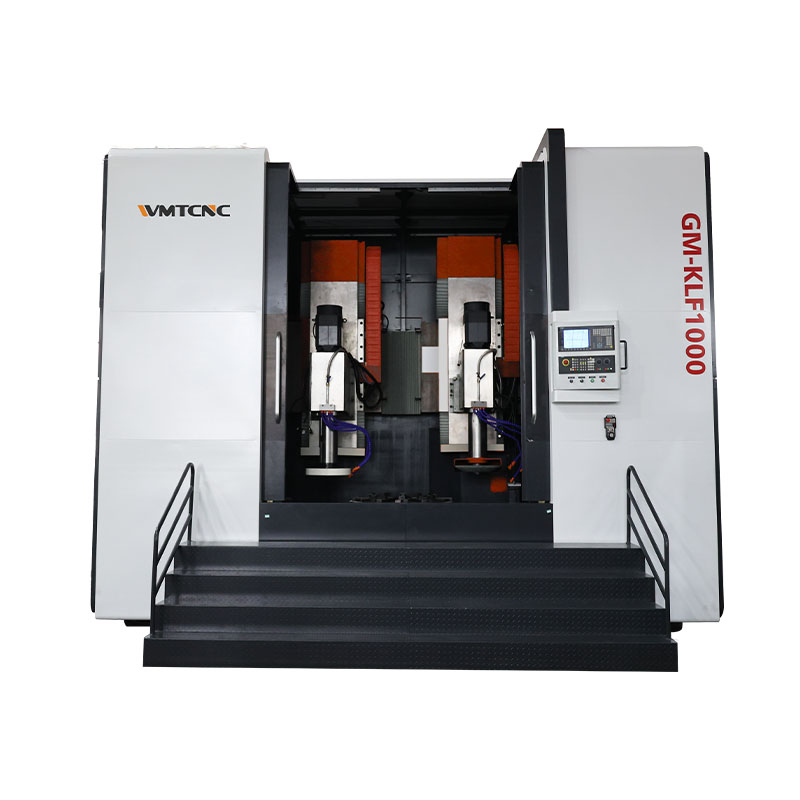
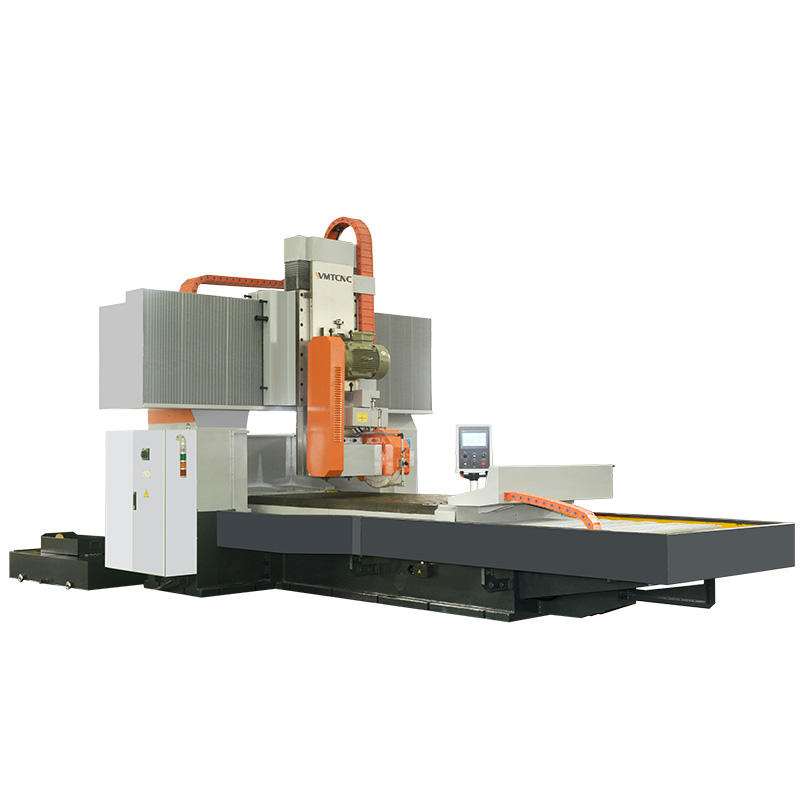
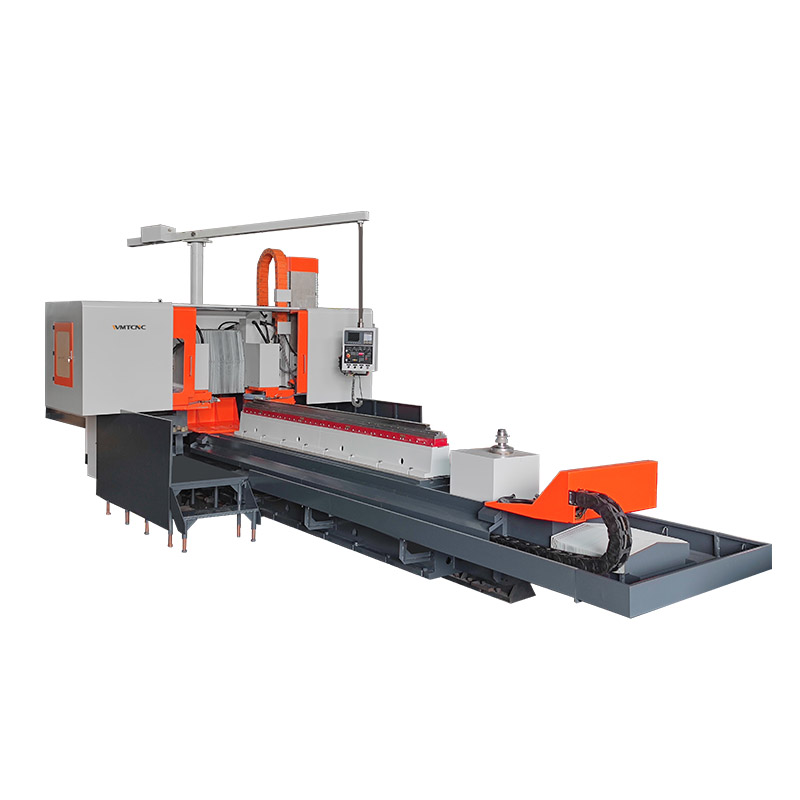
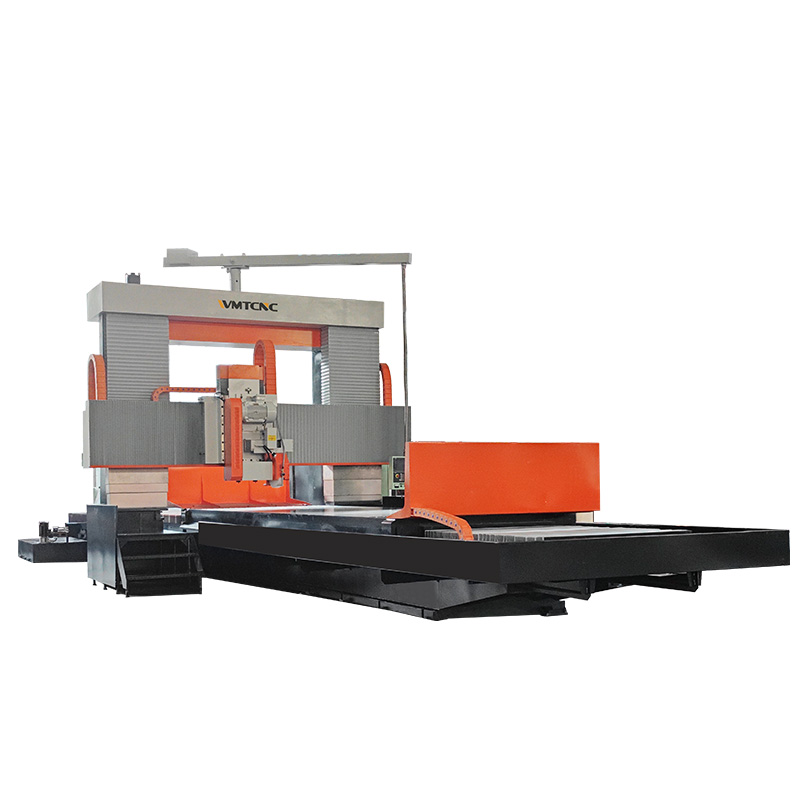
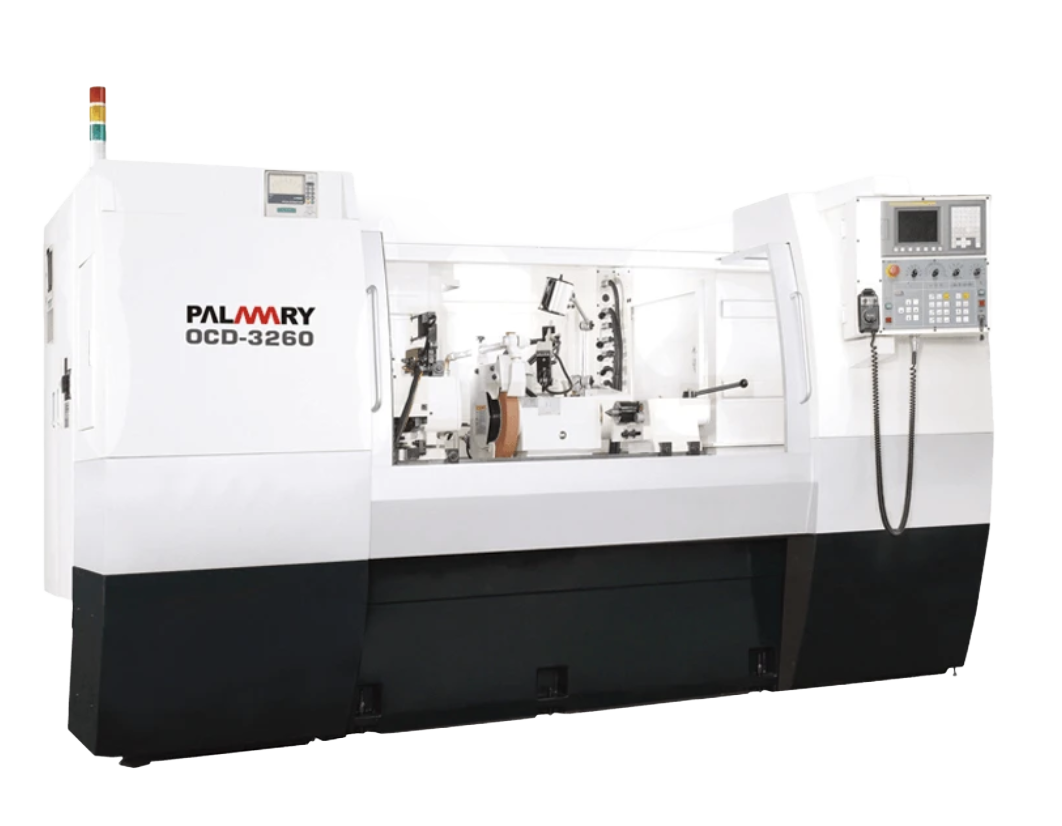
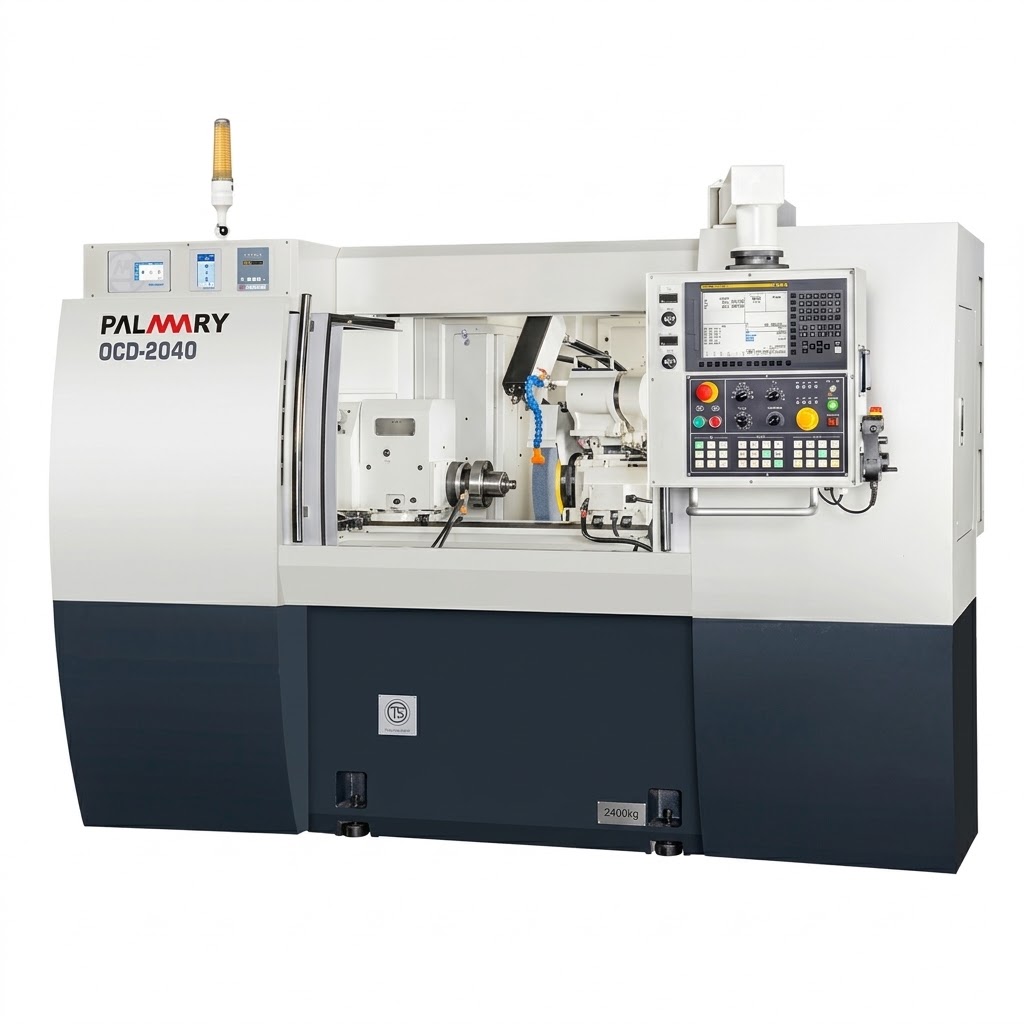
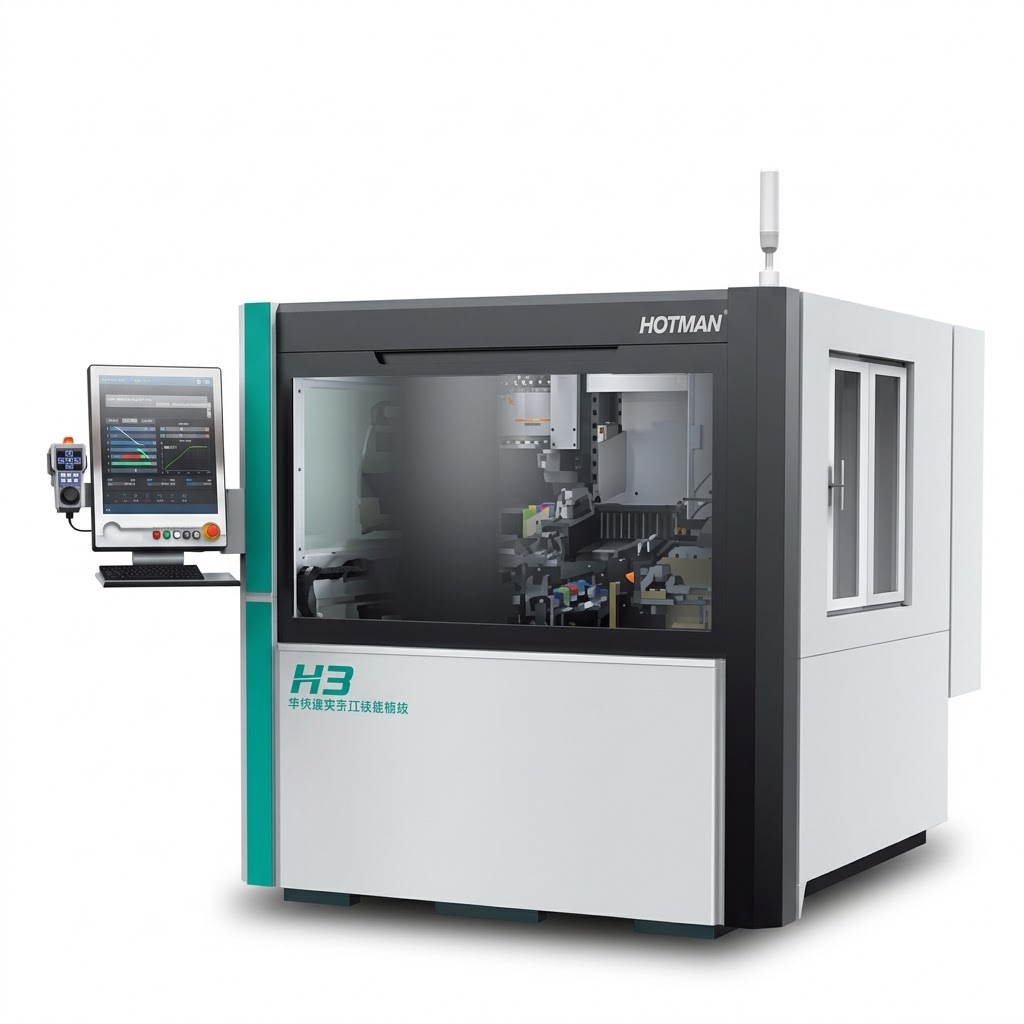
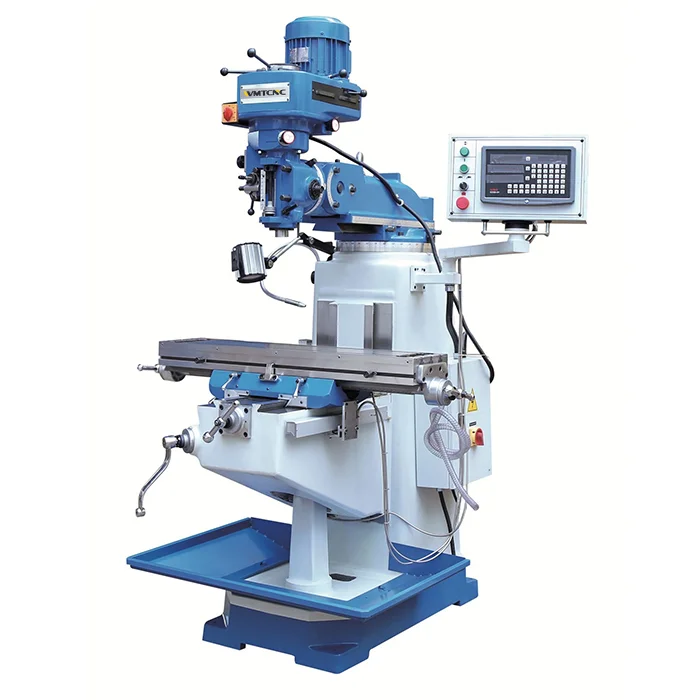
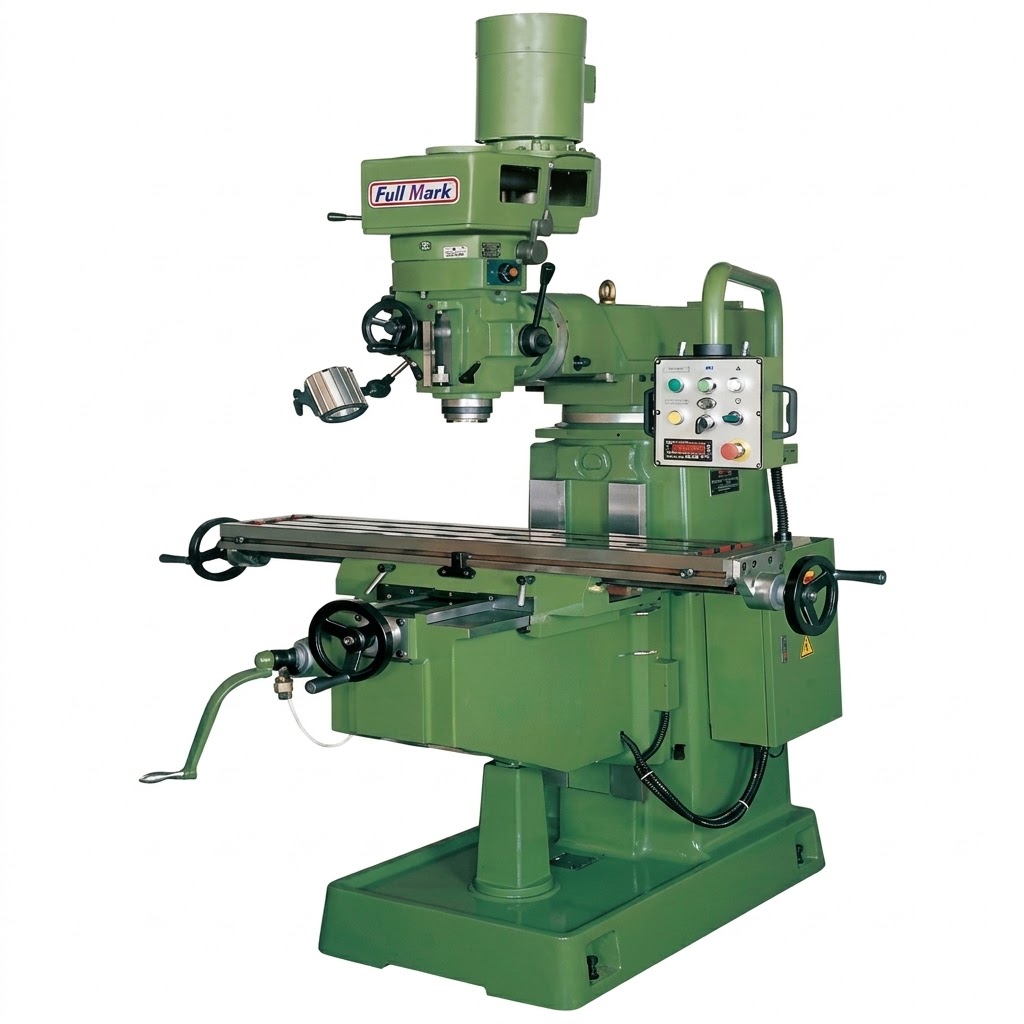
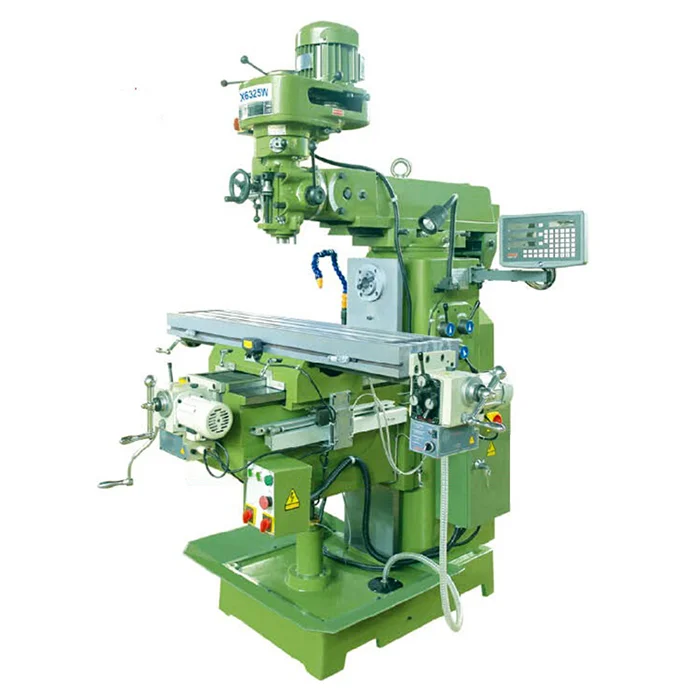
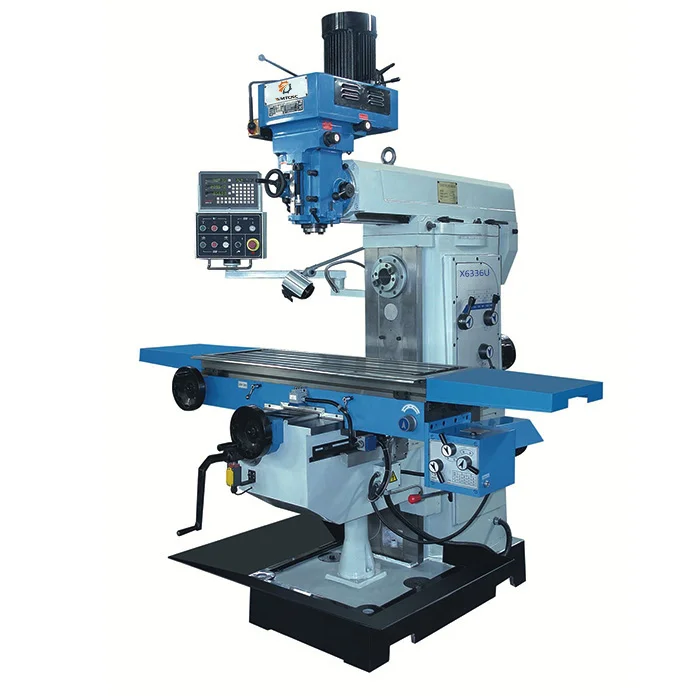
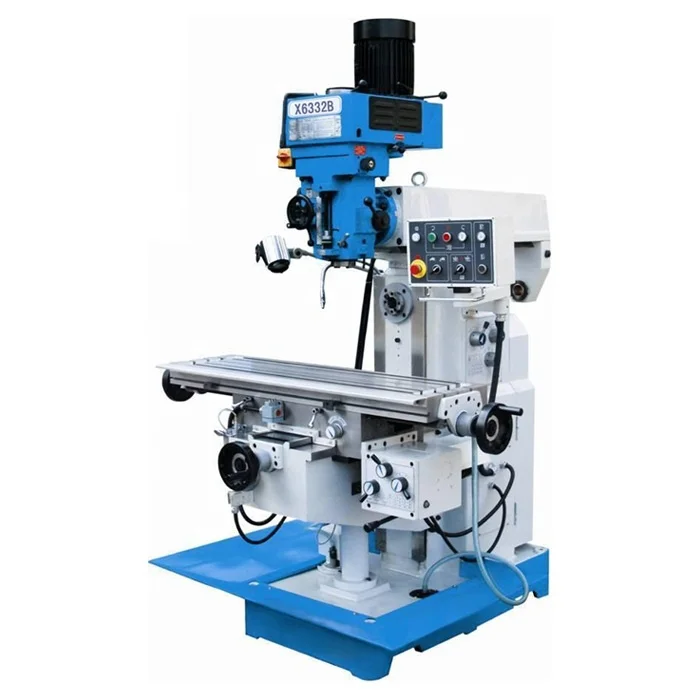
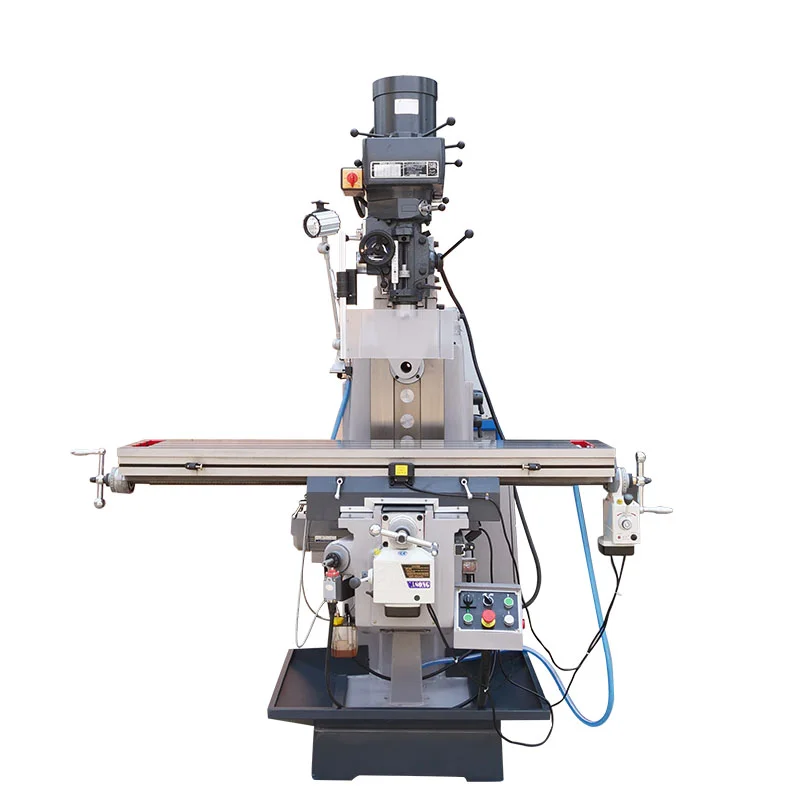
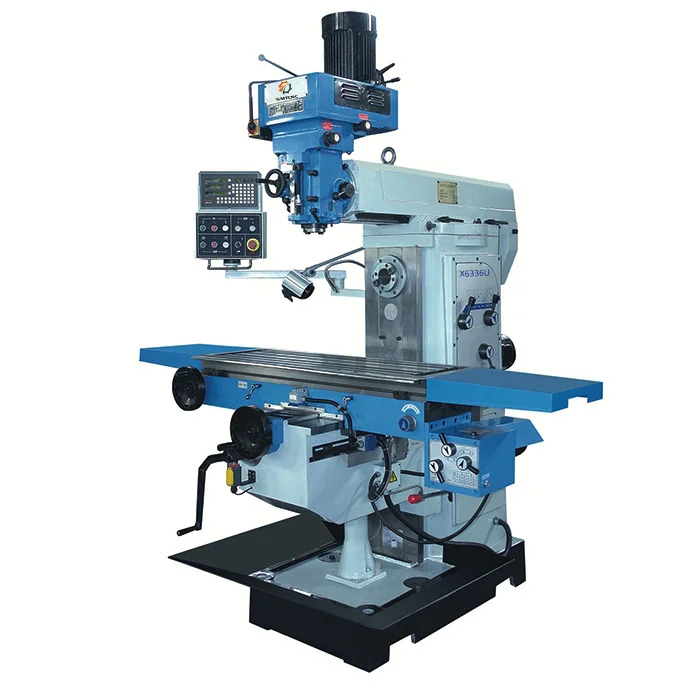
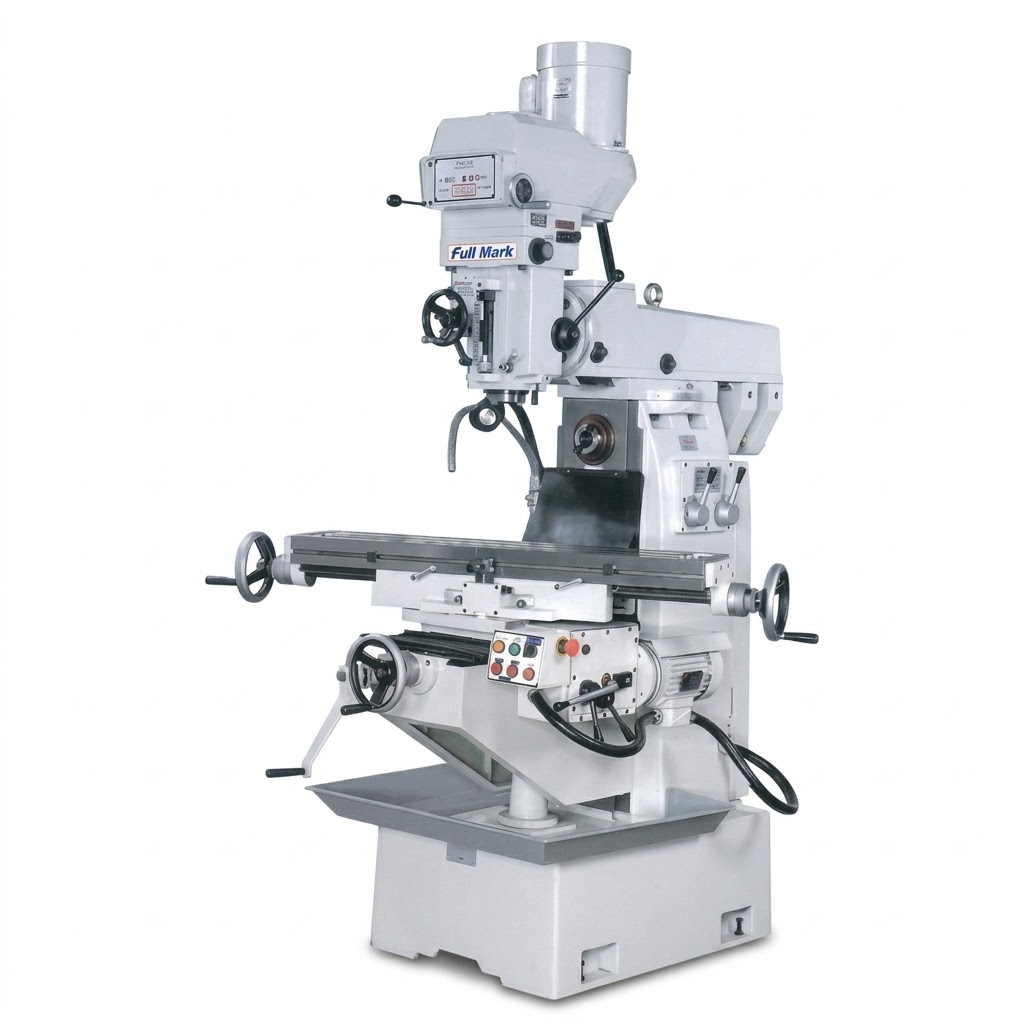
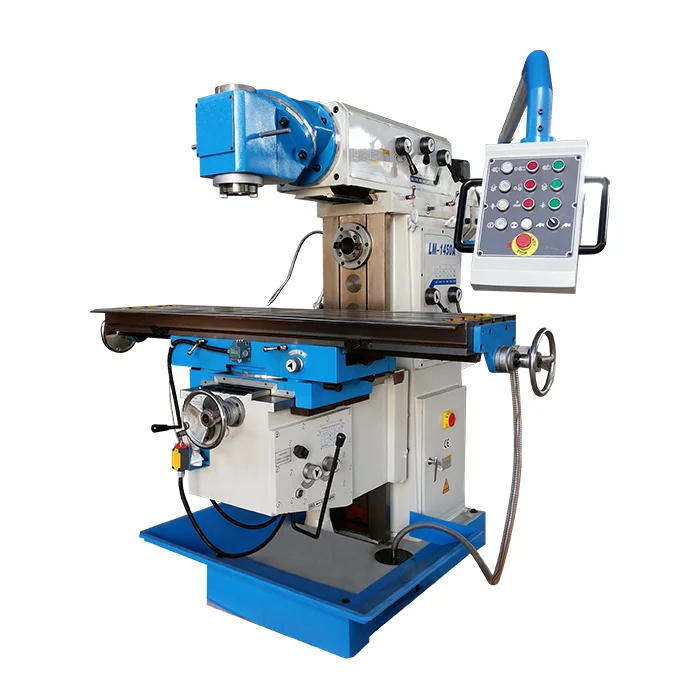
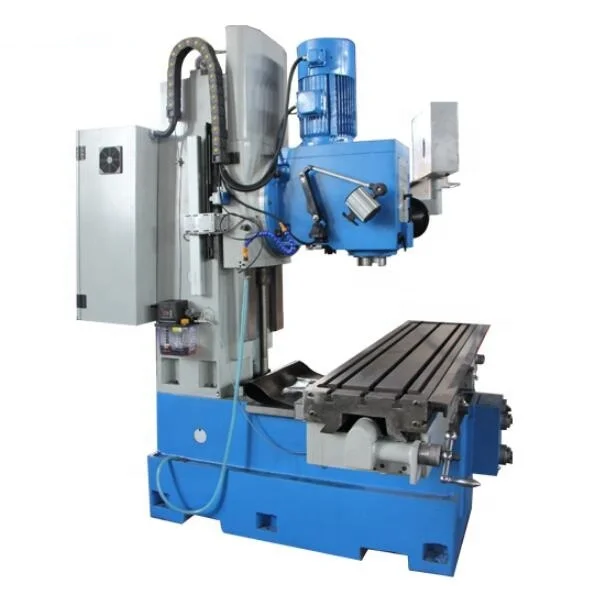
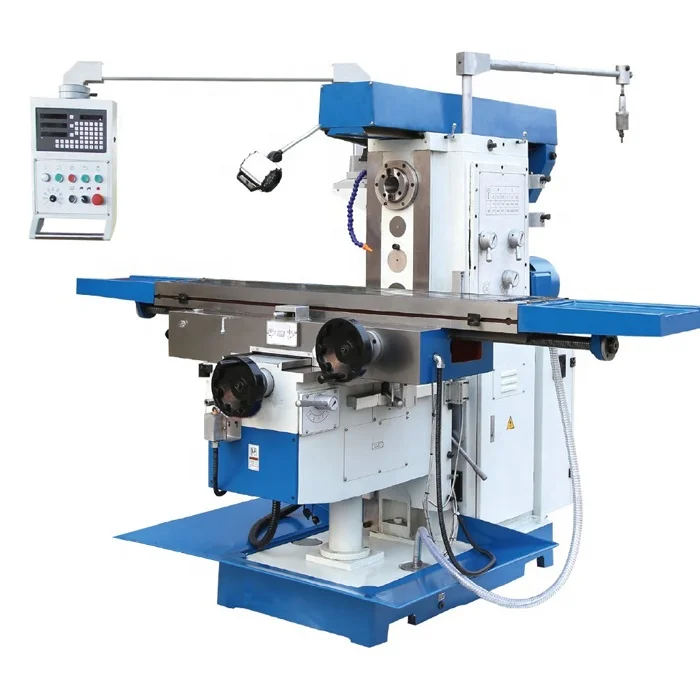
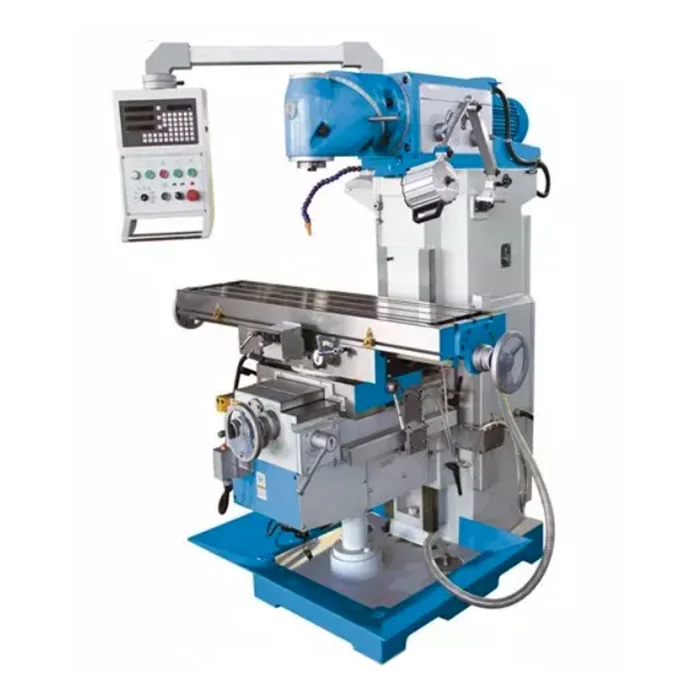
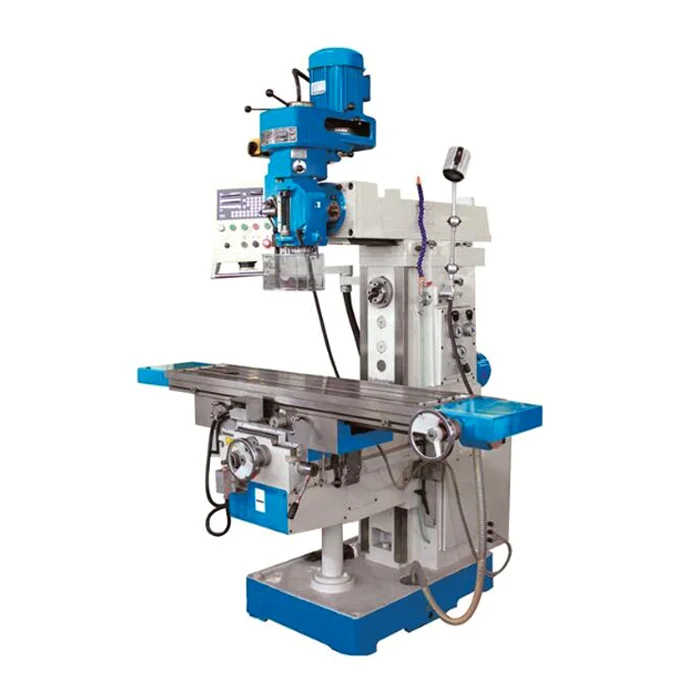
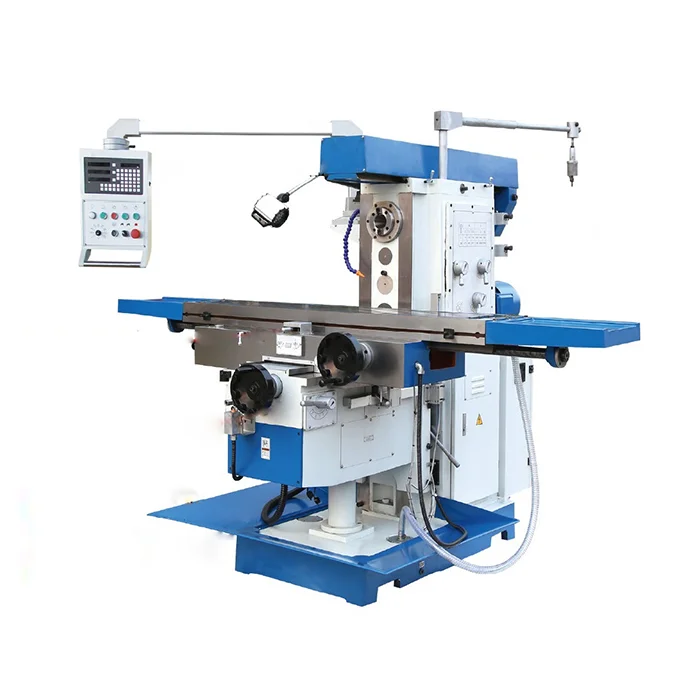
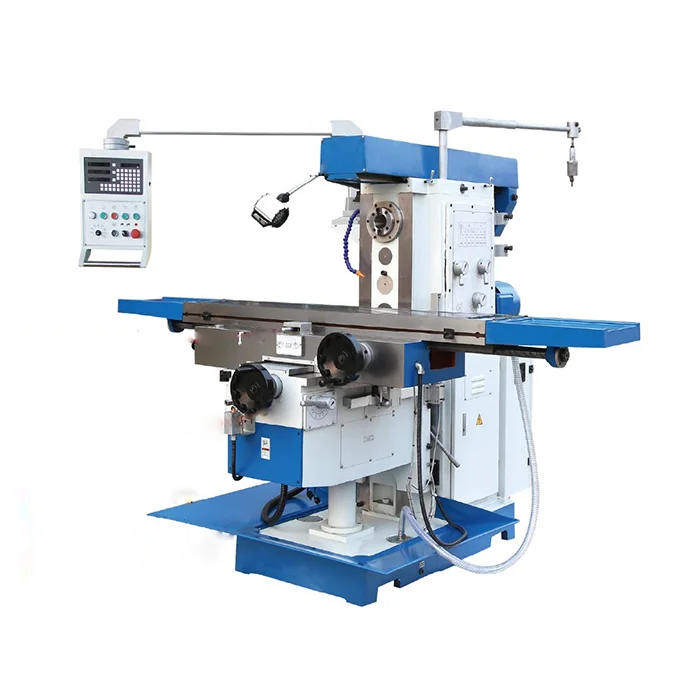
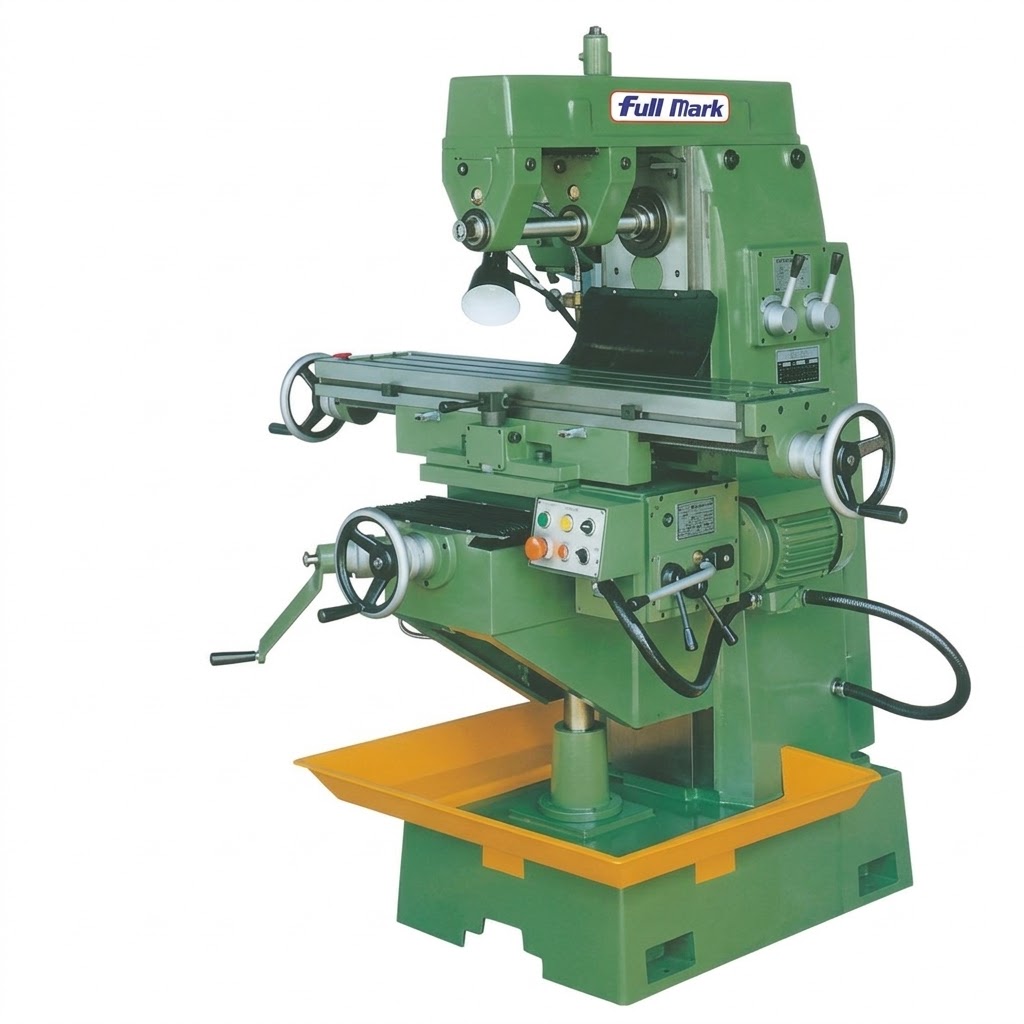
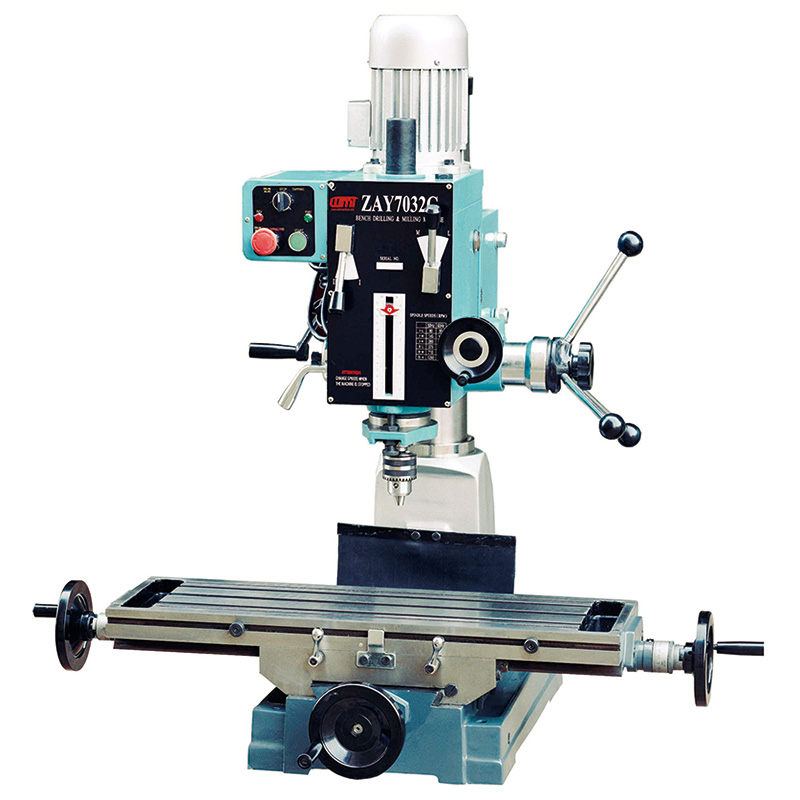
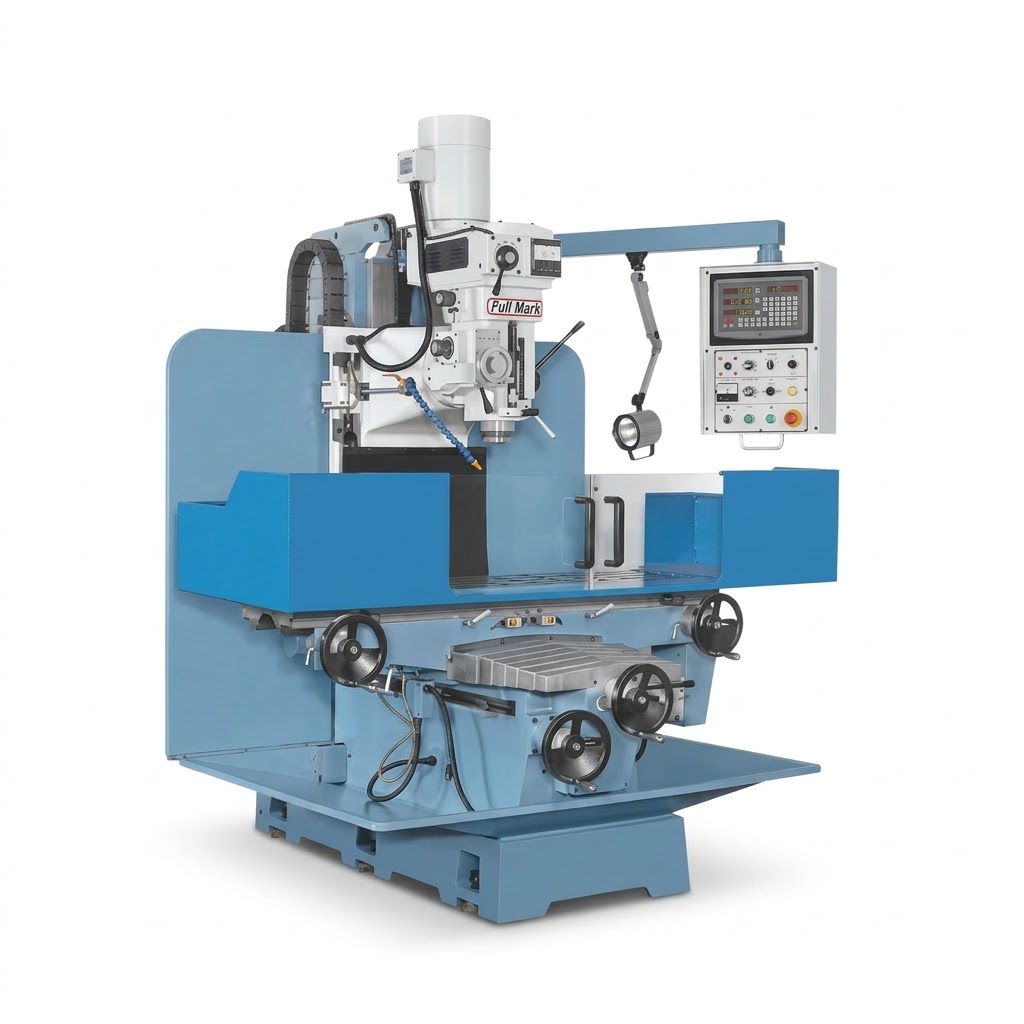
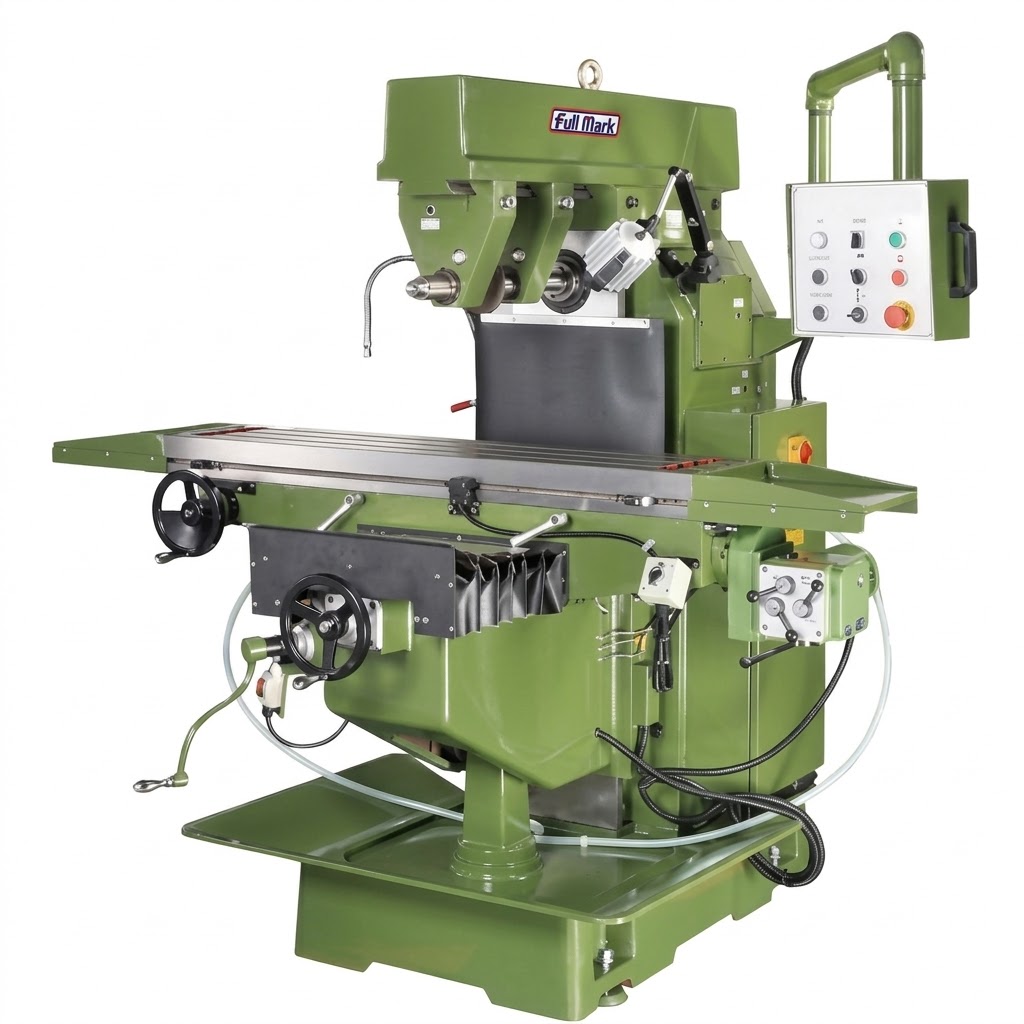
CNC Milling is a machining process that uses a rotating cutting tool to remove material from a workpiece. The workpiece is typically secured to the machine table, while the cutting tool moves along different axes to create the required shape and features. CNC Milling is suitable for producing components with flat surfaces, slots, holes, pockets, and complex geometries. Typical applications include molds and dies, jigs and fixtures, machine components, and precision industrial parts. CNC Milling machines are available in 3-axis, 4-axis, and 5-axis configurations to accommodate different levels of part complexity and machining requirements.
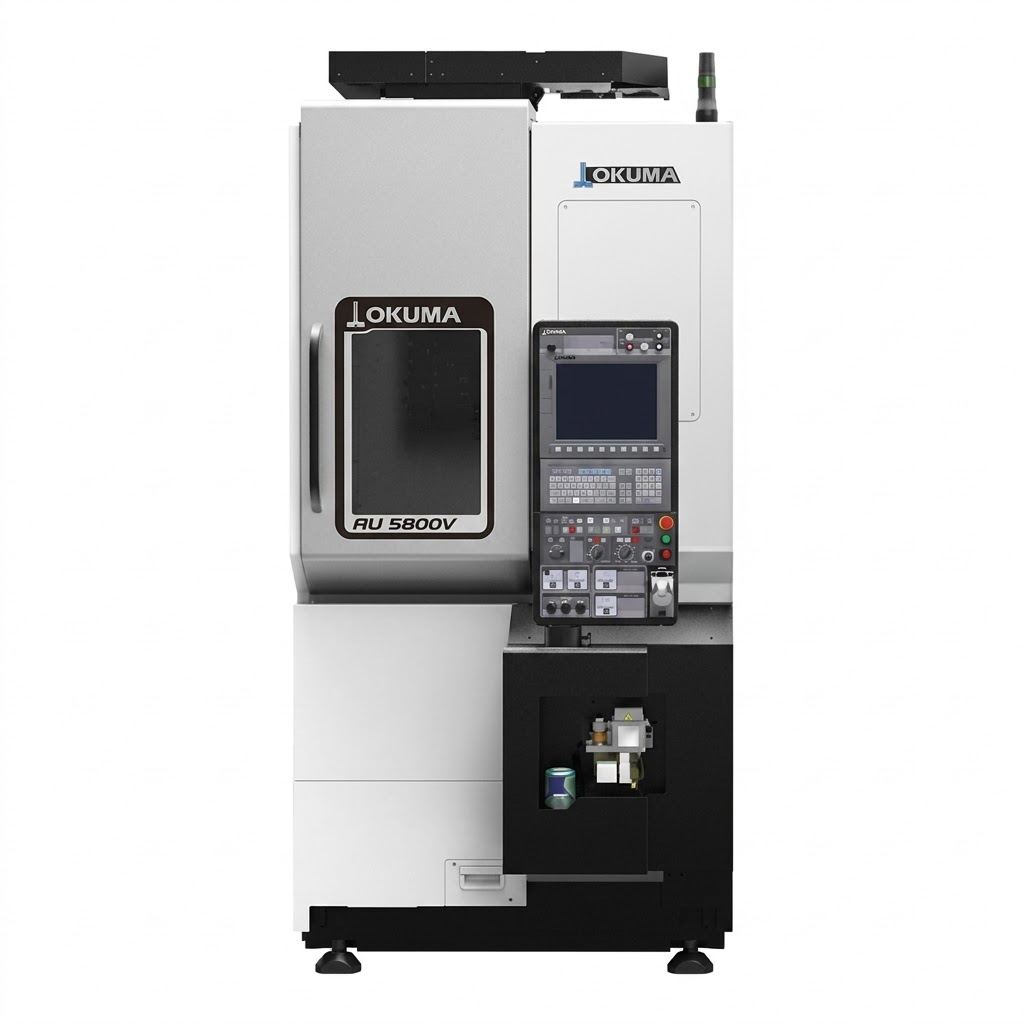
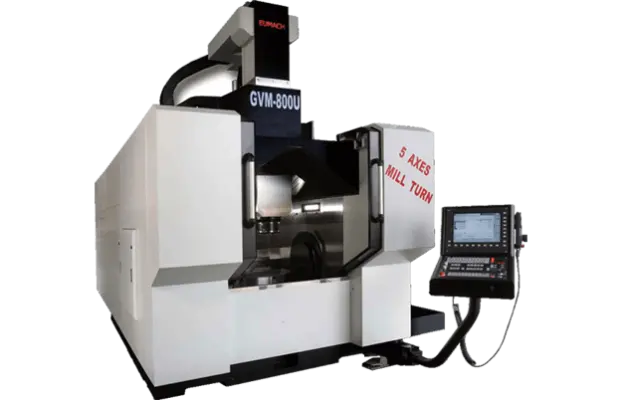
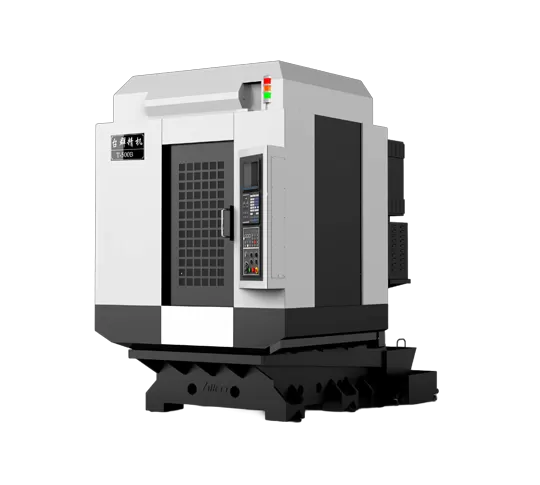
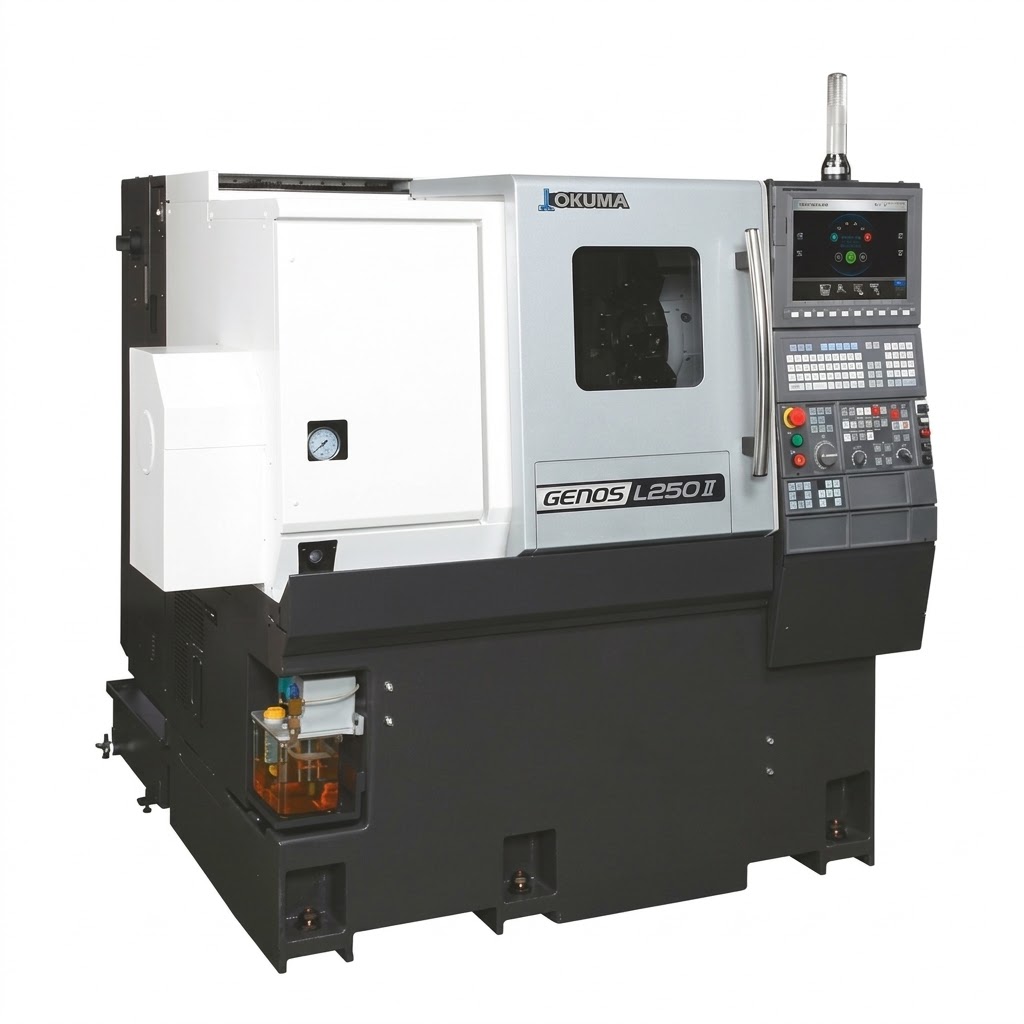
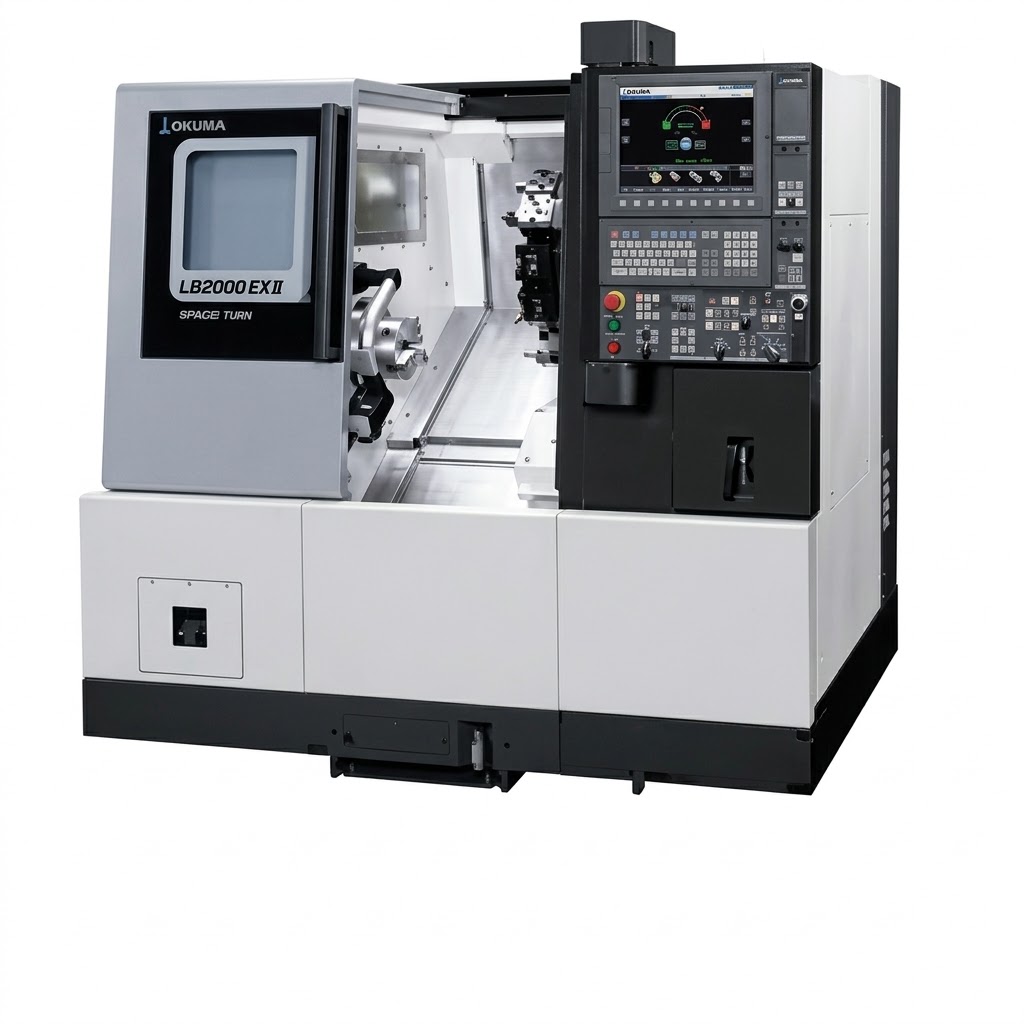
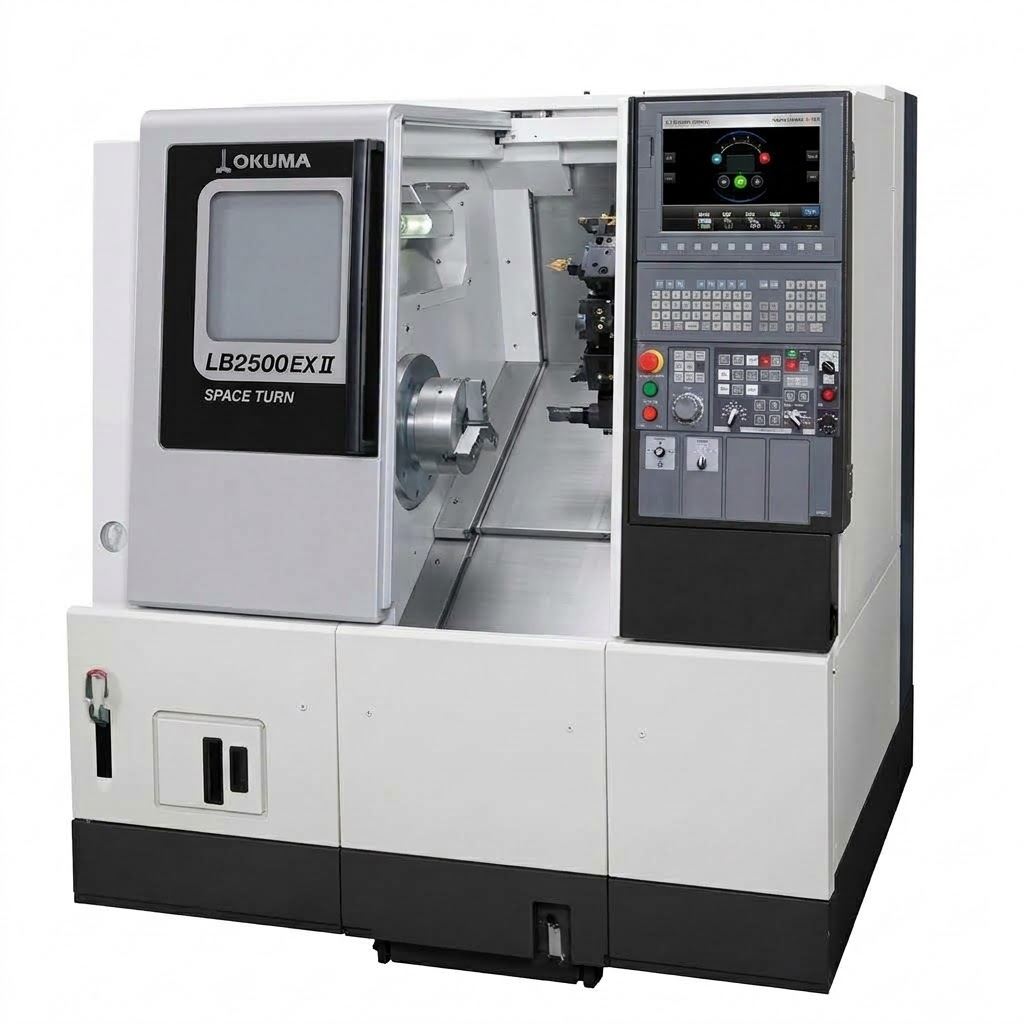
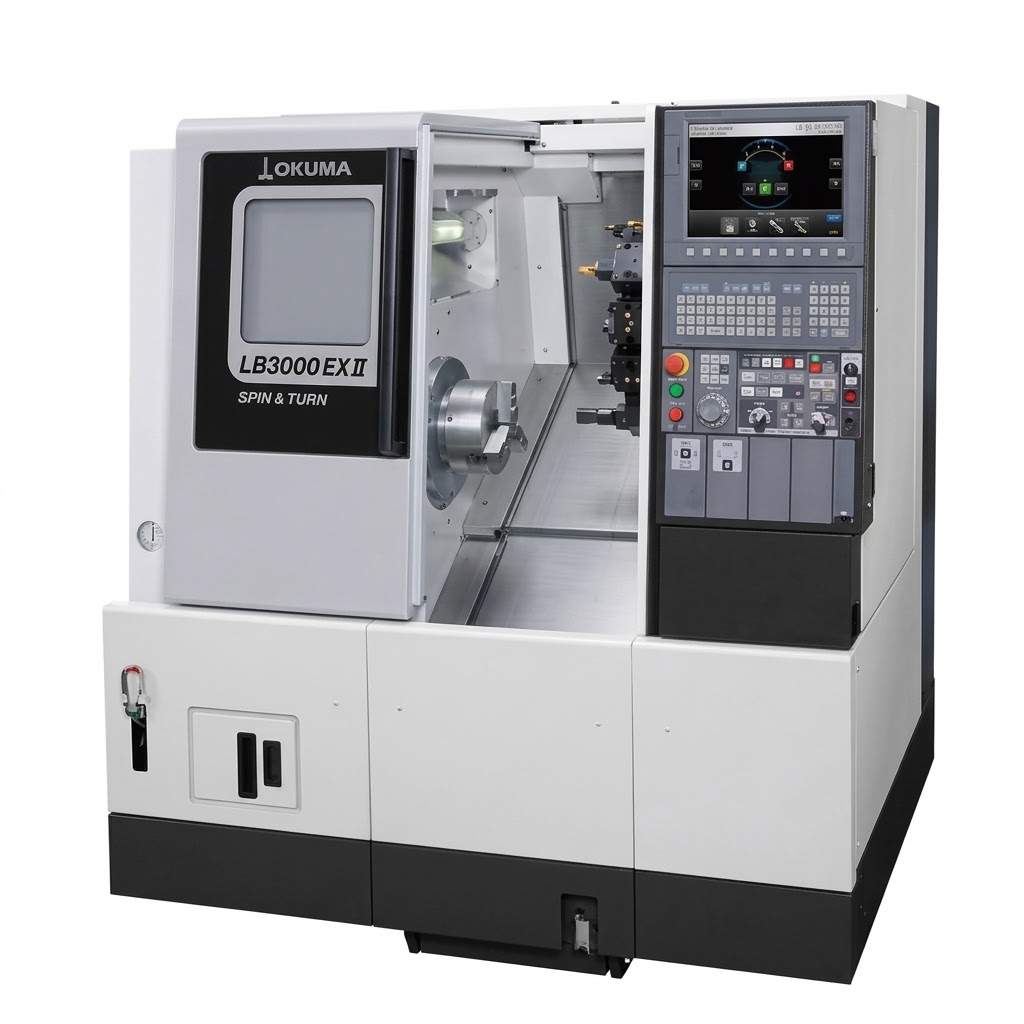
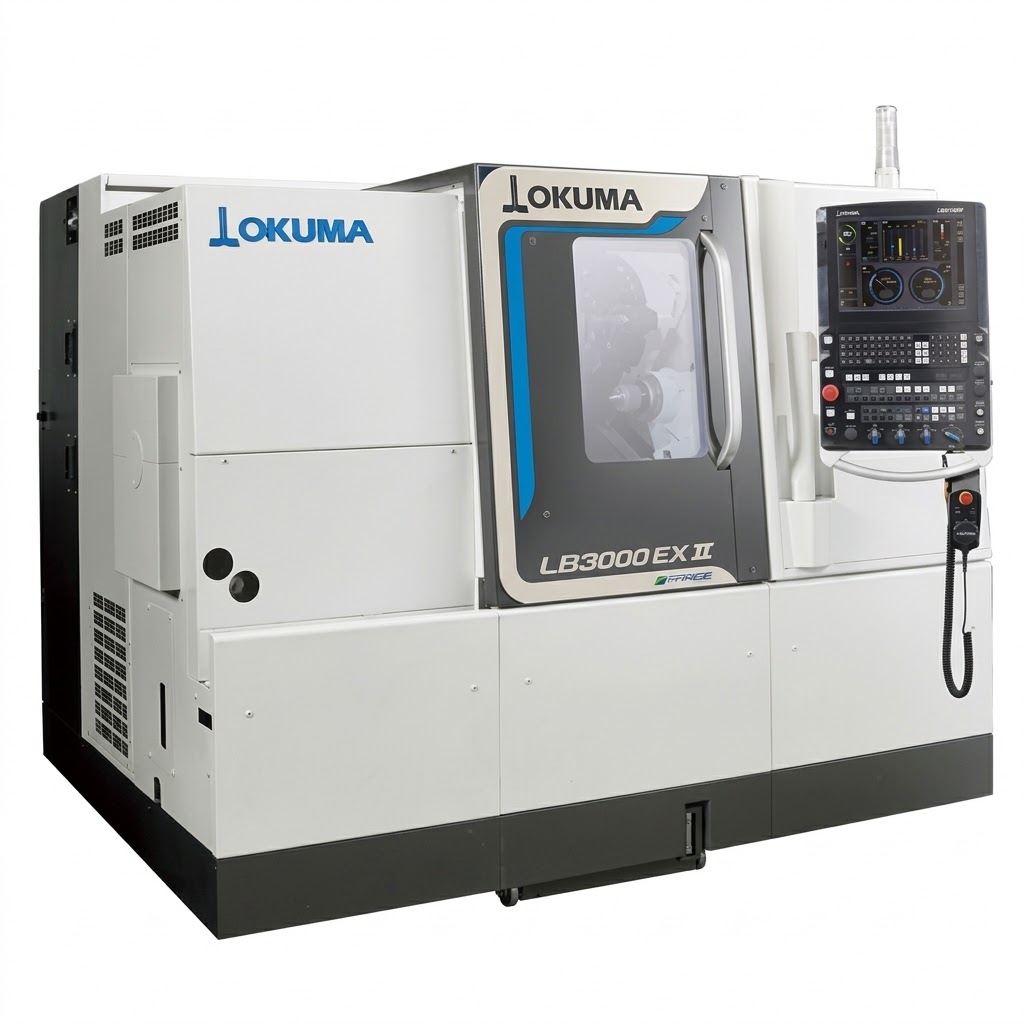
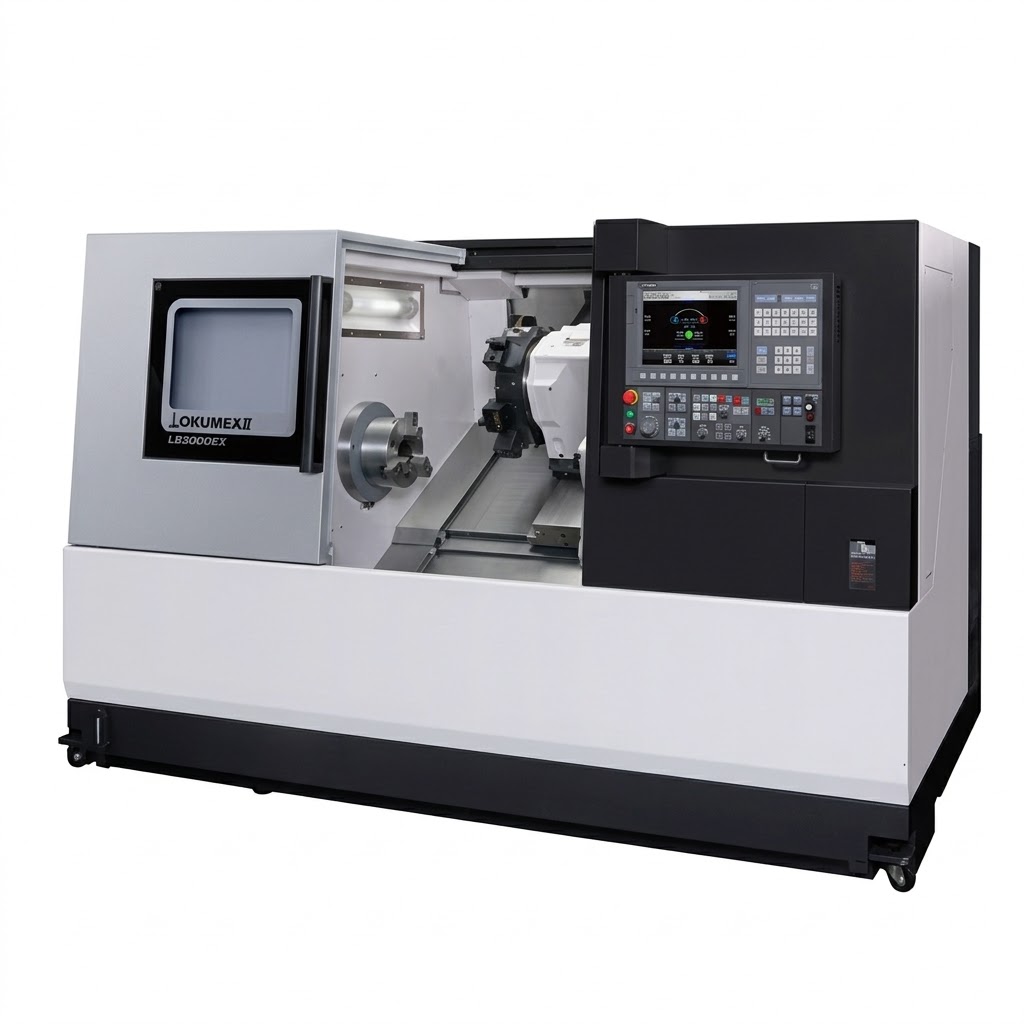
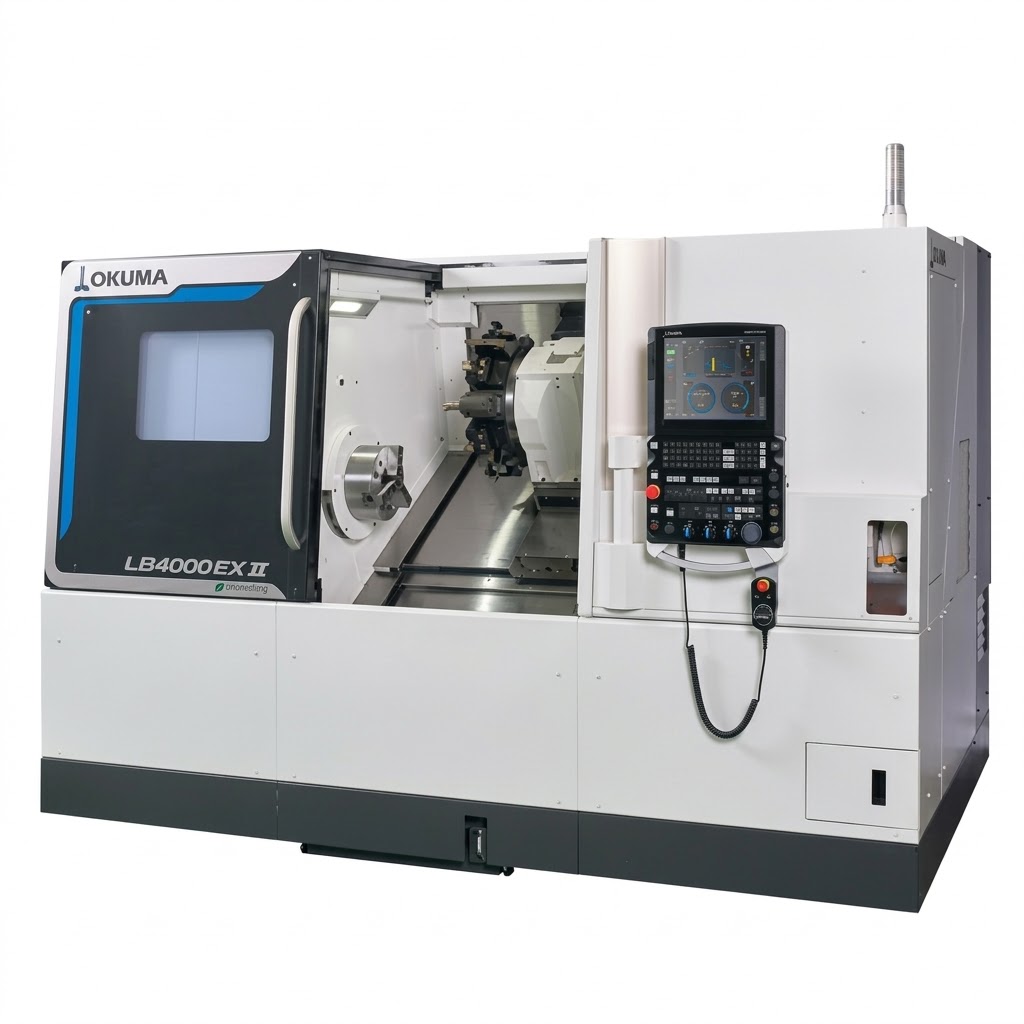
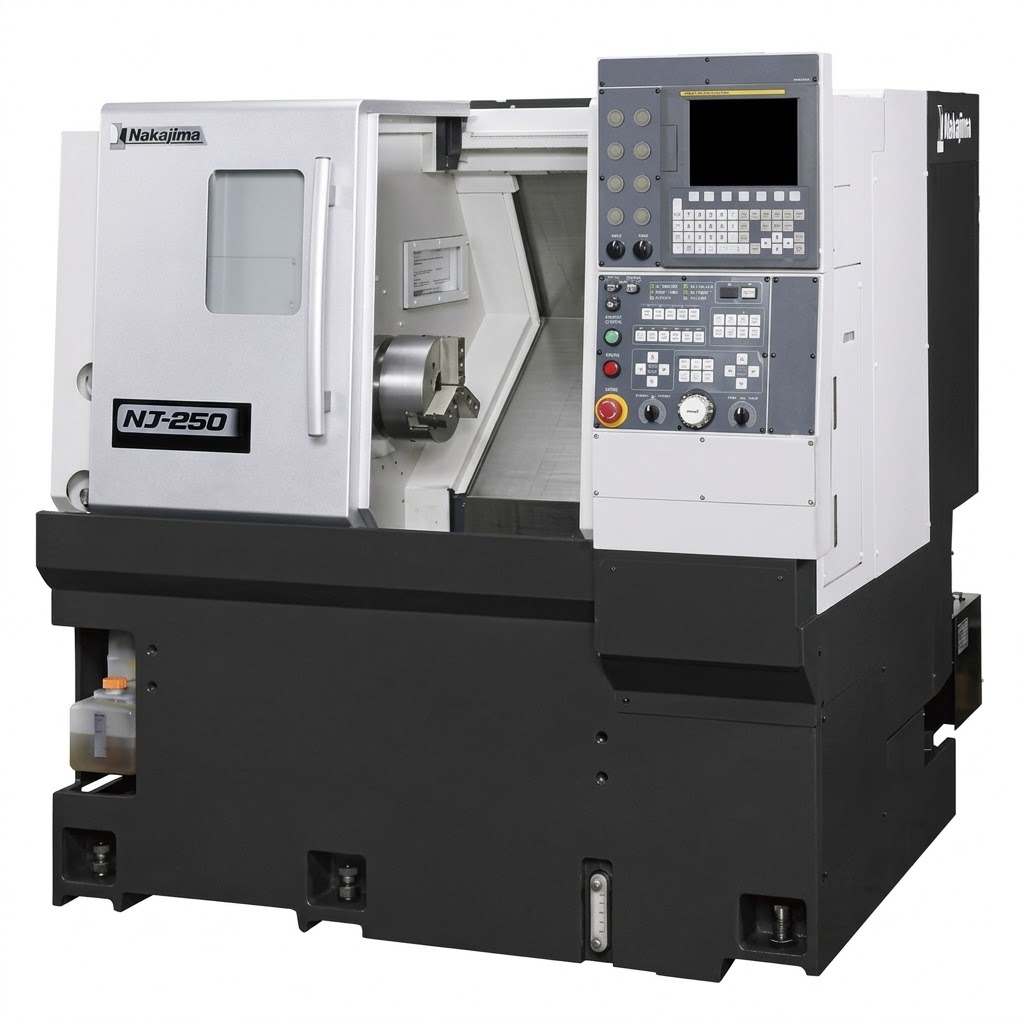
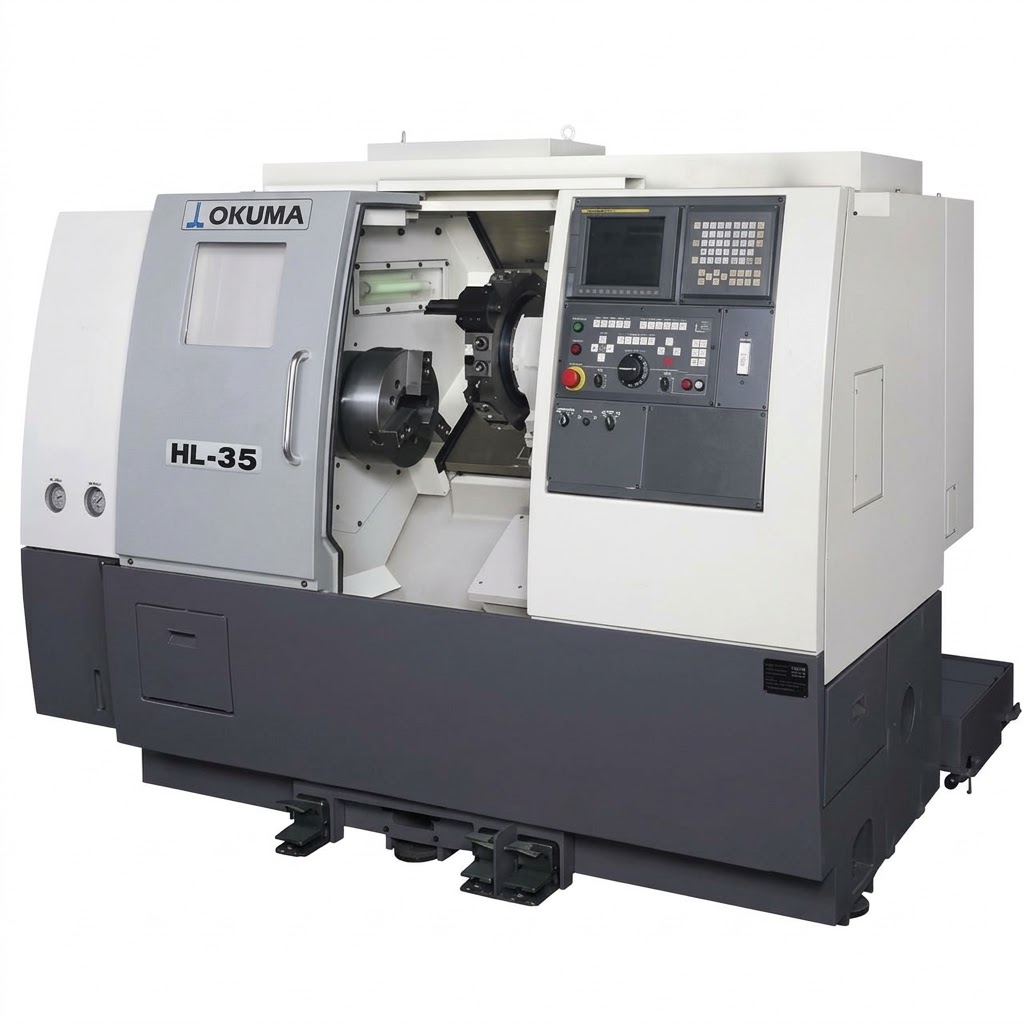
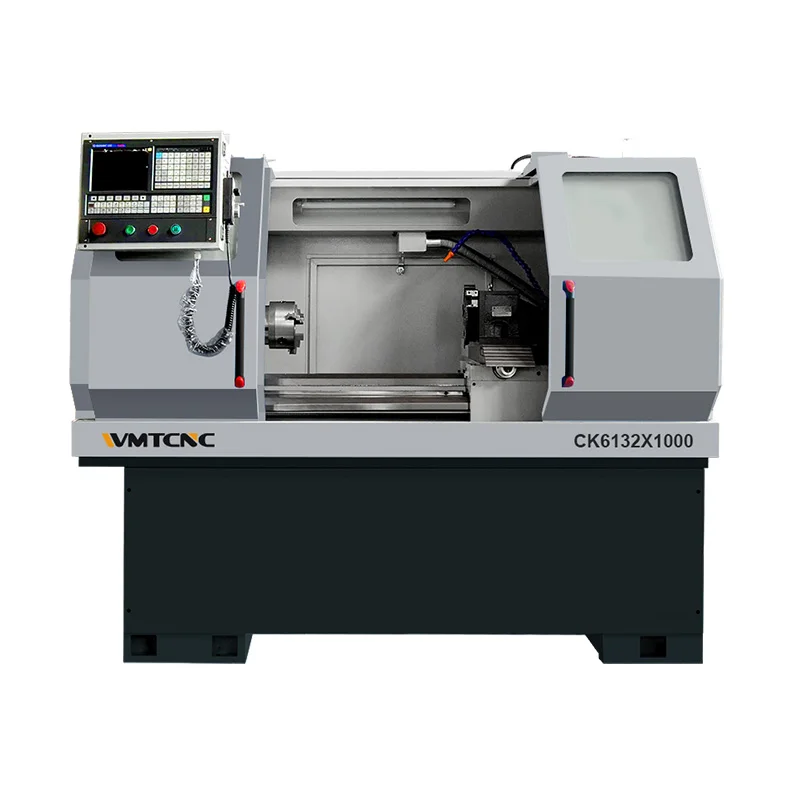
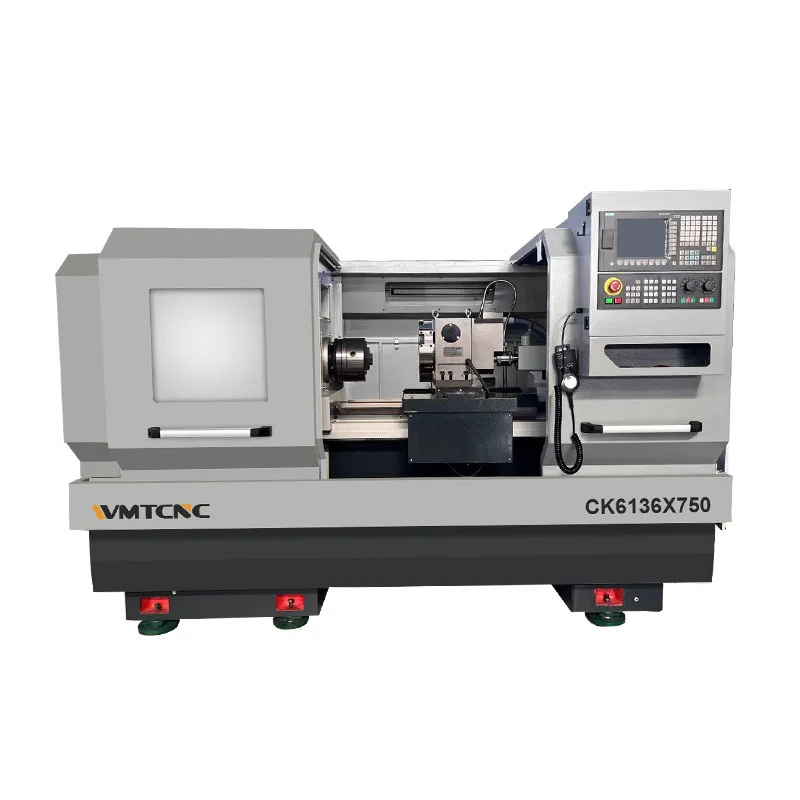
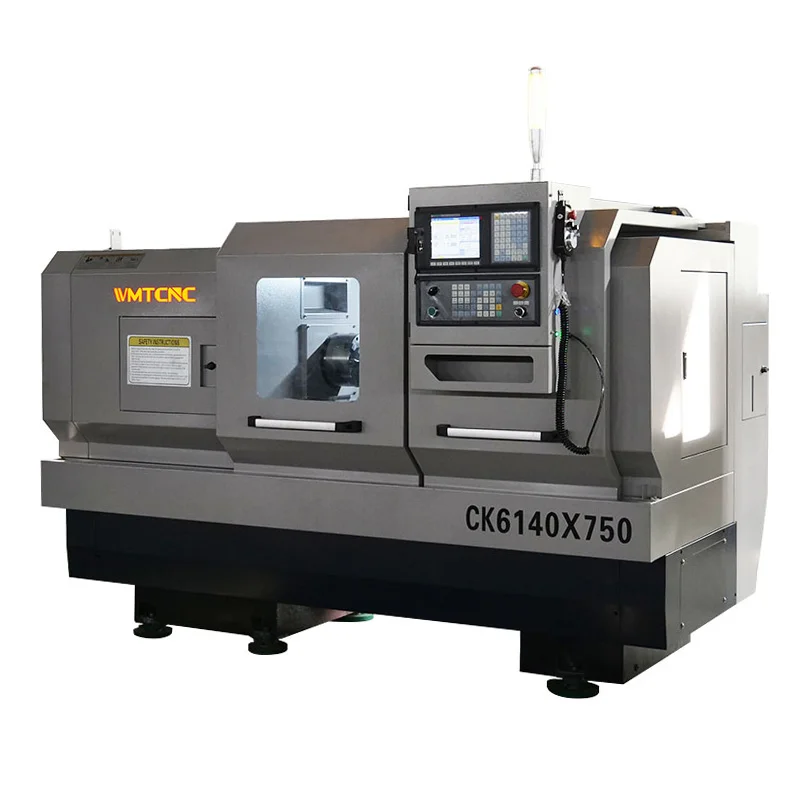
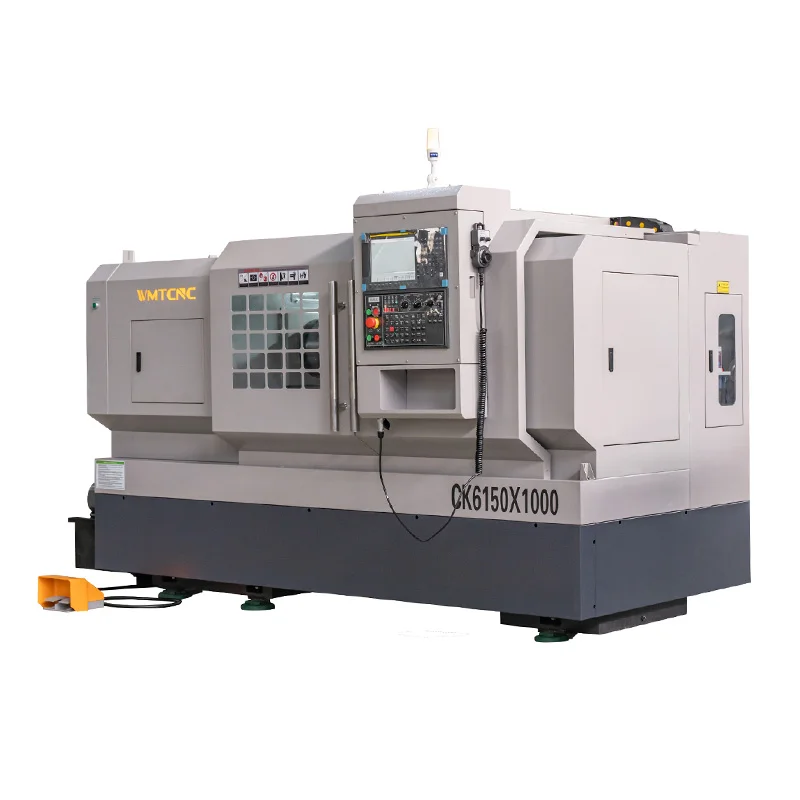
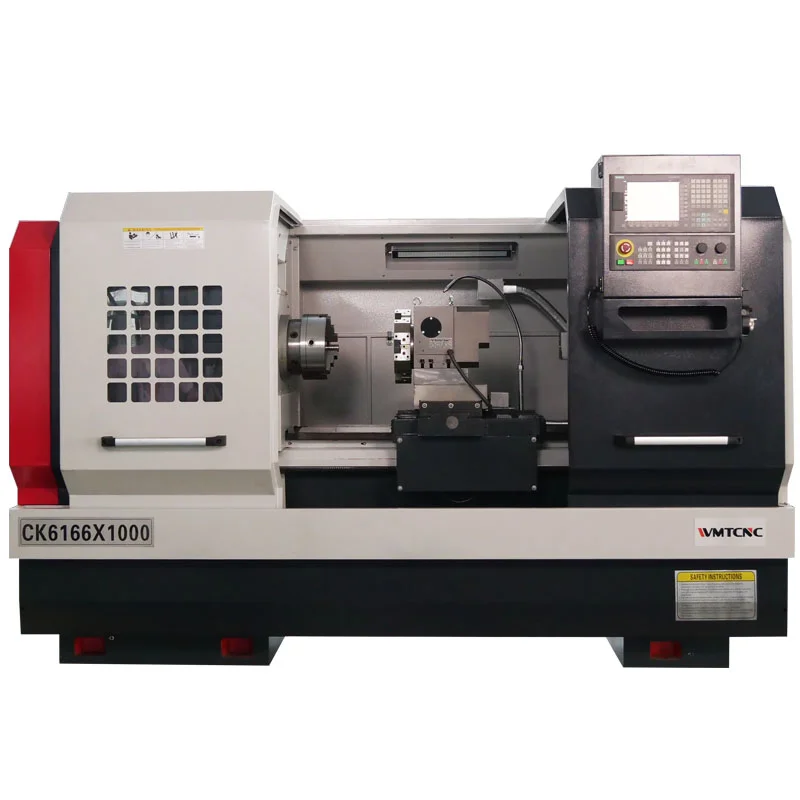
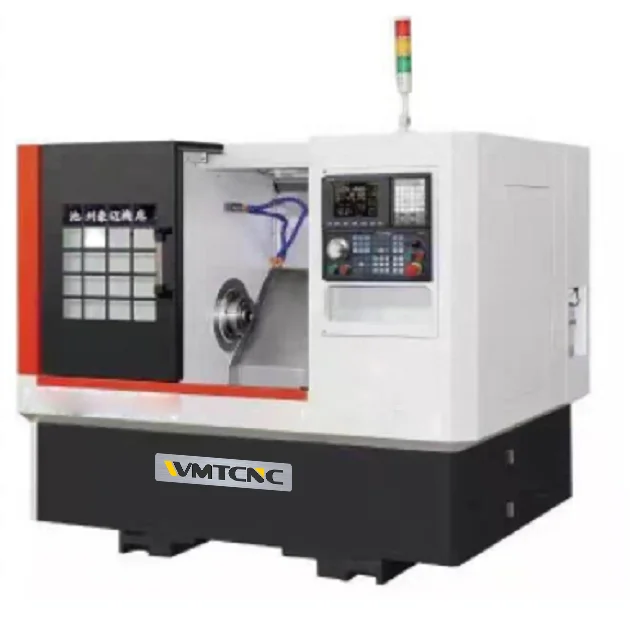
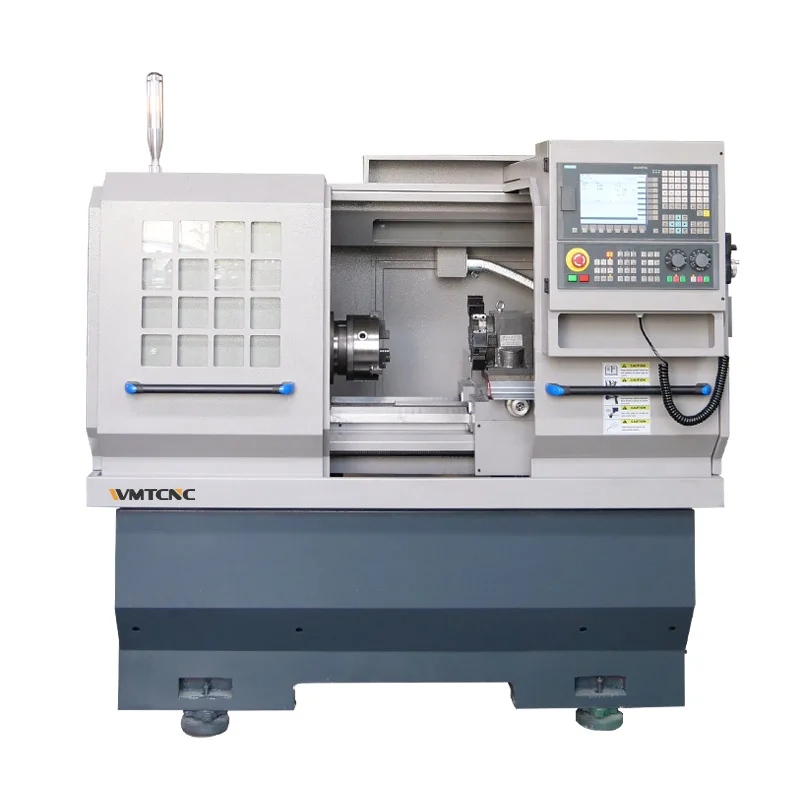
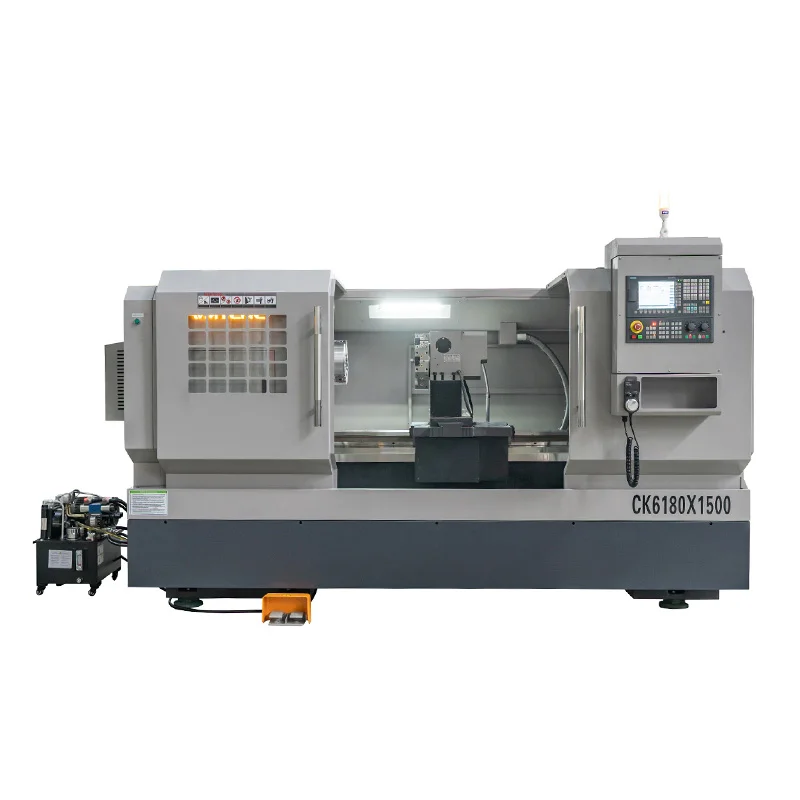
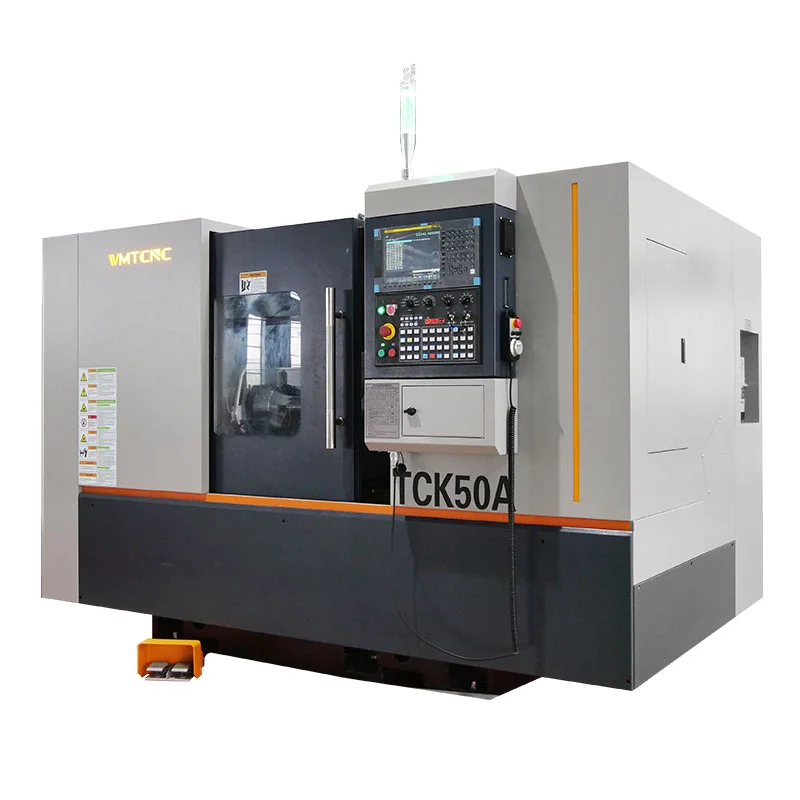
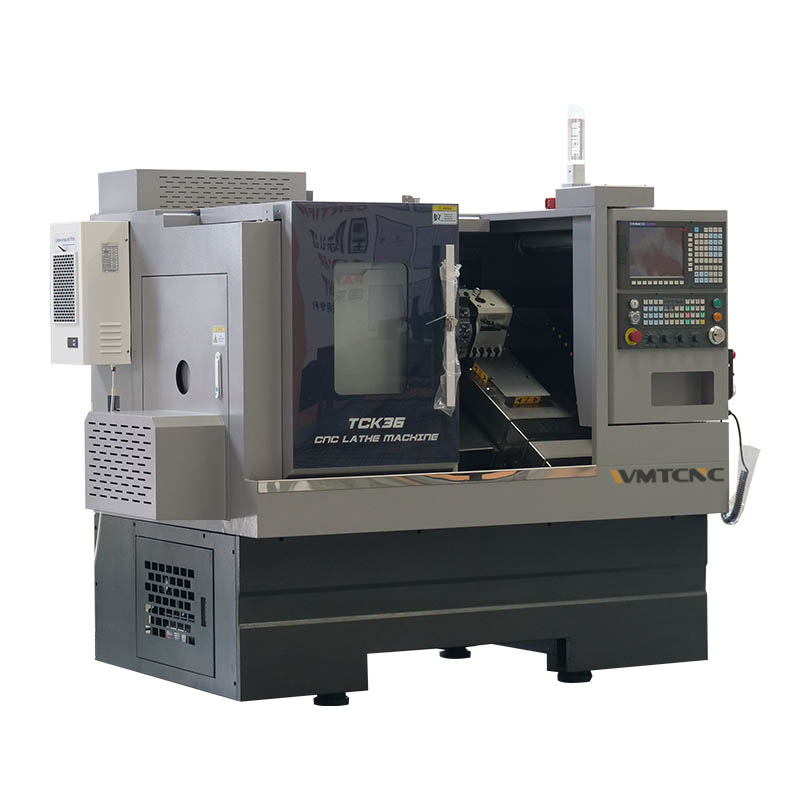
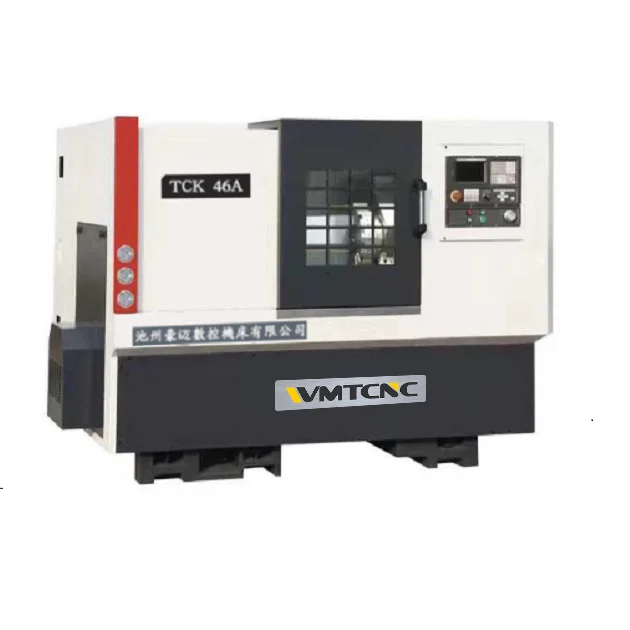
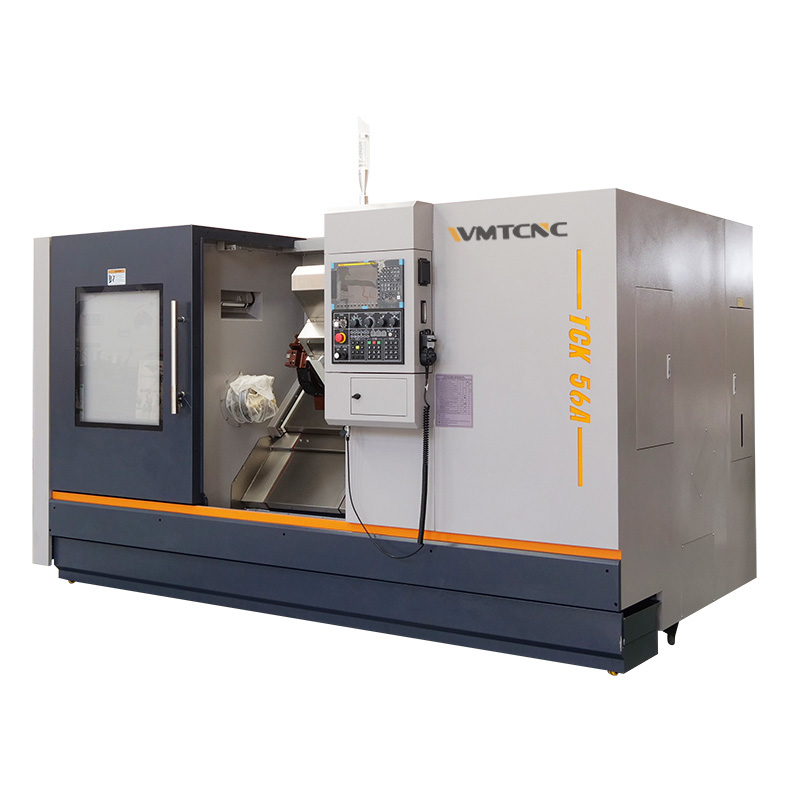
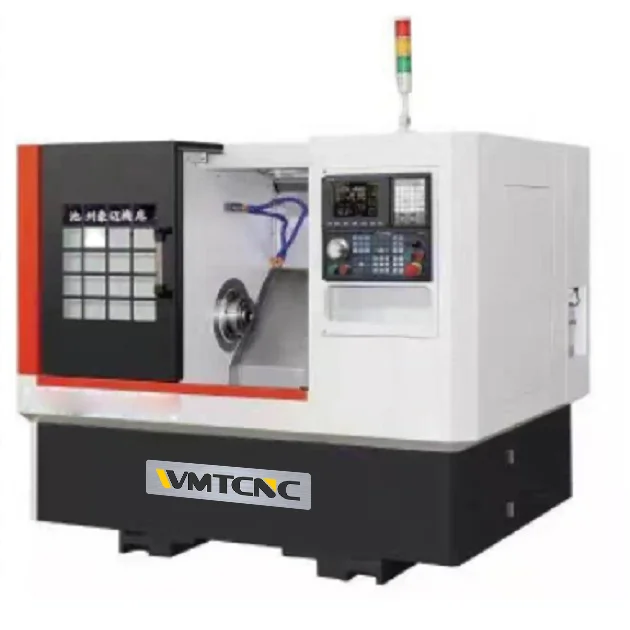
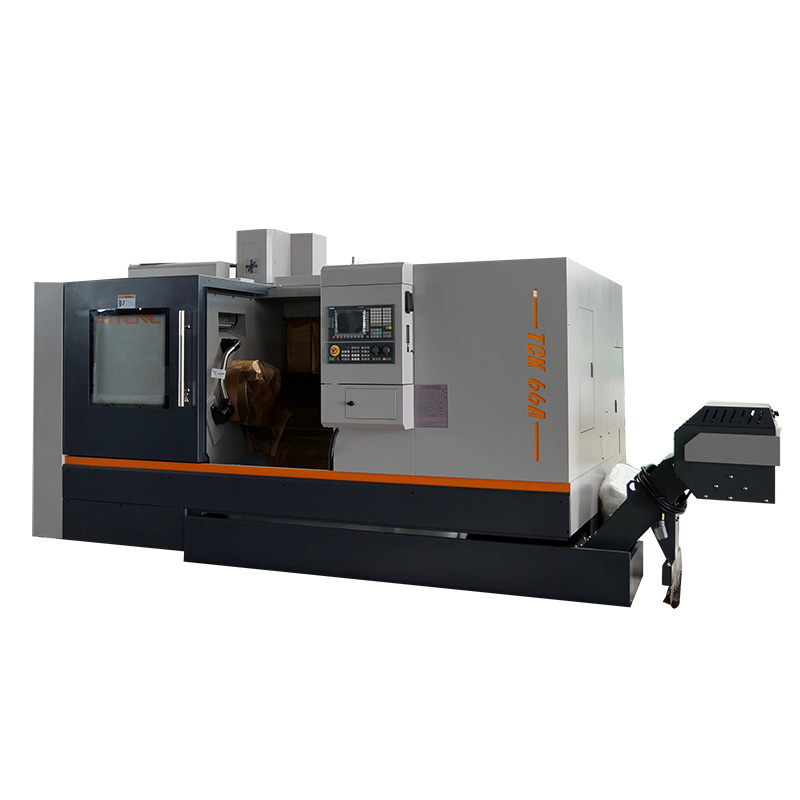
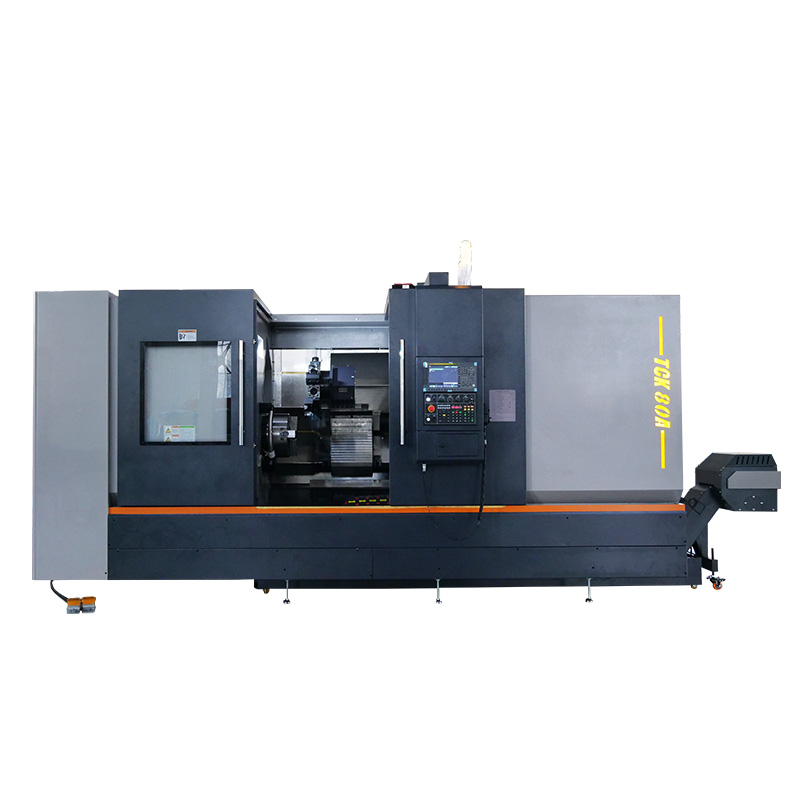
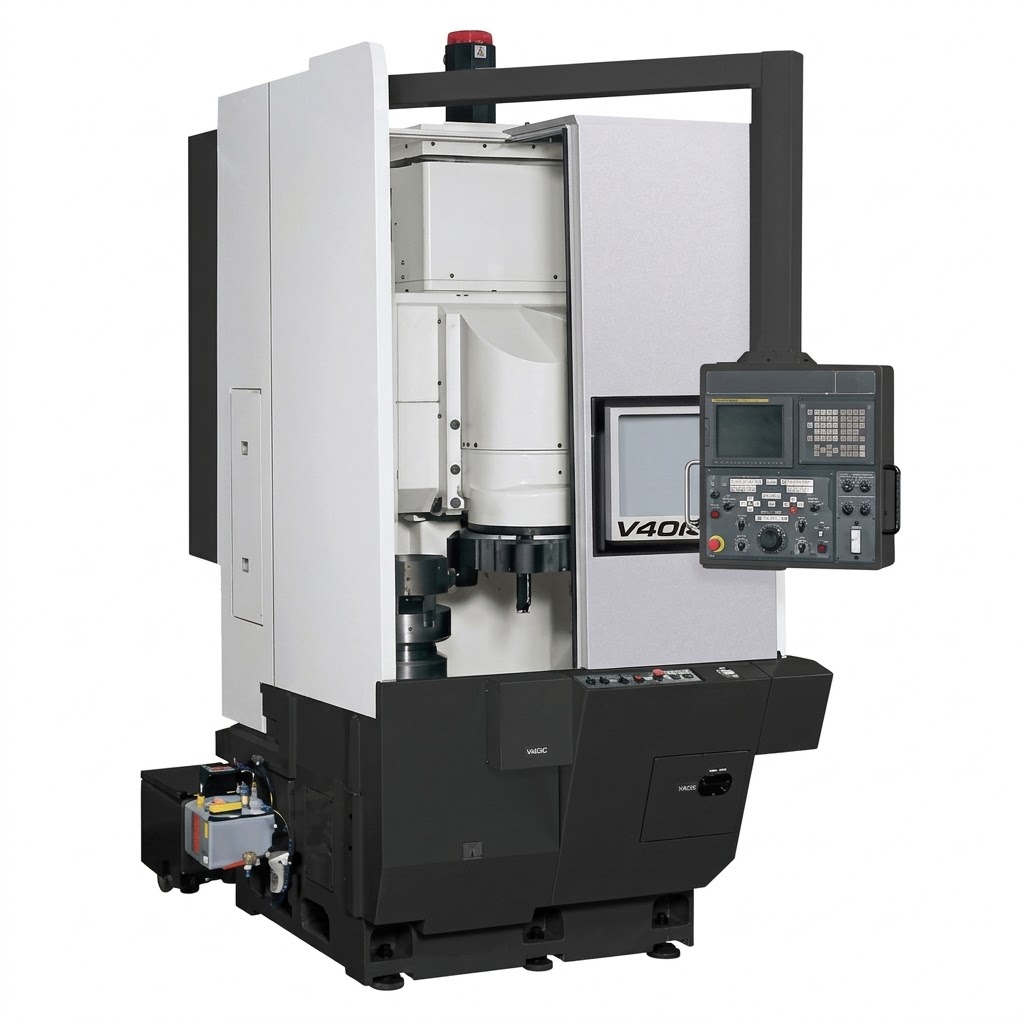
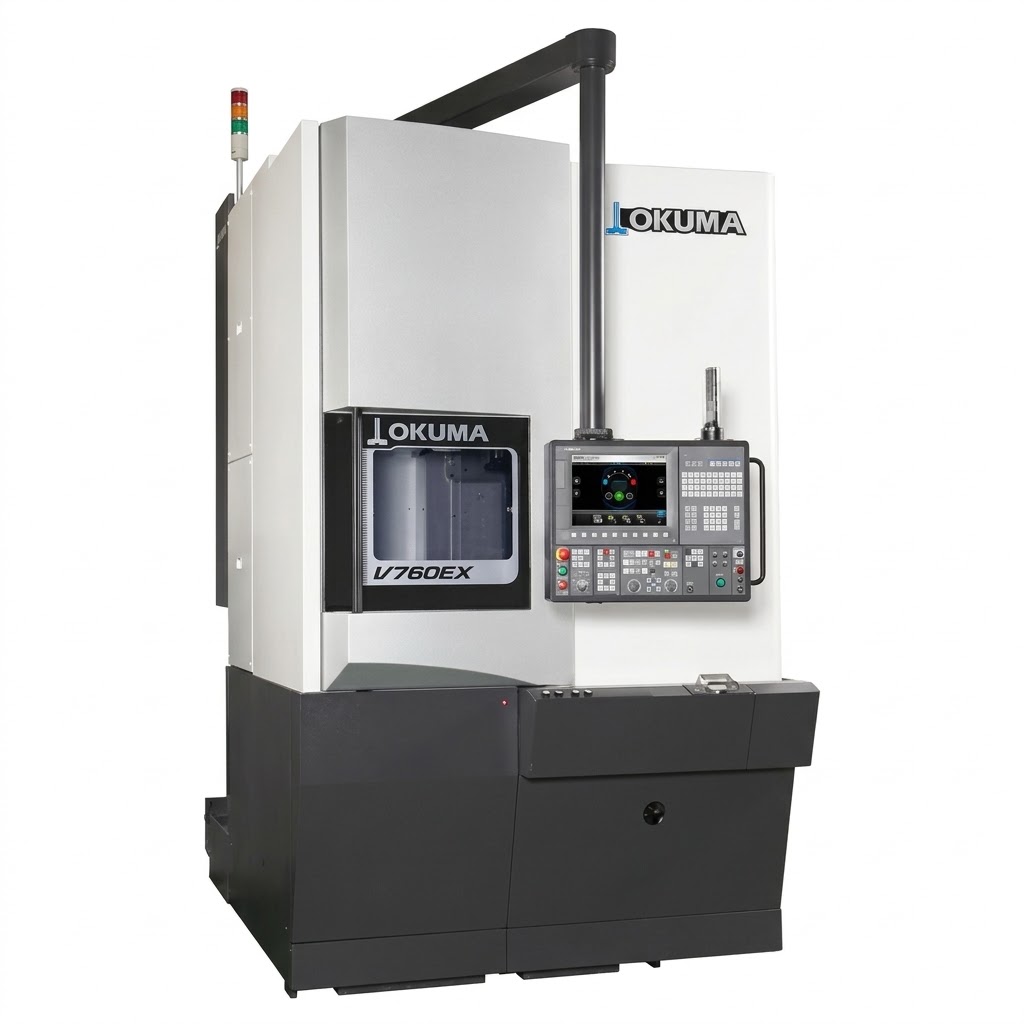
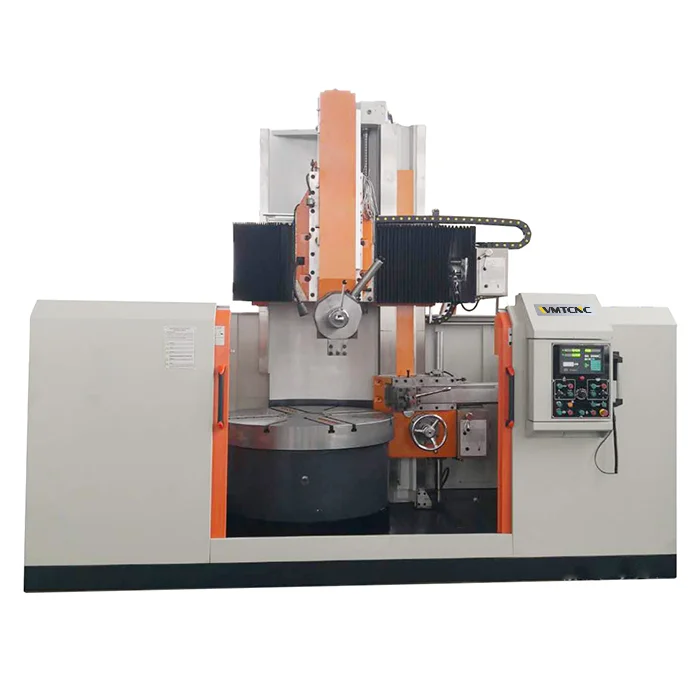
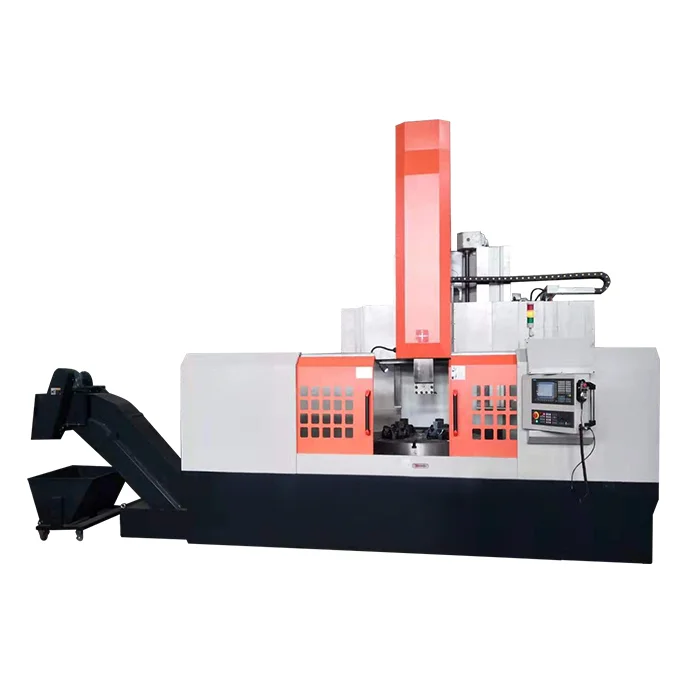
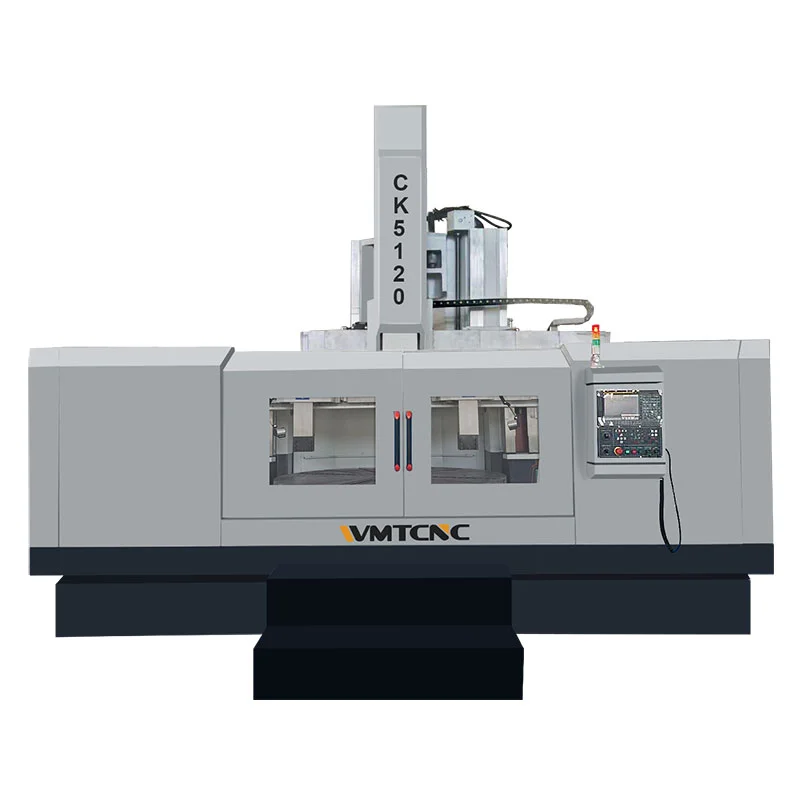
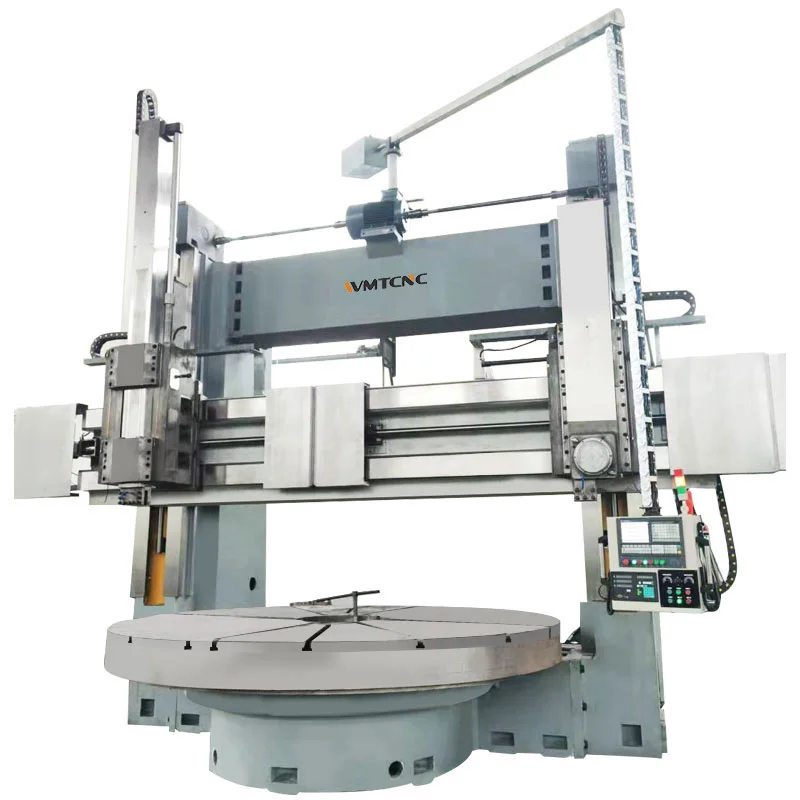
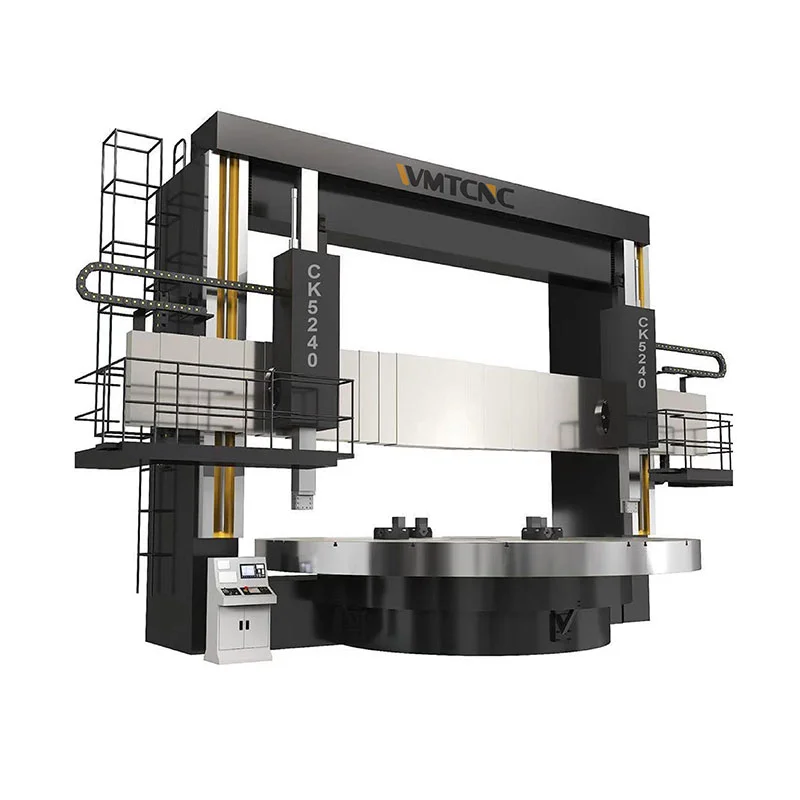
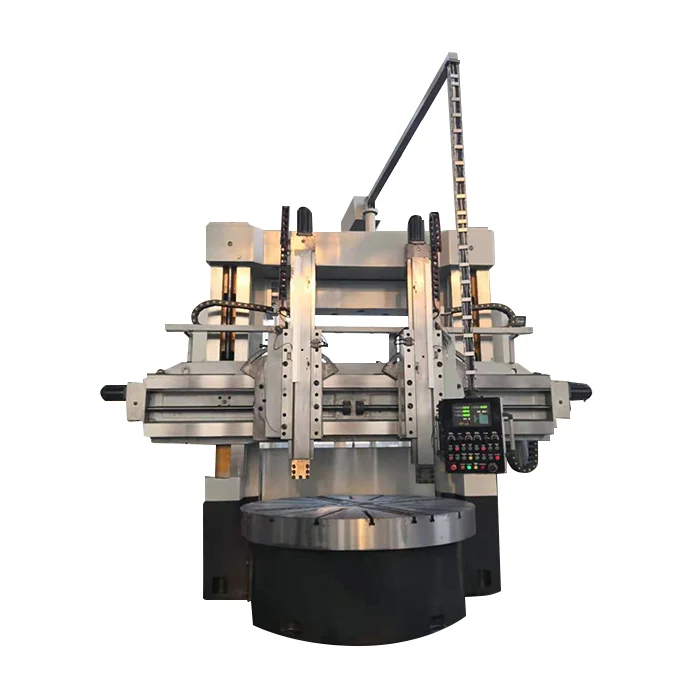
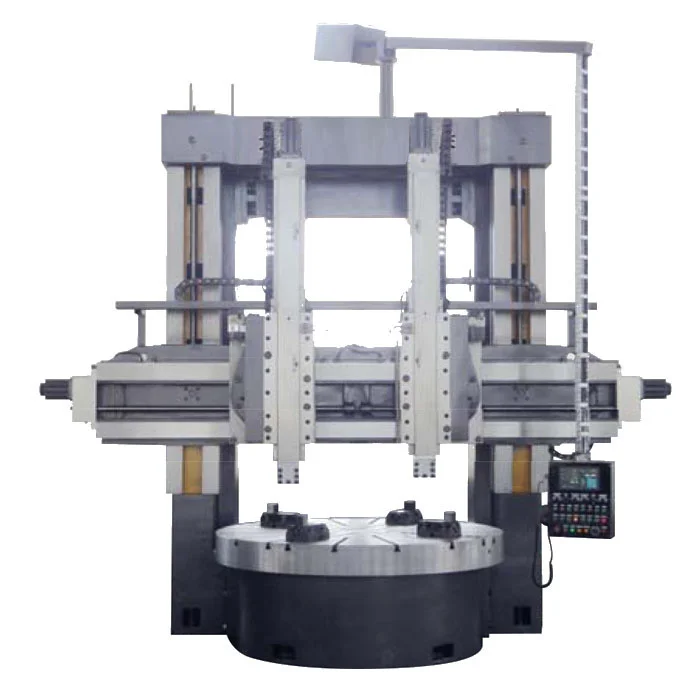
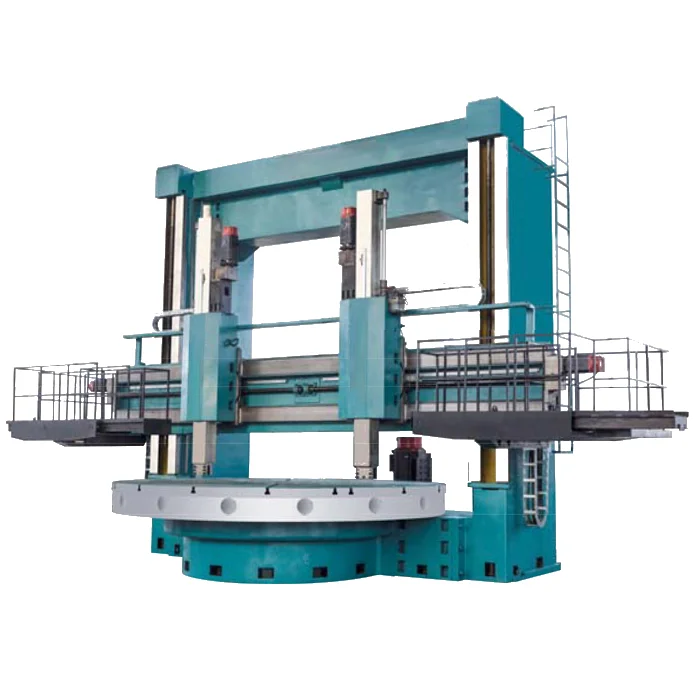
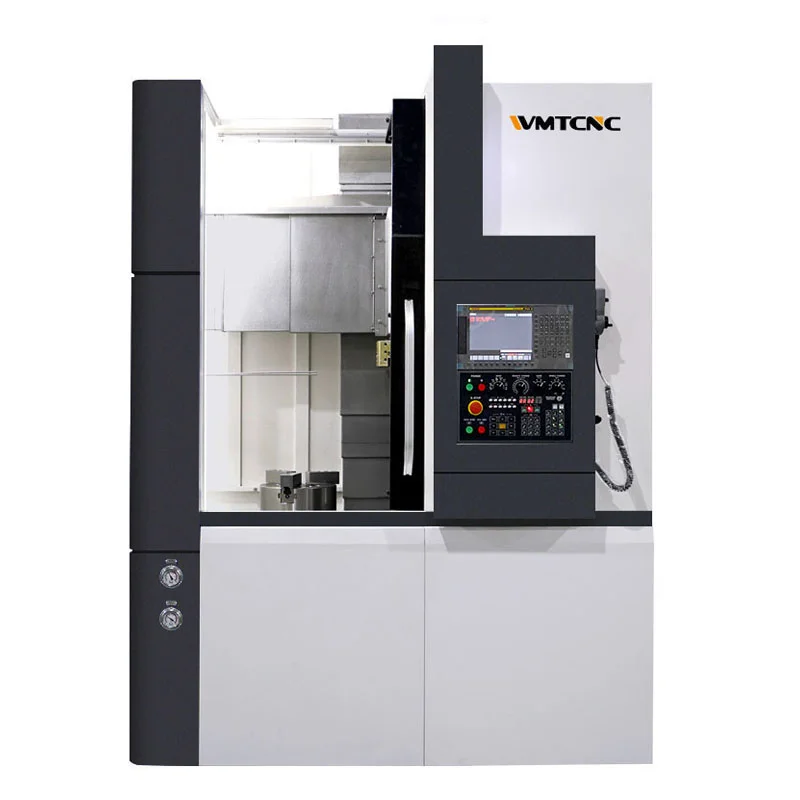
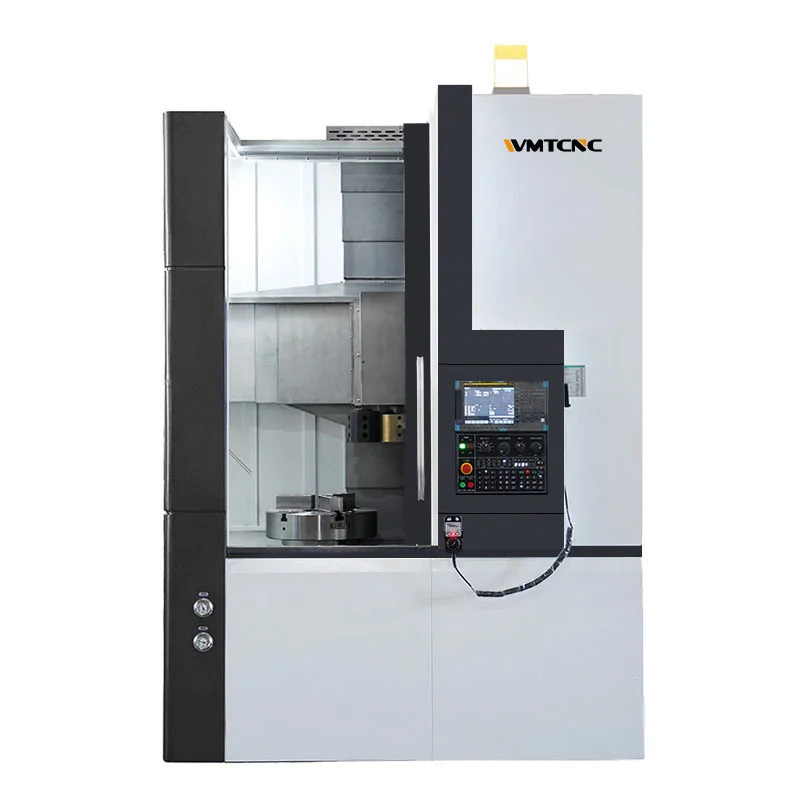
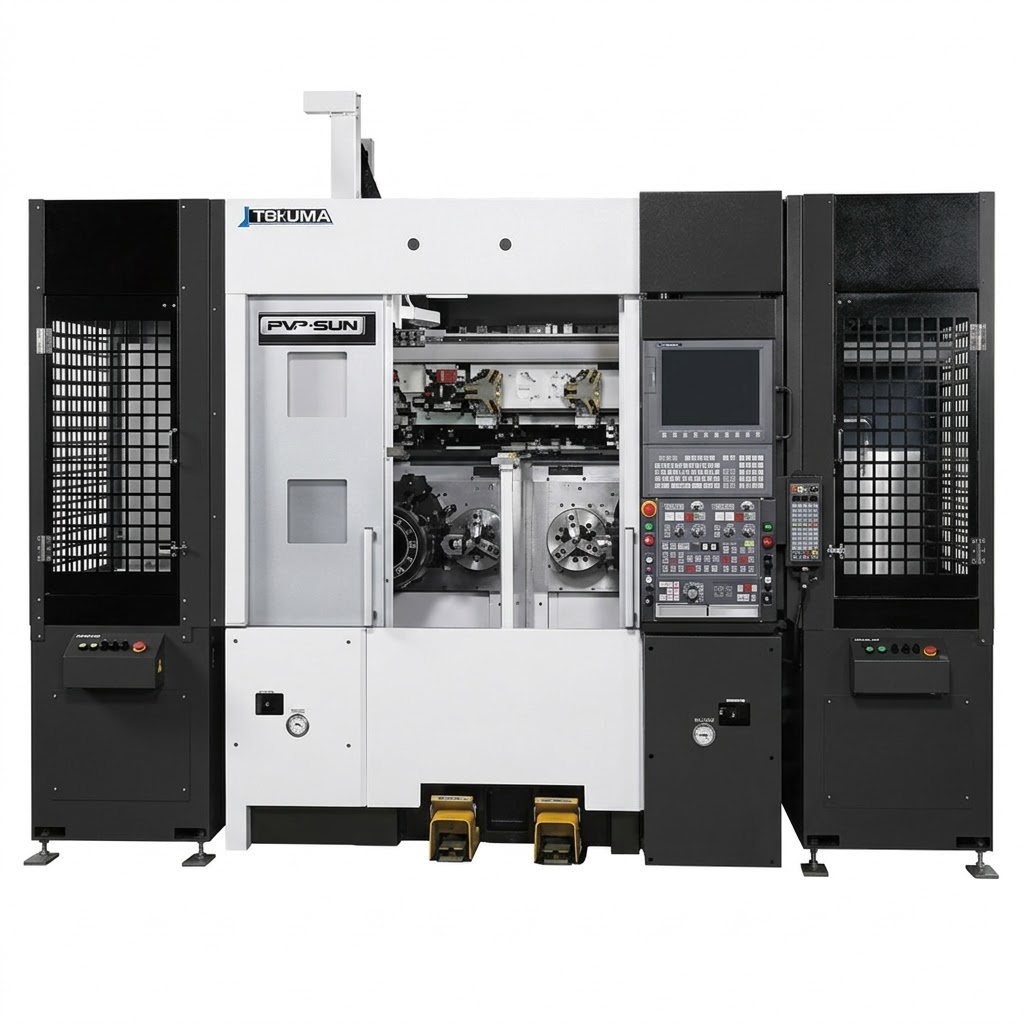
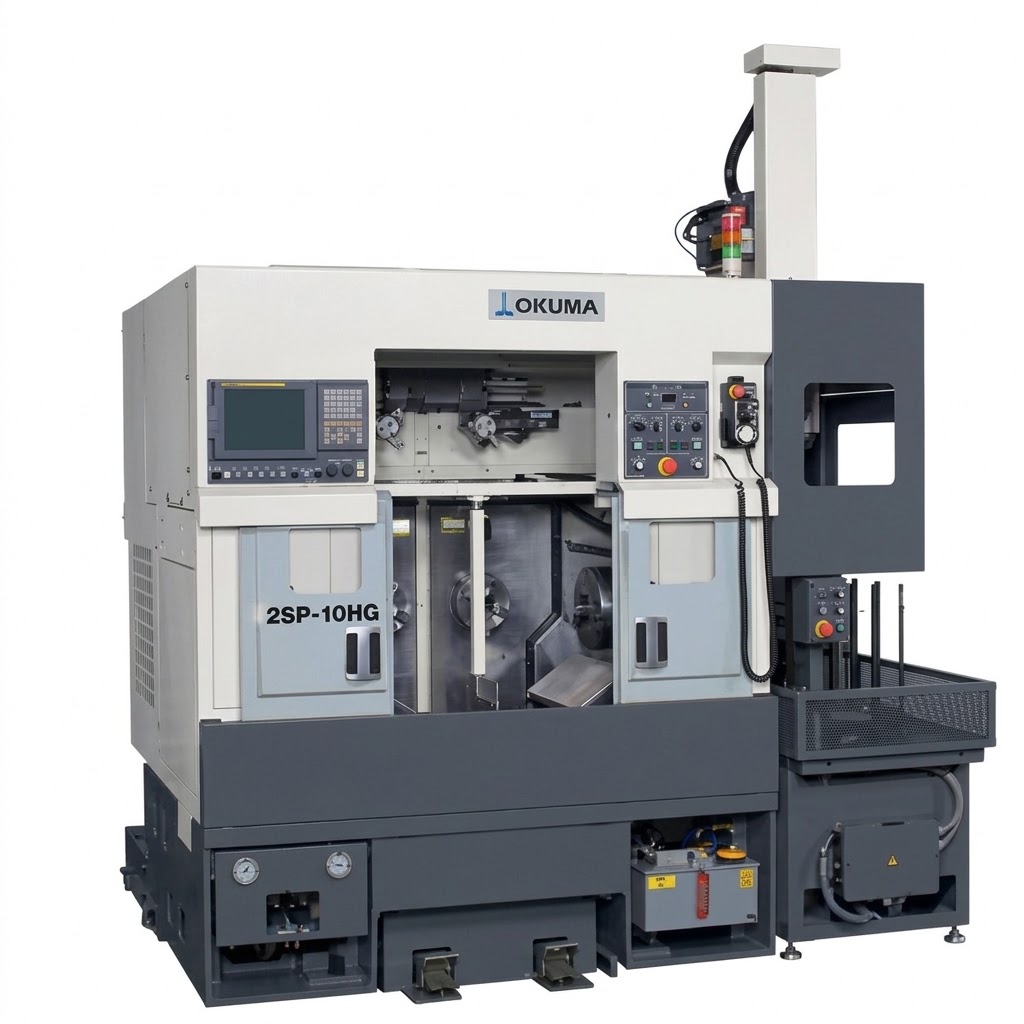
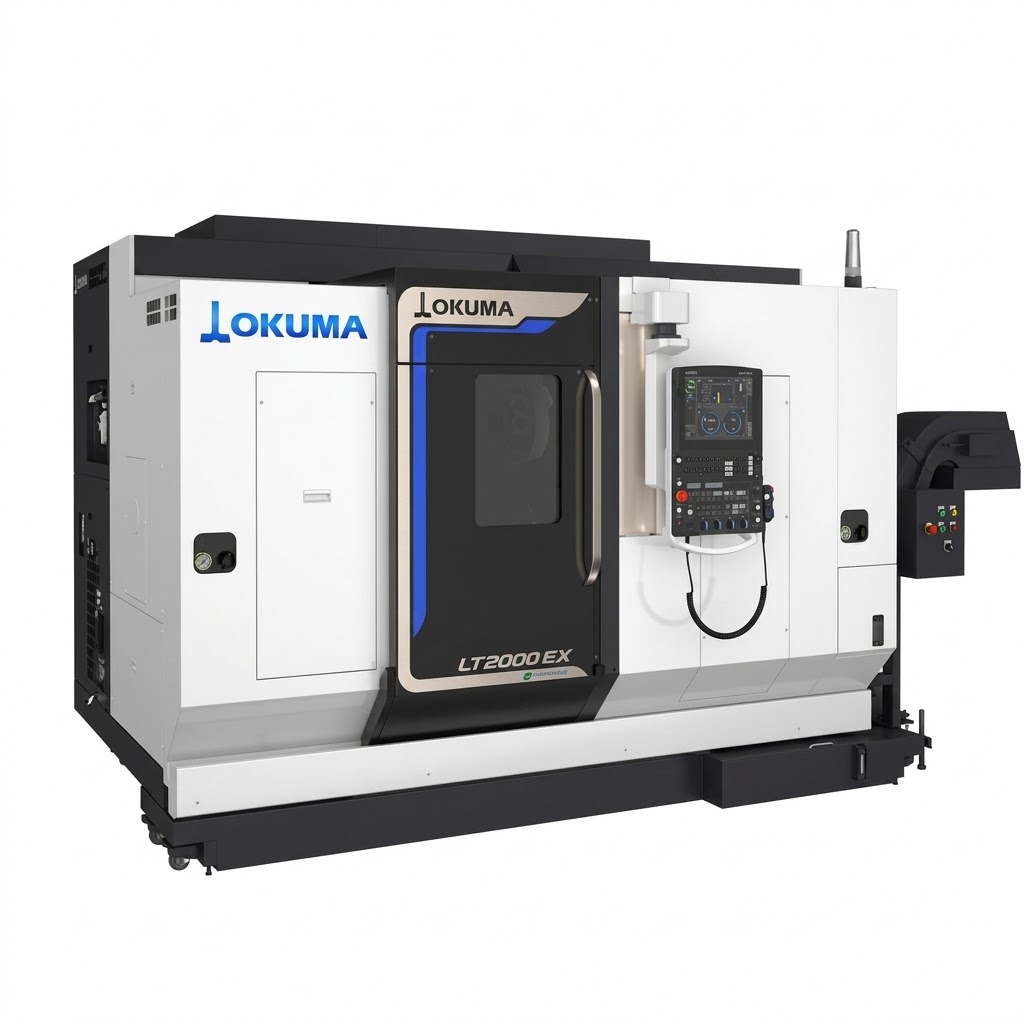
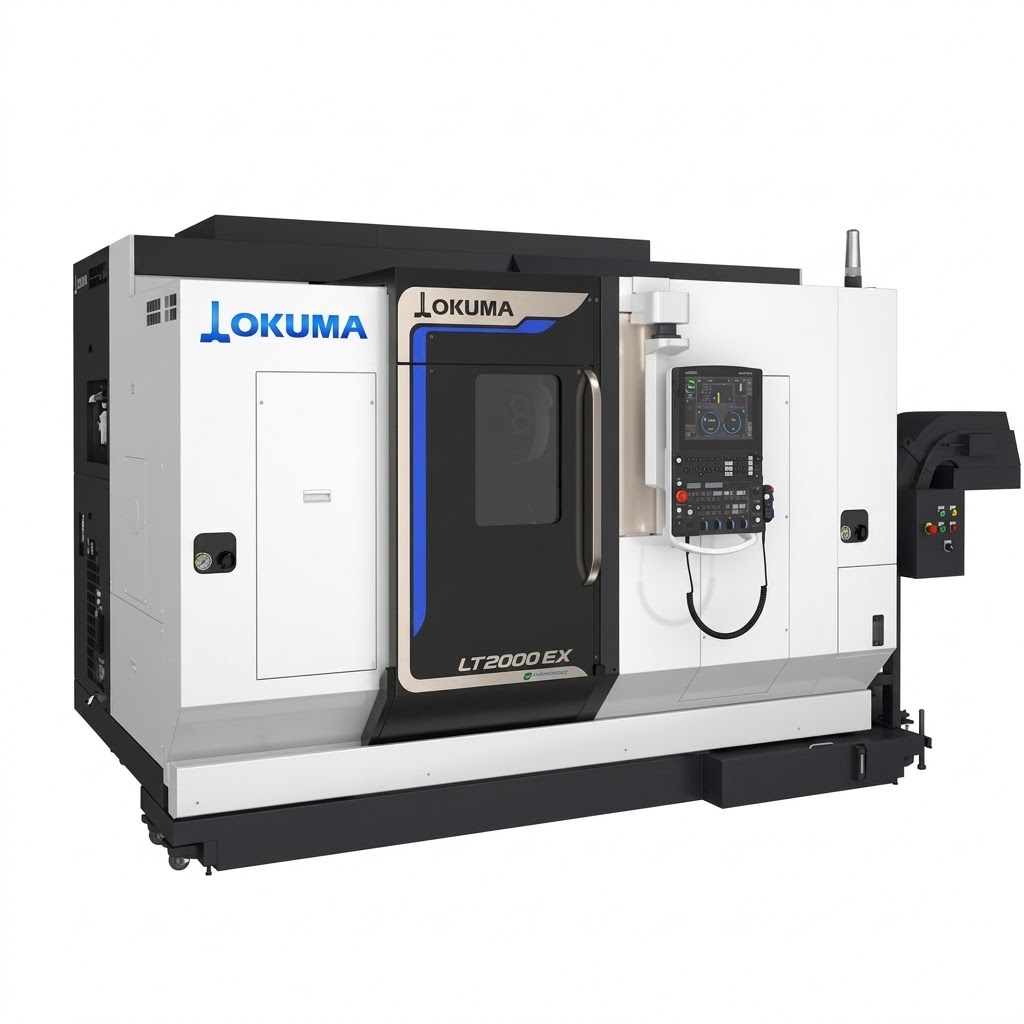
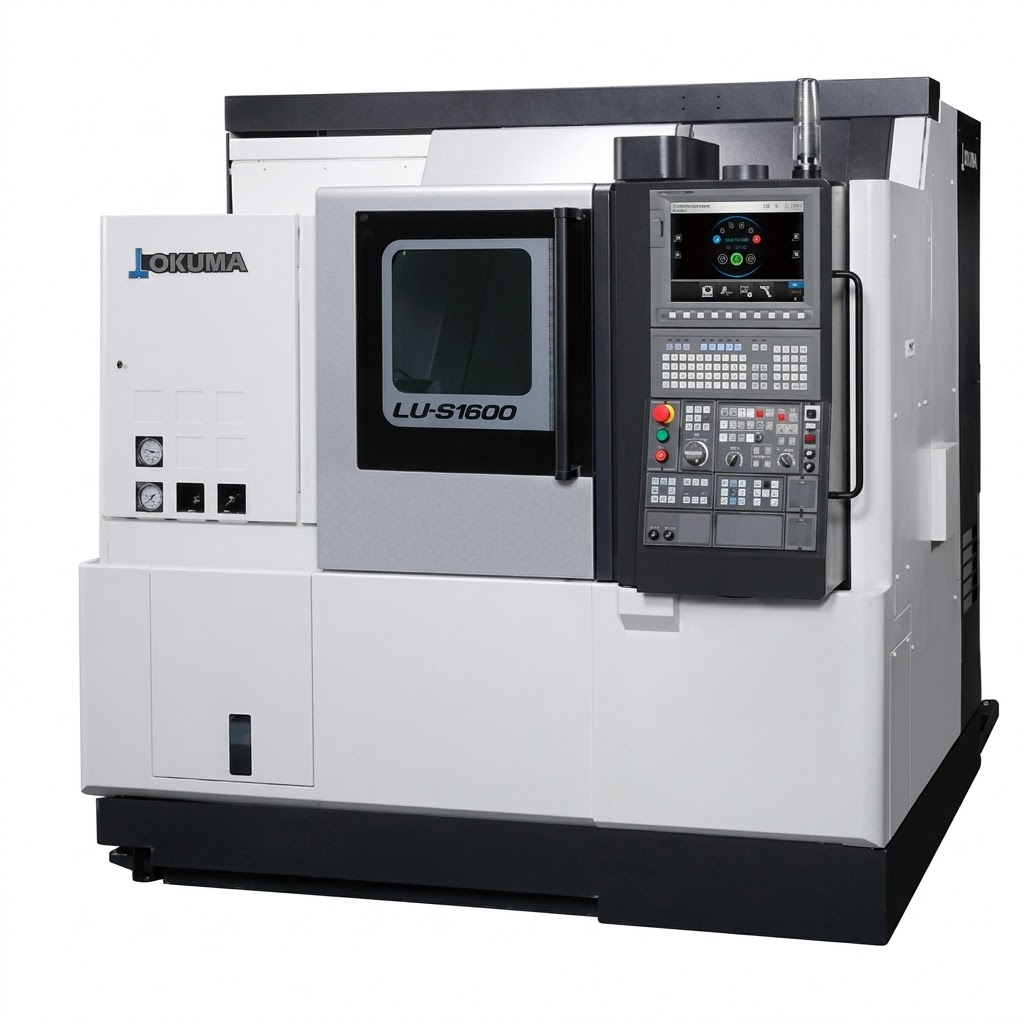
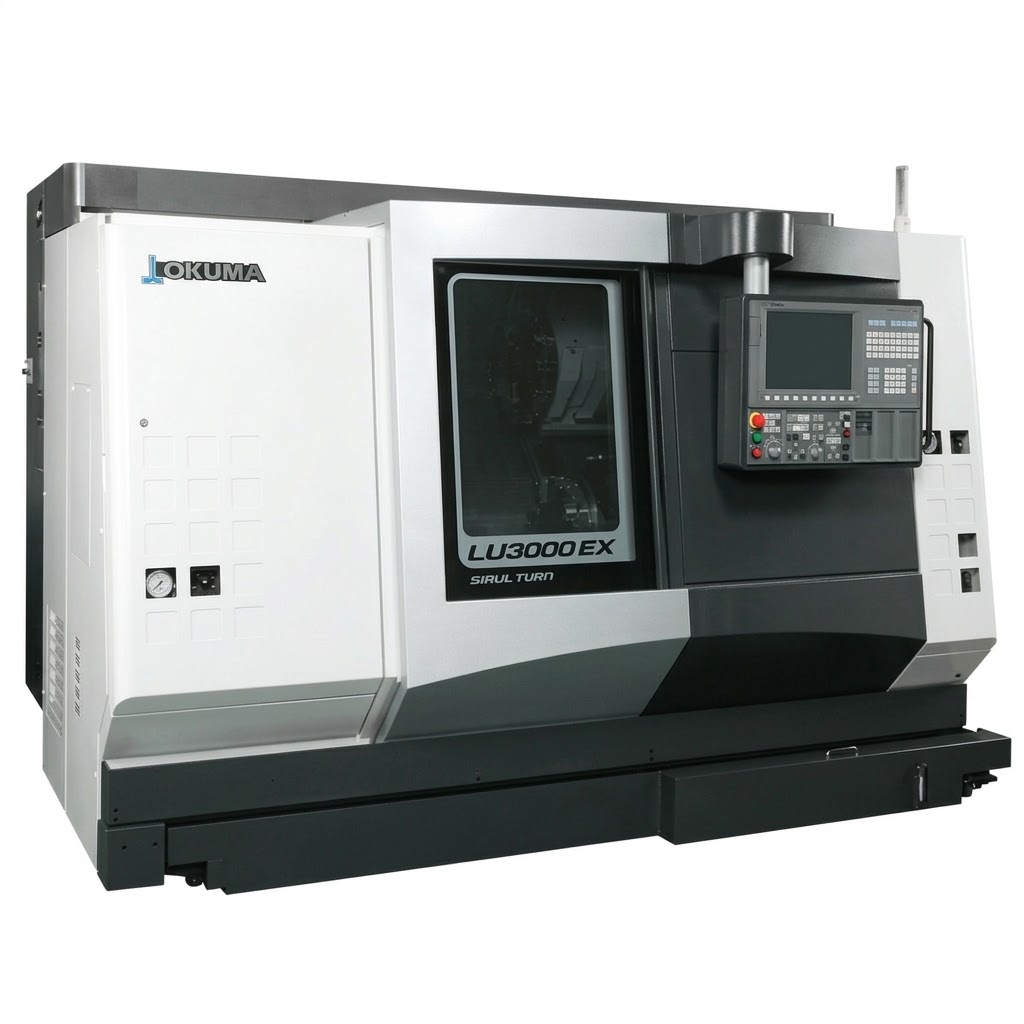
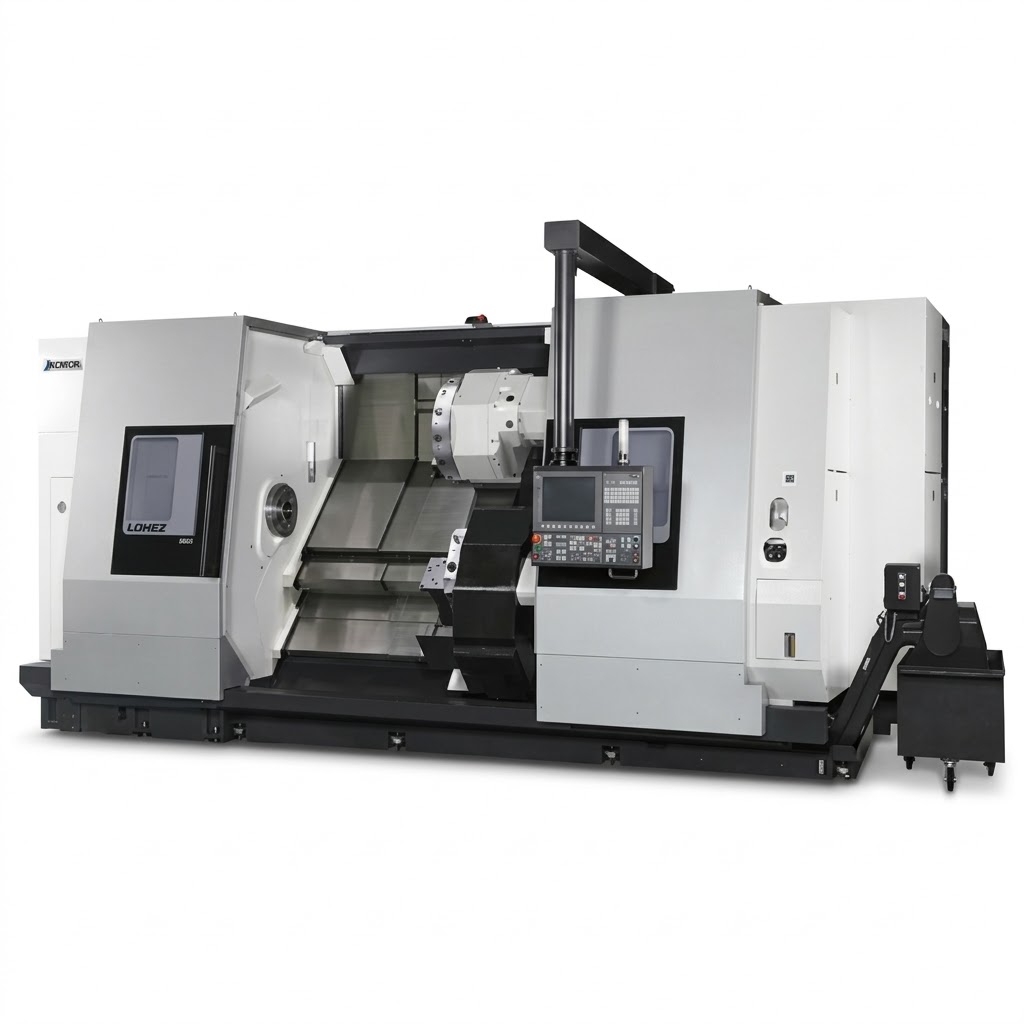
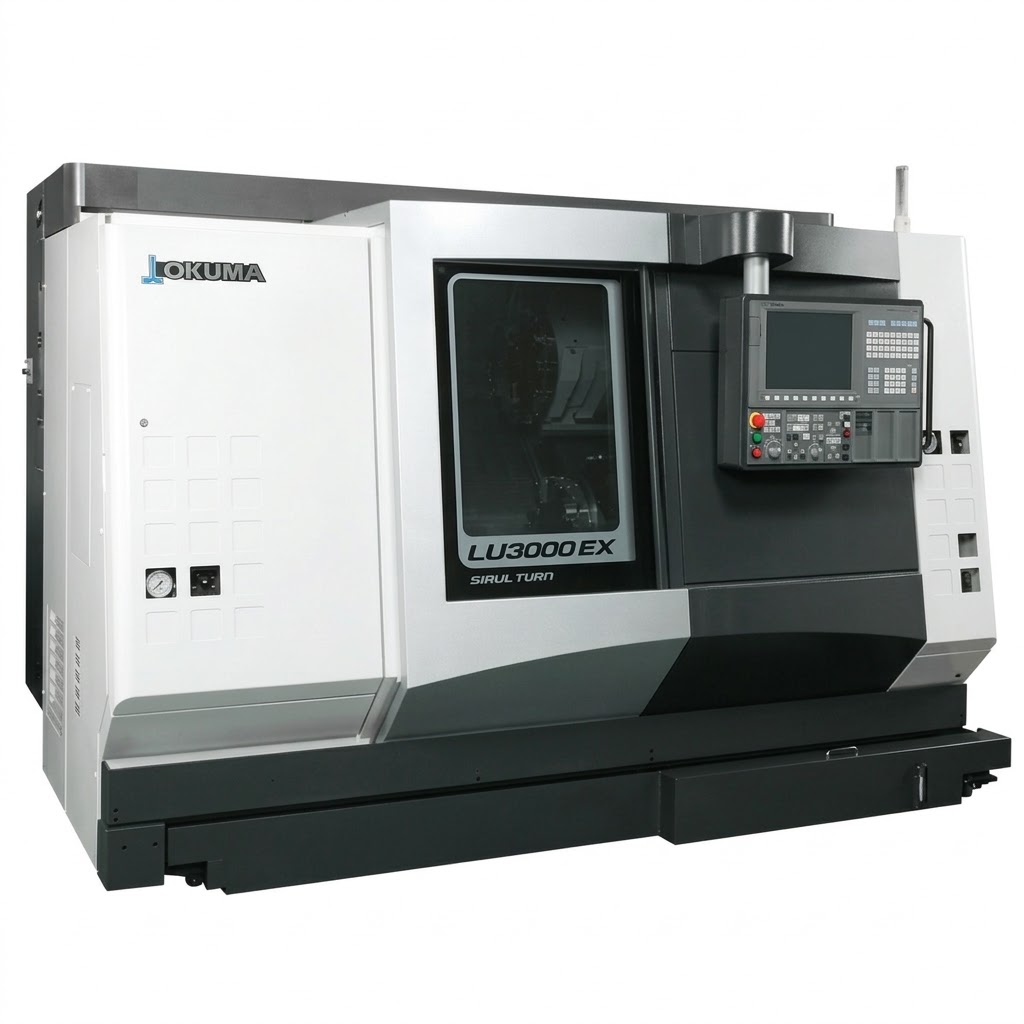
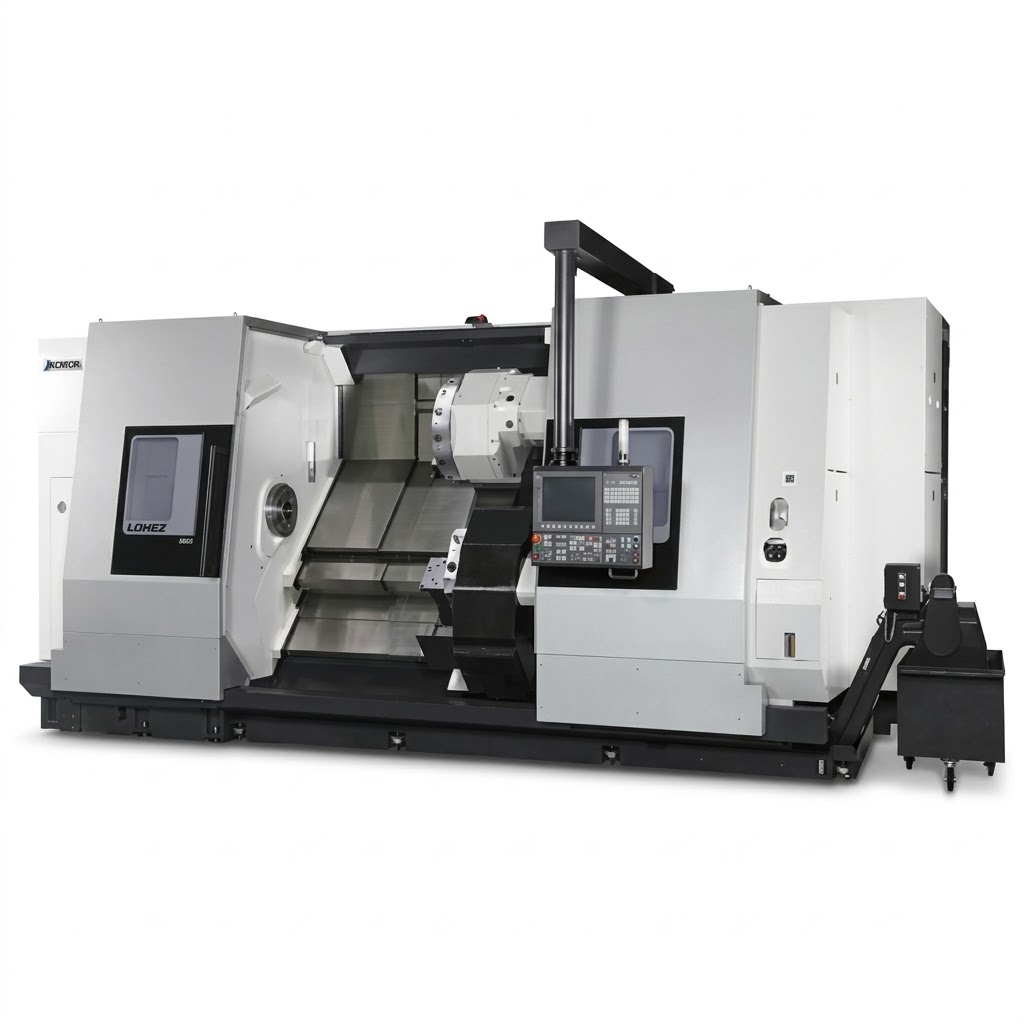
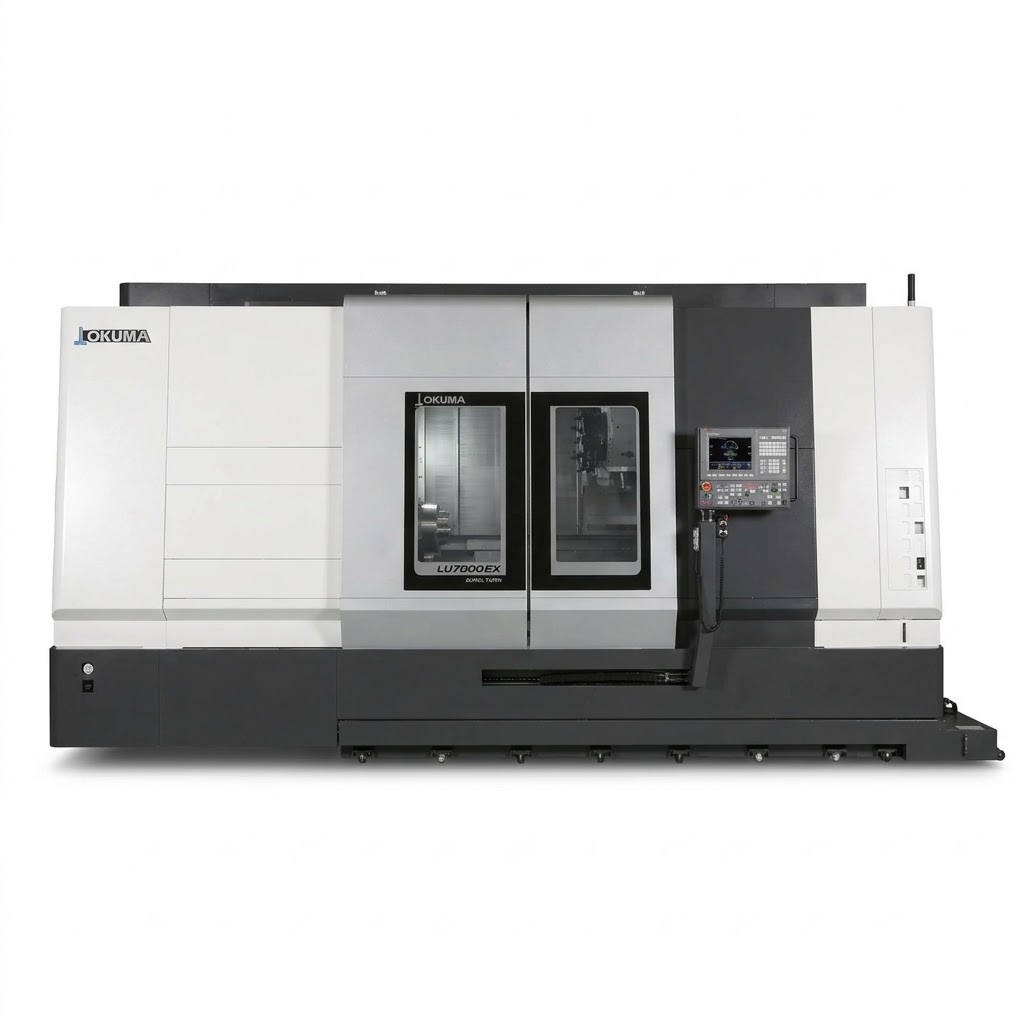
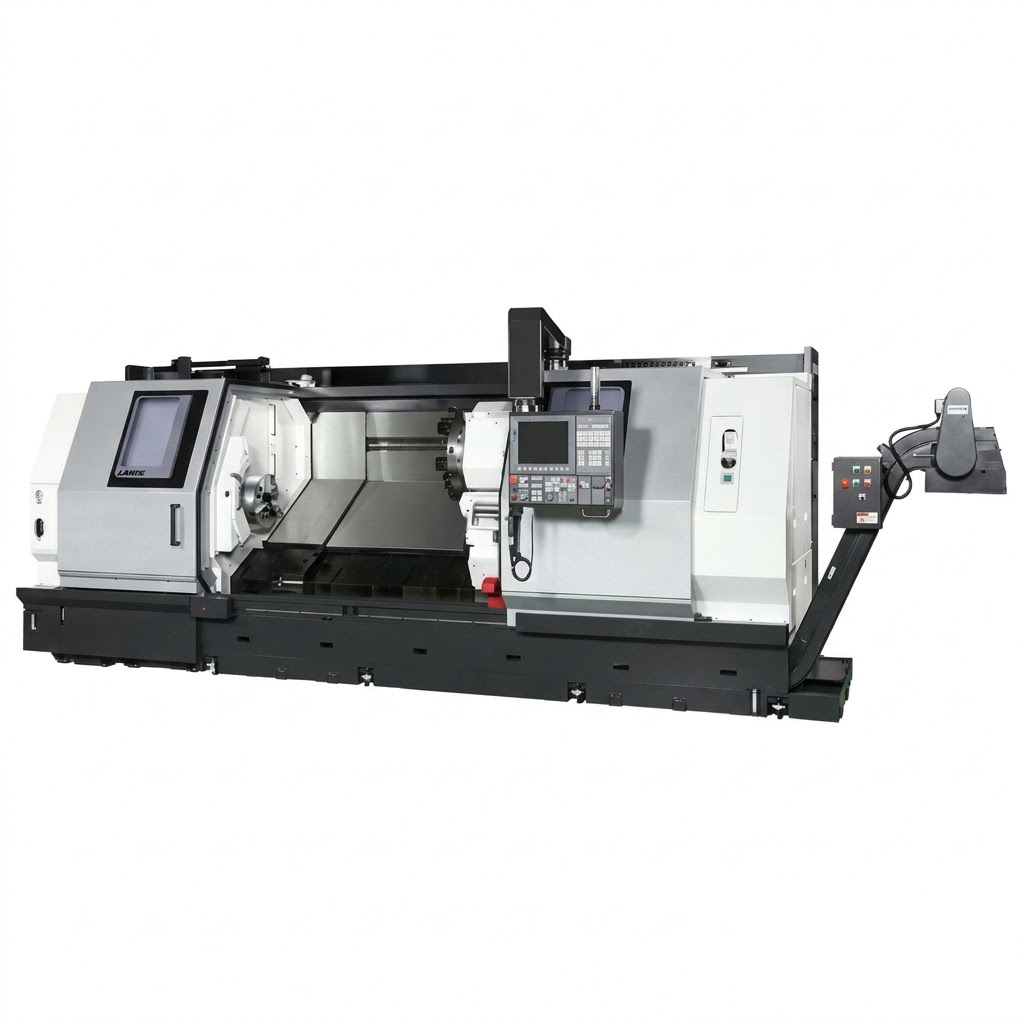
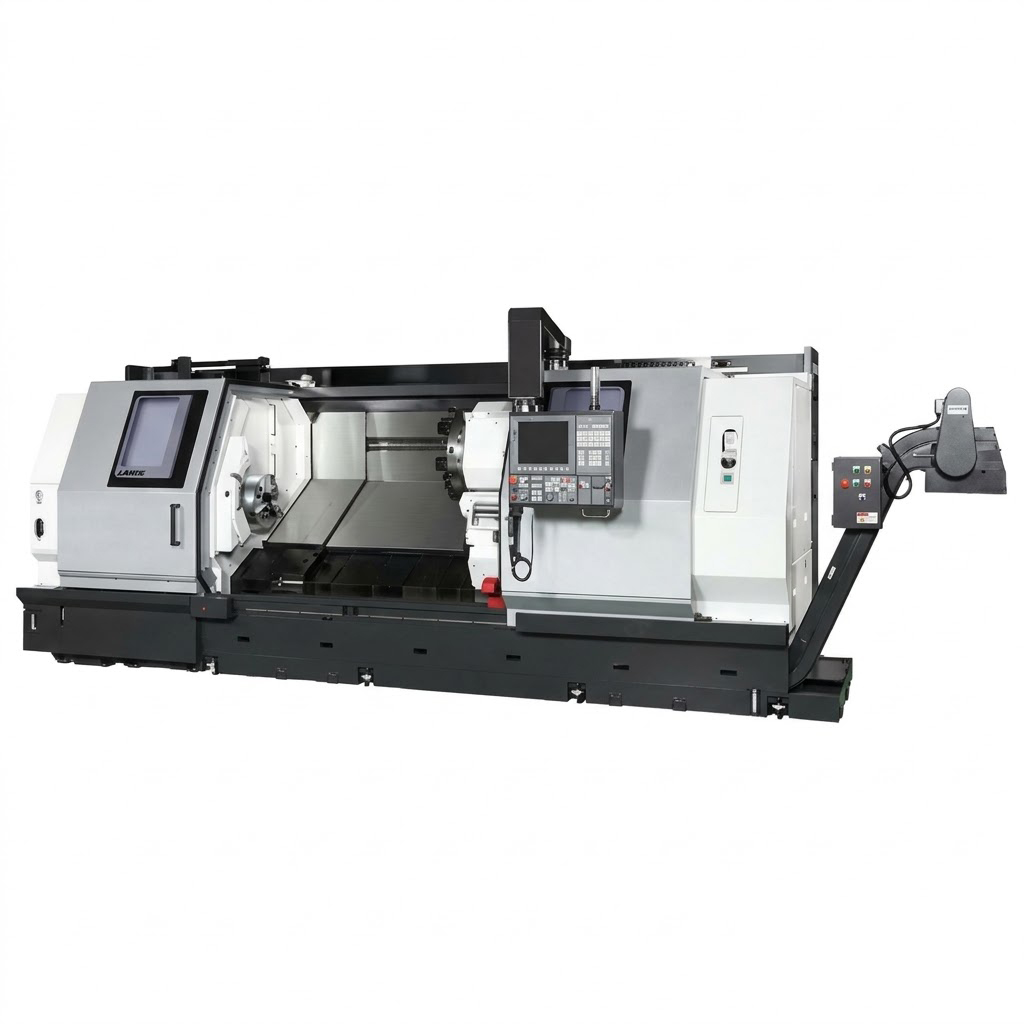
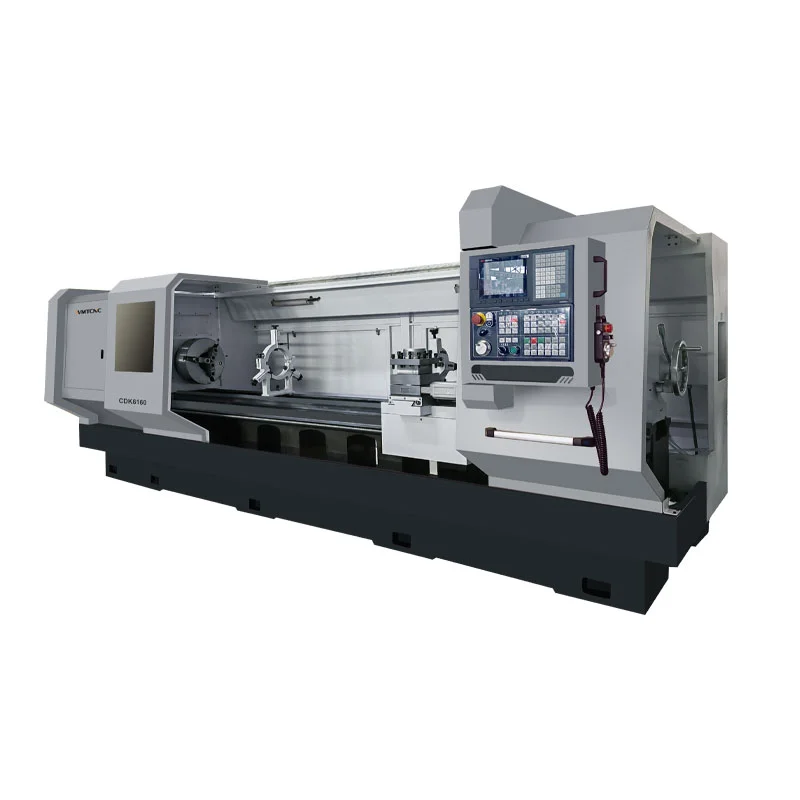
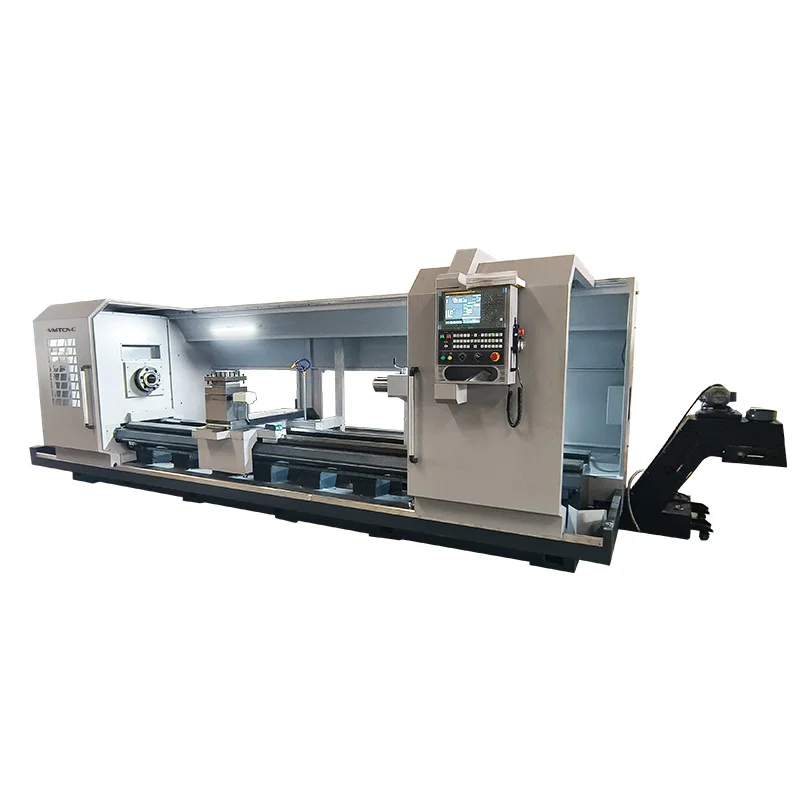
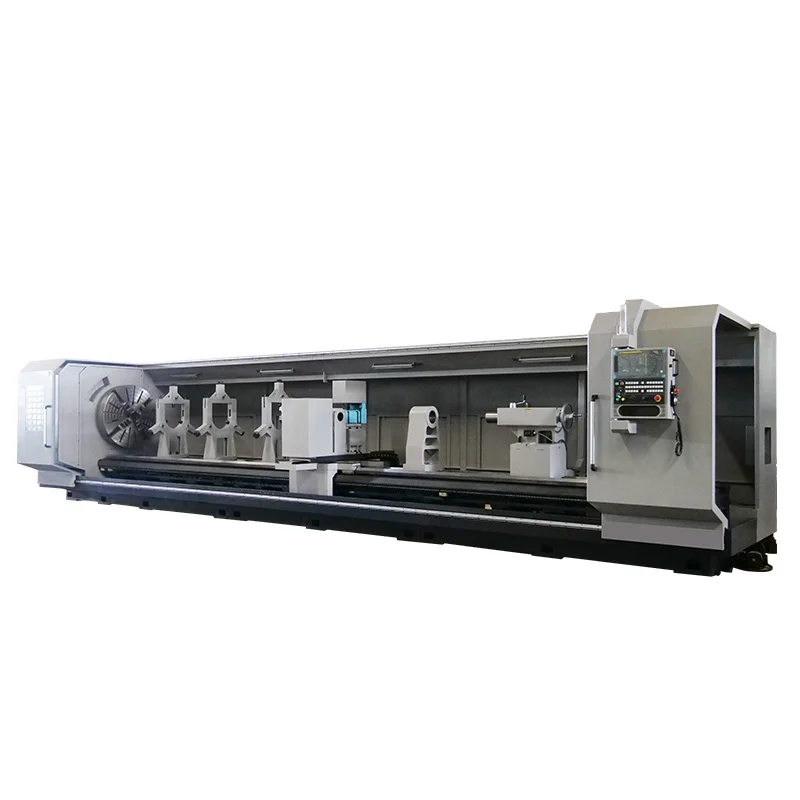
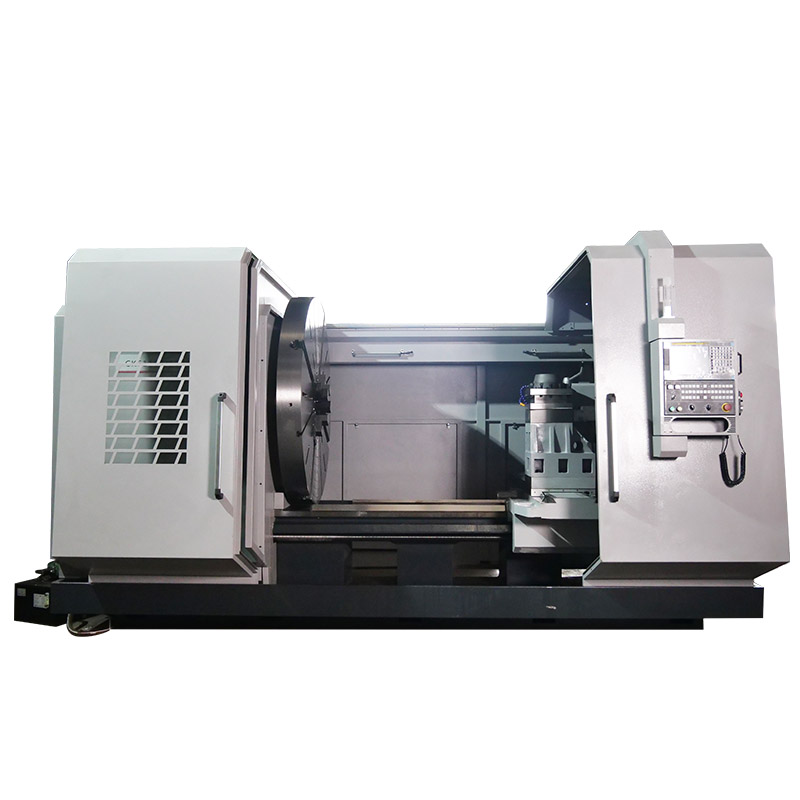
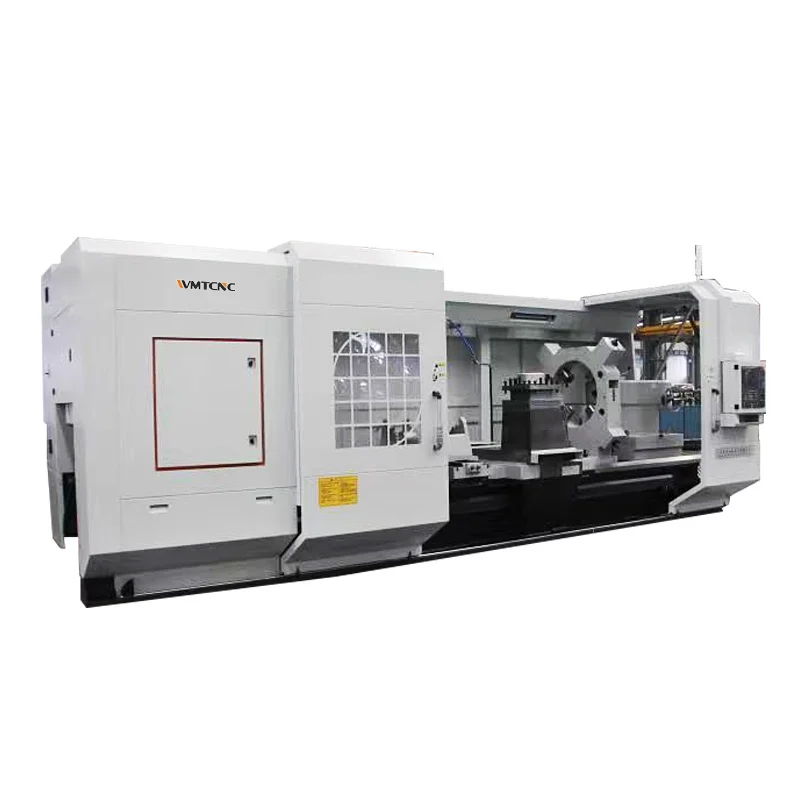
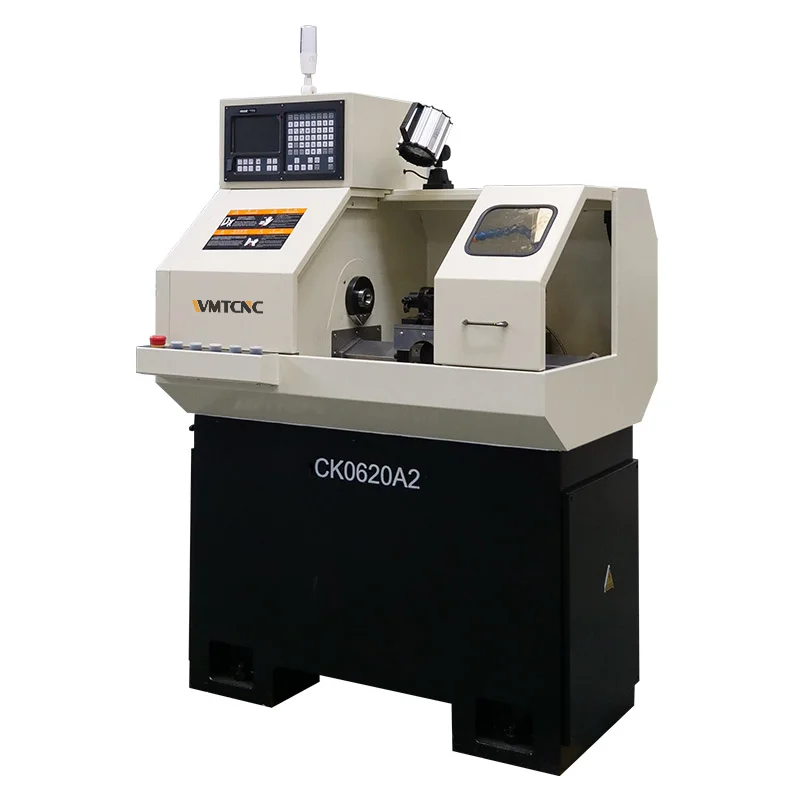
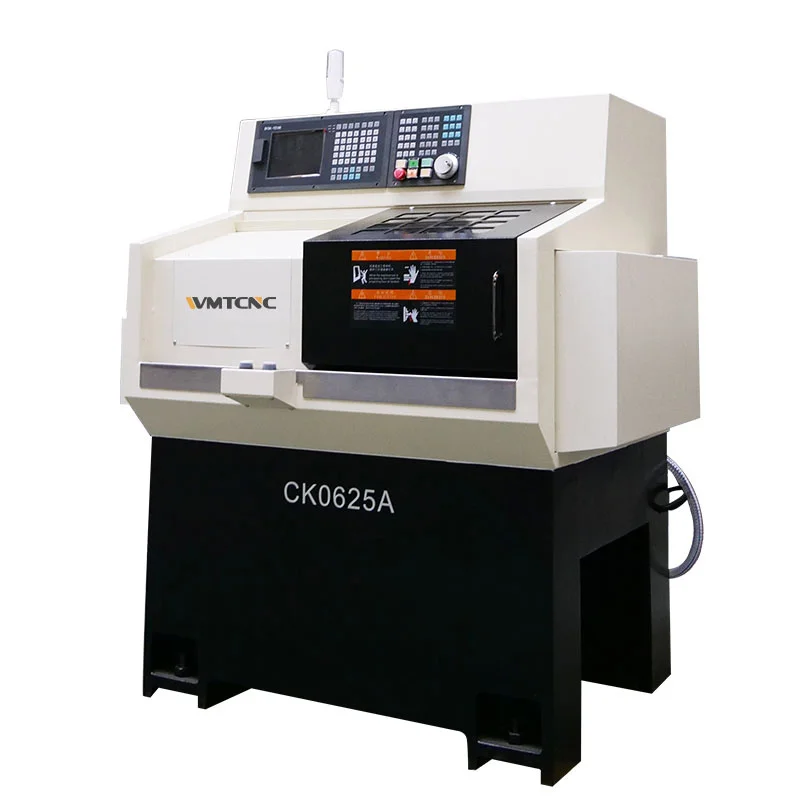
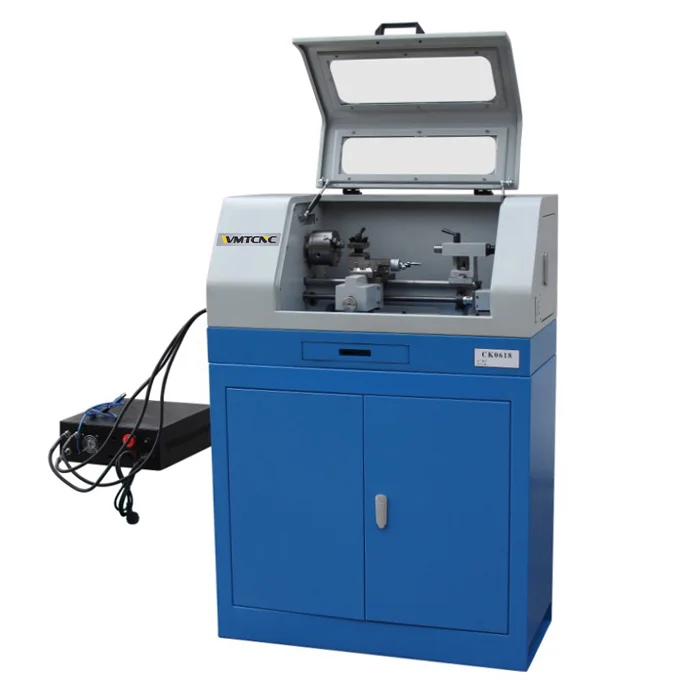
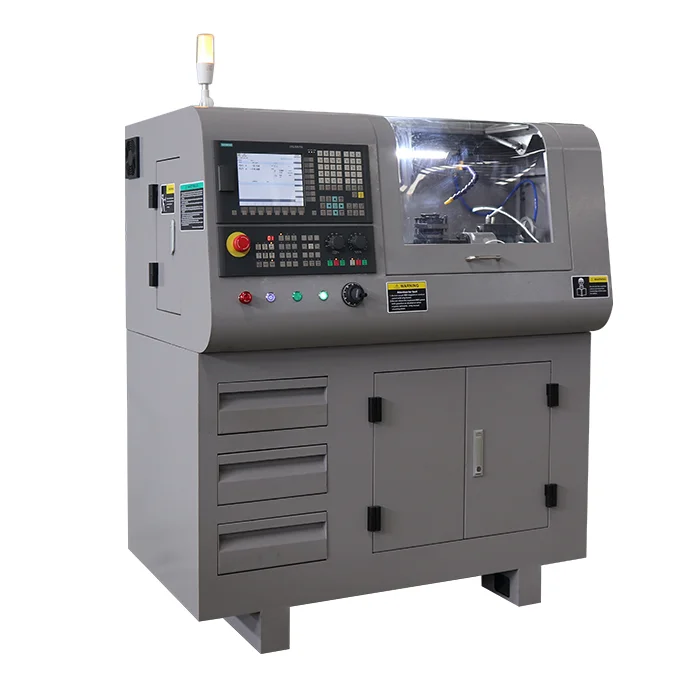
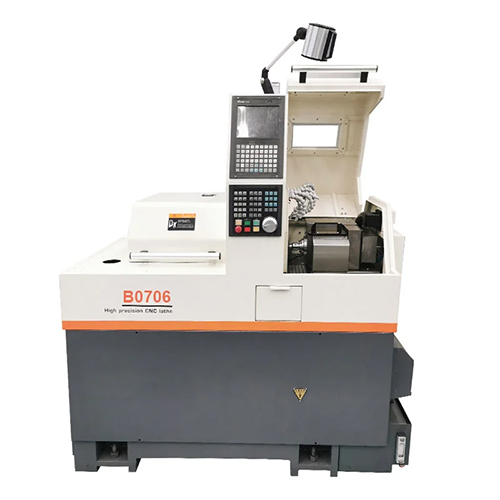
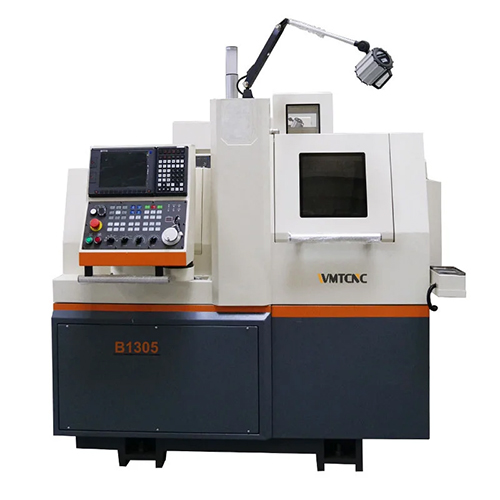
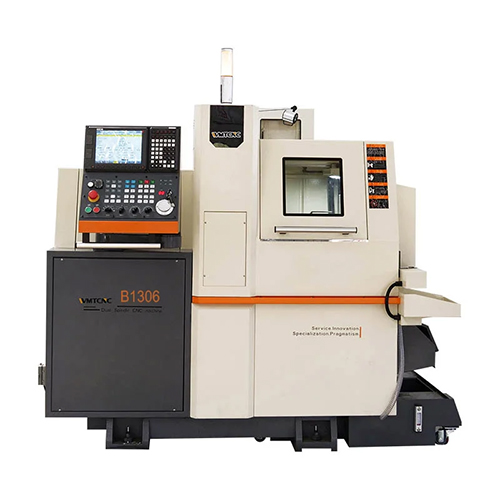
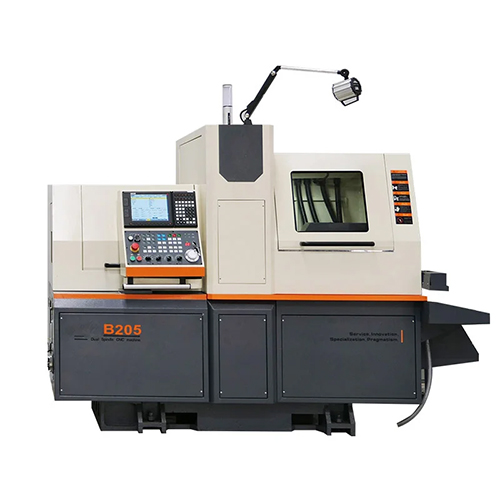
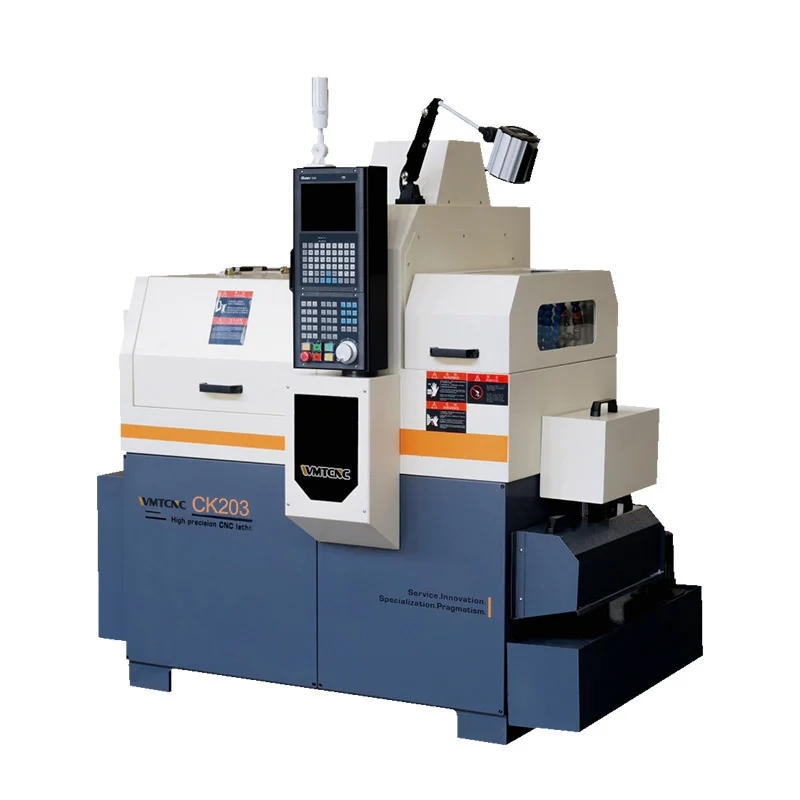
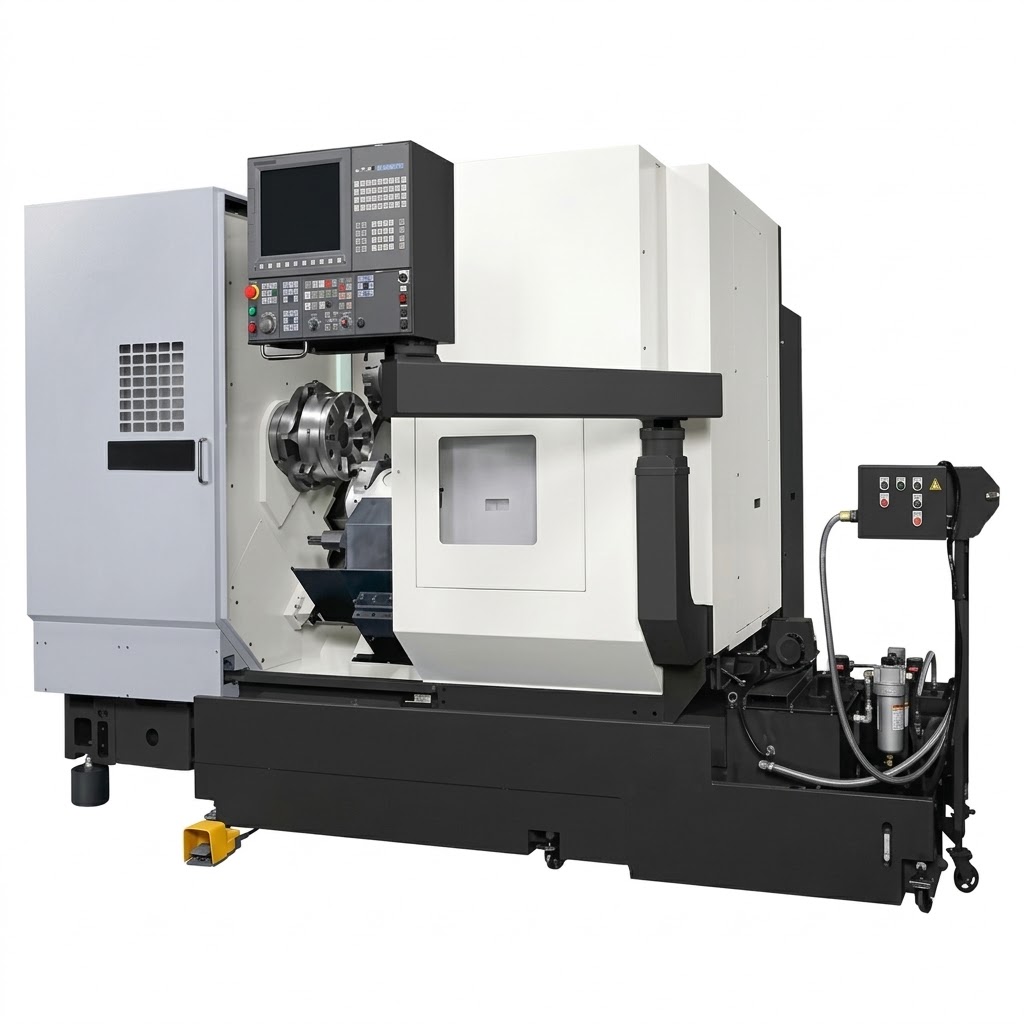
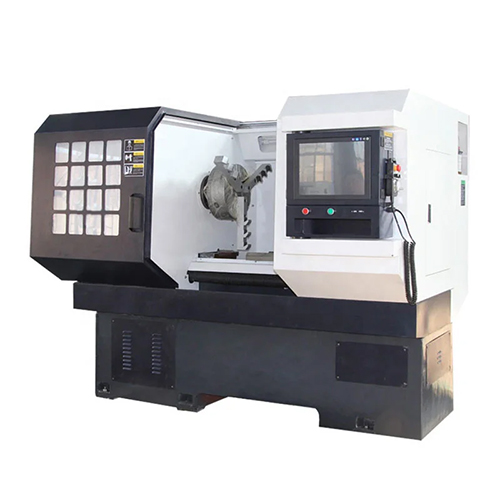
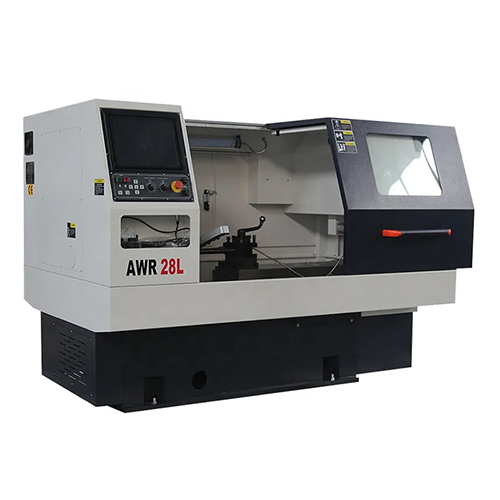
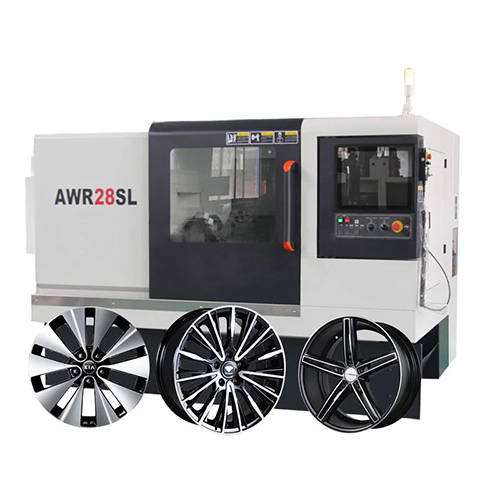
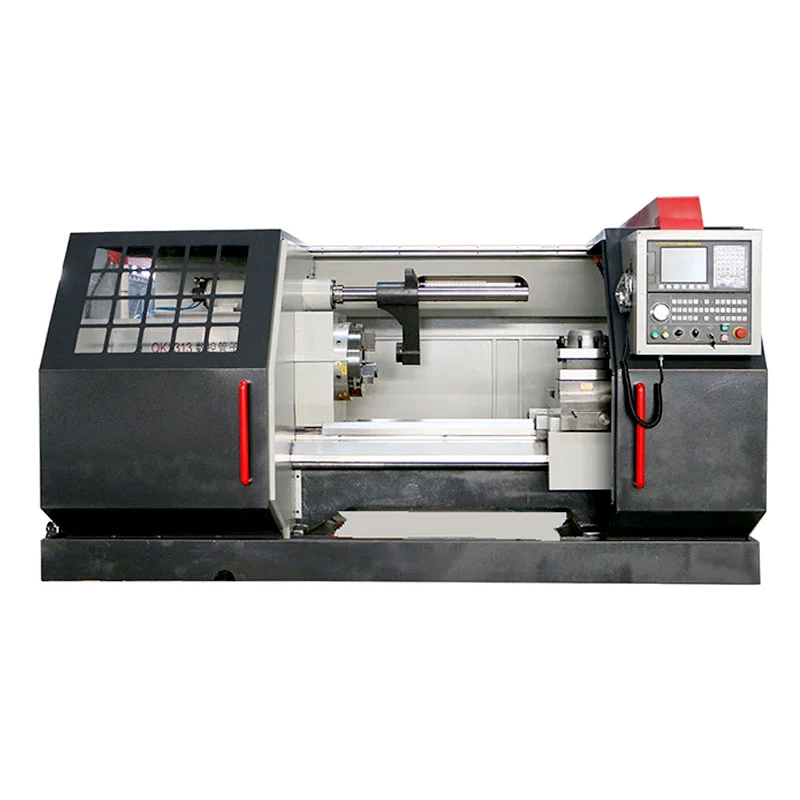
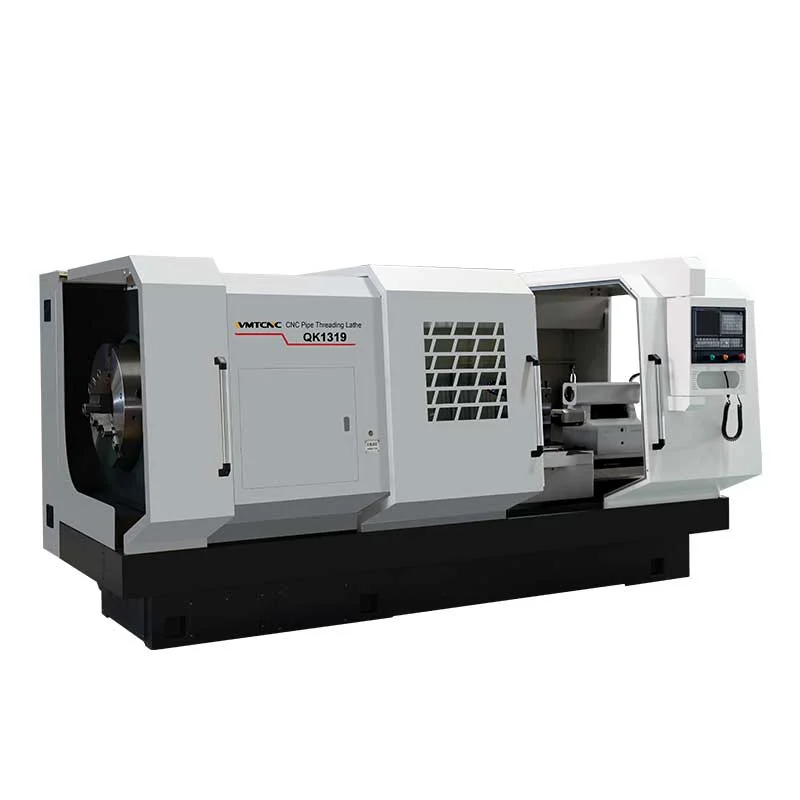
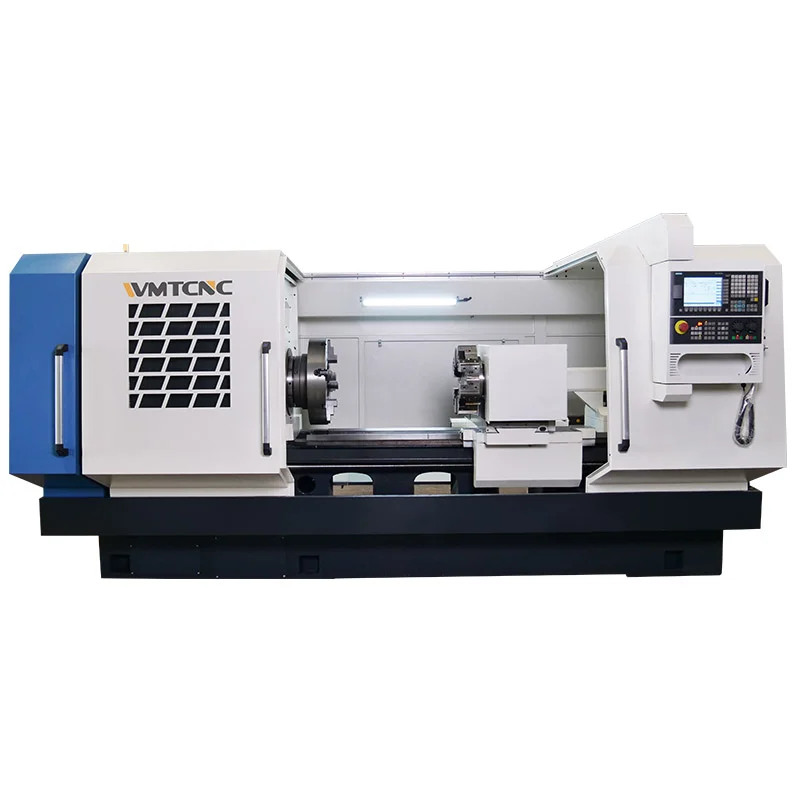
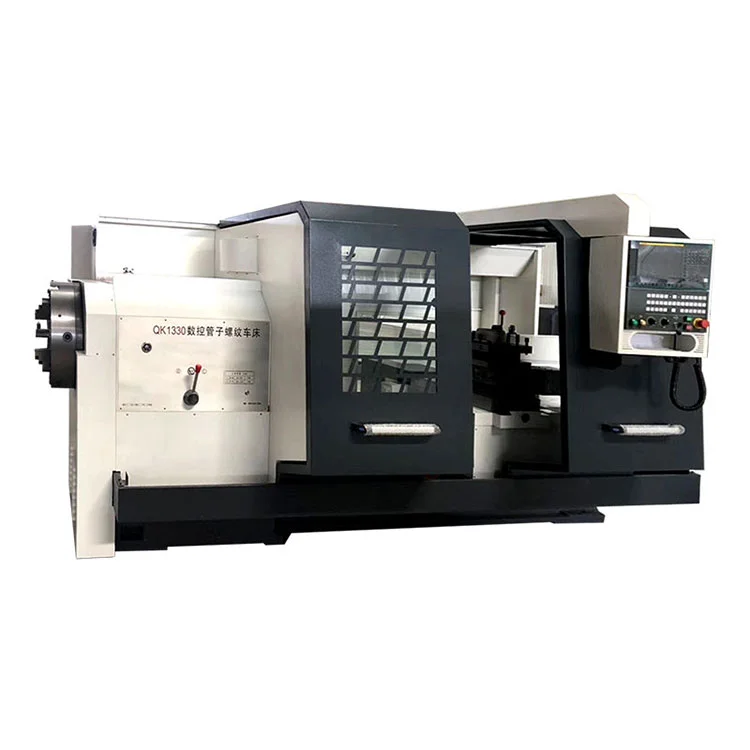
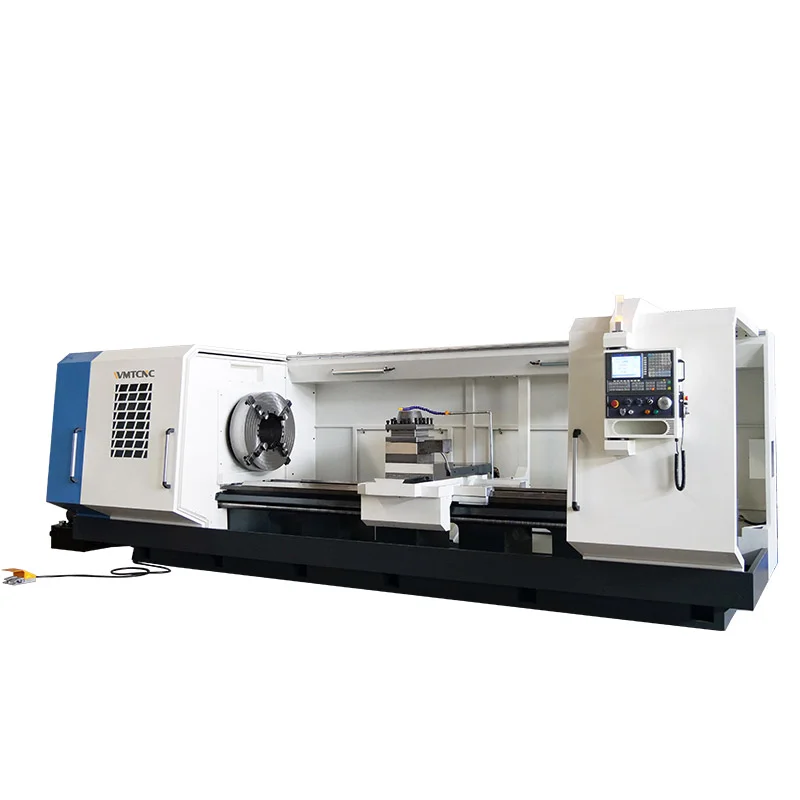
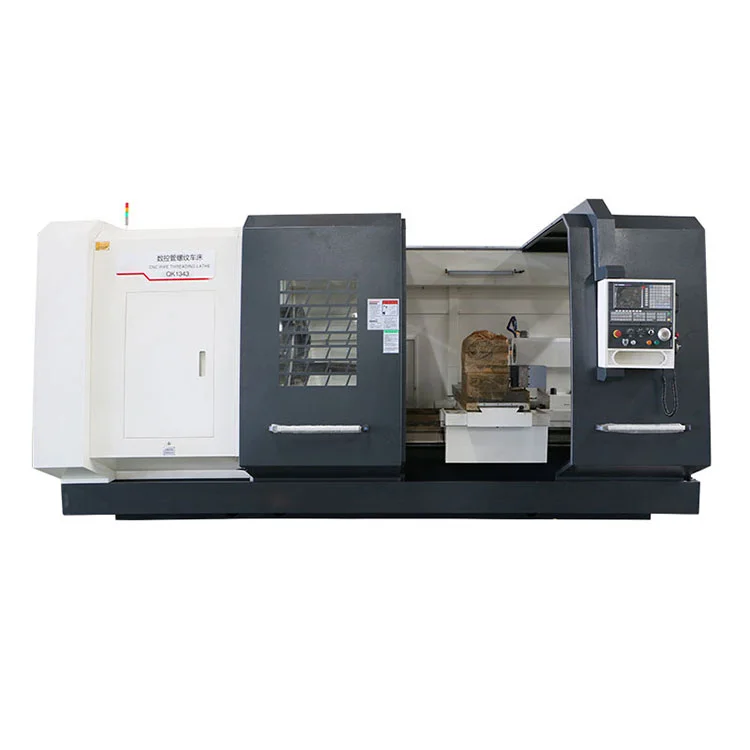
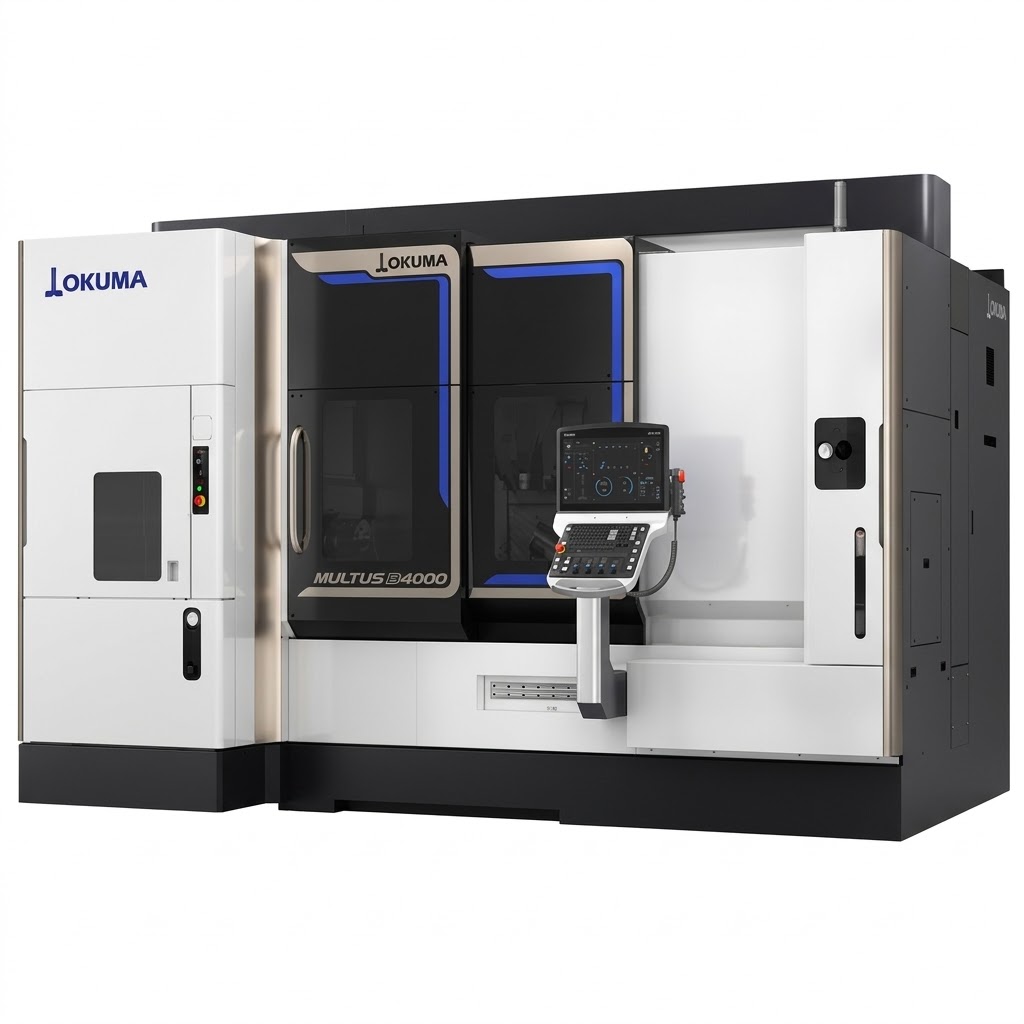
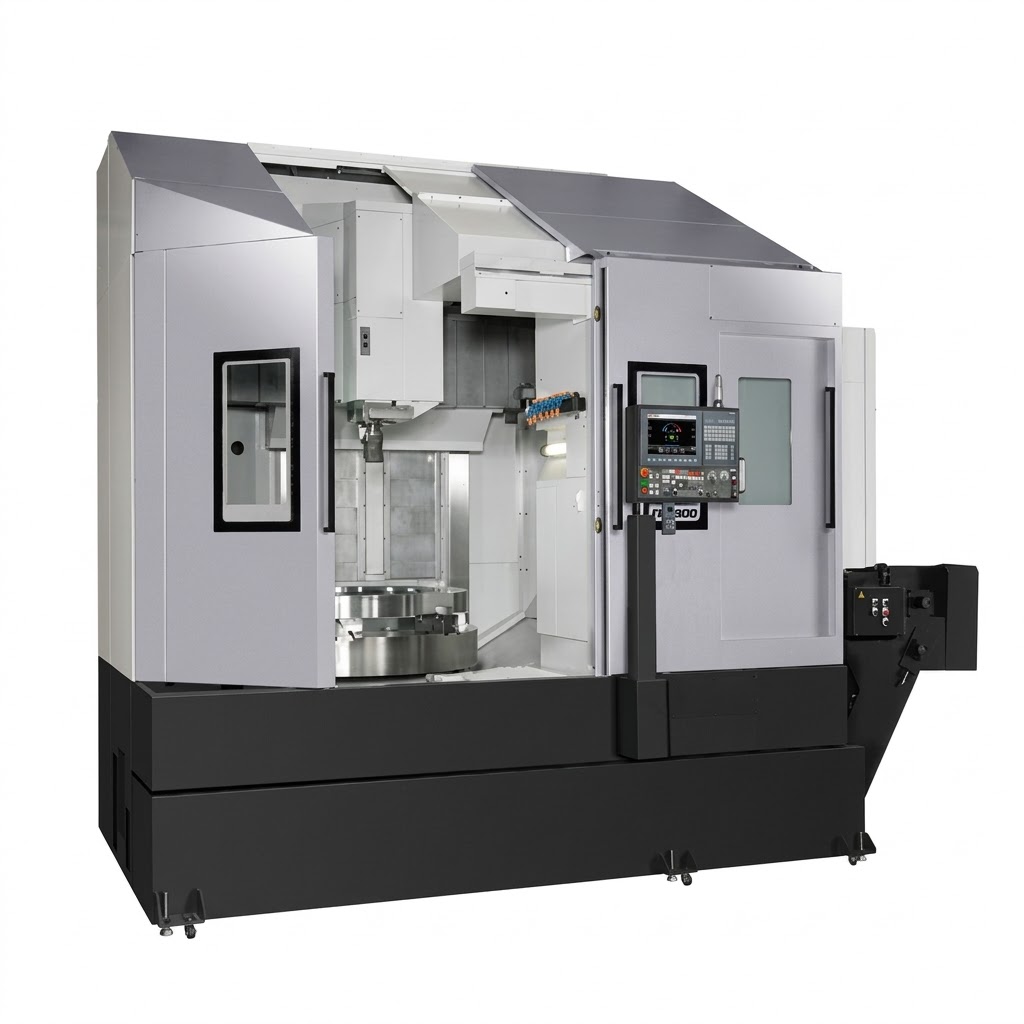
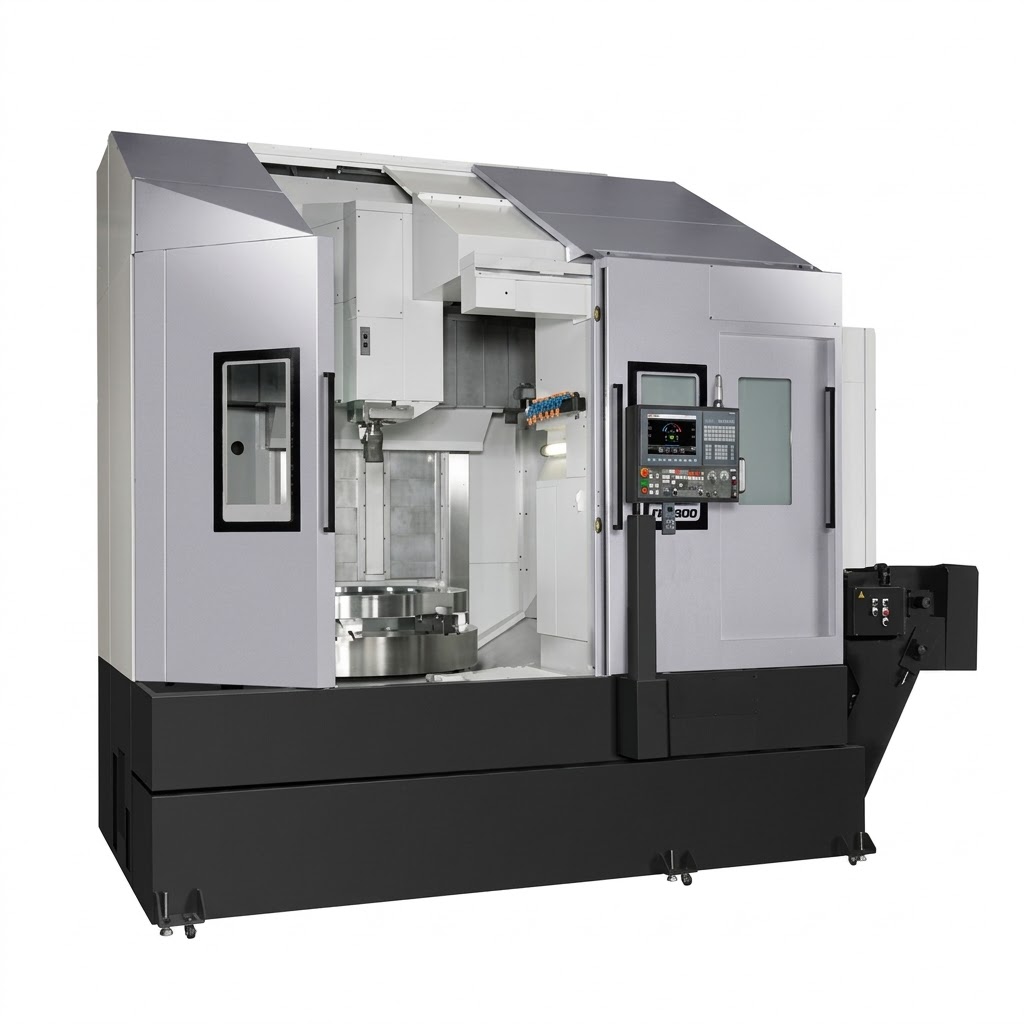
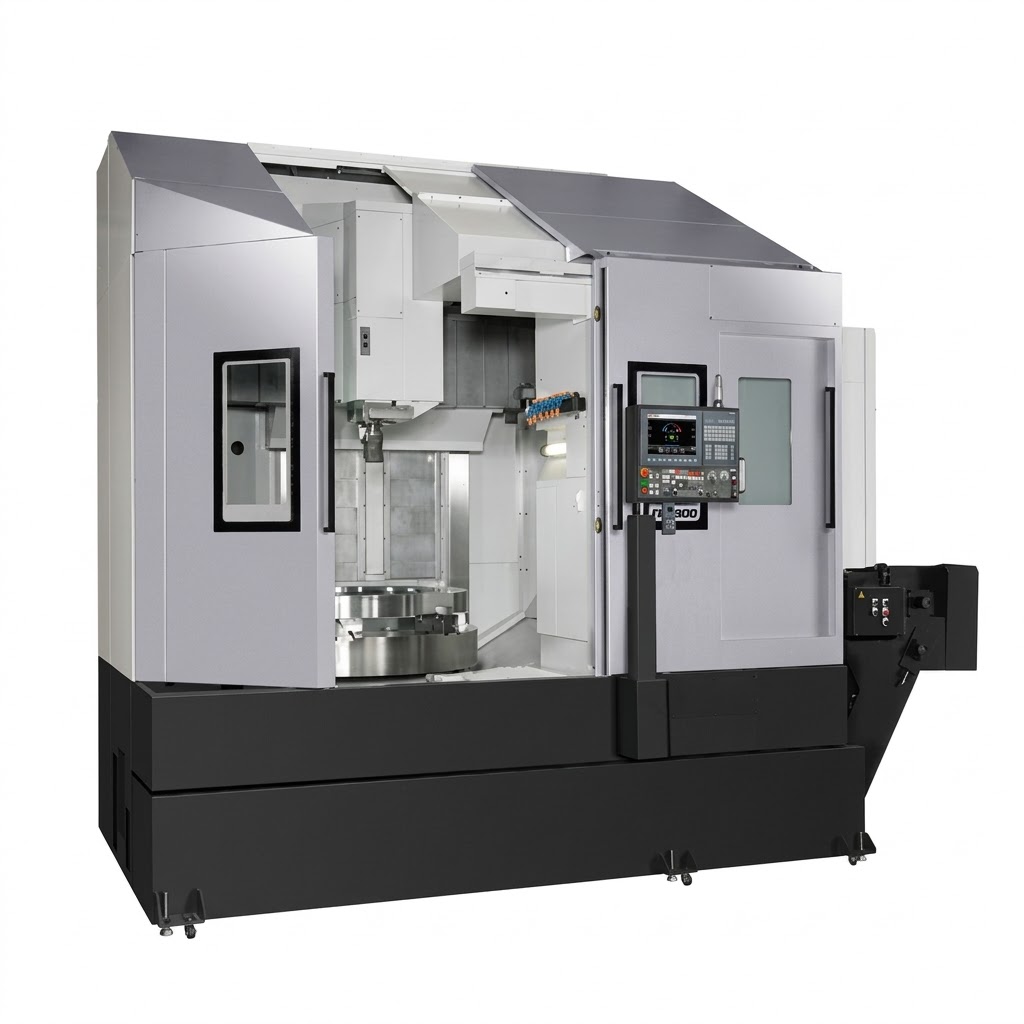
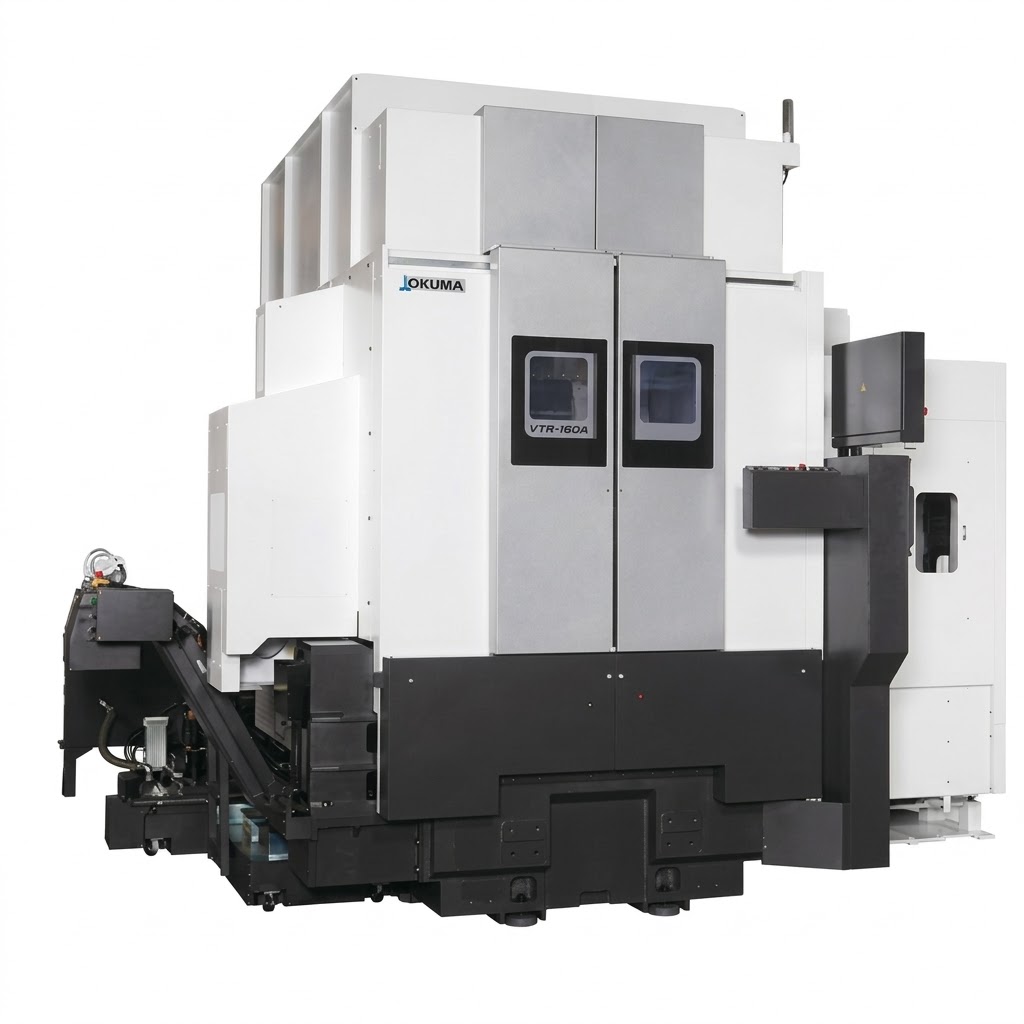
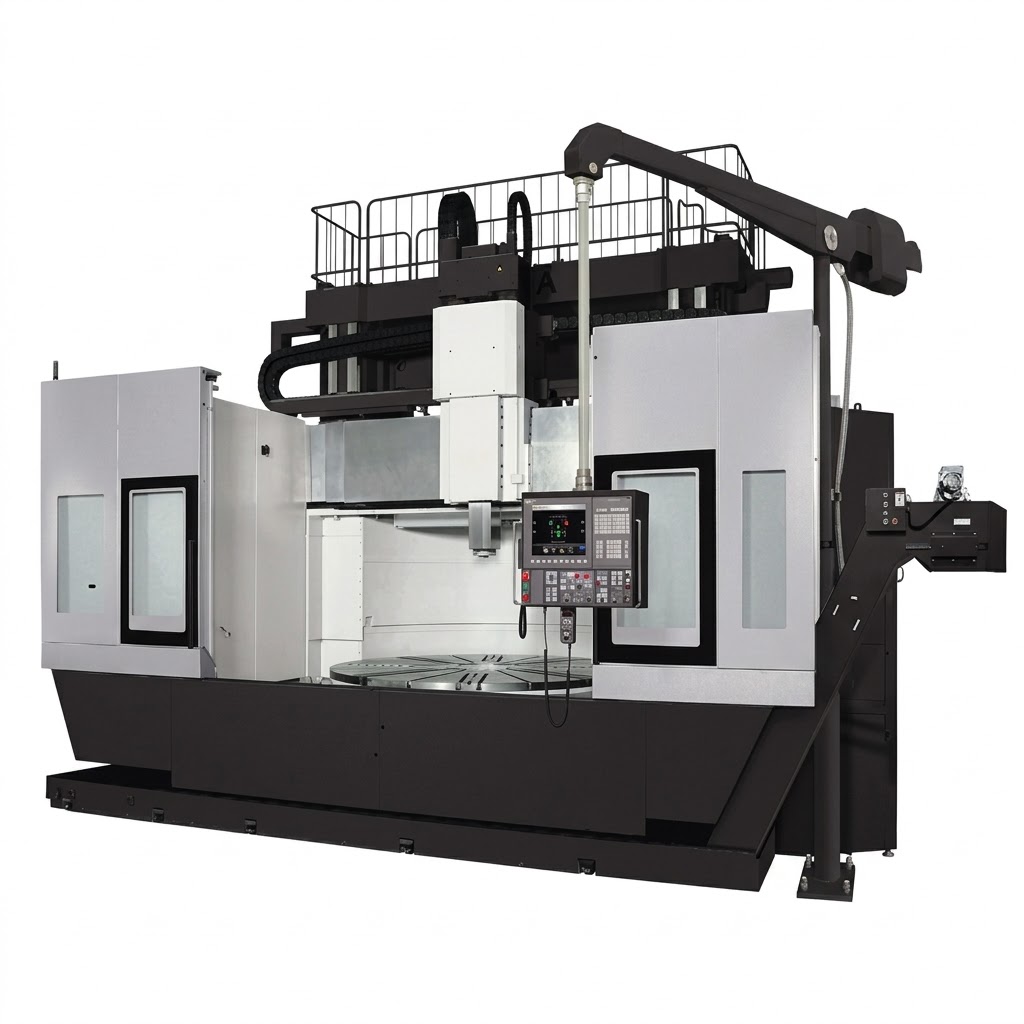
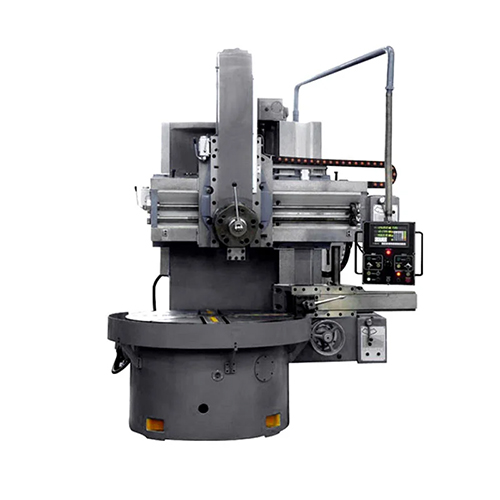
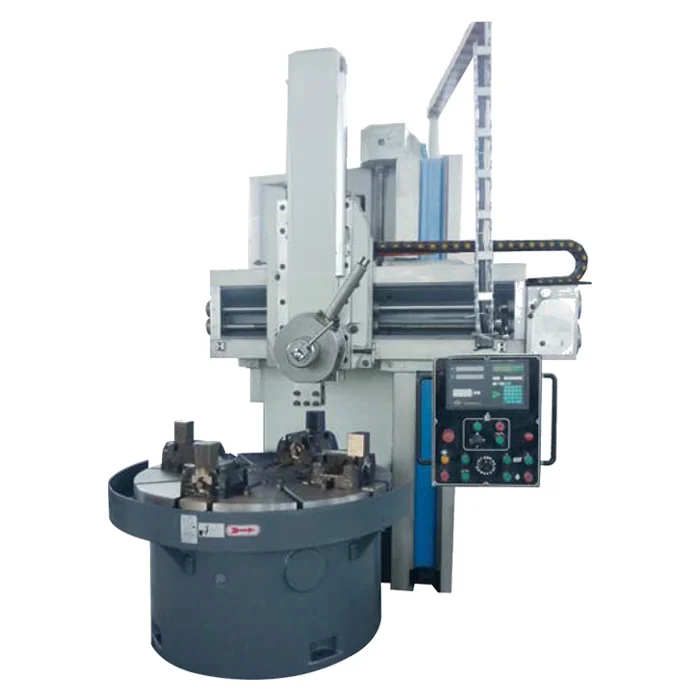
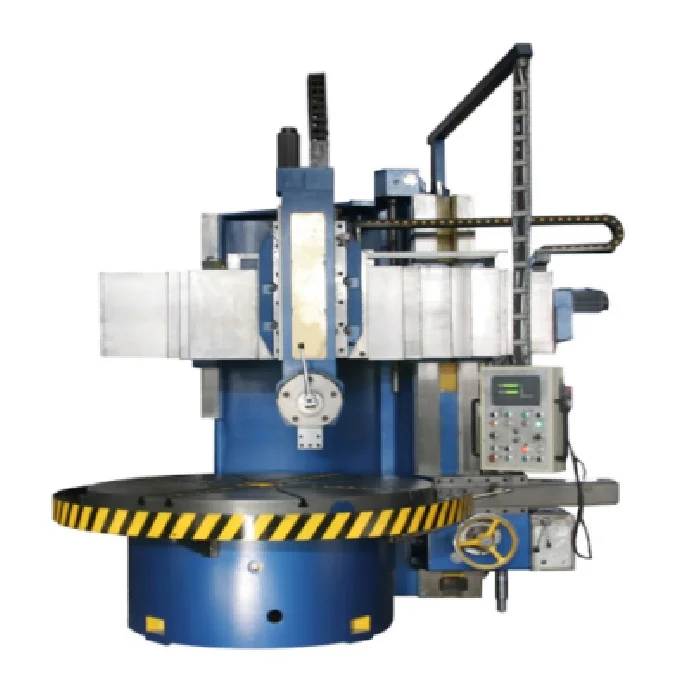
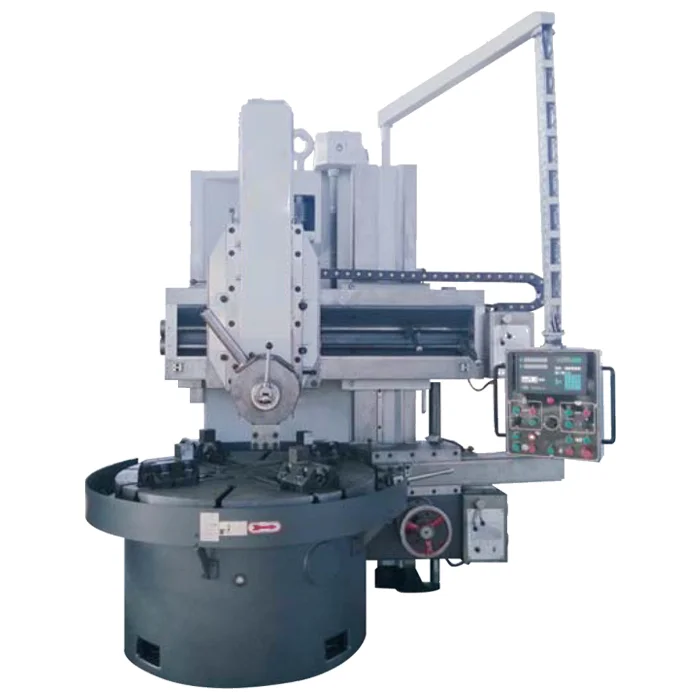
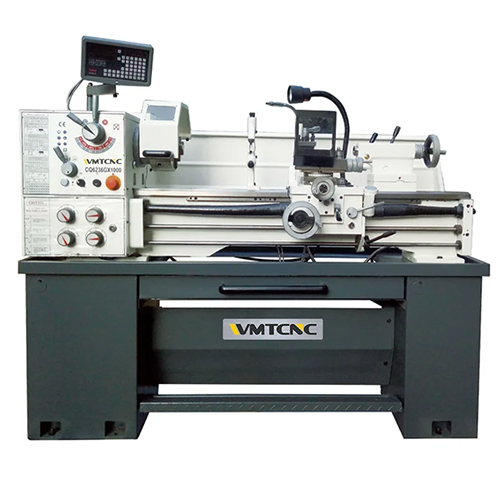
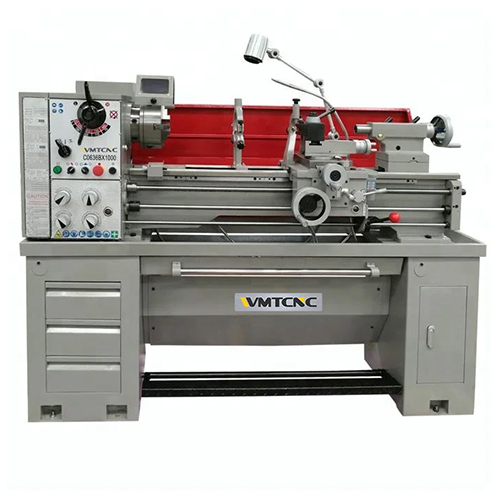
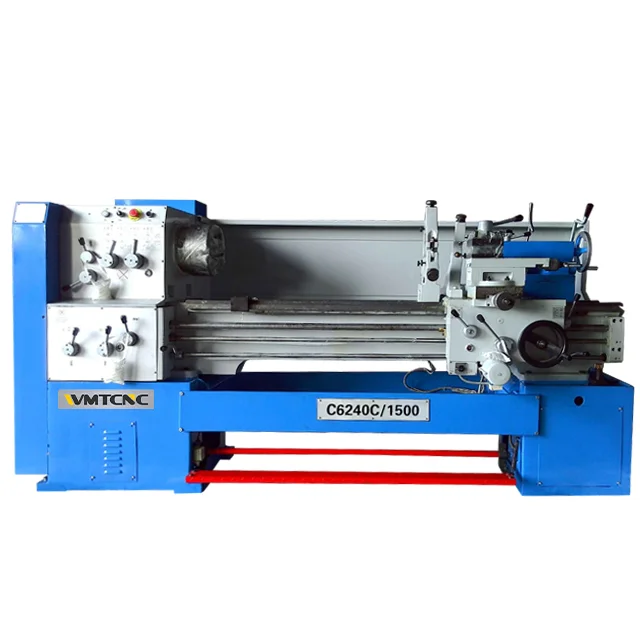
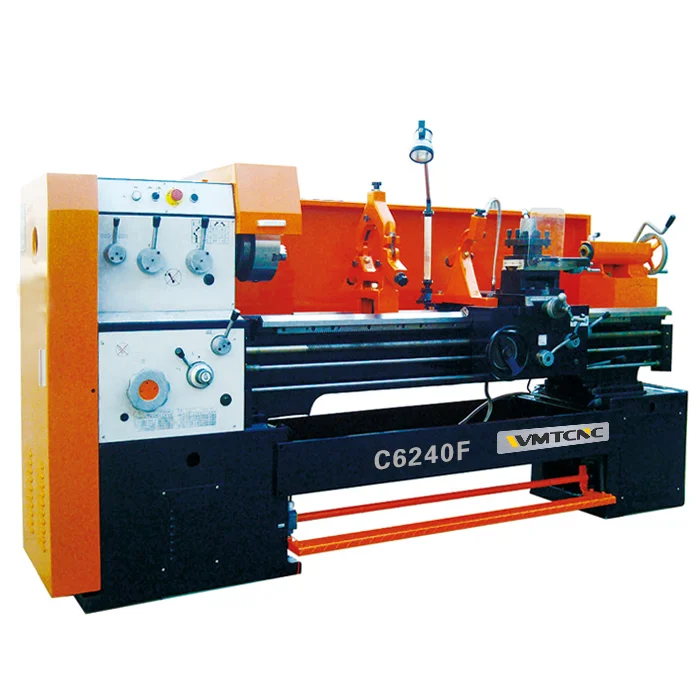
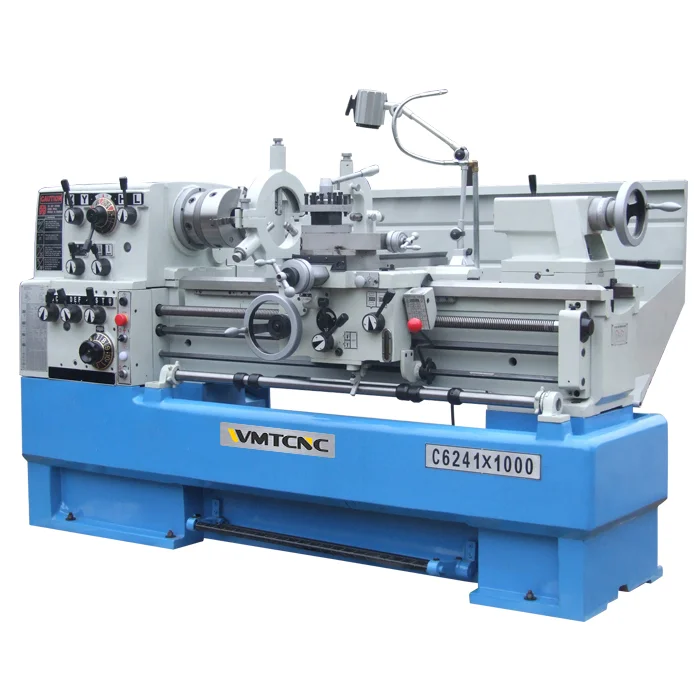
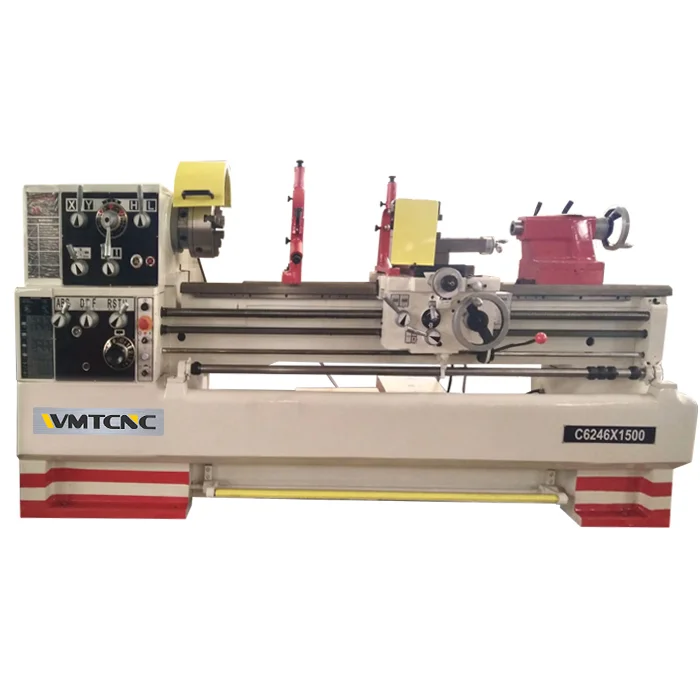
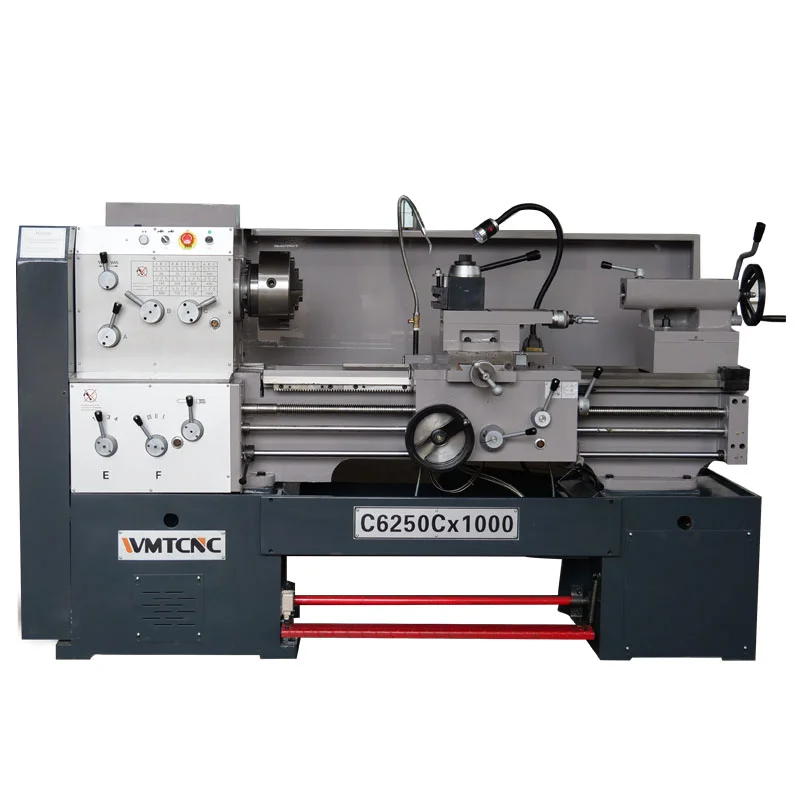
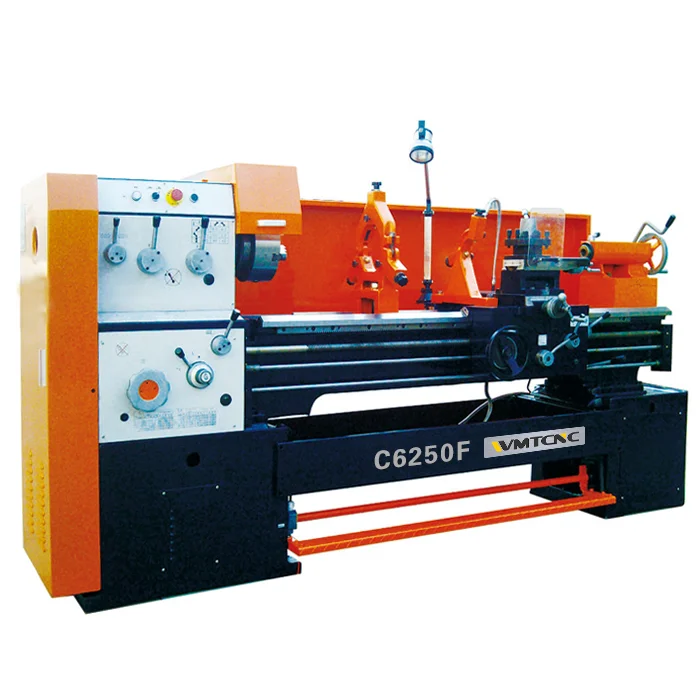
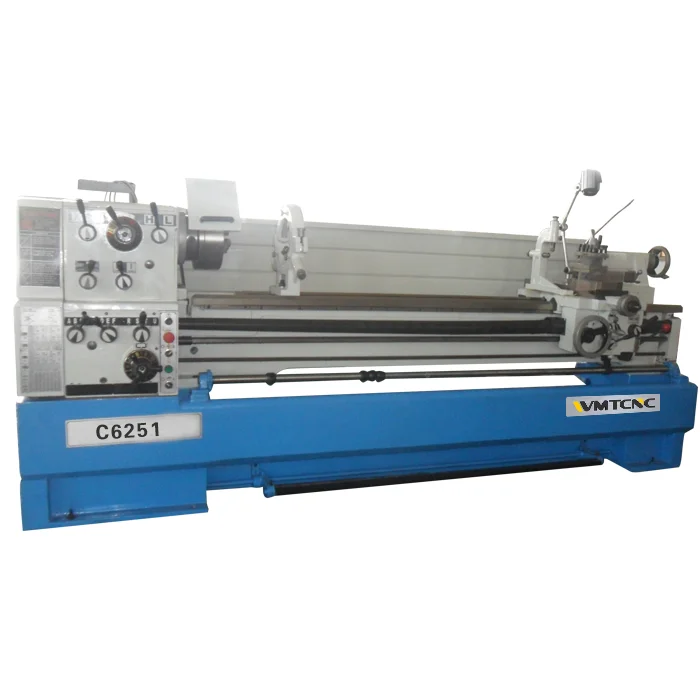
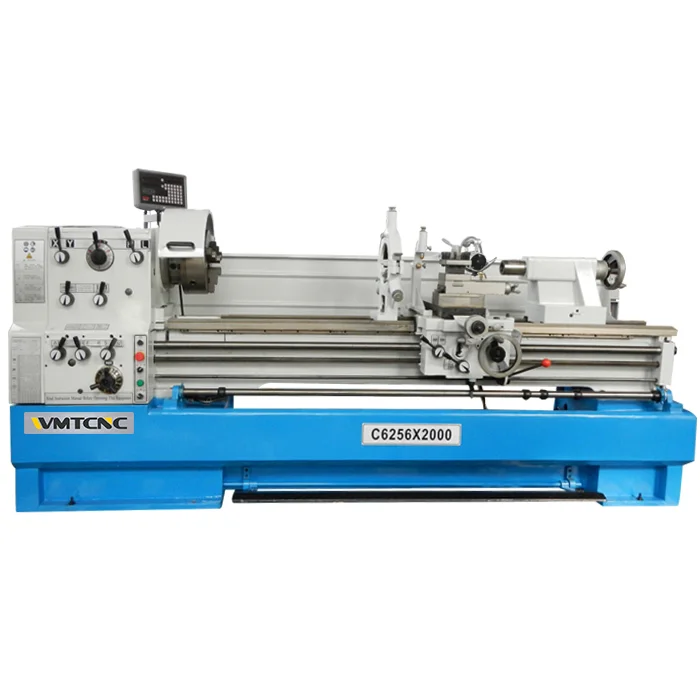
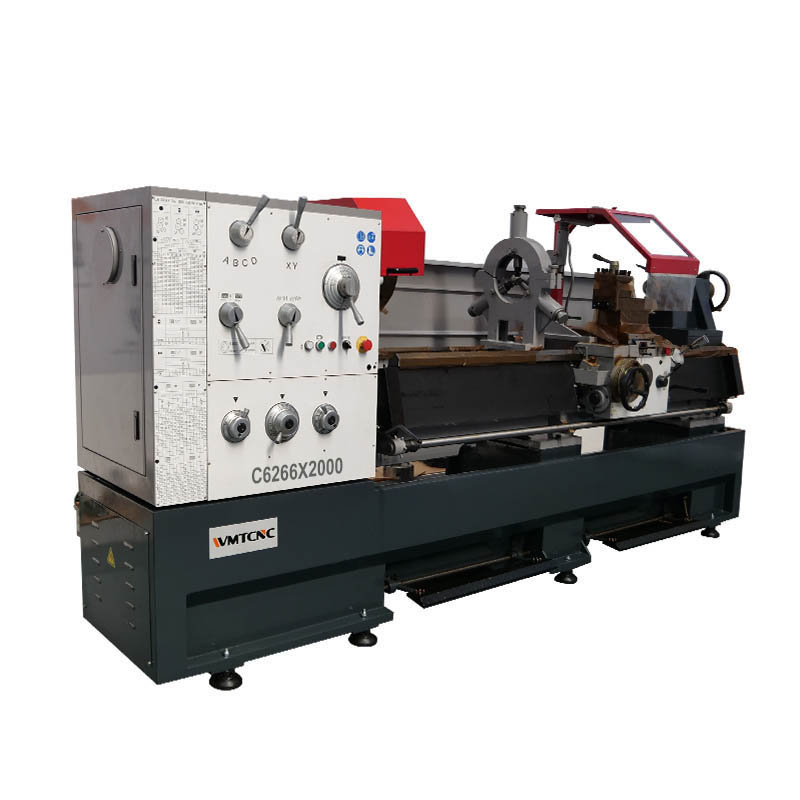
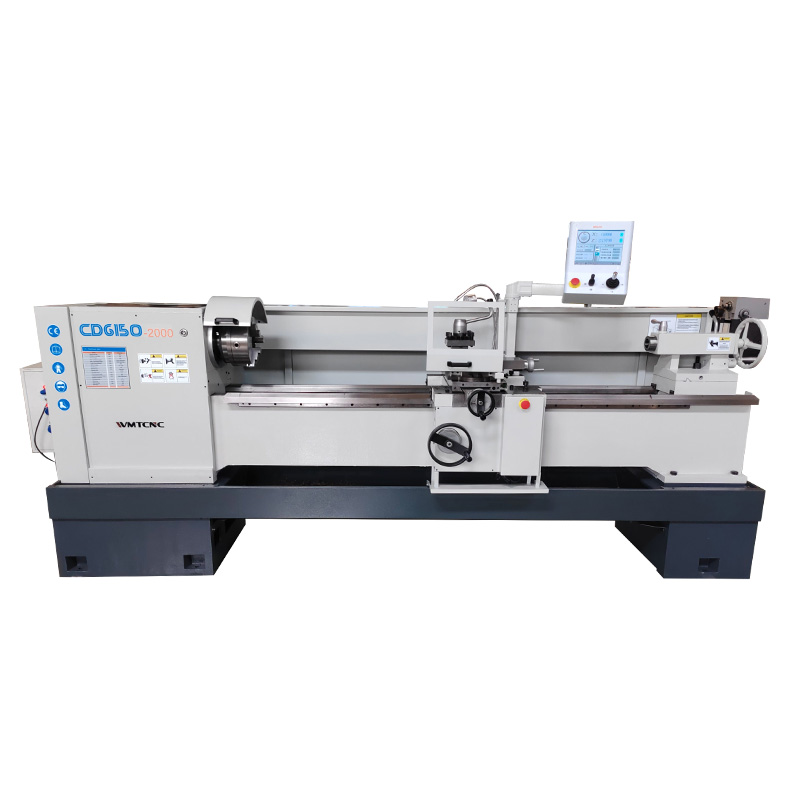
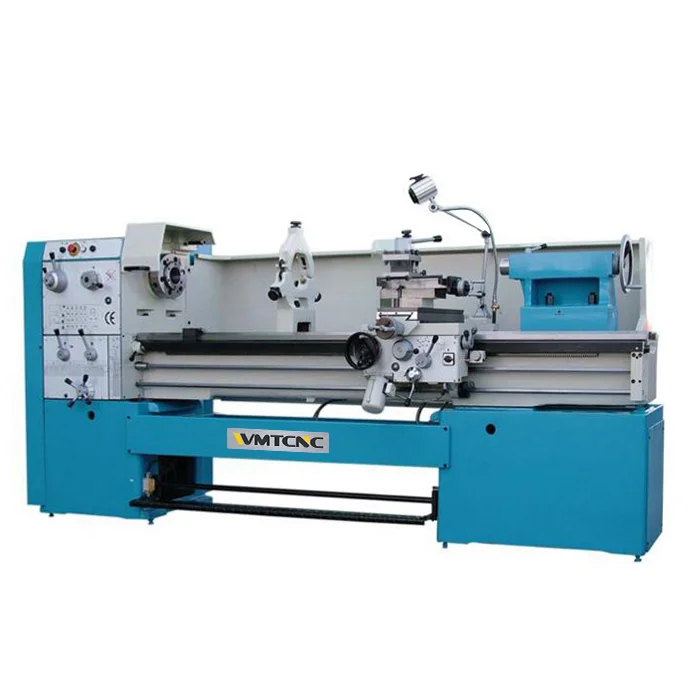
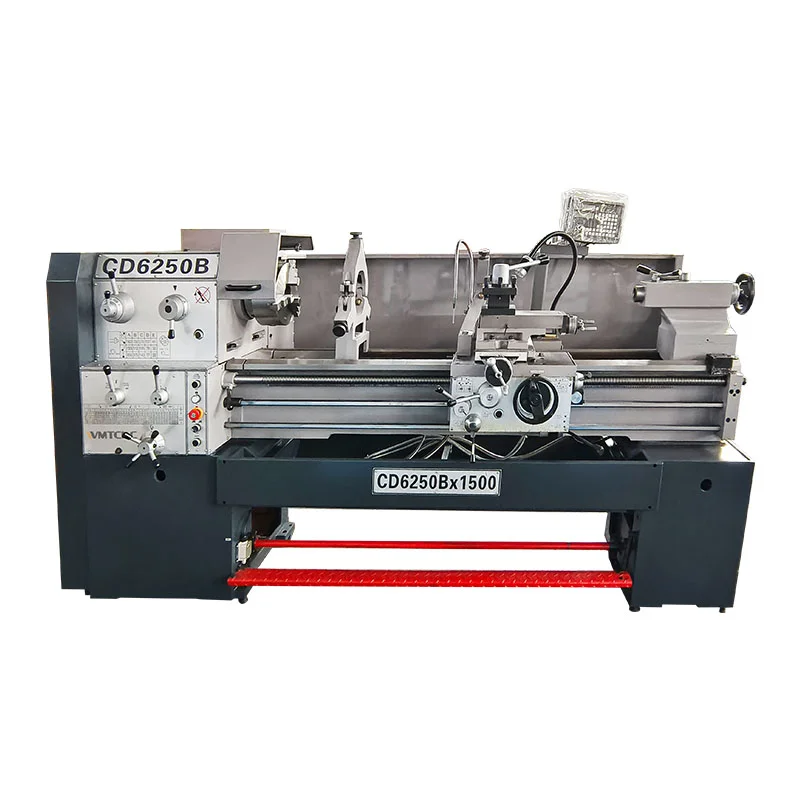
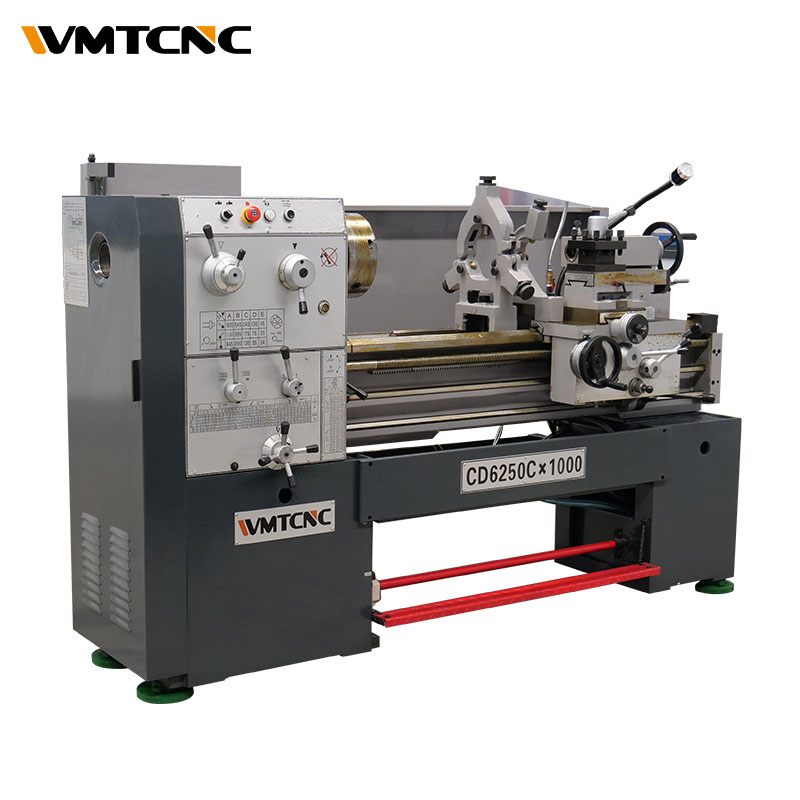
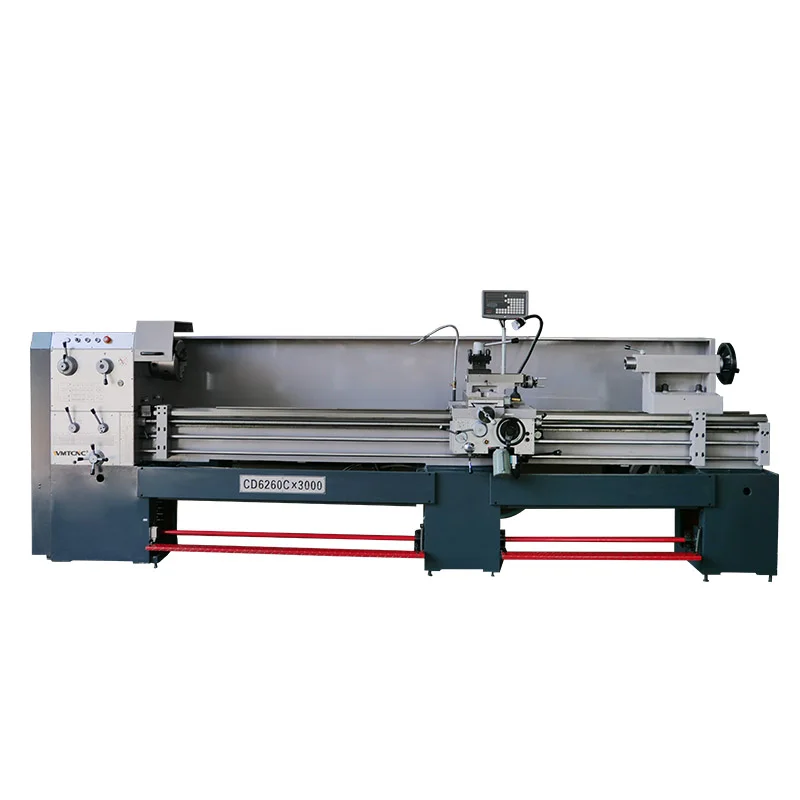
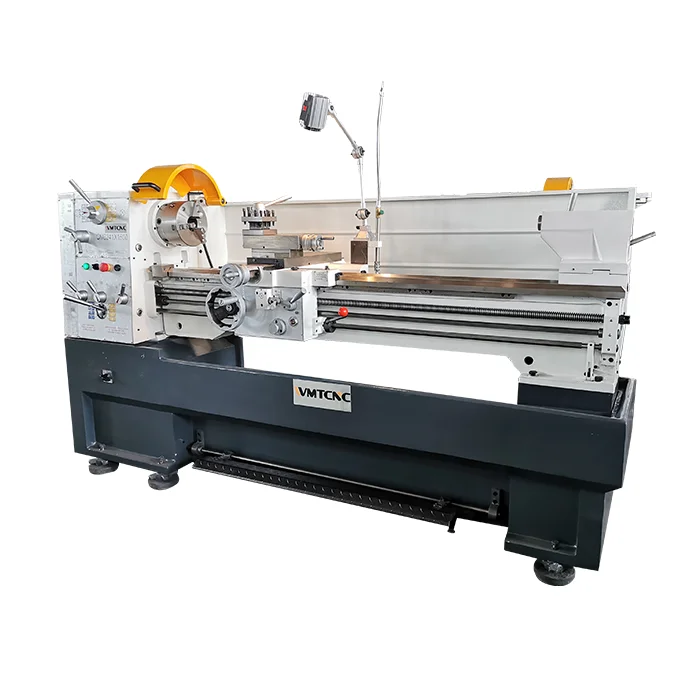
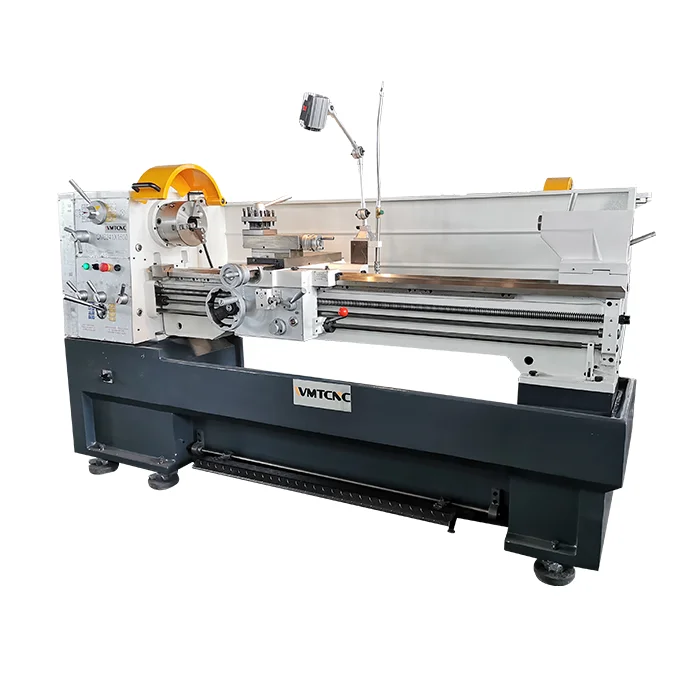
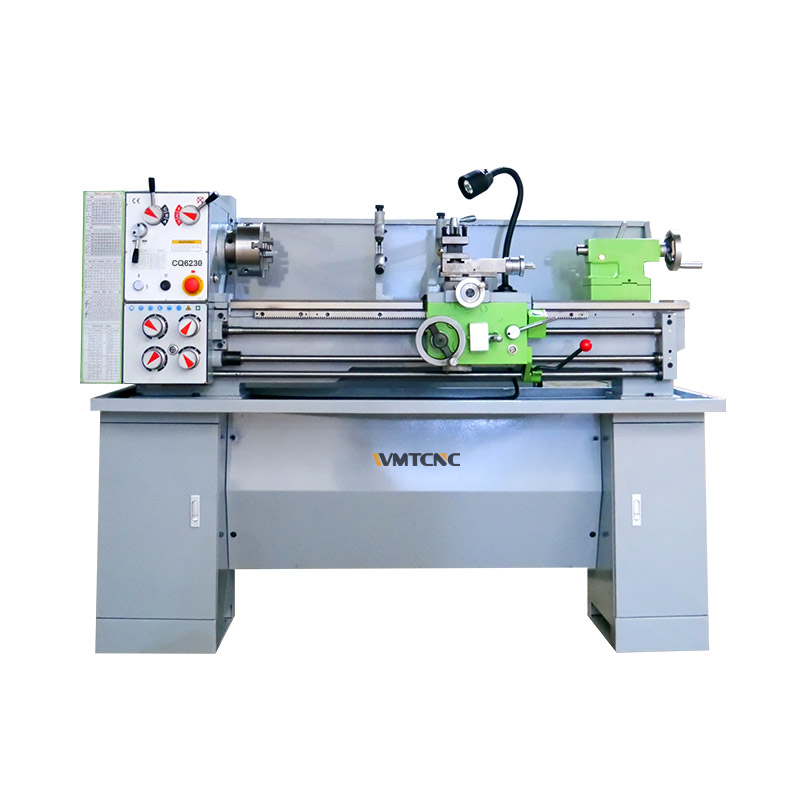
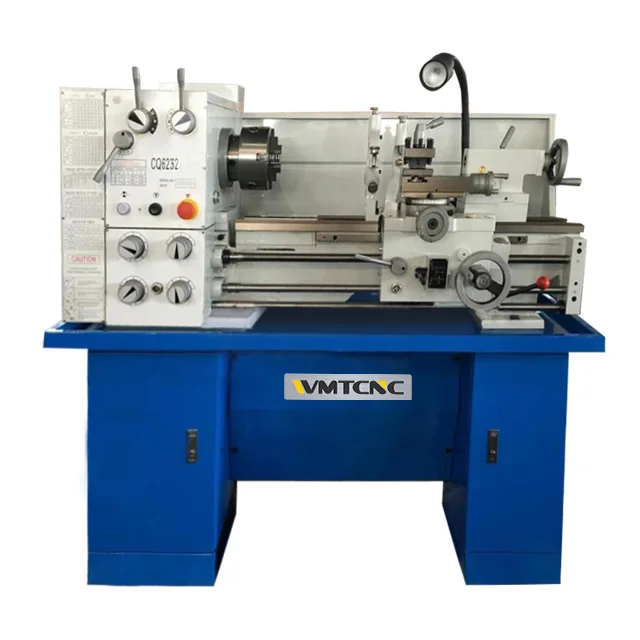
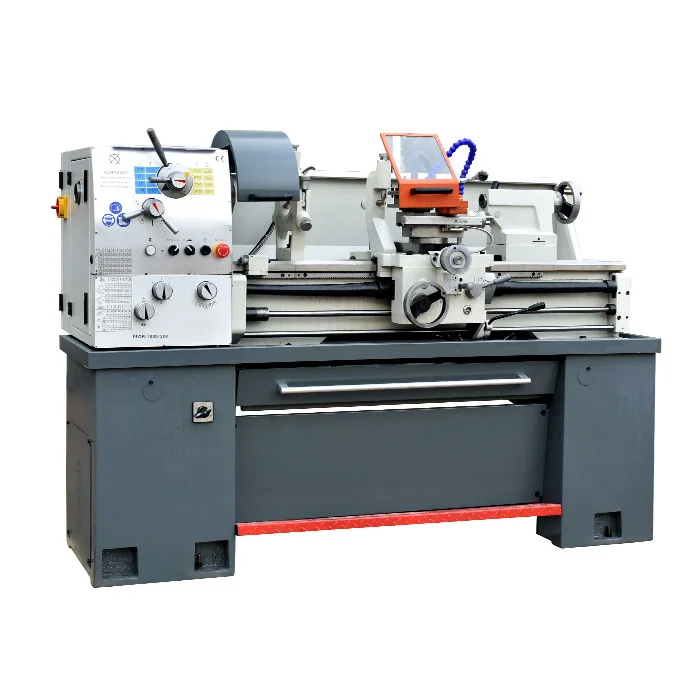
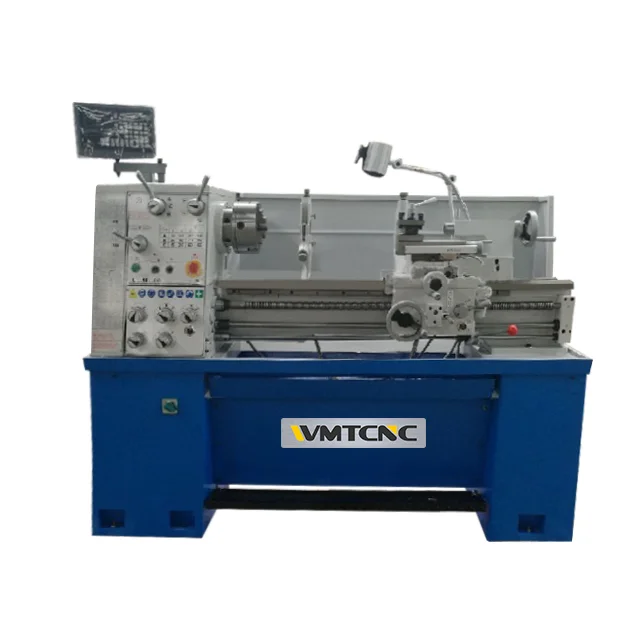
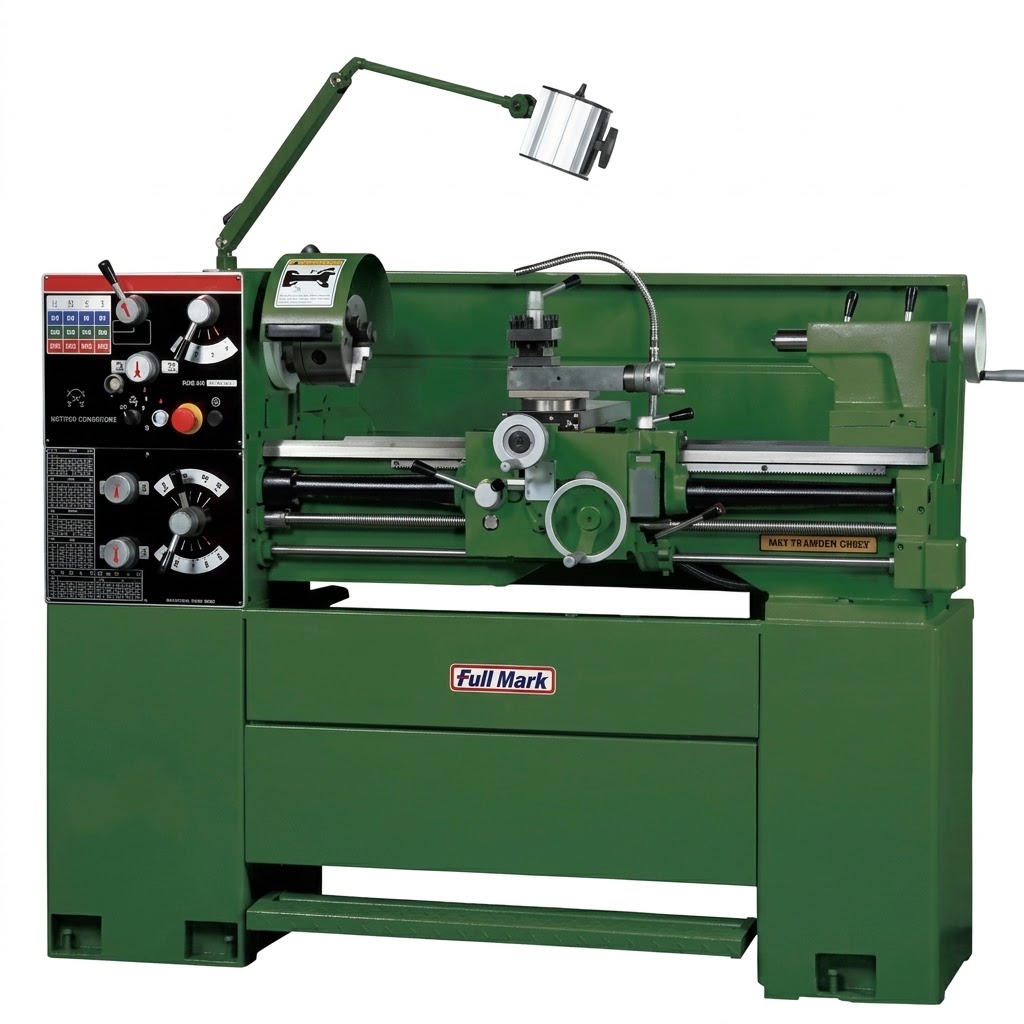
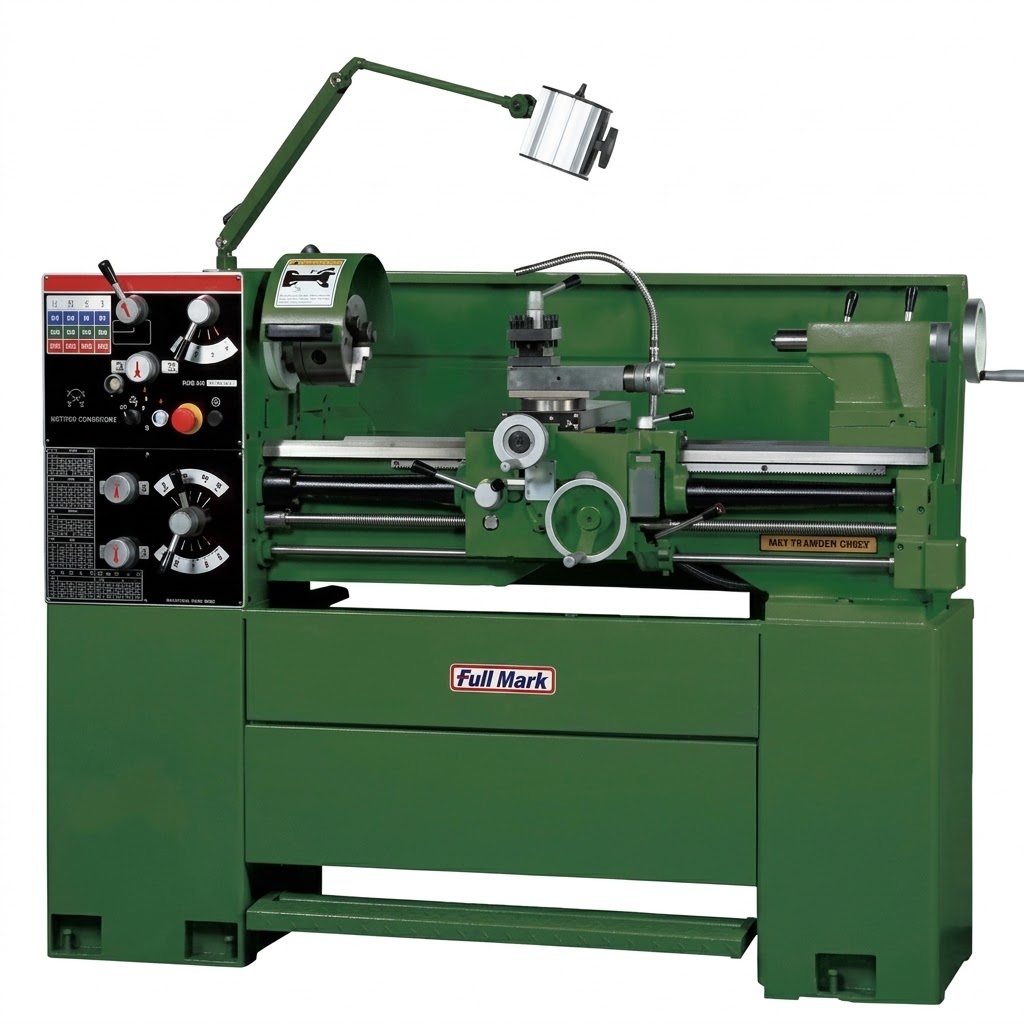
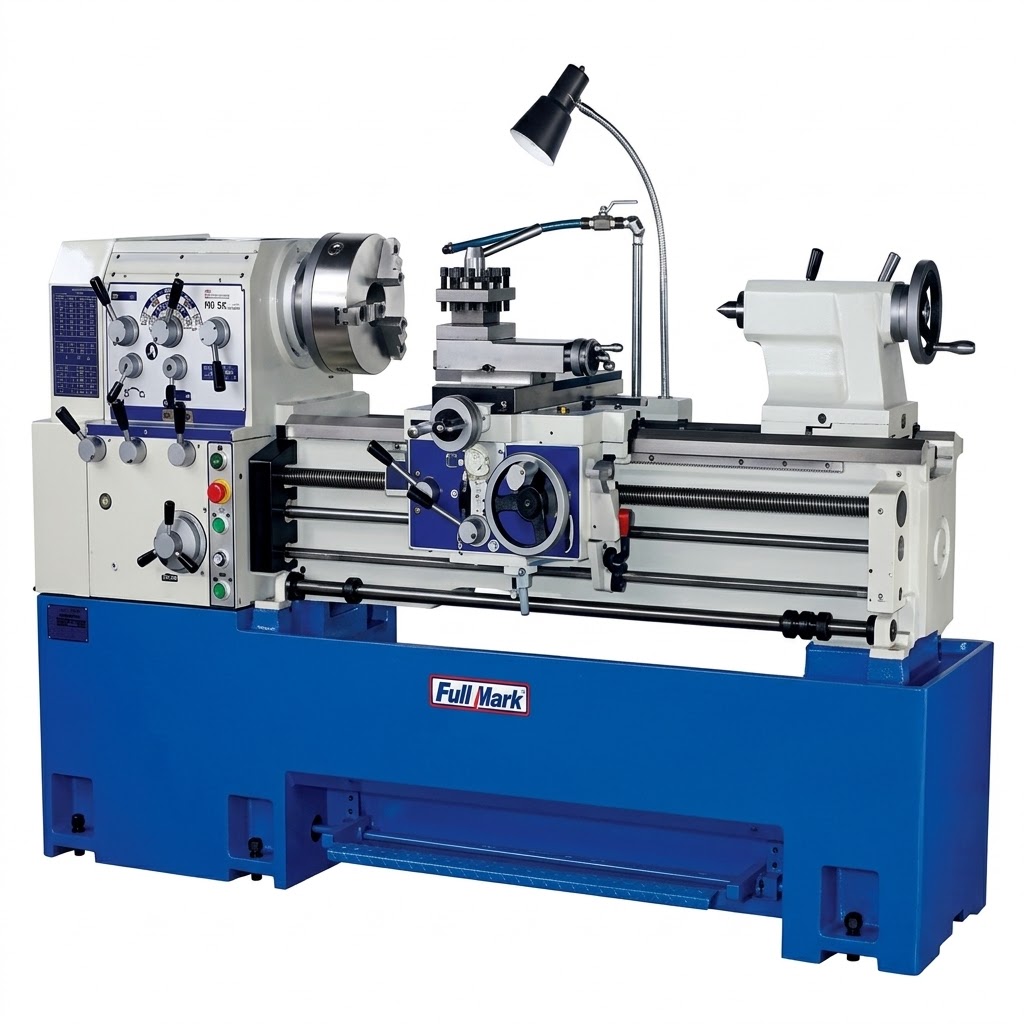
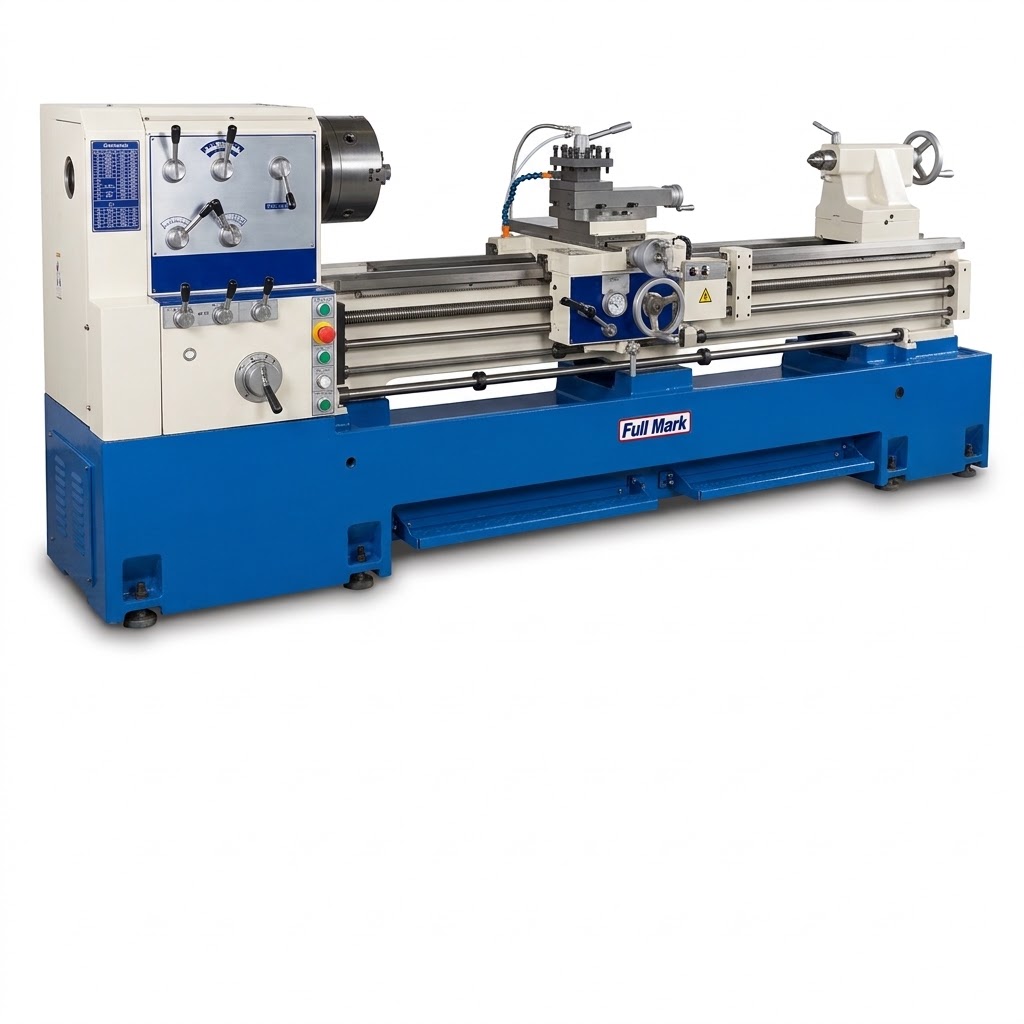
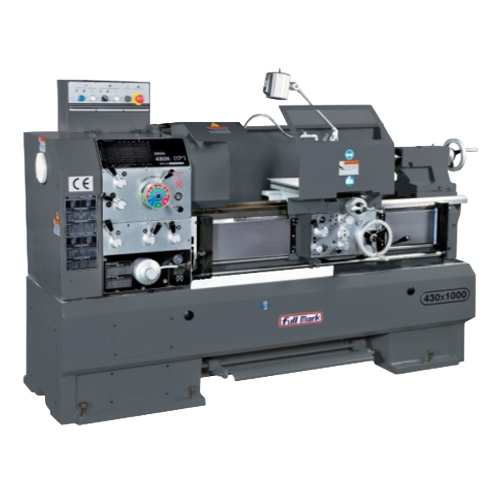
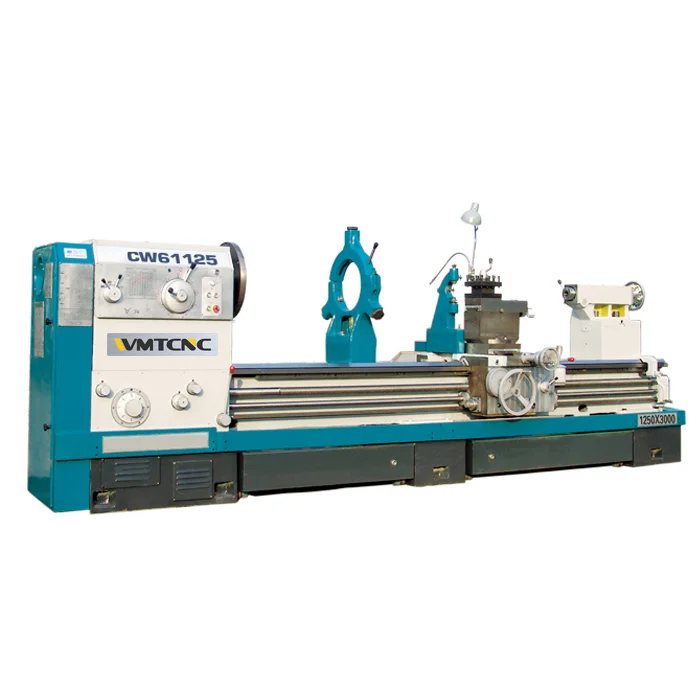
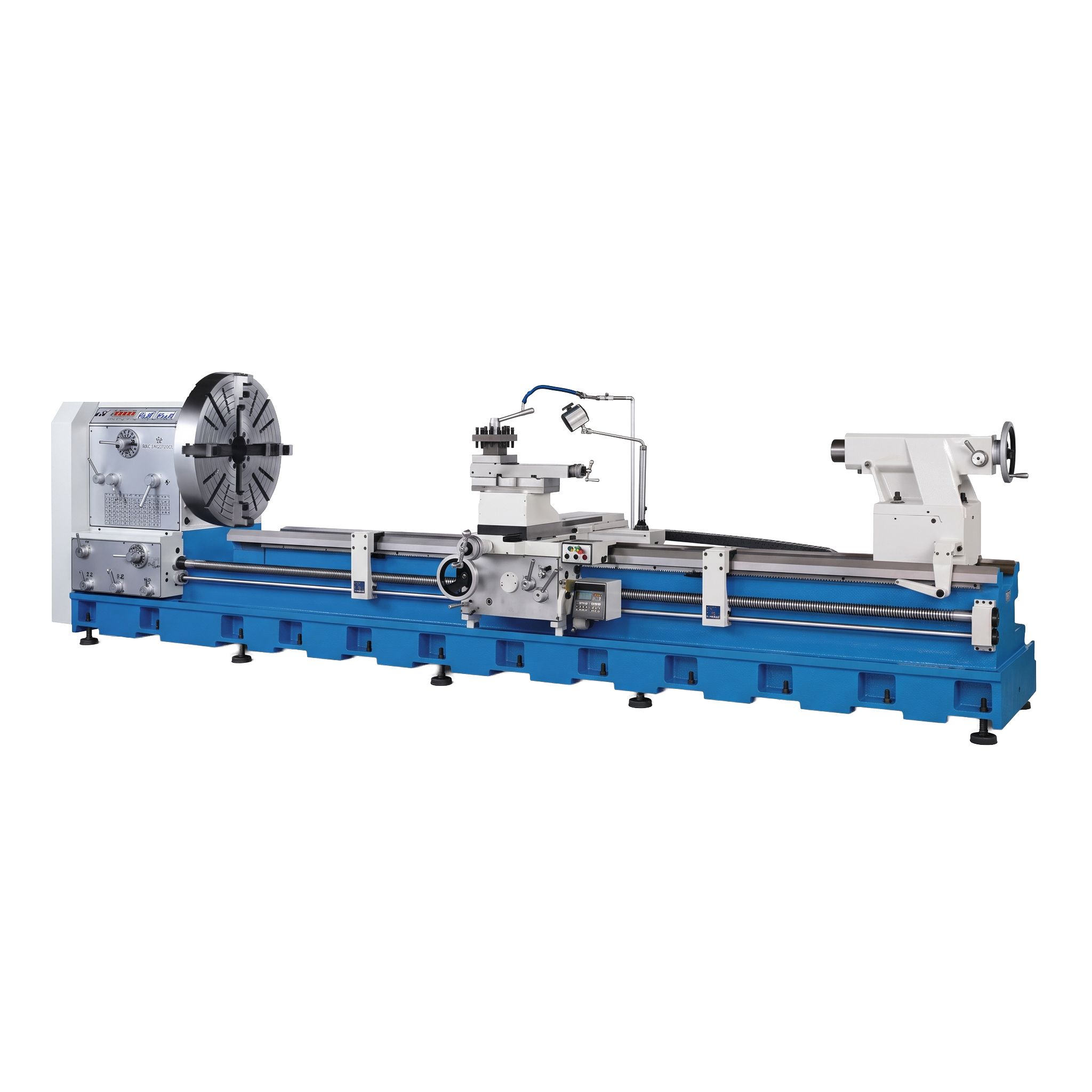
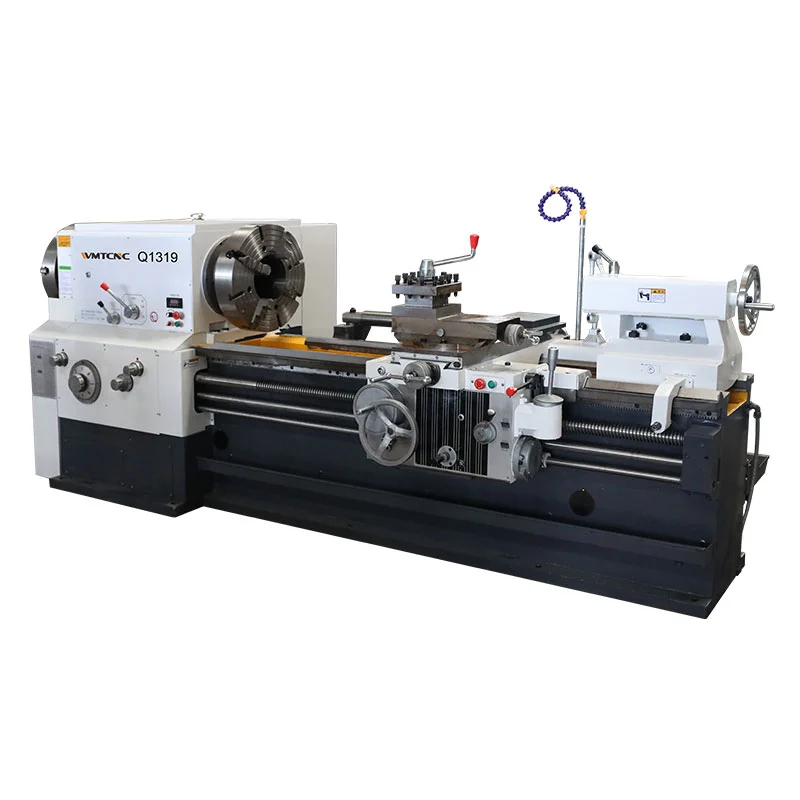
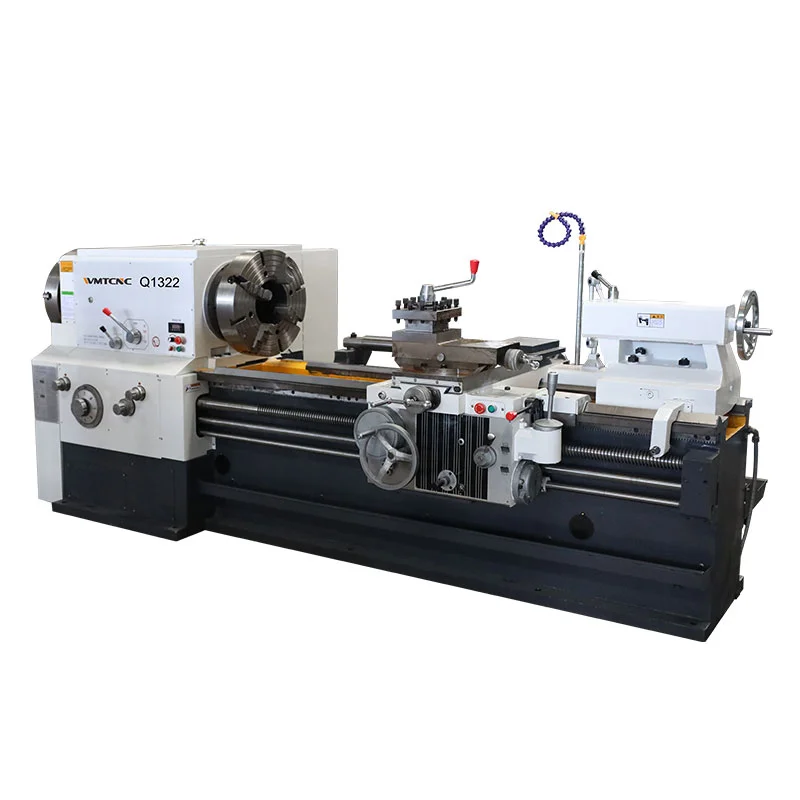
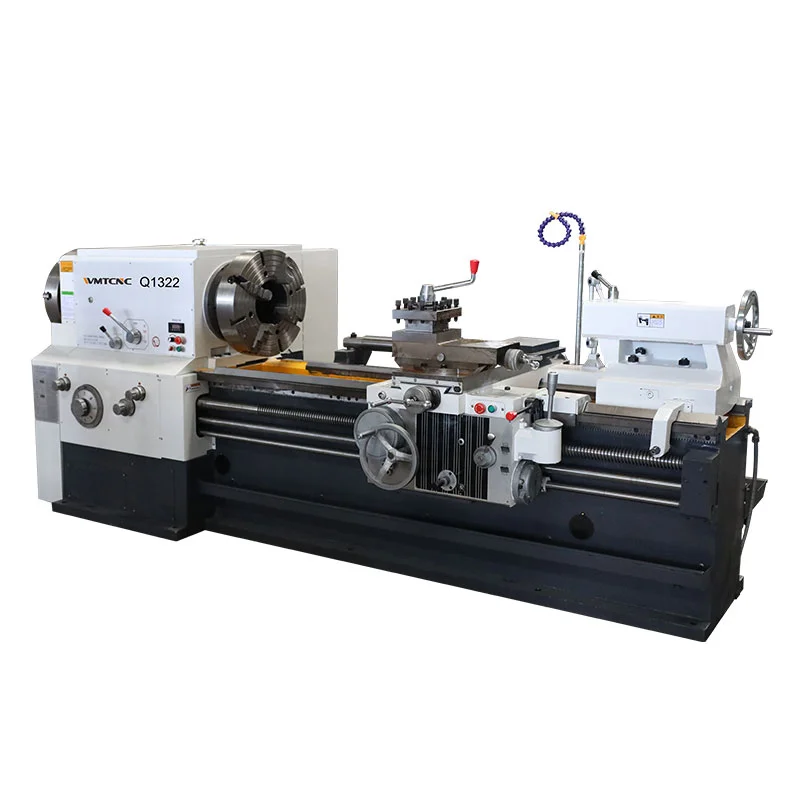
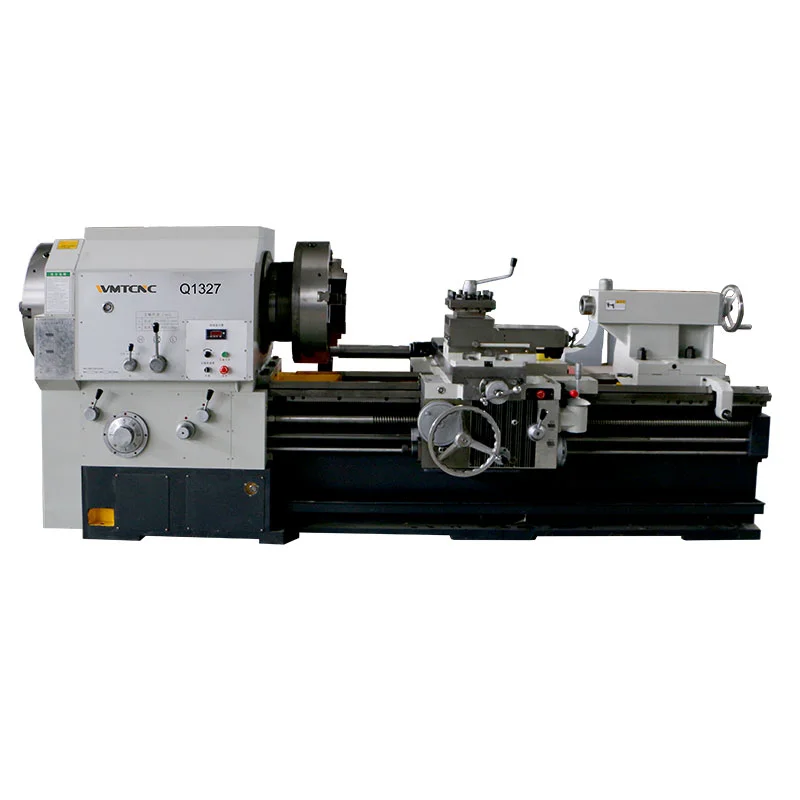
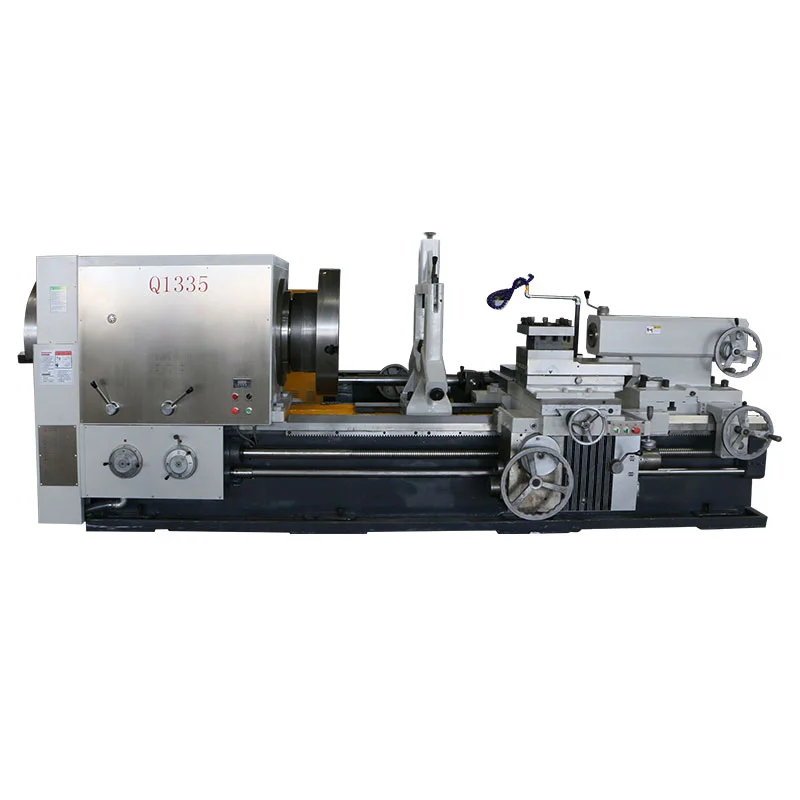
CNC Turning is a machining process in which the workpiece rotates around its own axis while a cutting tool moves against it to remove material and achieve the required dimensions and geometry. This process is particularly suitable for cylindrical components and parts with rotational symmetry, such as shafts, bushings, pins, fittings, and automotive components. Some CNC lathes can also be equipped with Live Tooling, allowing additional milling, drilling, and threading operations to be performed on the workpiece within the same machine. This capability helps reduce production steps, minimize setup time, and improve overall manufacturing efficiency.
In summary, the main difference between CNC Milling and CNC Turning lies in their machining principles and the types of workpieces they are designed to handle. CNC Milling is generally more suitable for components with multiple surfaces, slots, pockets, and complex geometries, while CNC Turning is ideal for cylindrical parts and components with rotational symmetry. However, selecting the right machine should involve careful consideration of workpiece geometry, material, required accuracy, production volume, and the overall manufacturing process. Choosing the appropriate CNC machine helps manufacturers optimize productivity, maintain product quality, and achieve the best return on investment.