
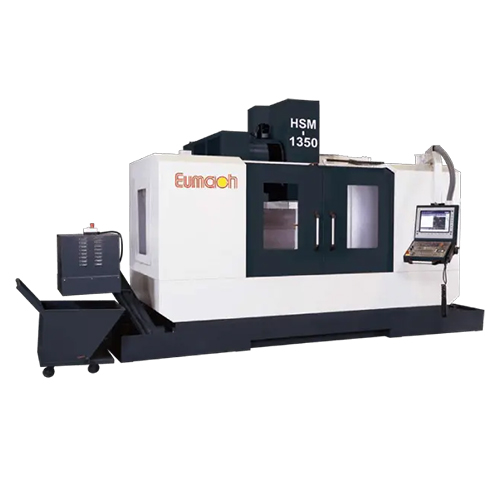
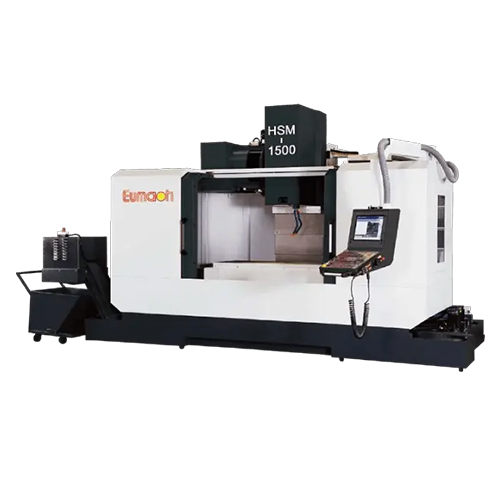
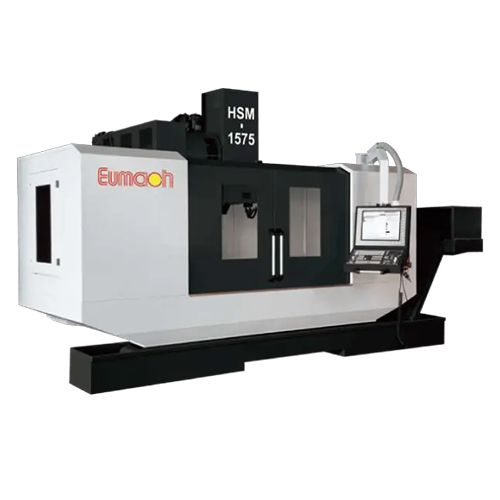
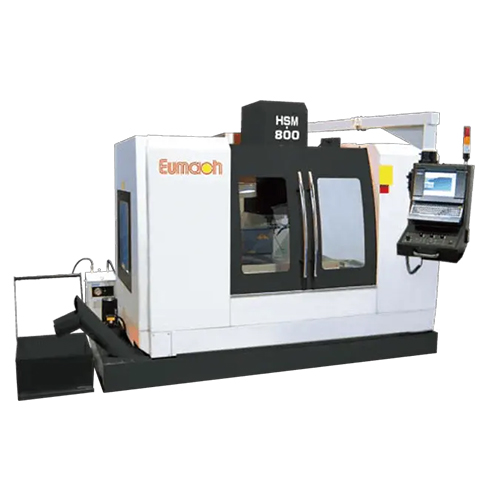
































Graphite Machining Center: How Is It Different from a Conventional CNC Machining Center?
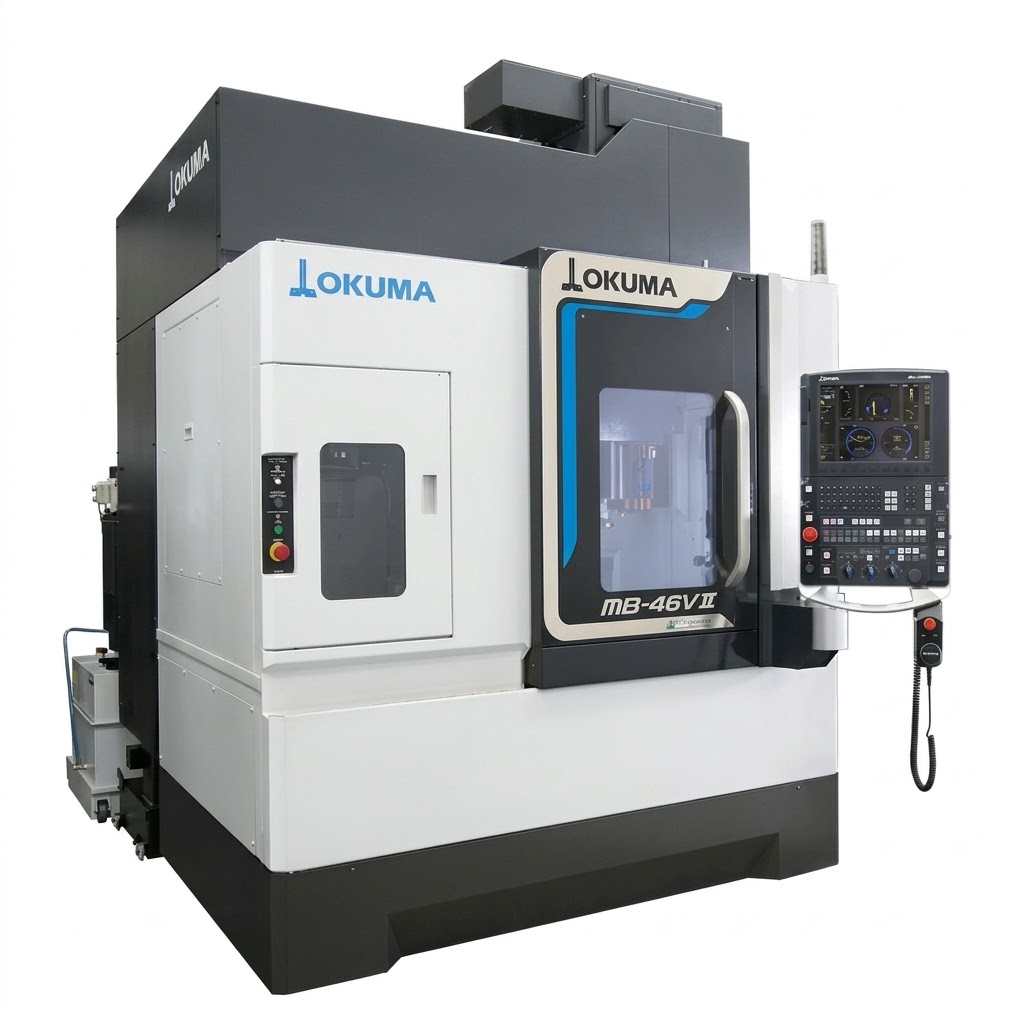
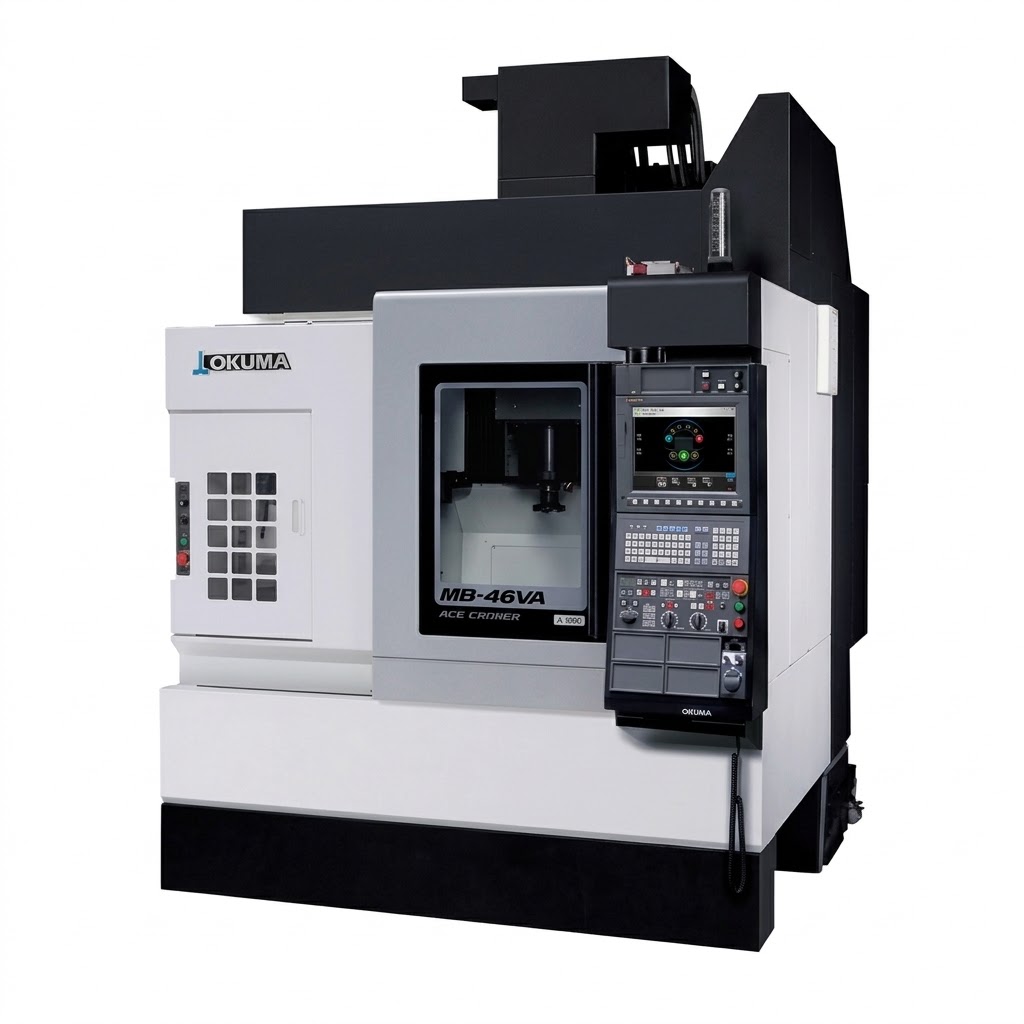
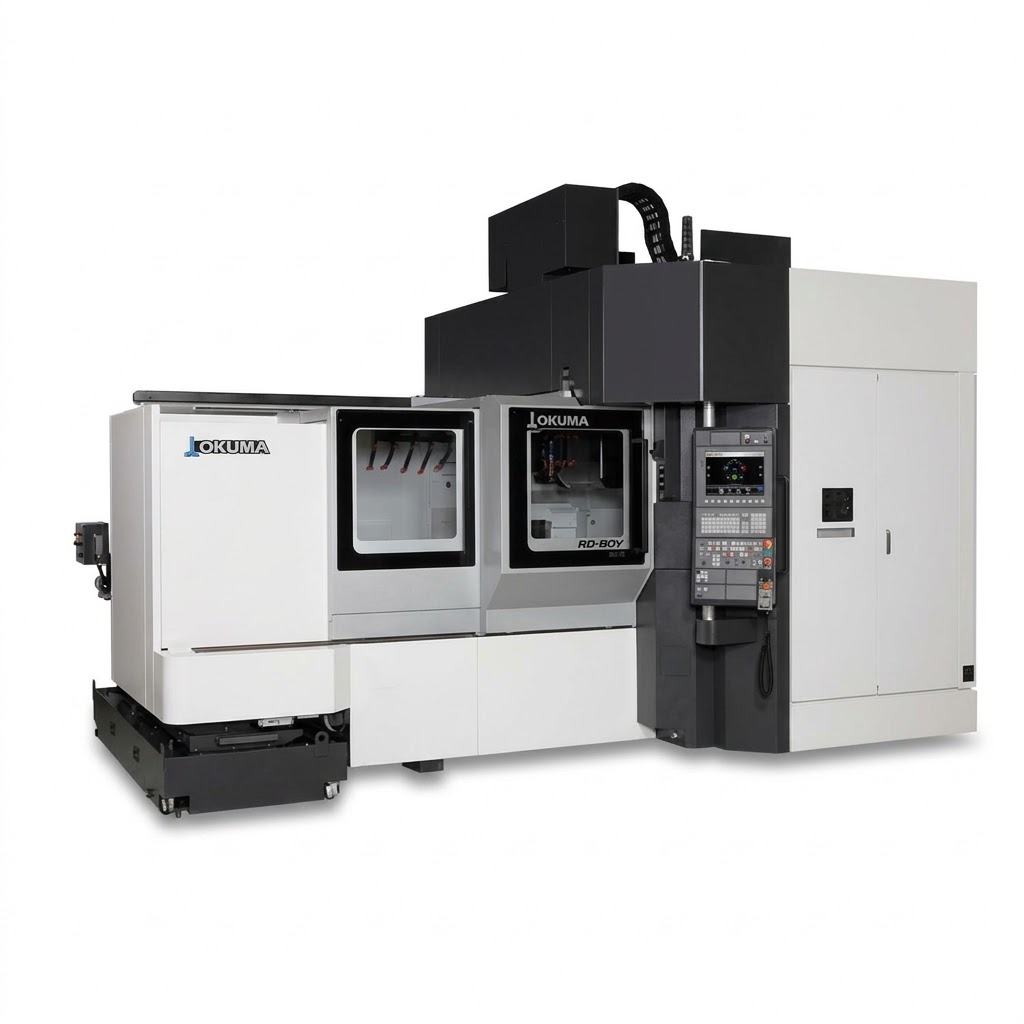
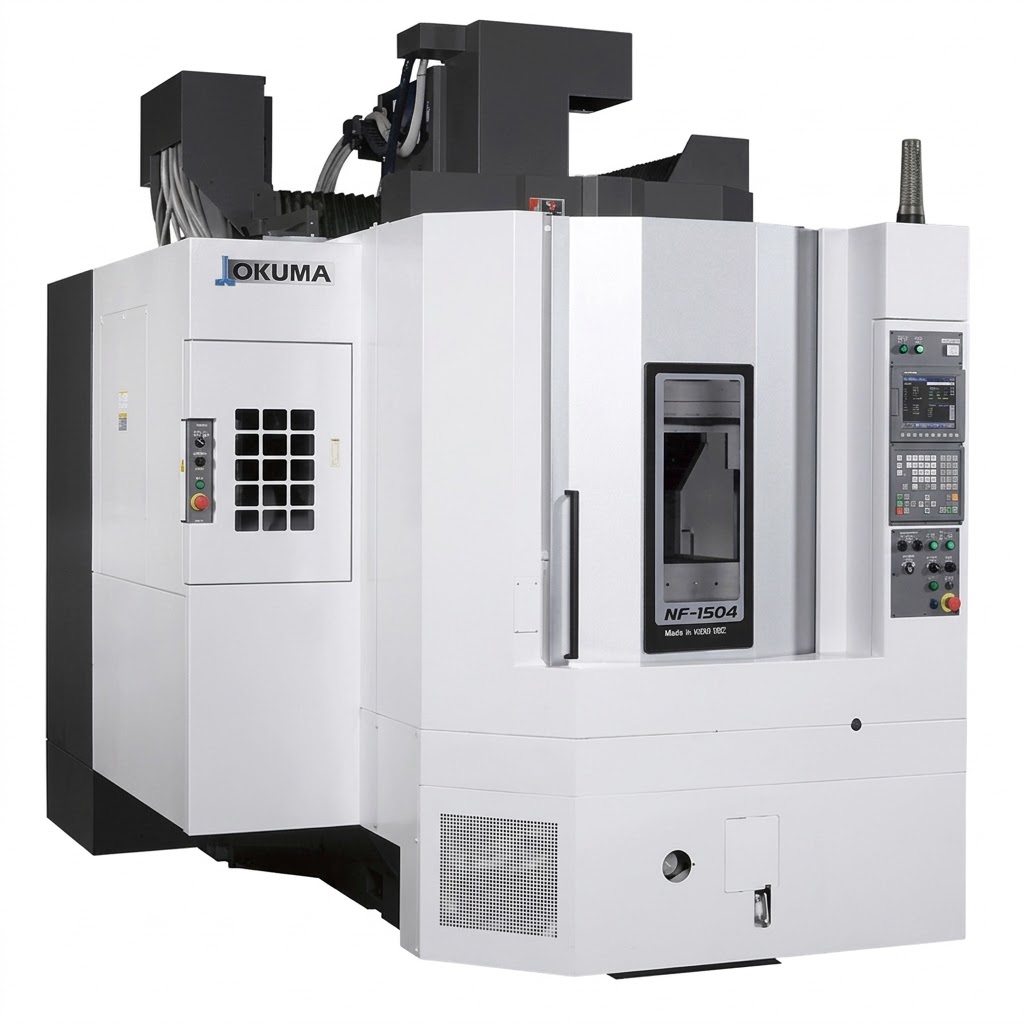
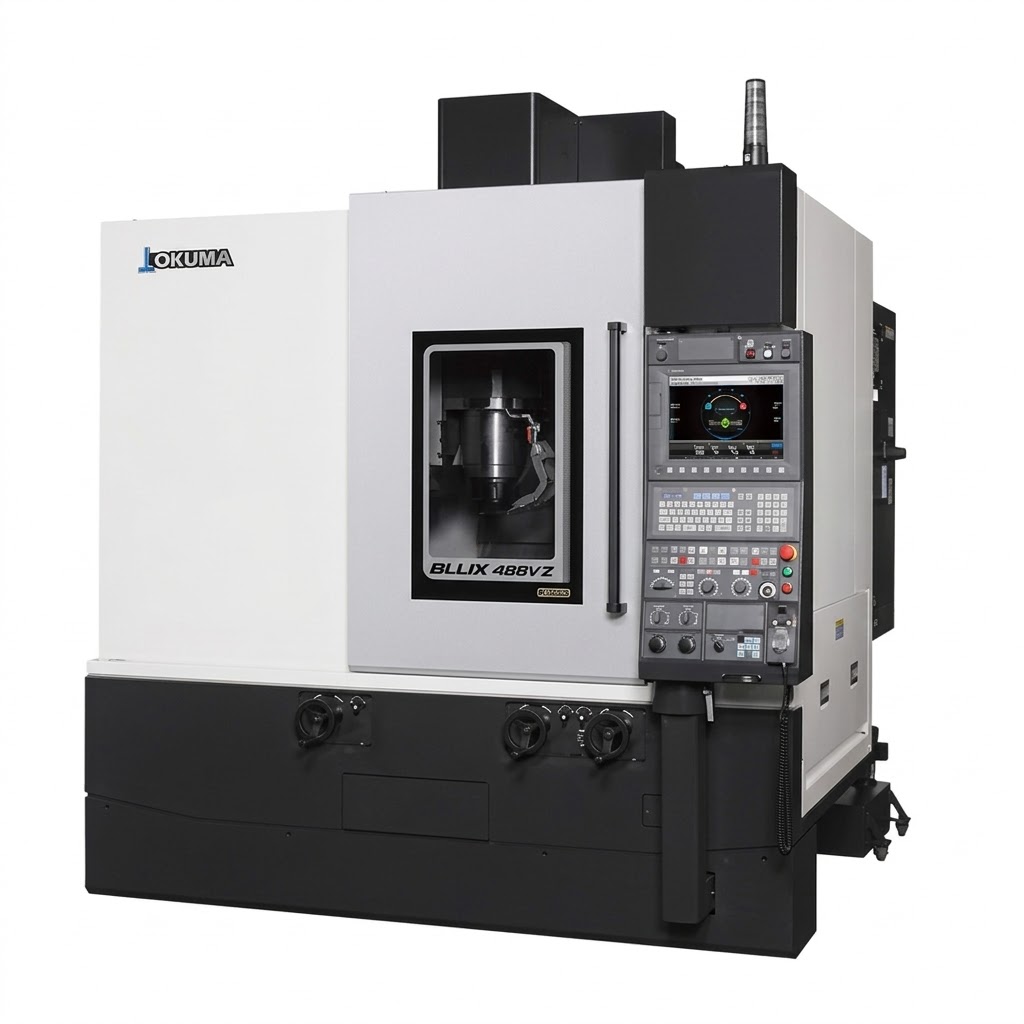
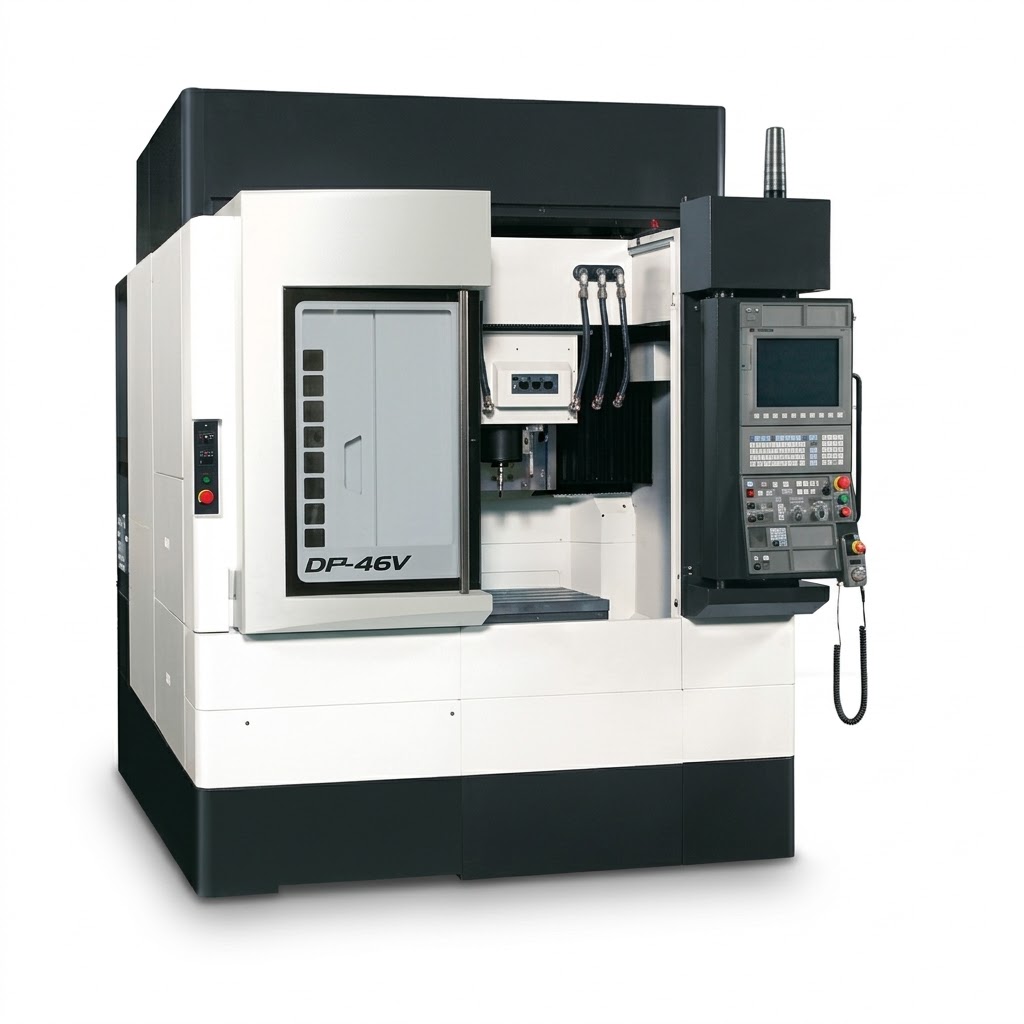
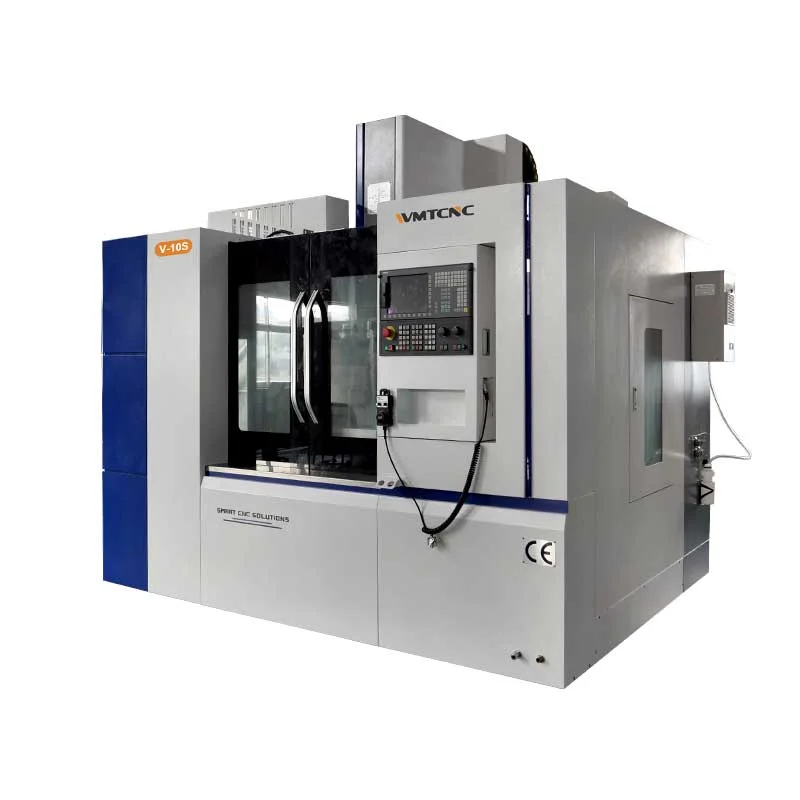
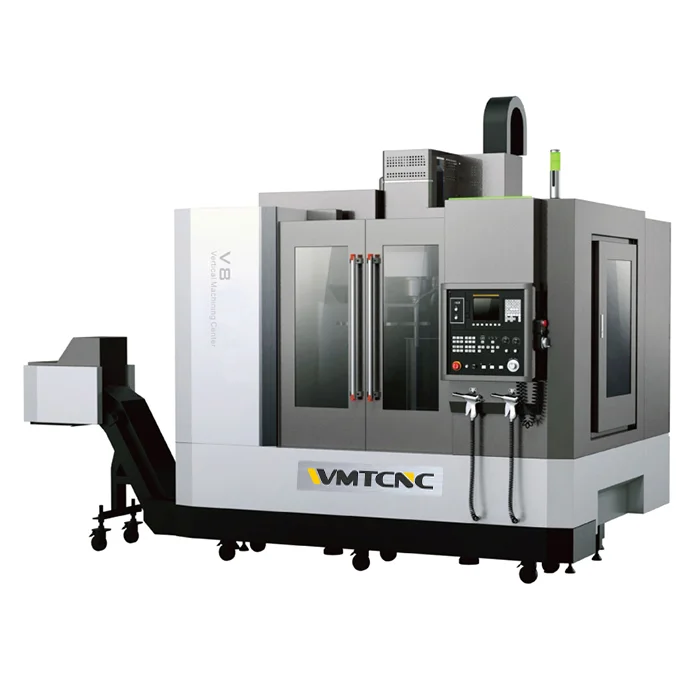
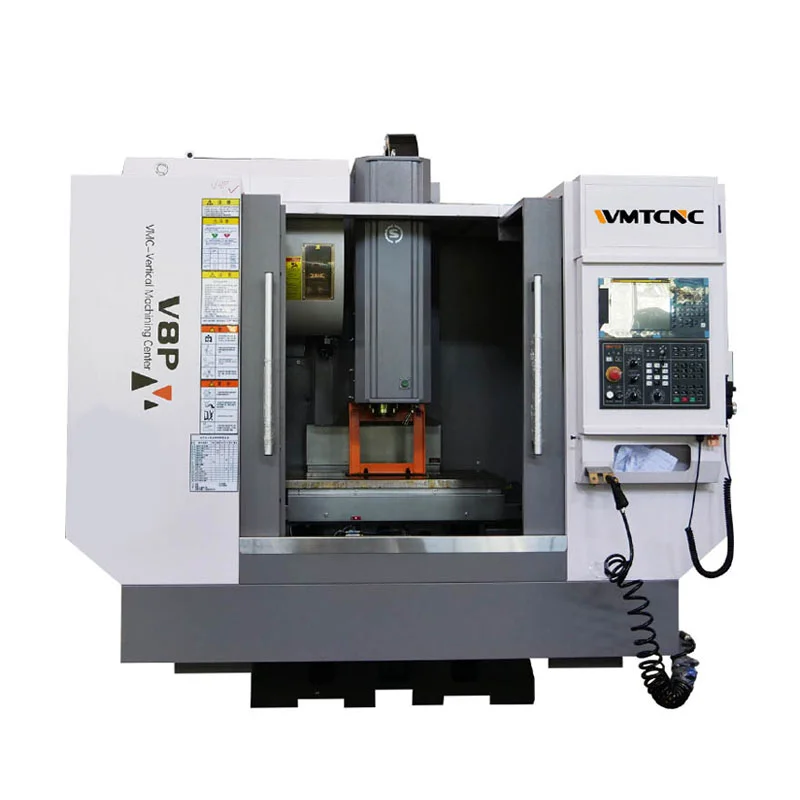
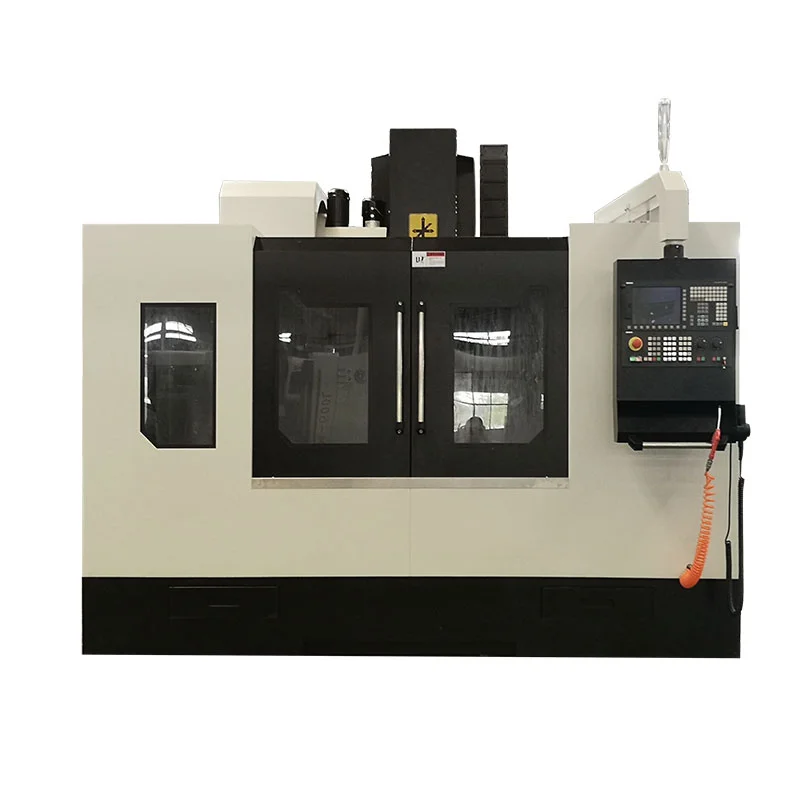
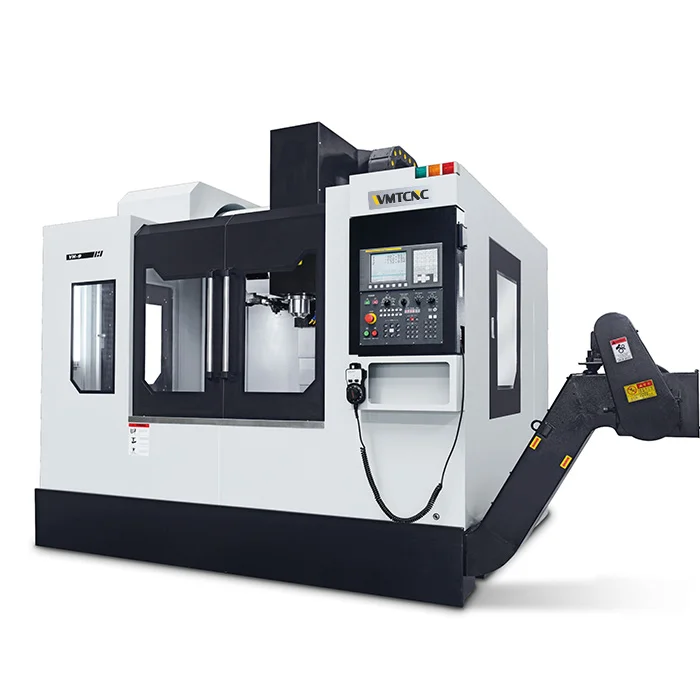
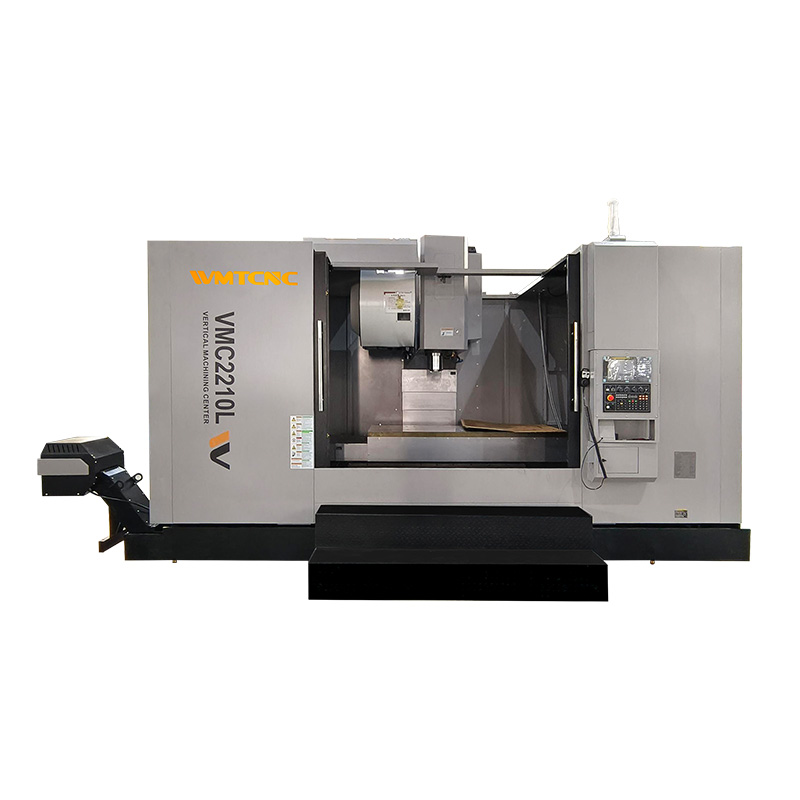
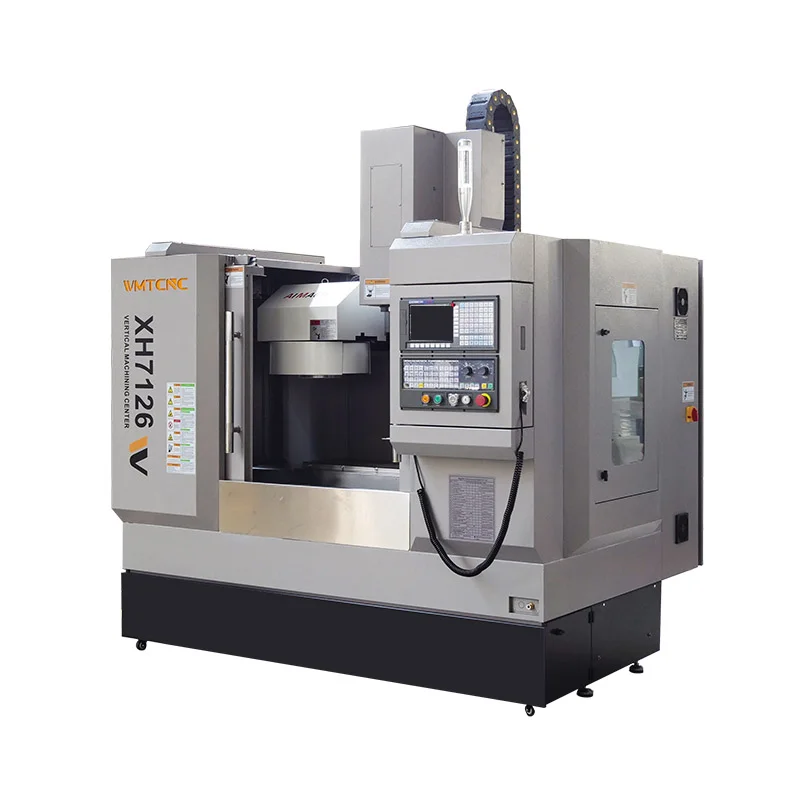
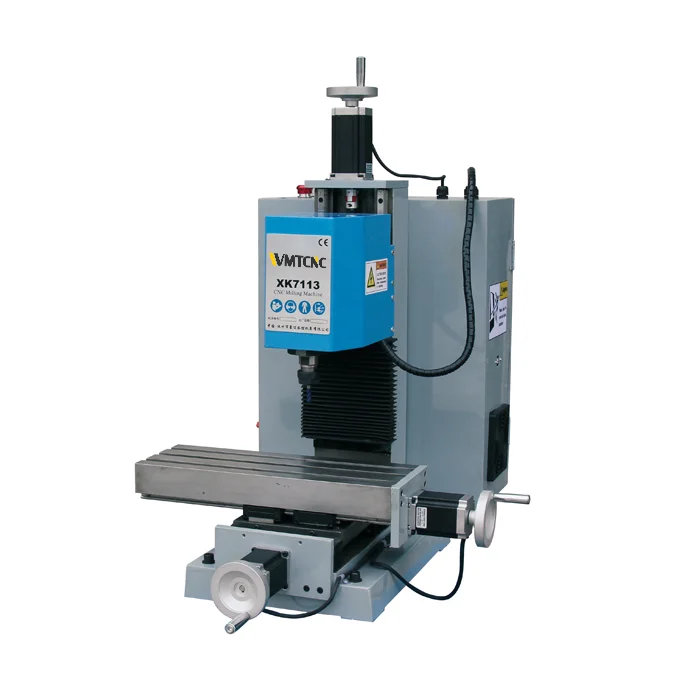
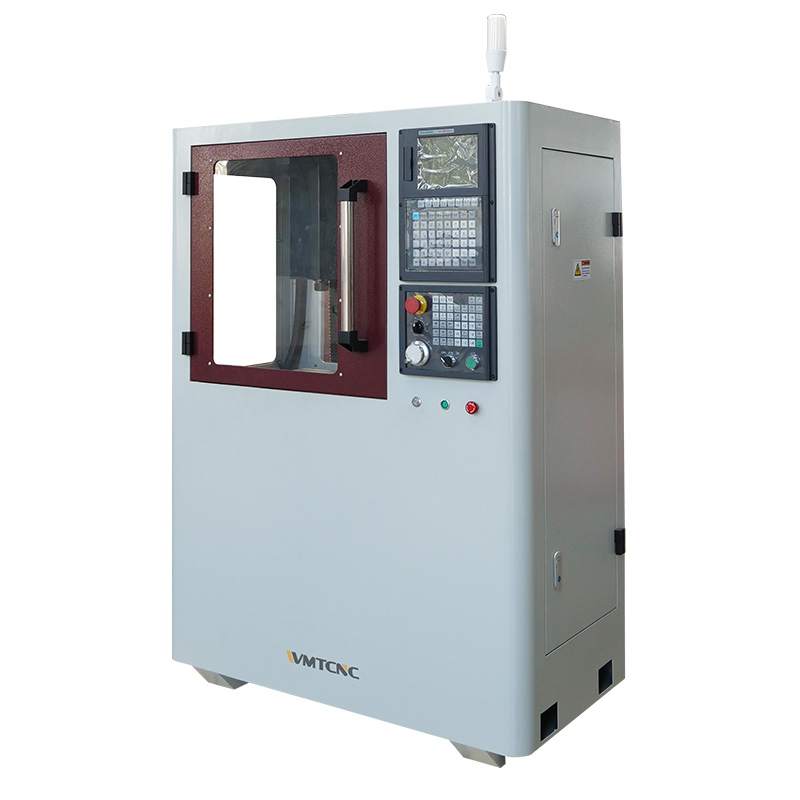
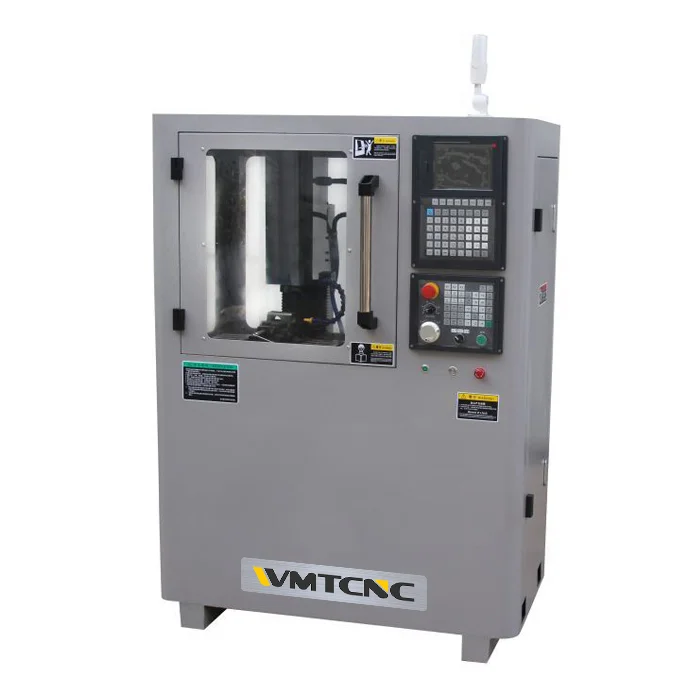
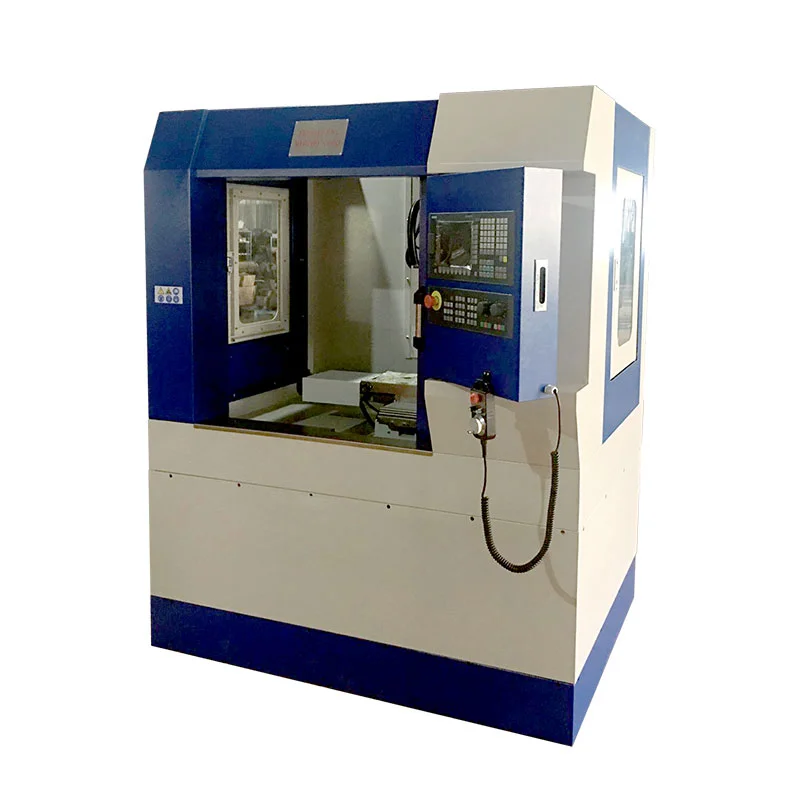
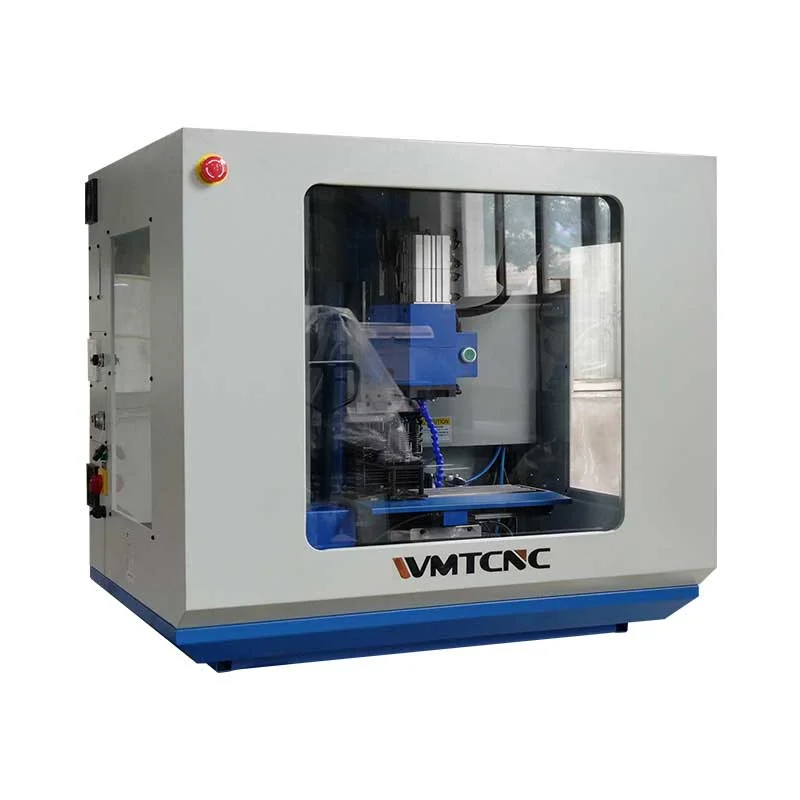
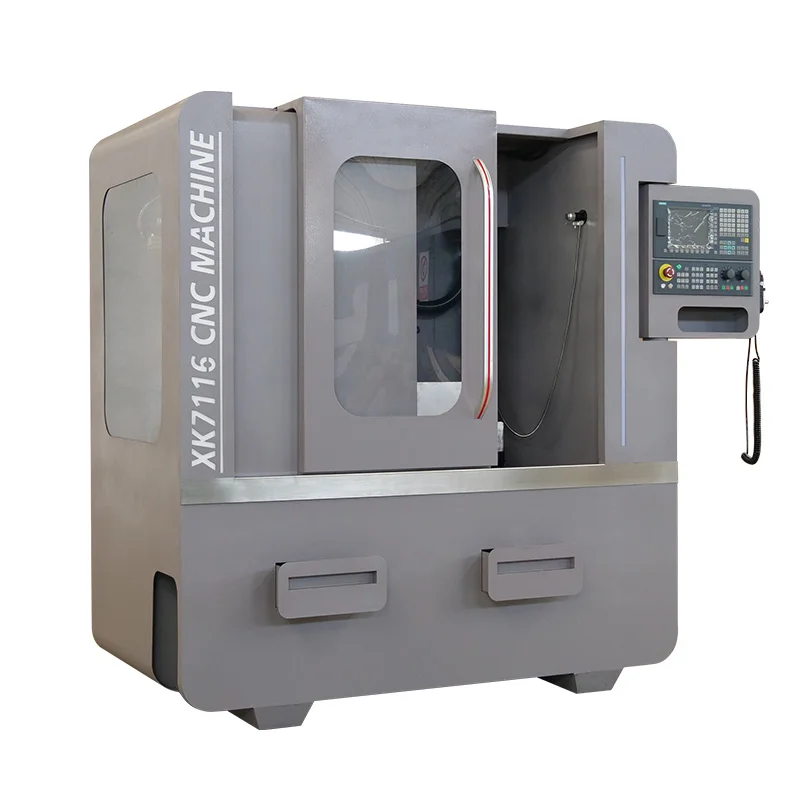
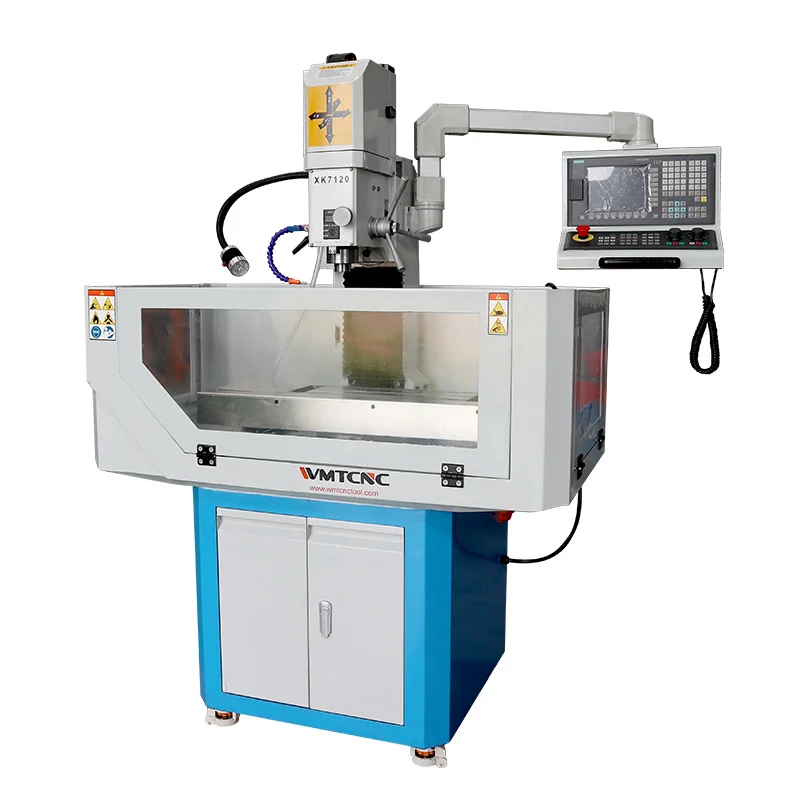
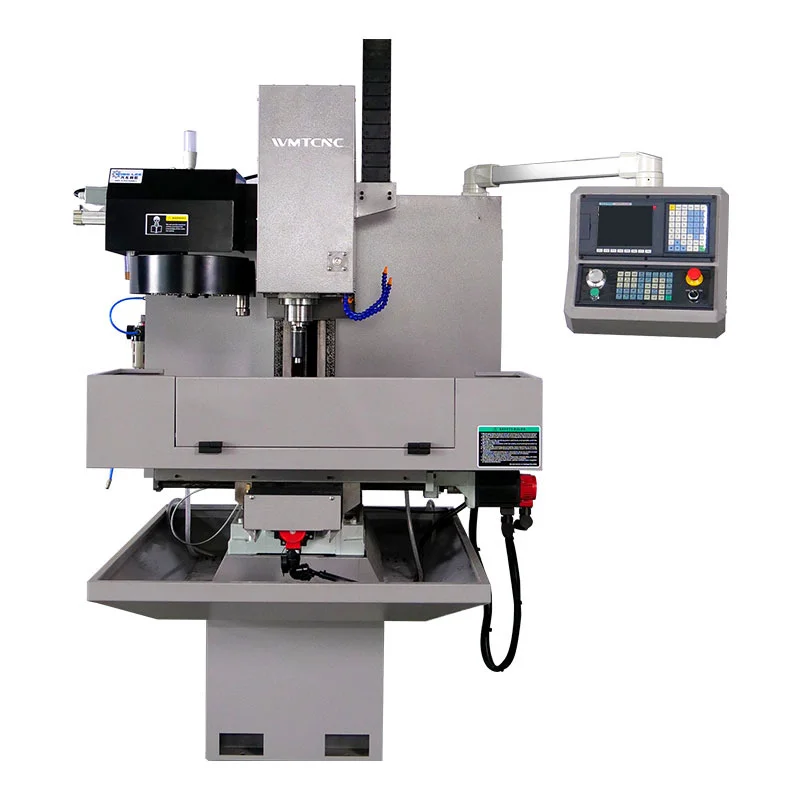
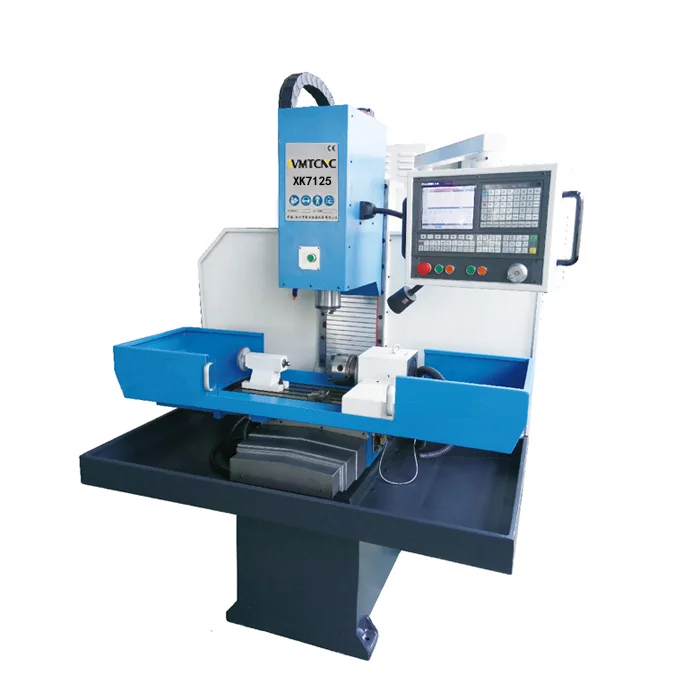
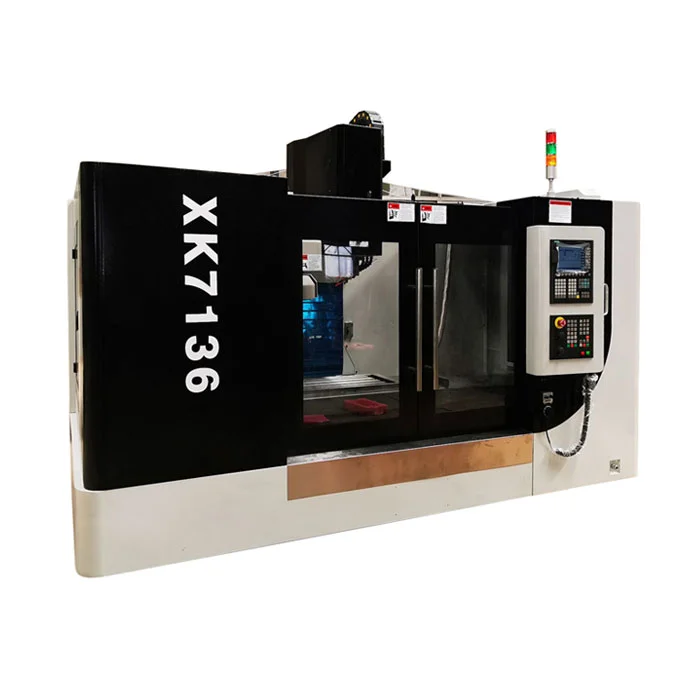
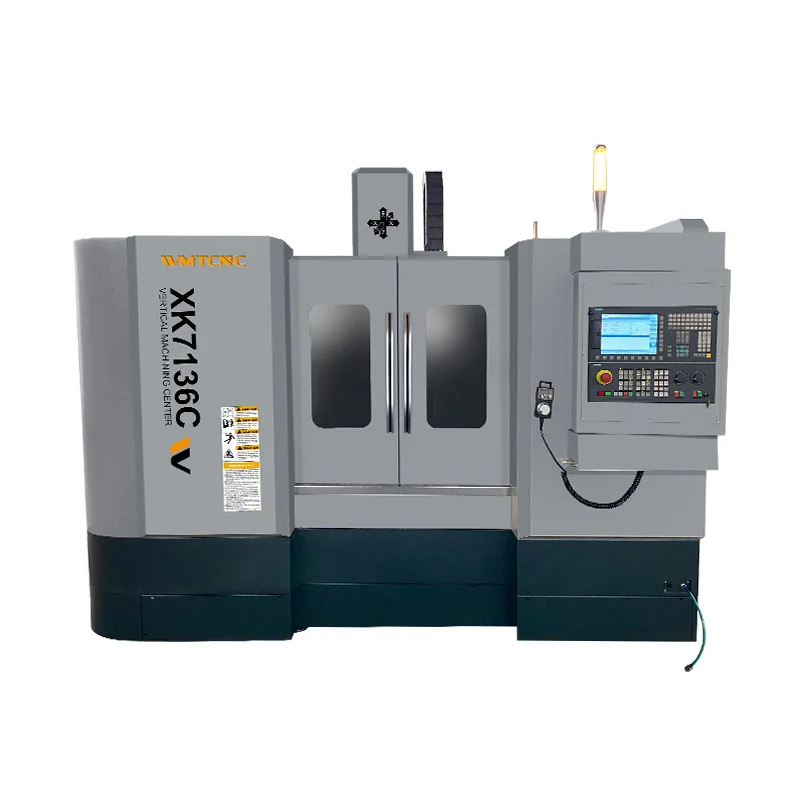
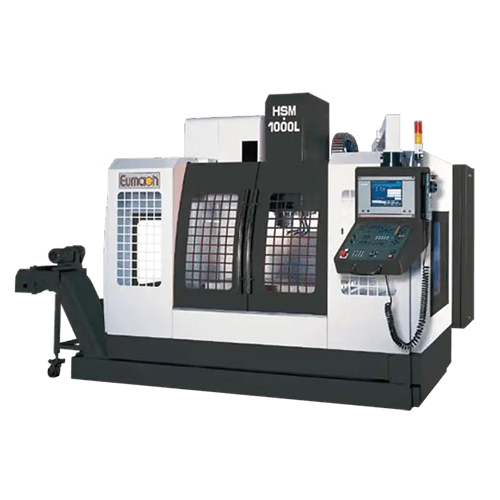
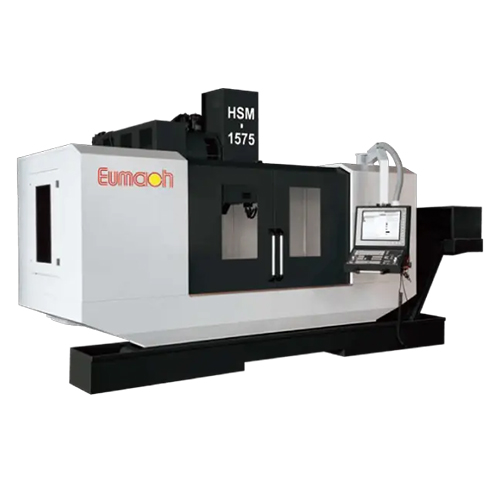
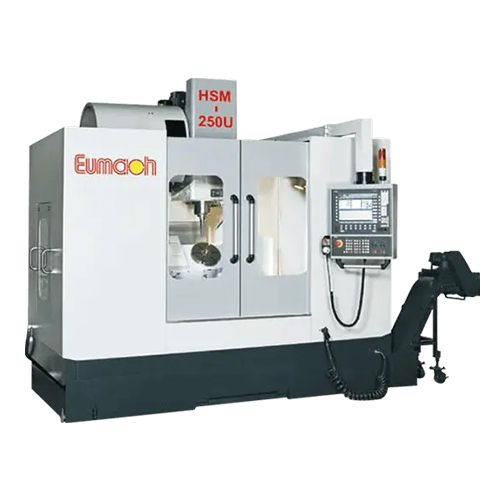
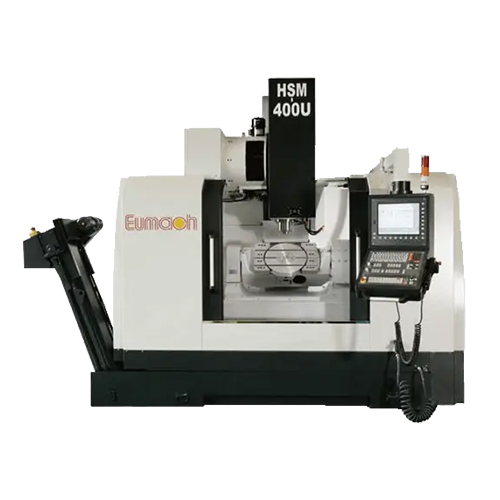
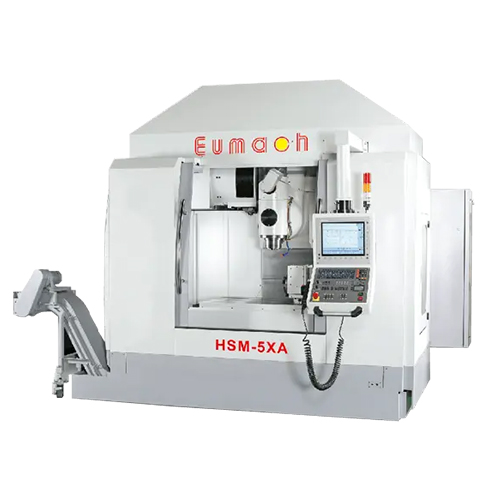
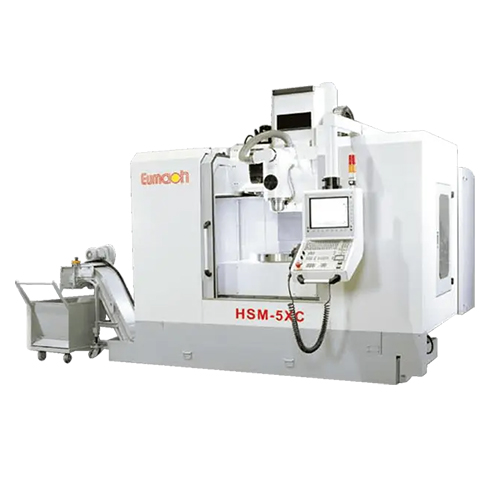
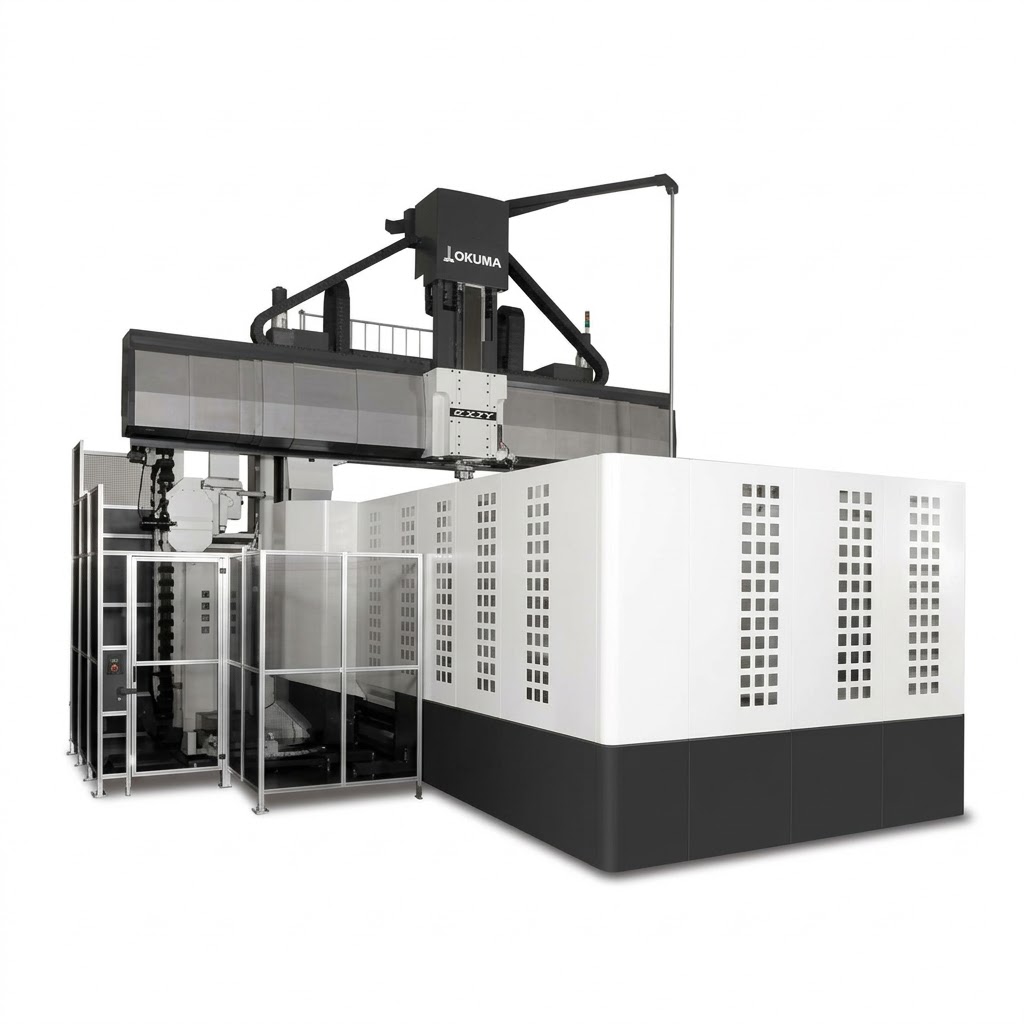
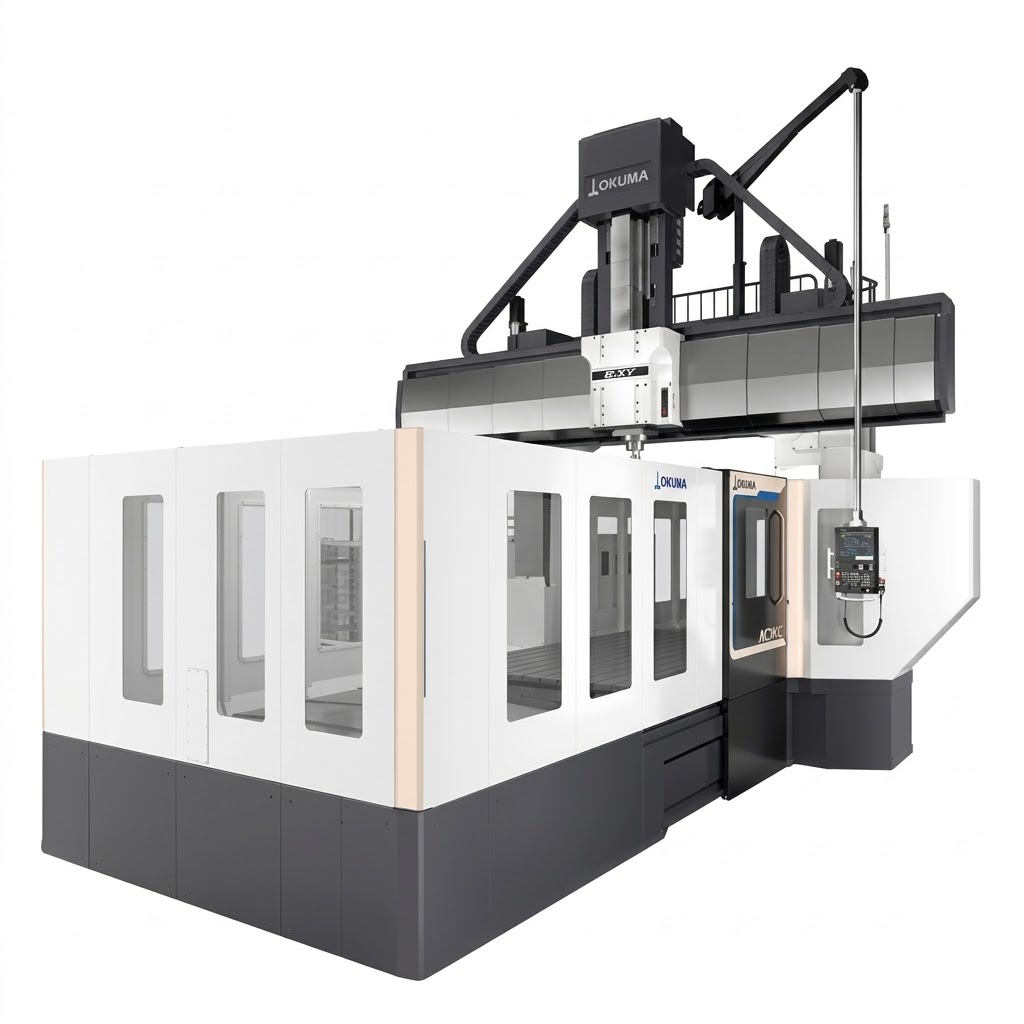
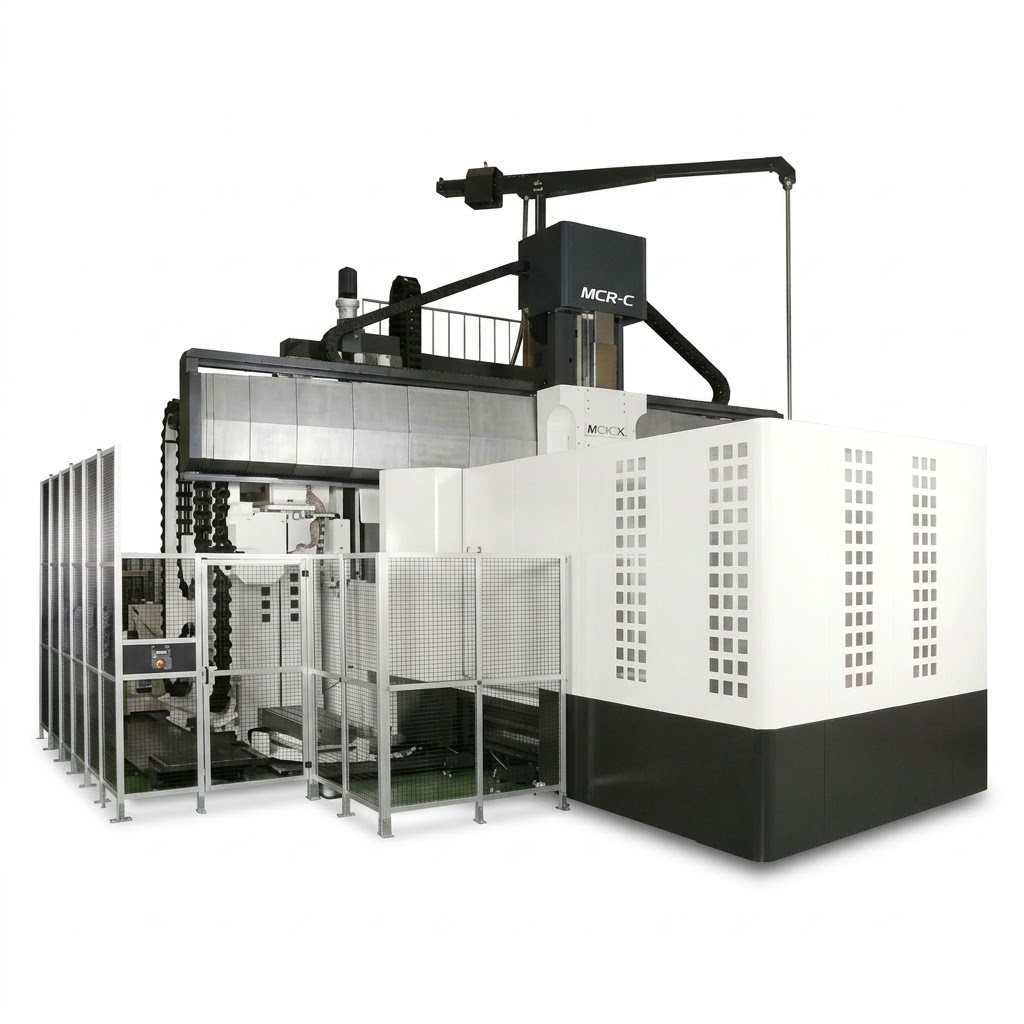
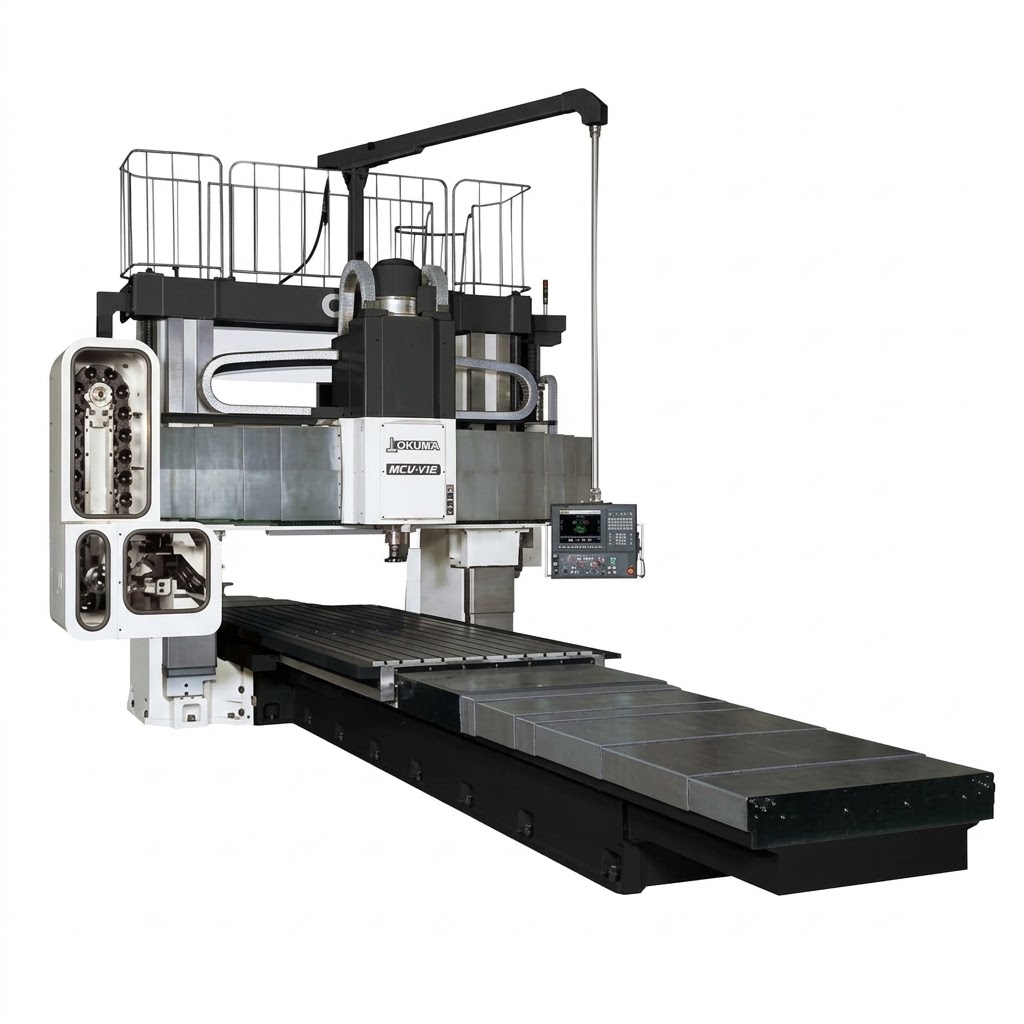
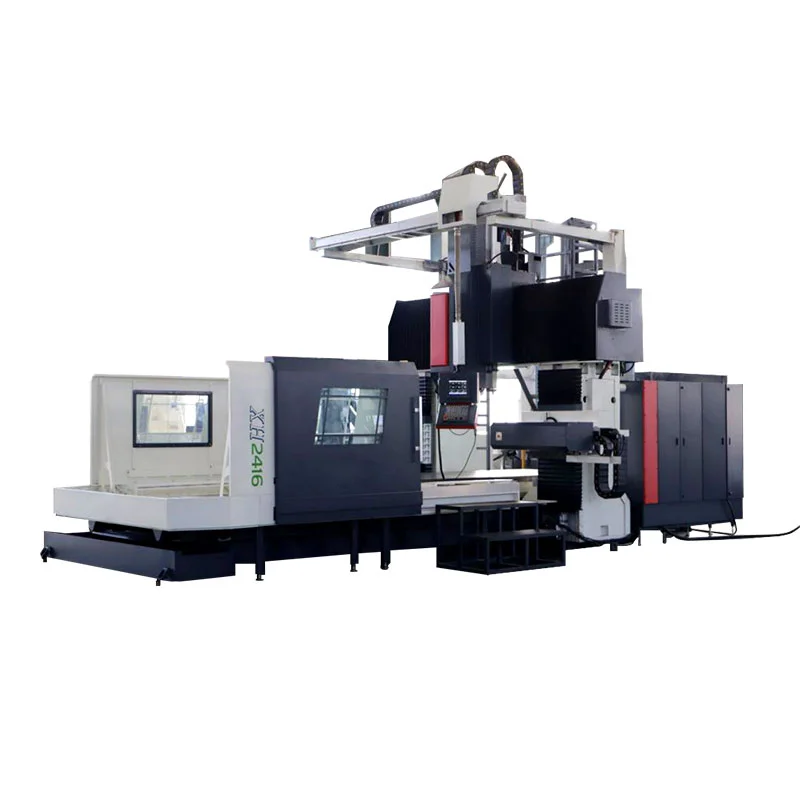
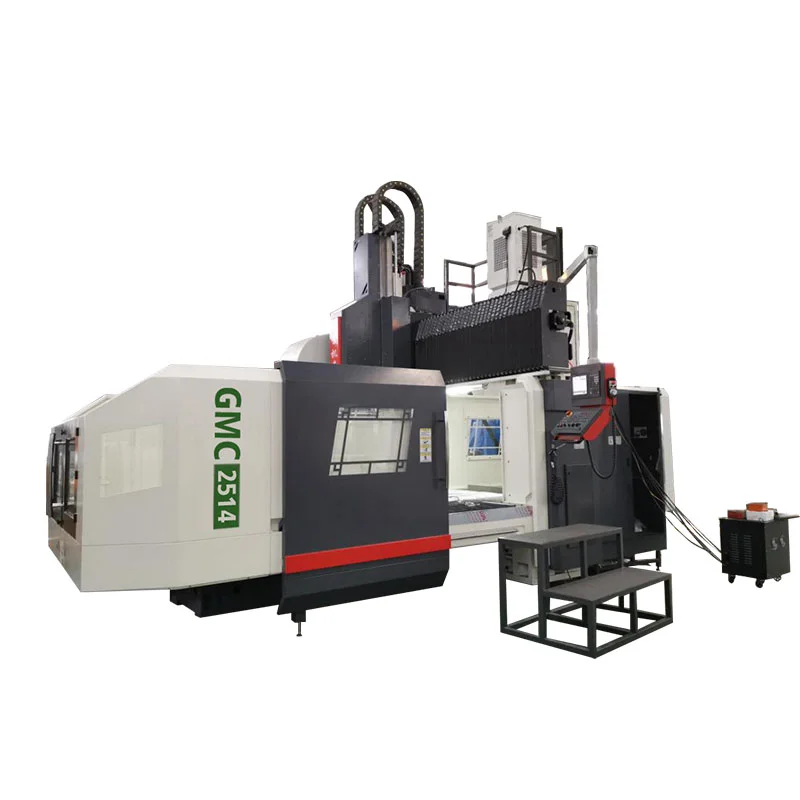
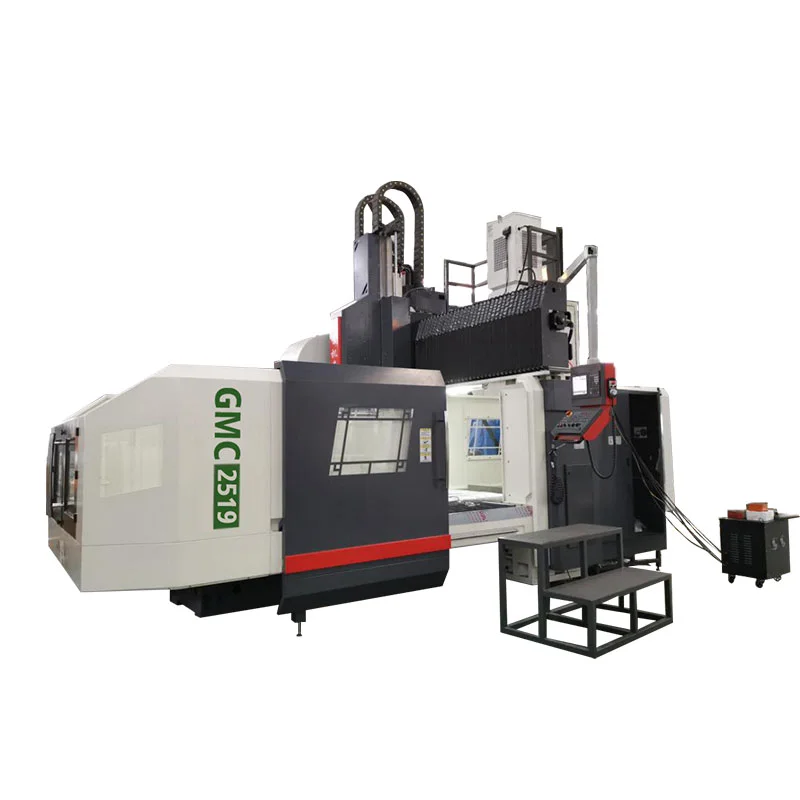
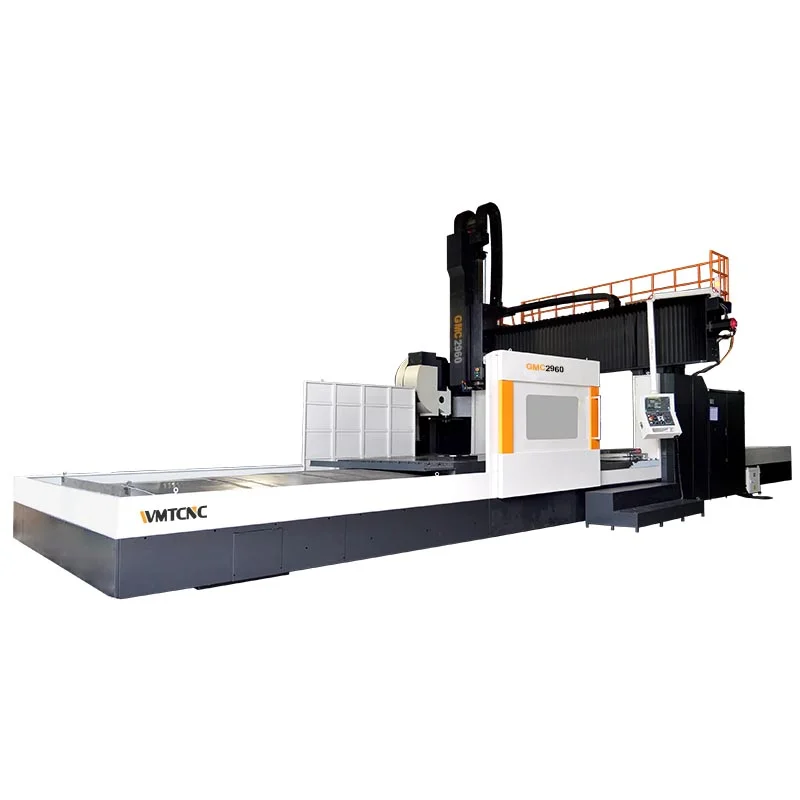
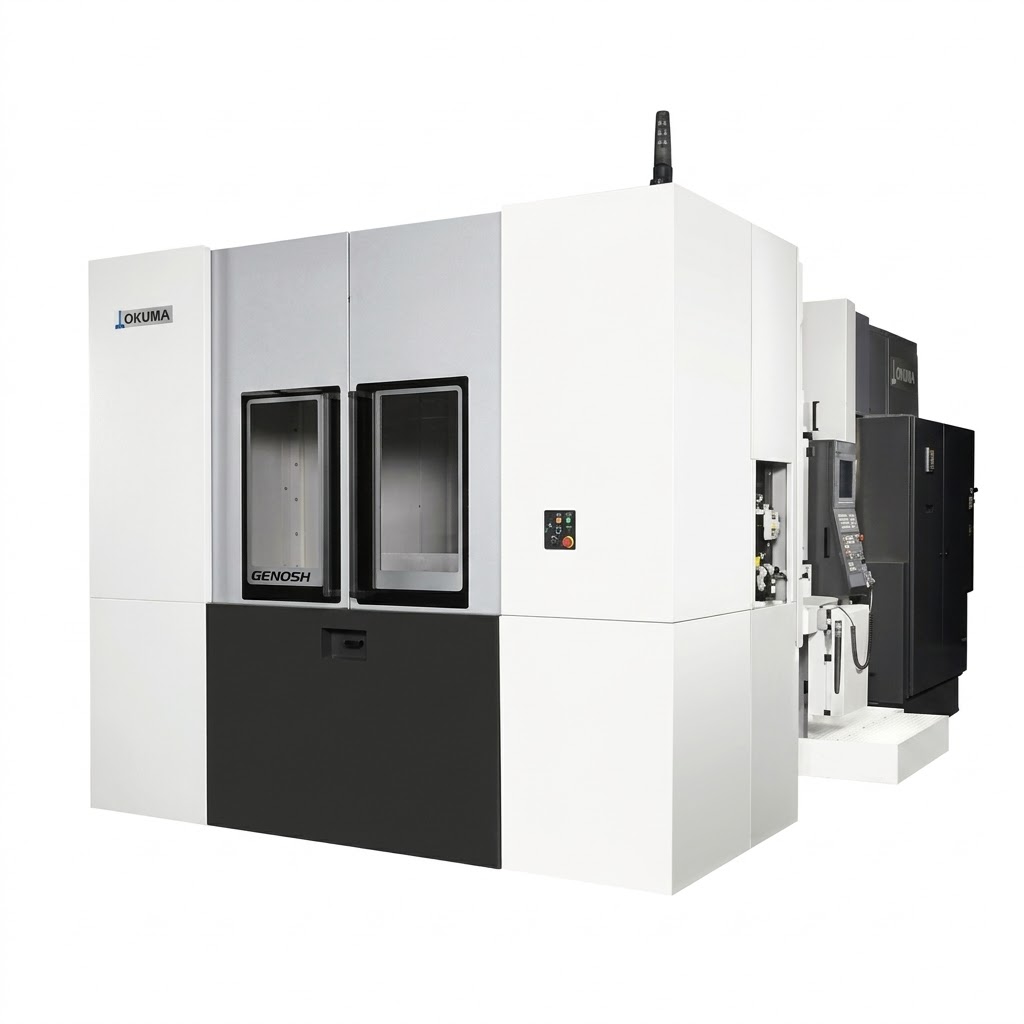
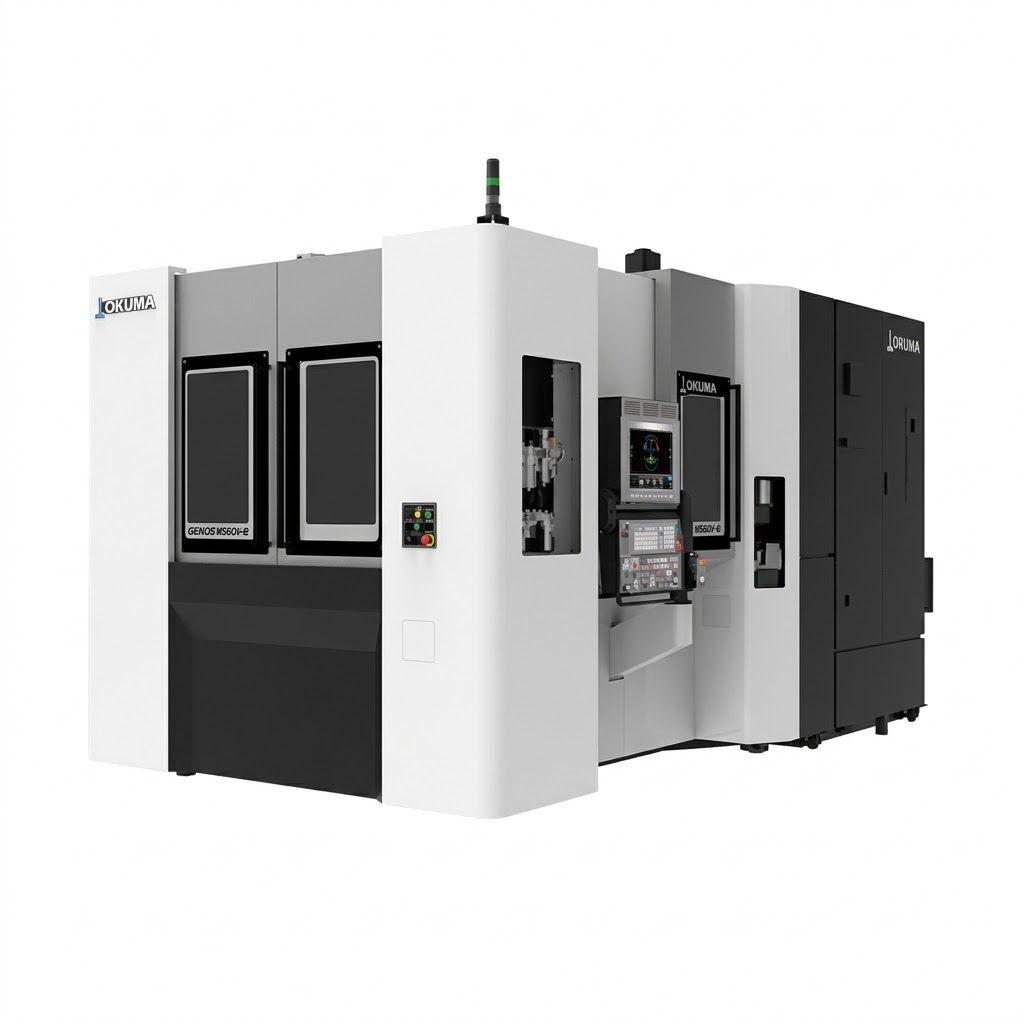
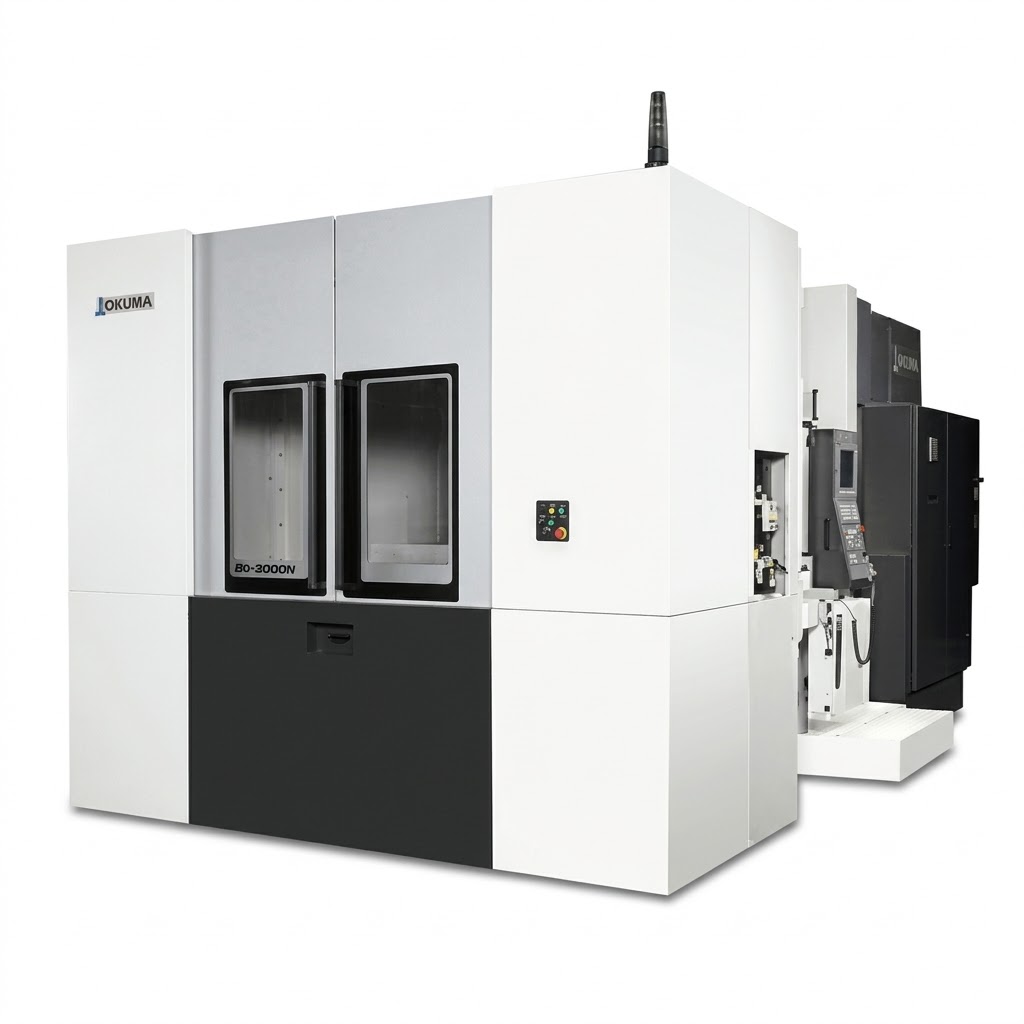
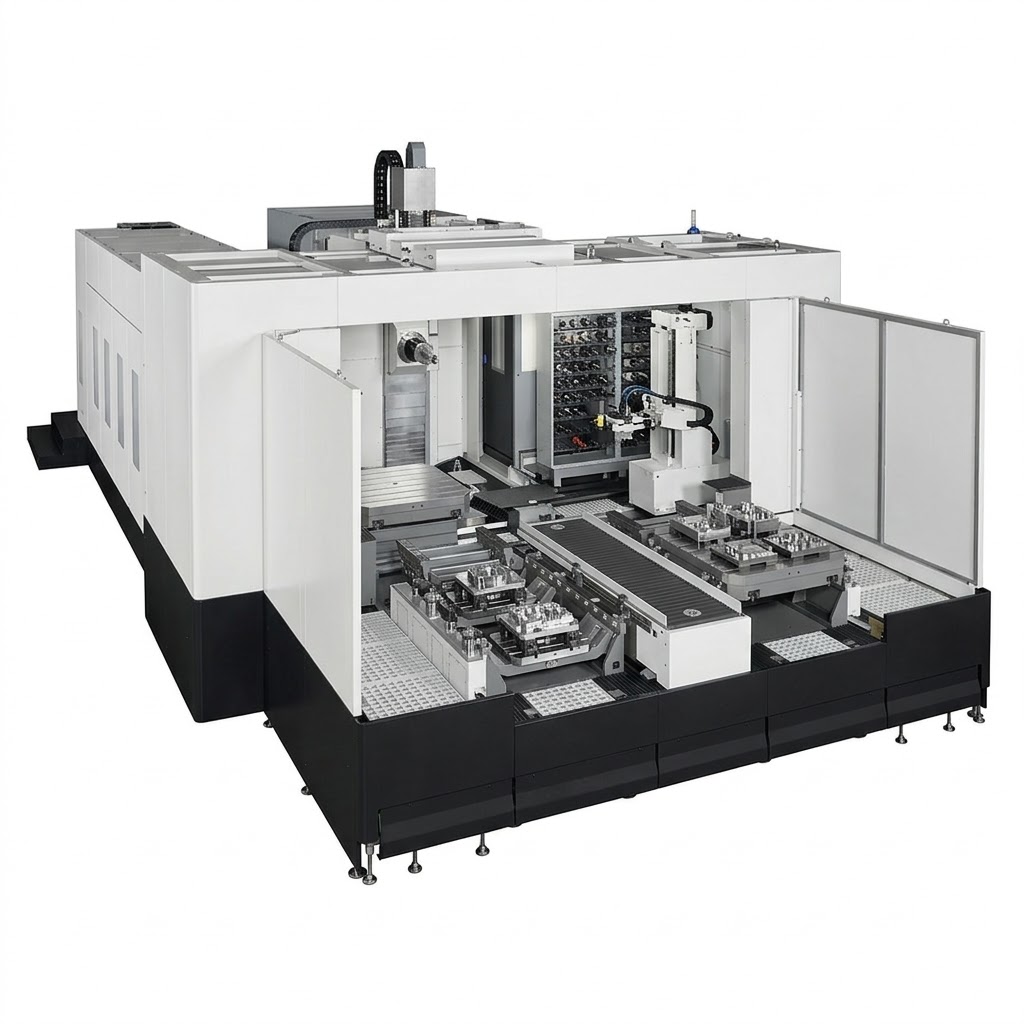
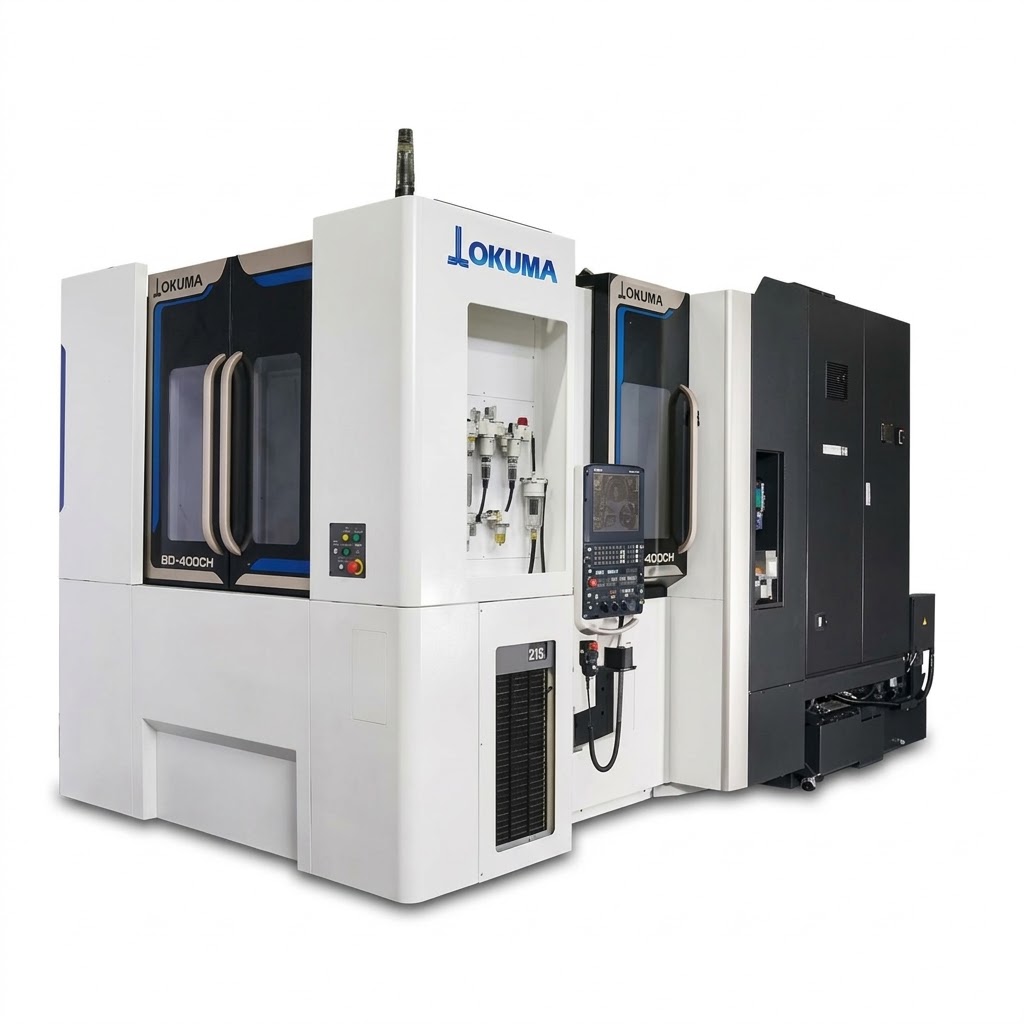
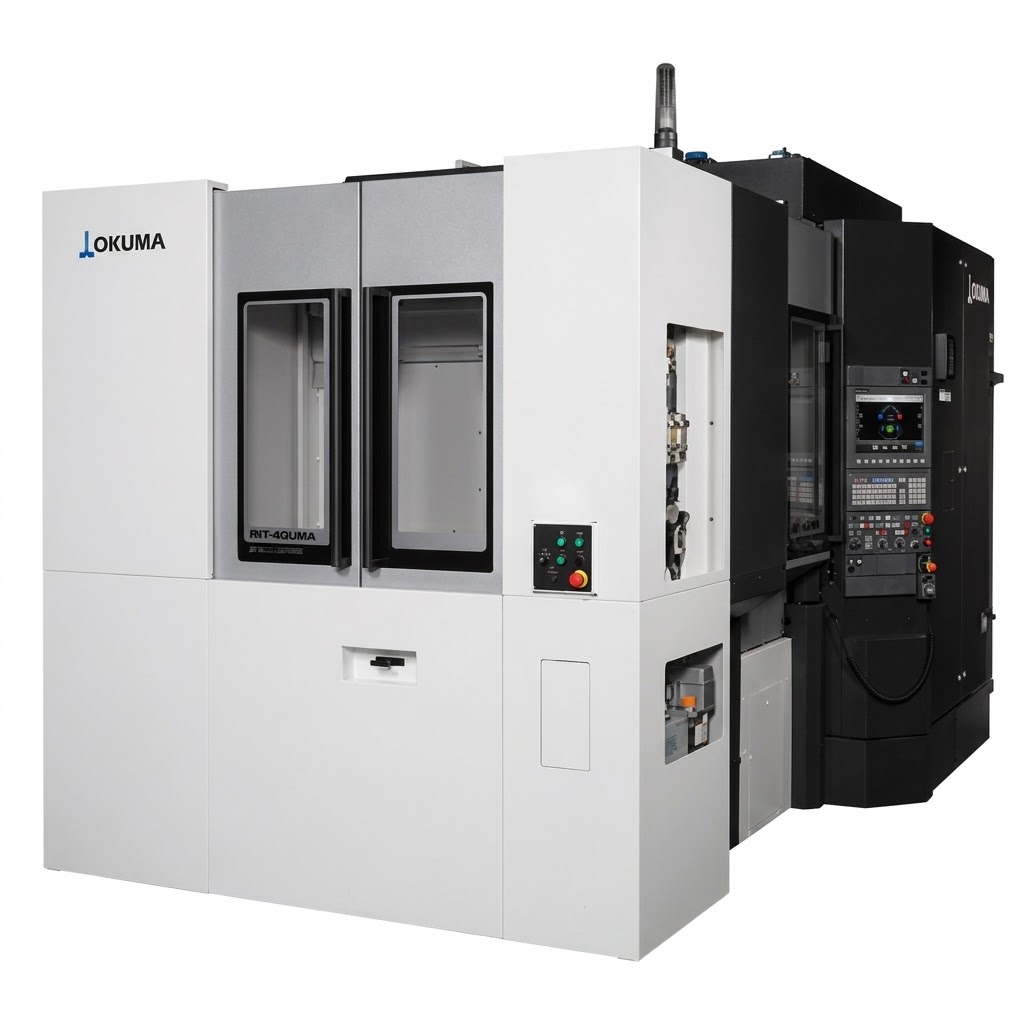
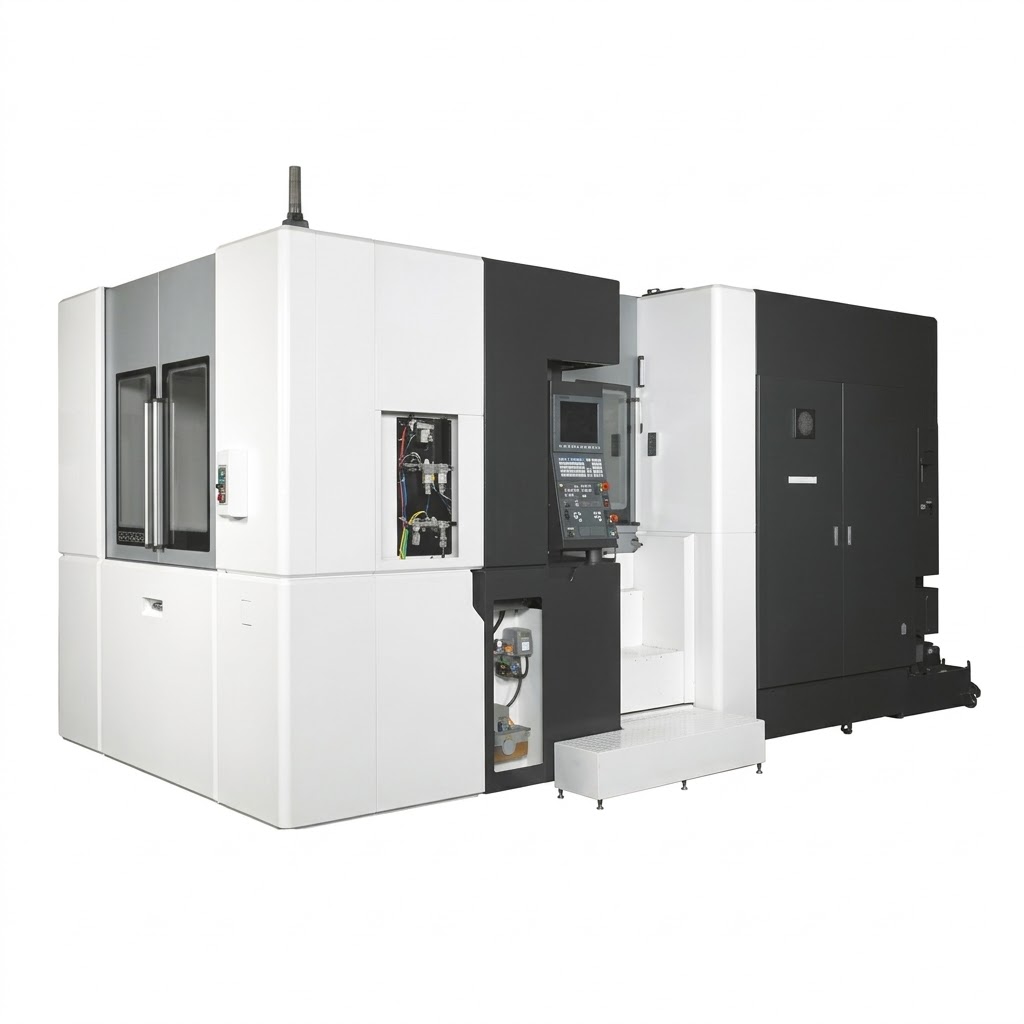
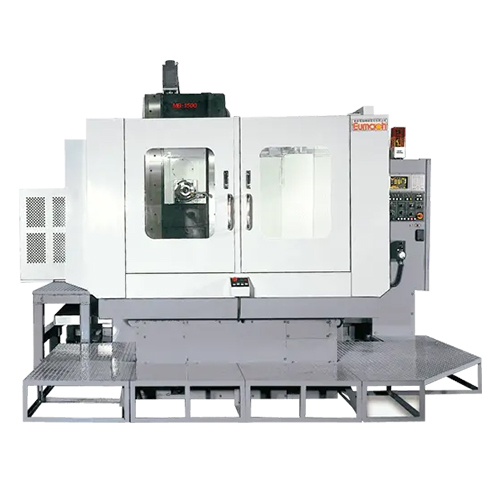
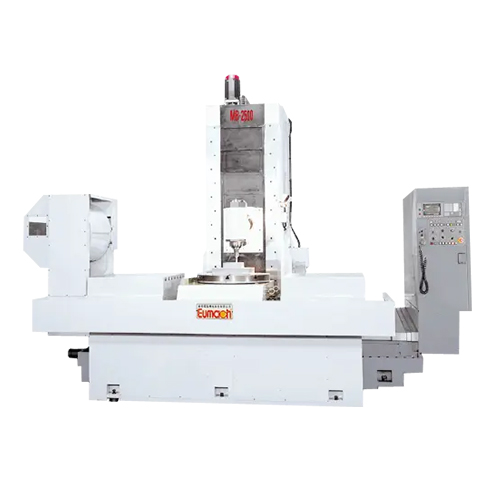
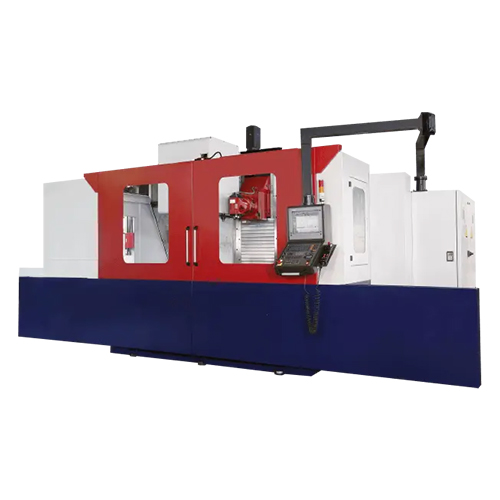
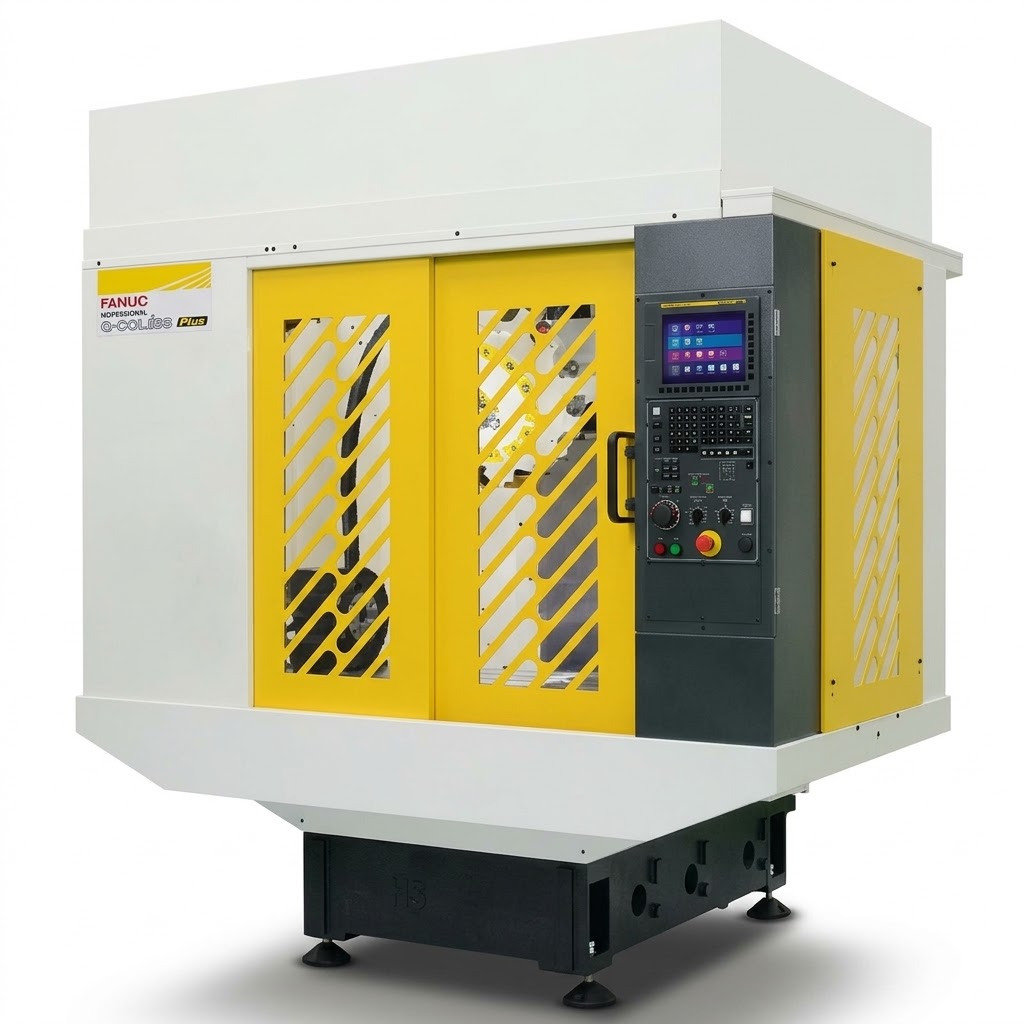
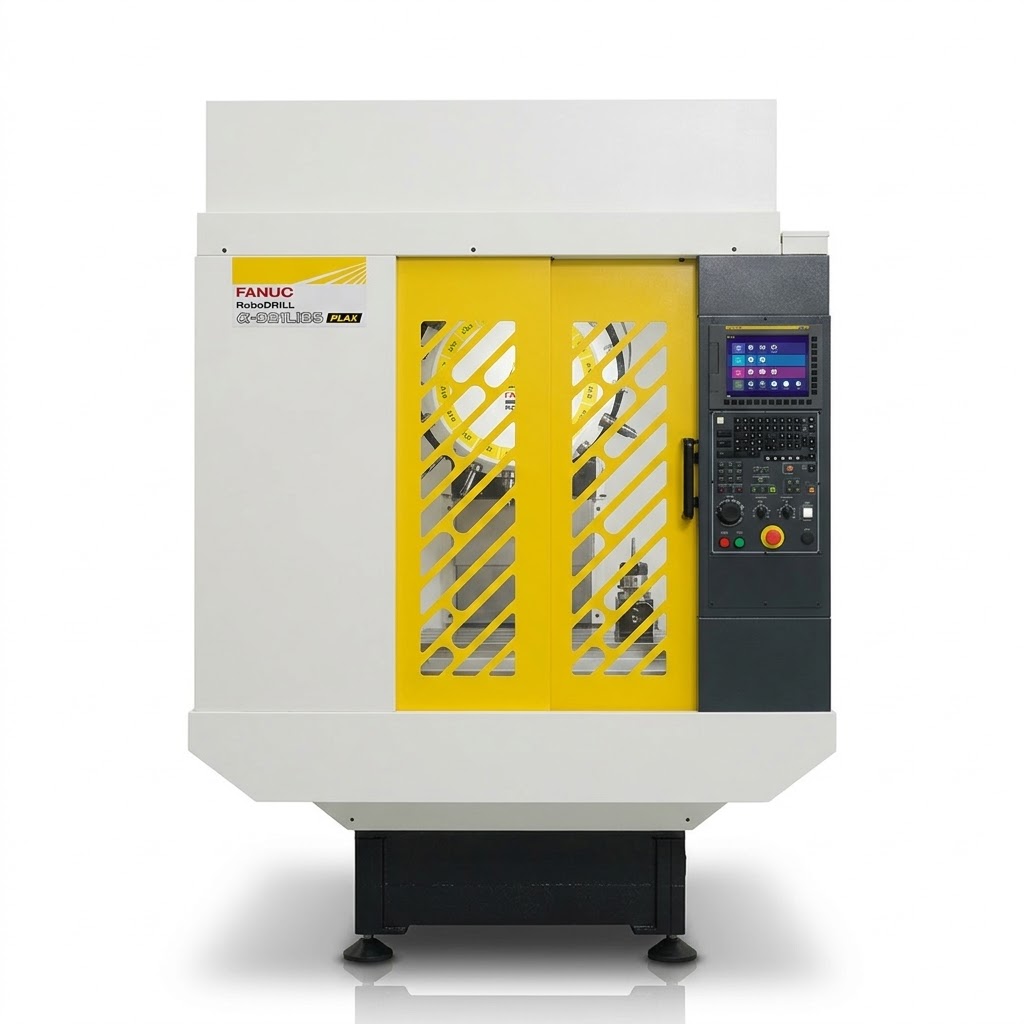
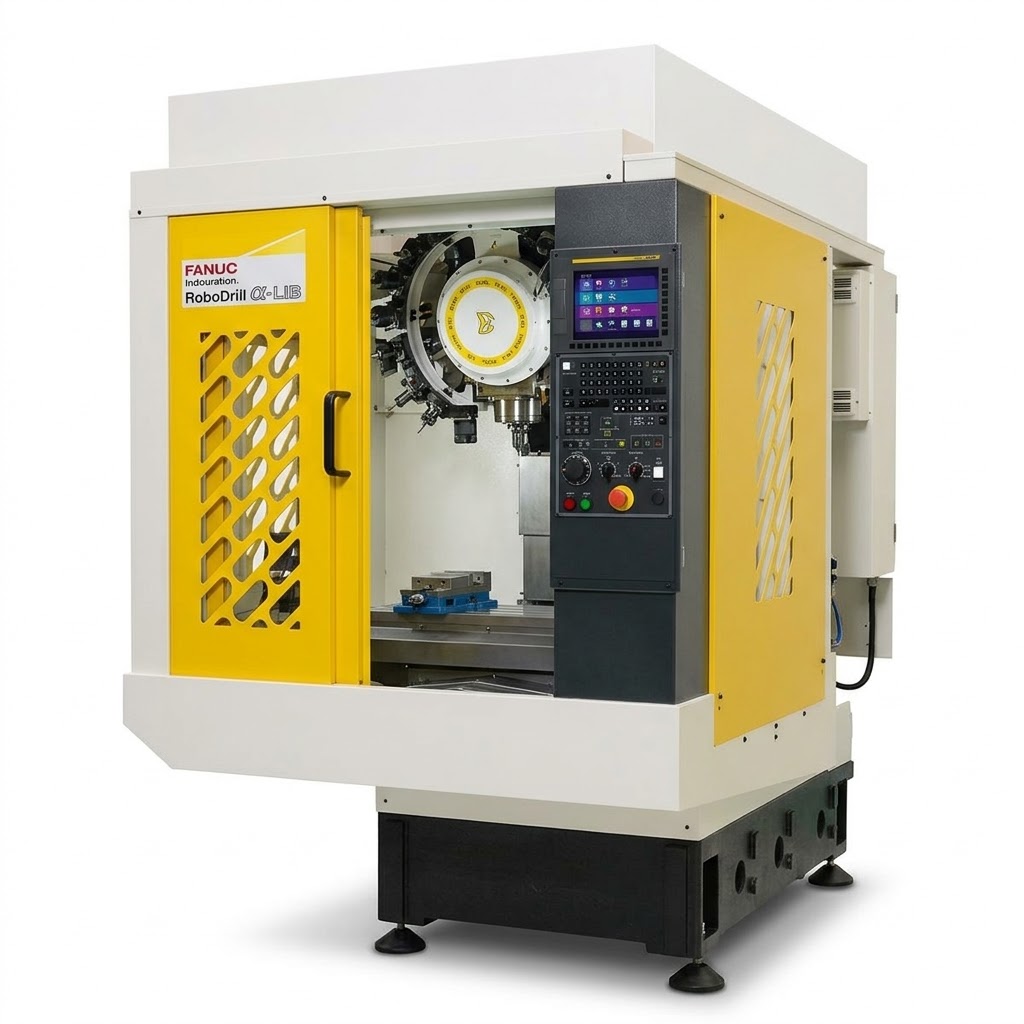
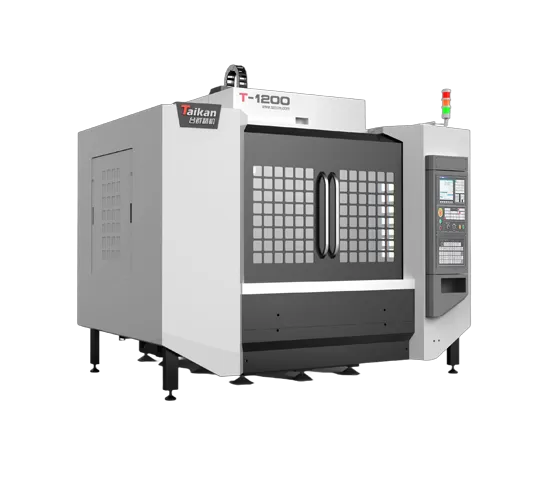
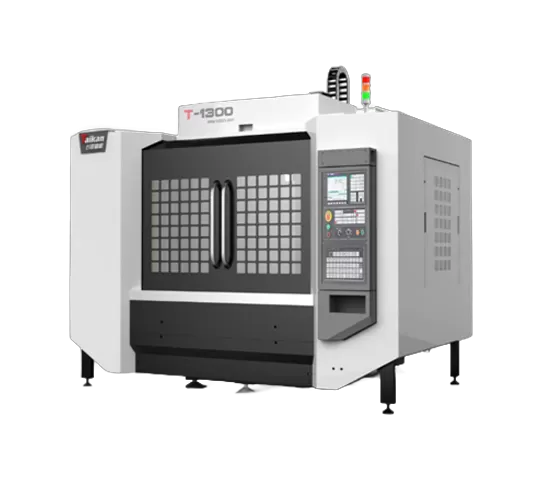
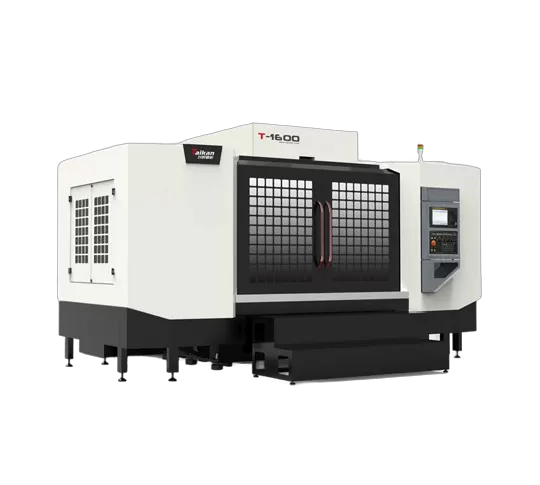
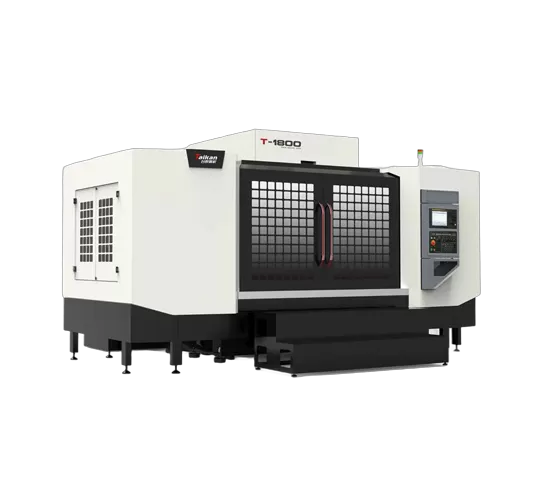
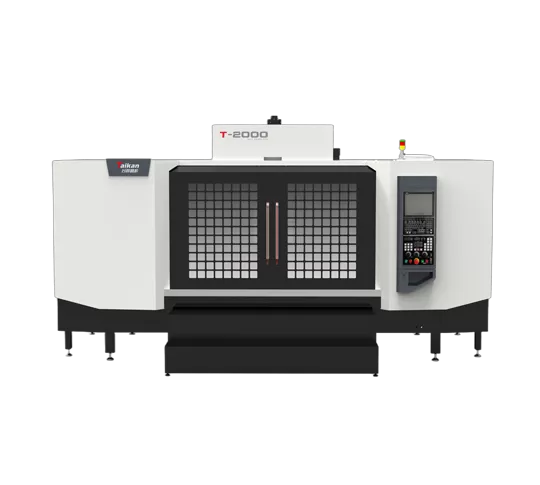
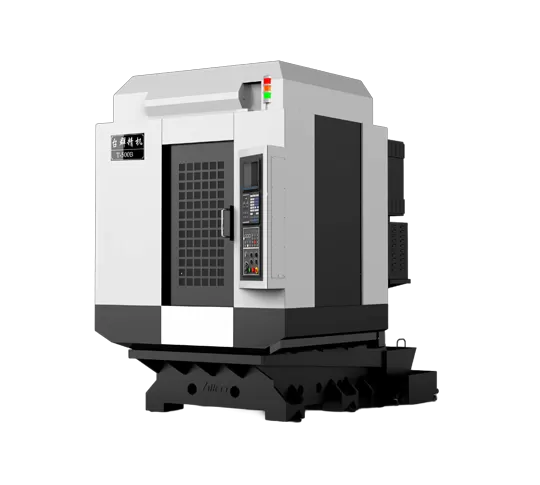
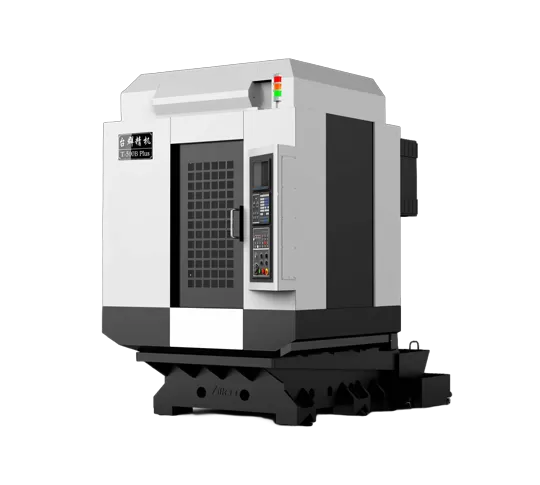
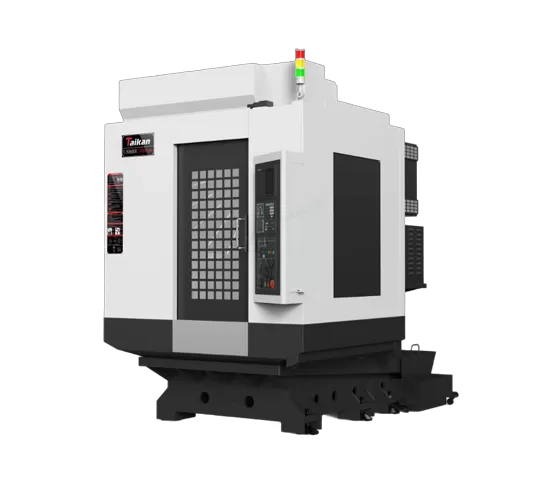
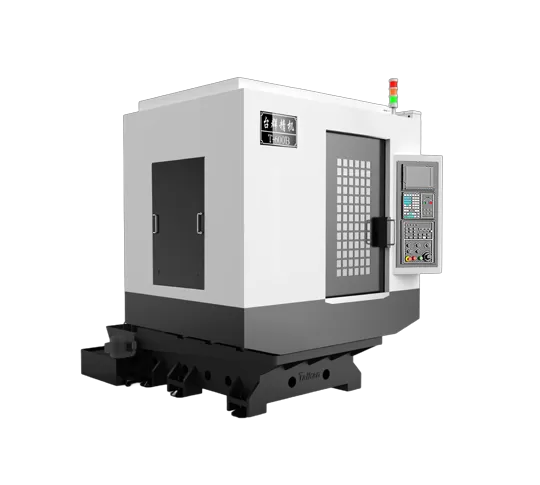
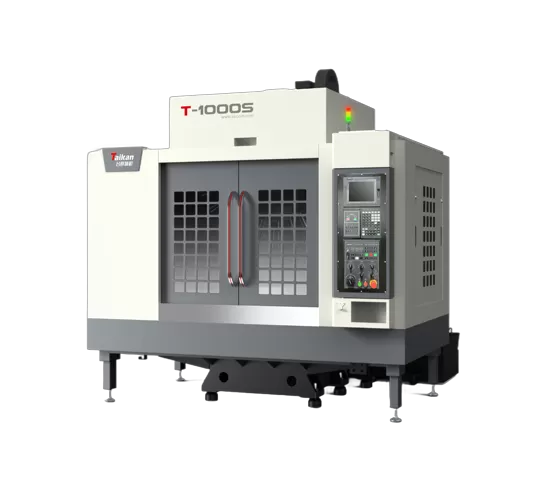
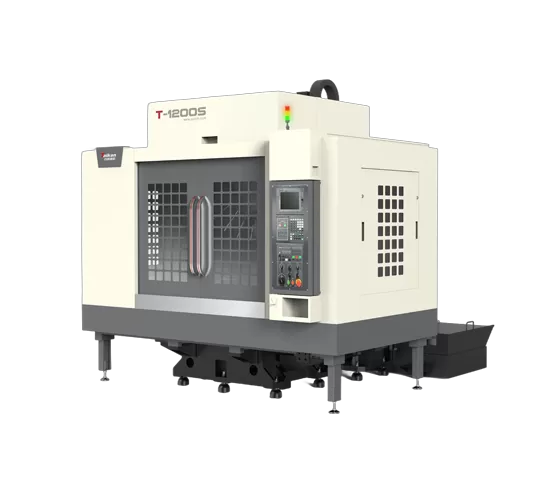
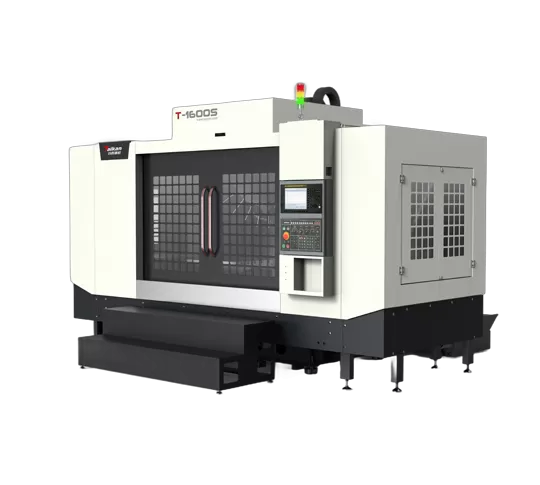
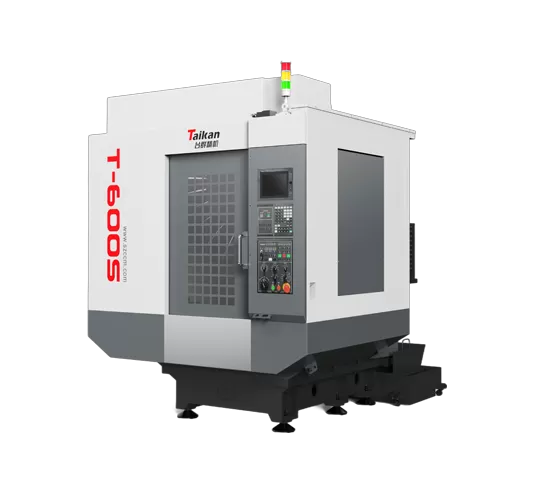
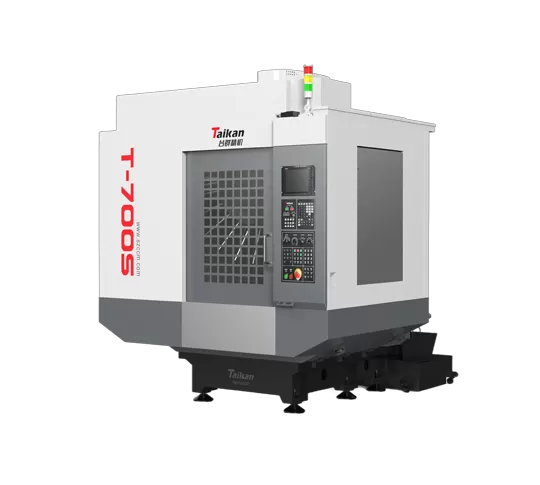
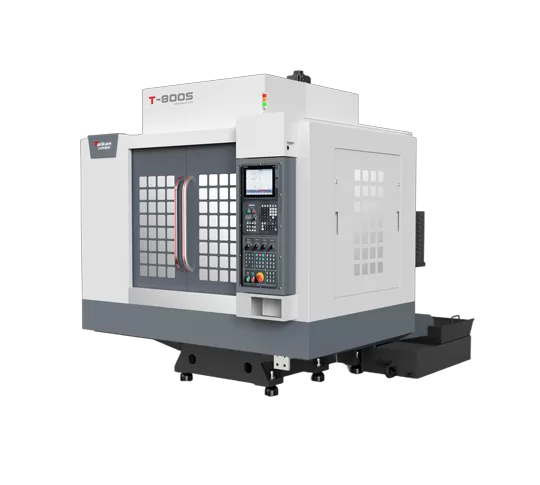
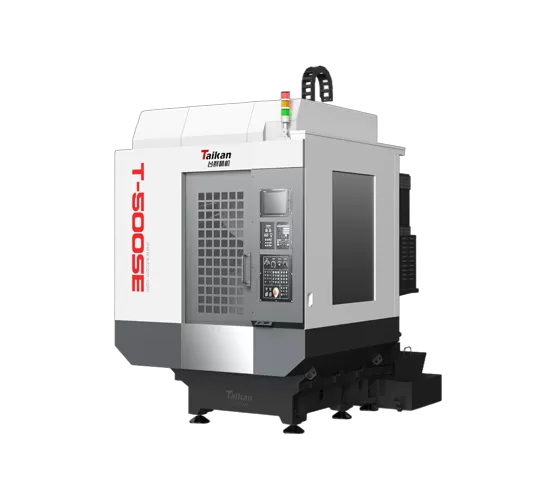
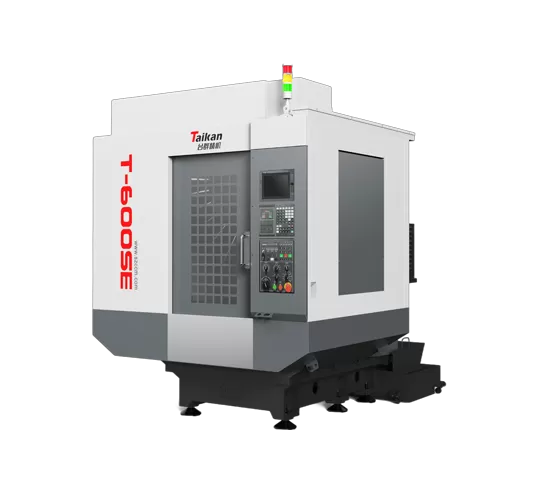
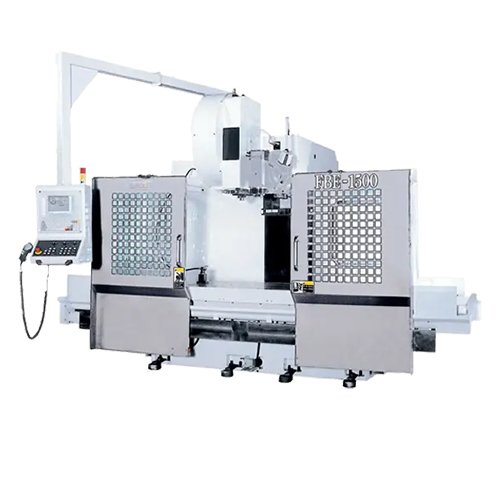
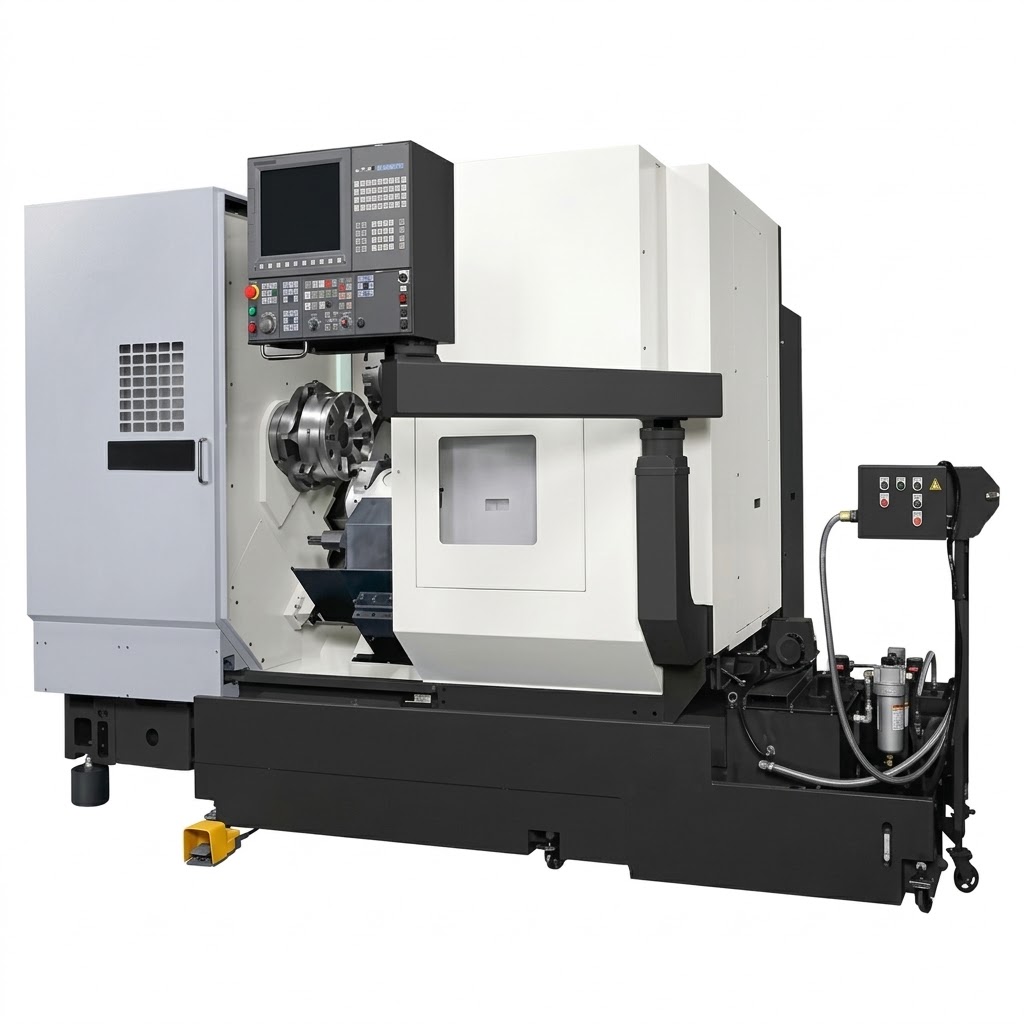
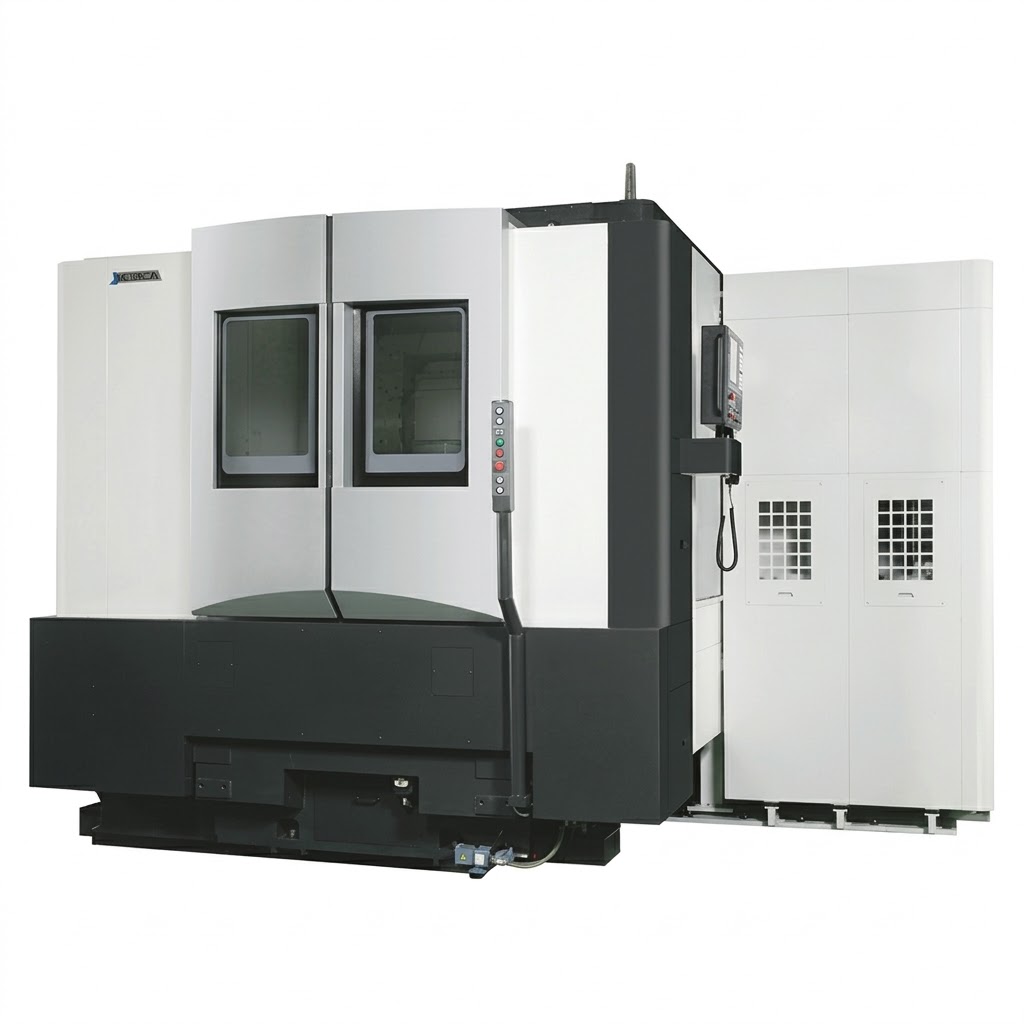
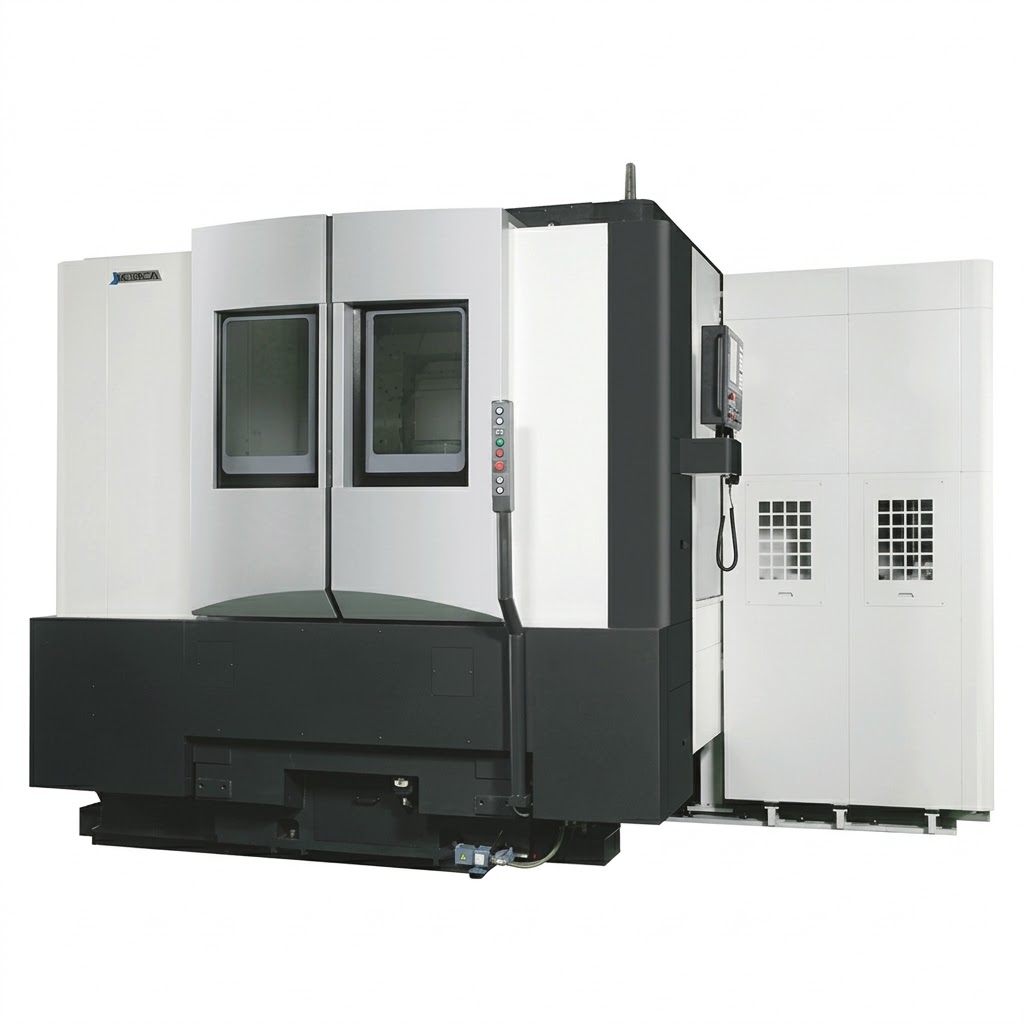
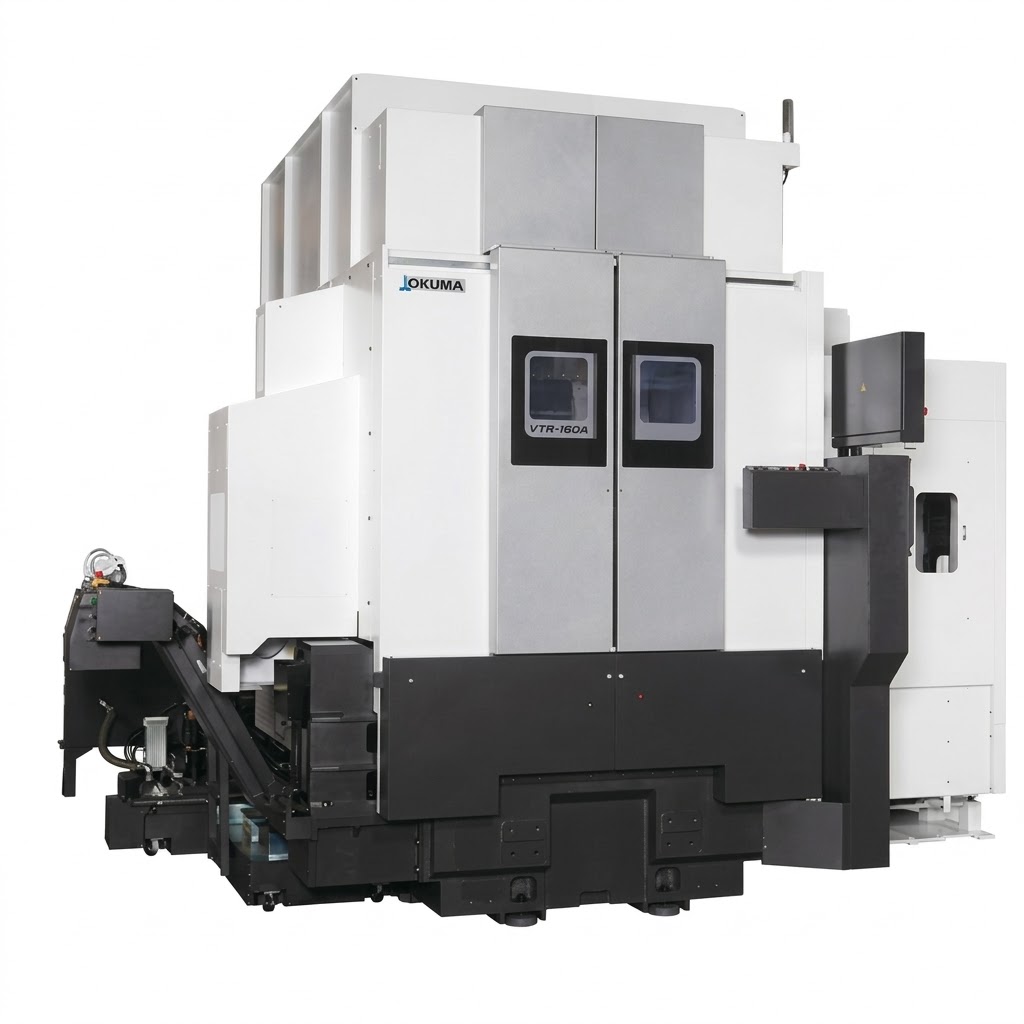
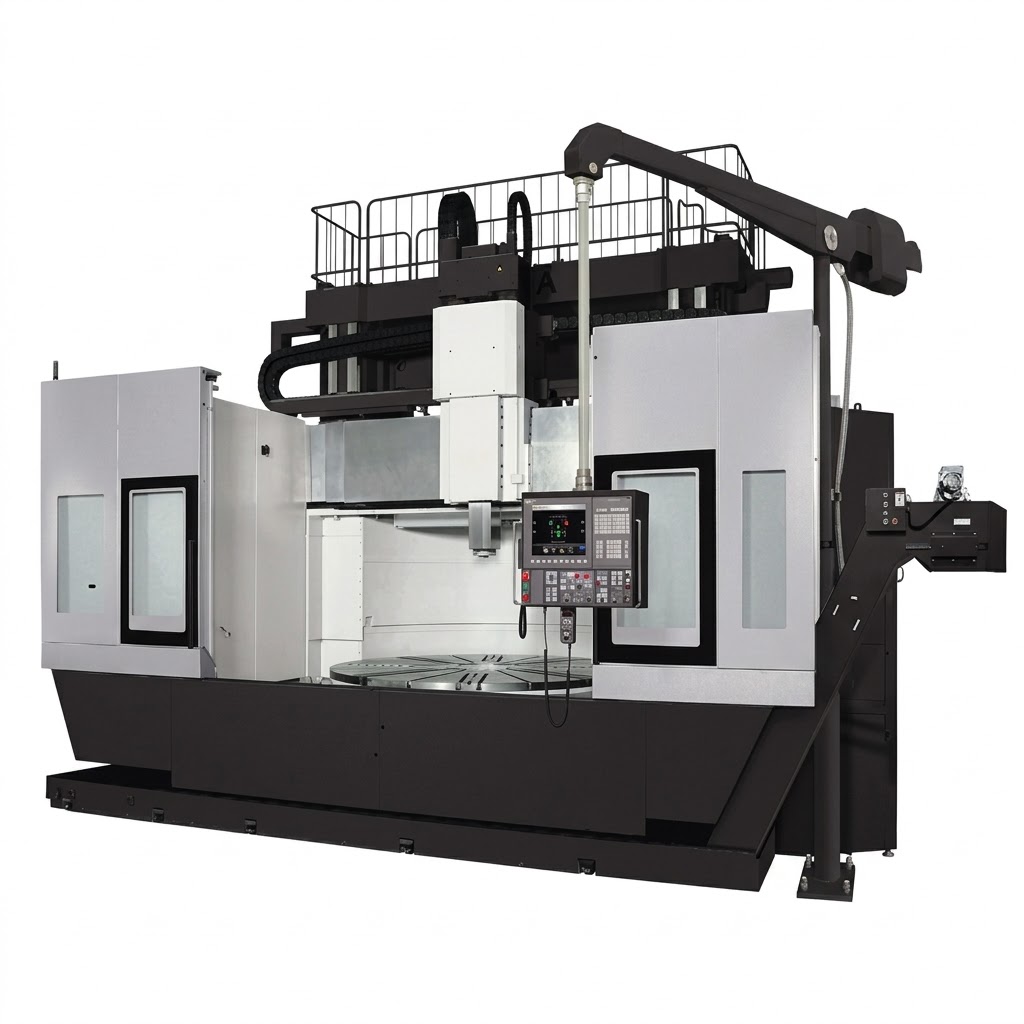
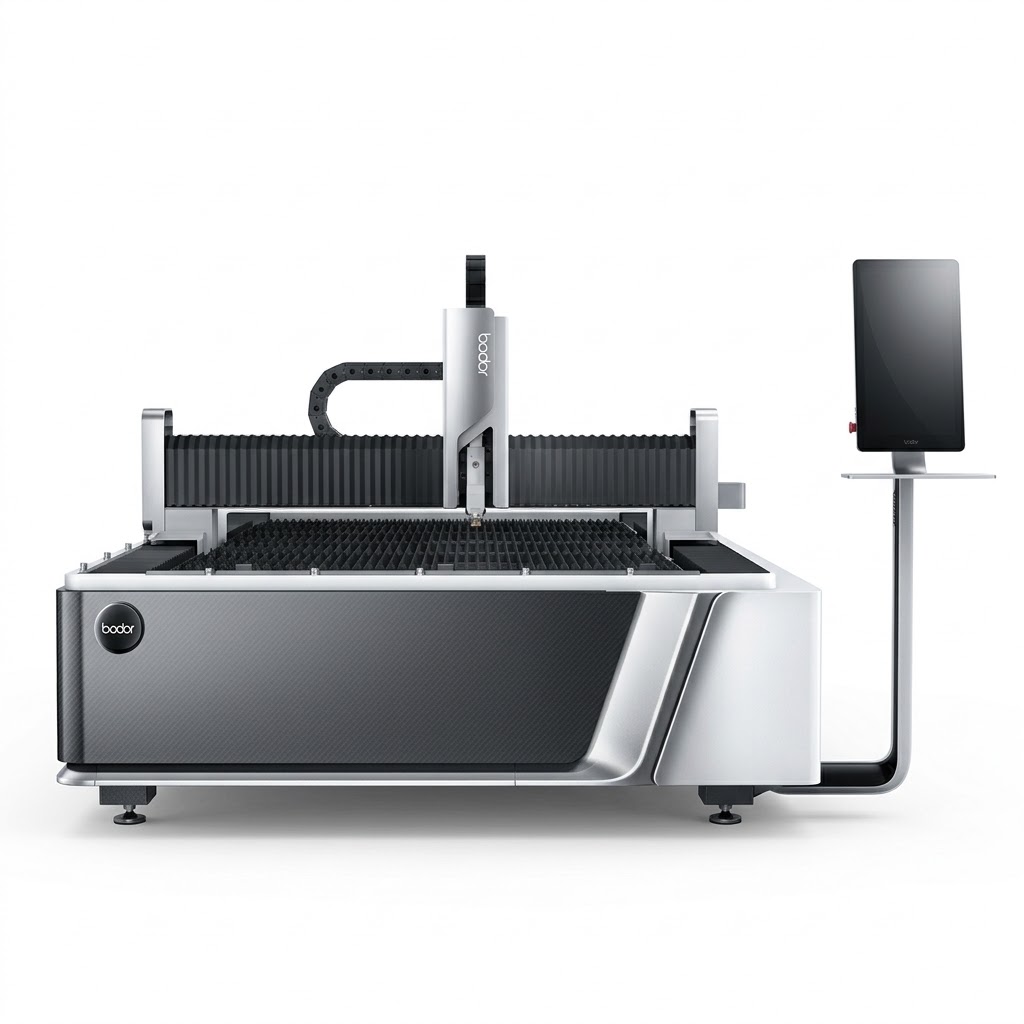
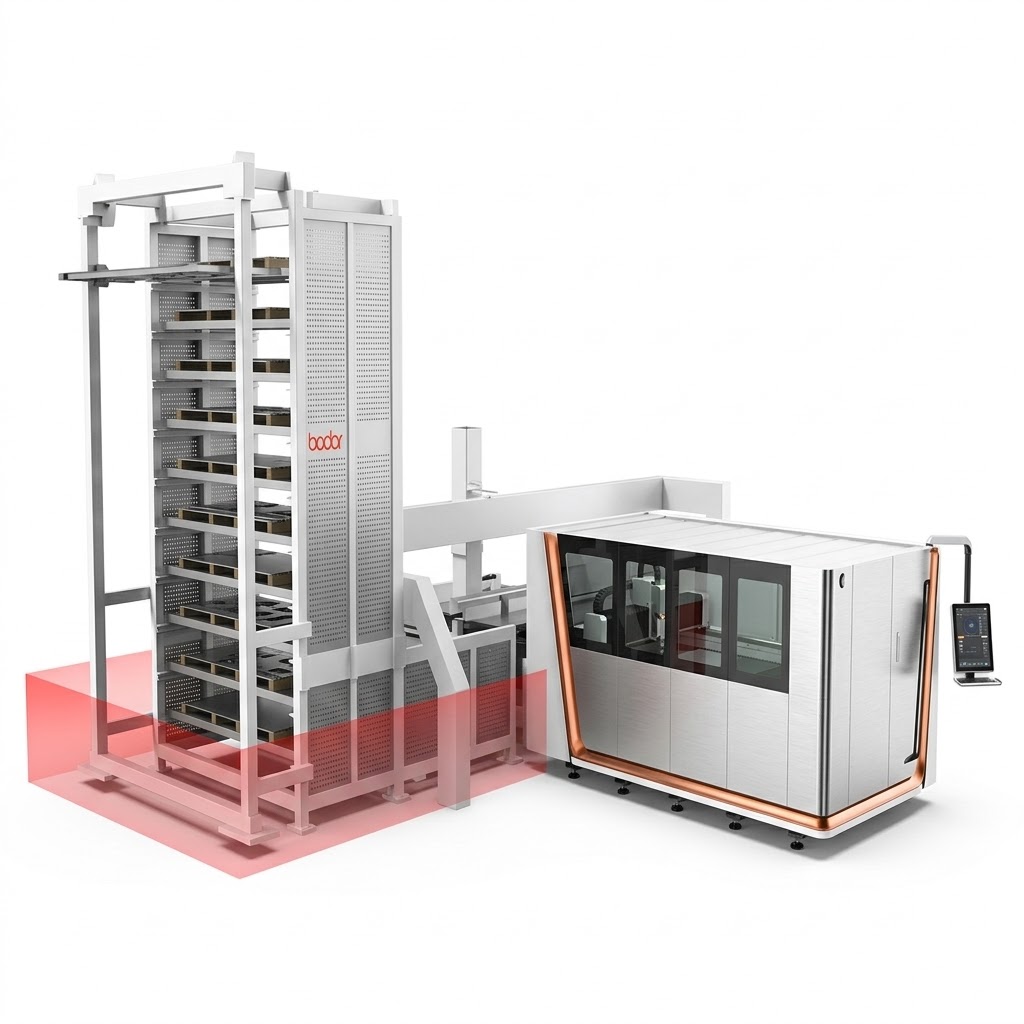
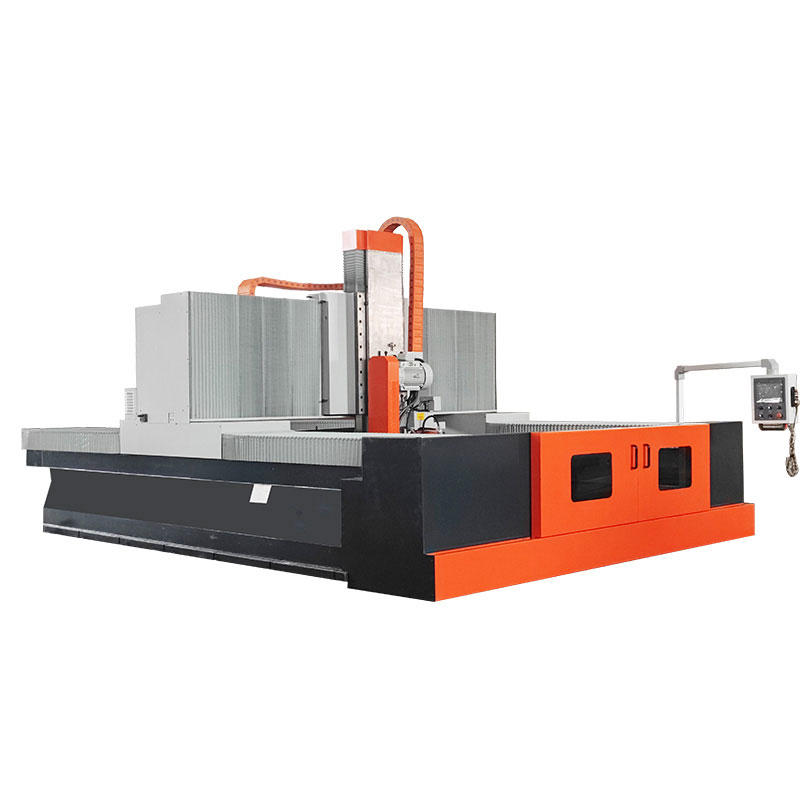
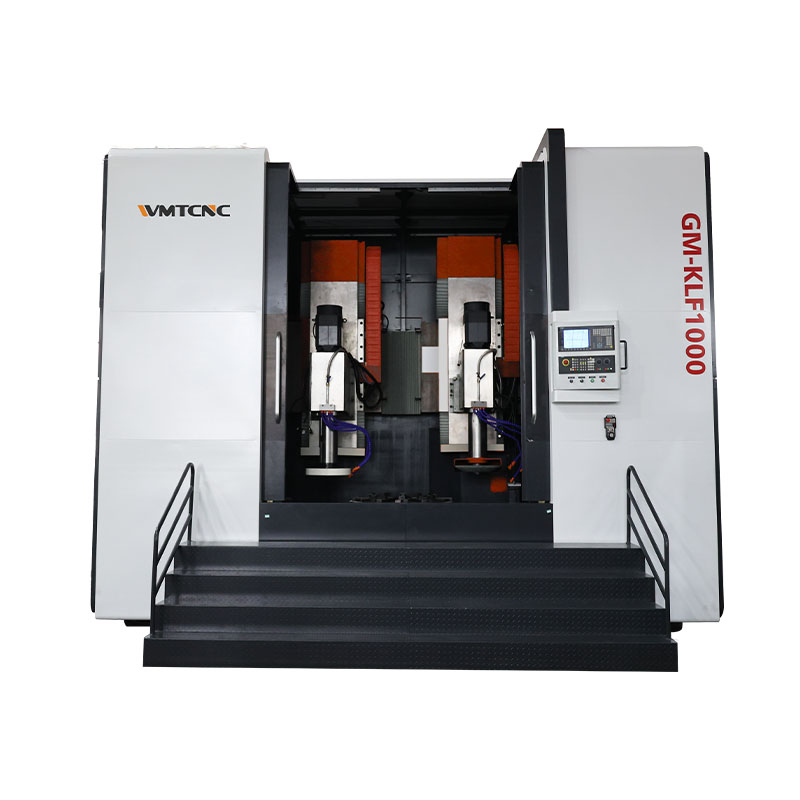
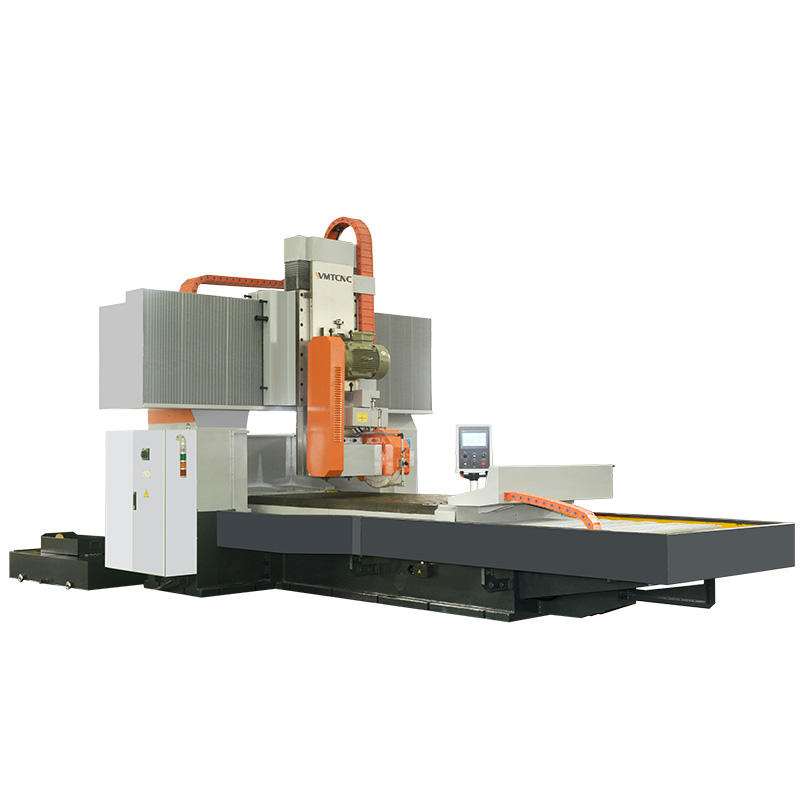
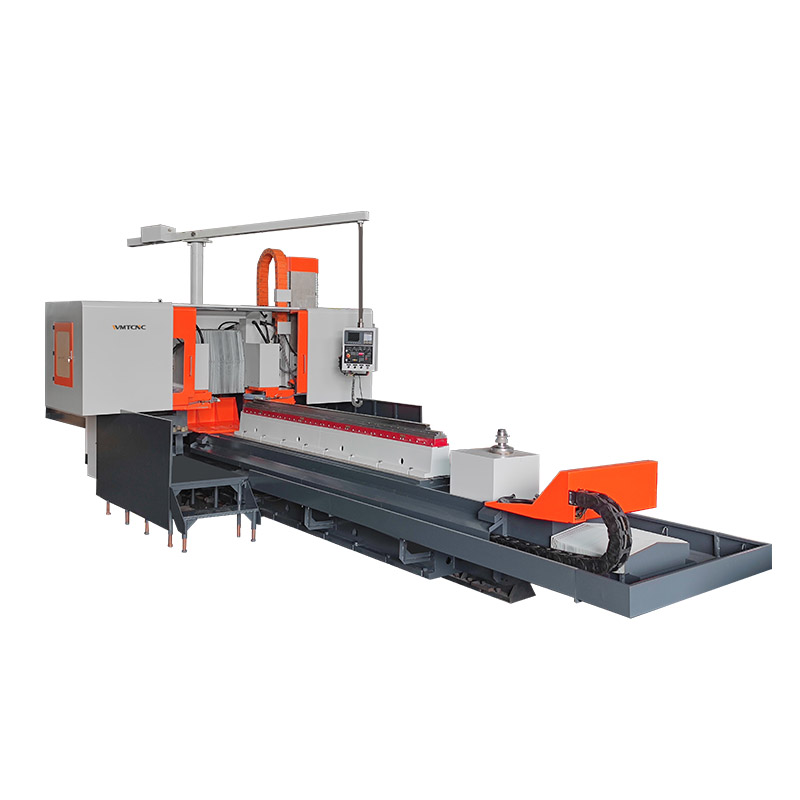
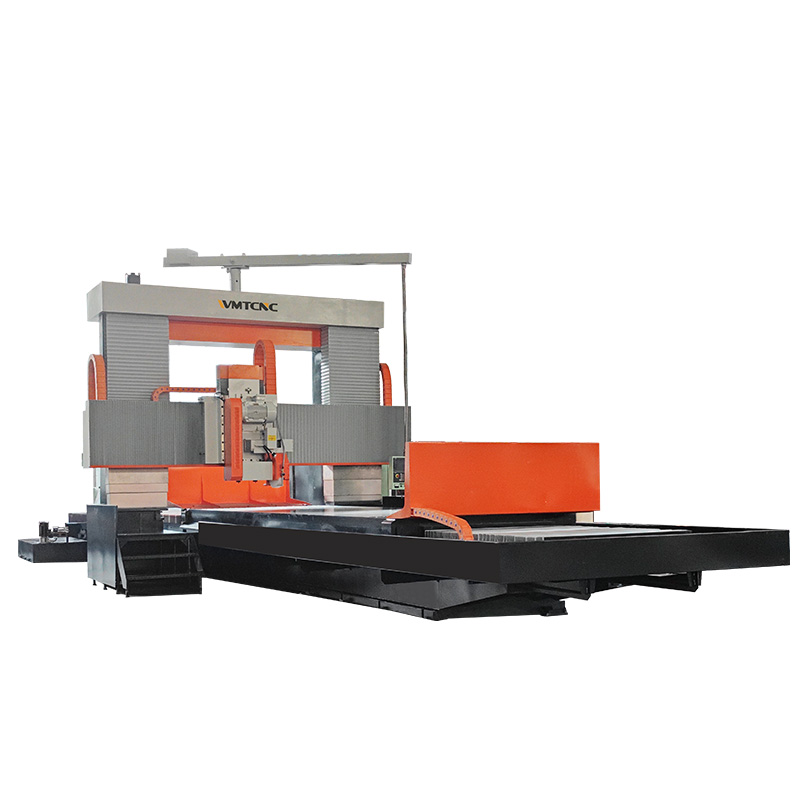
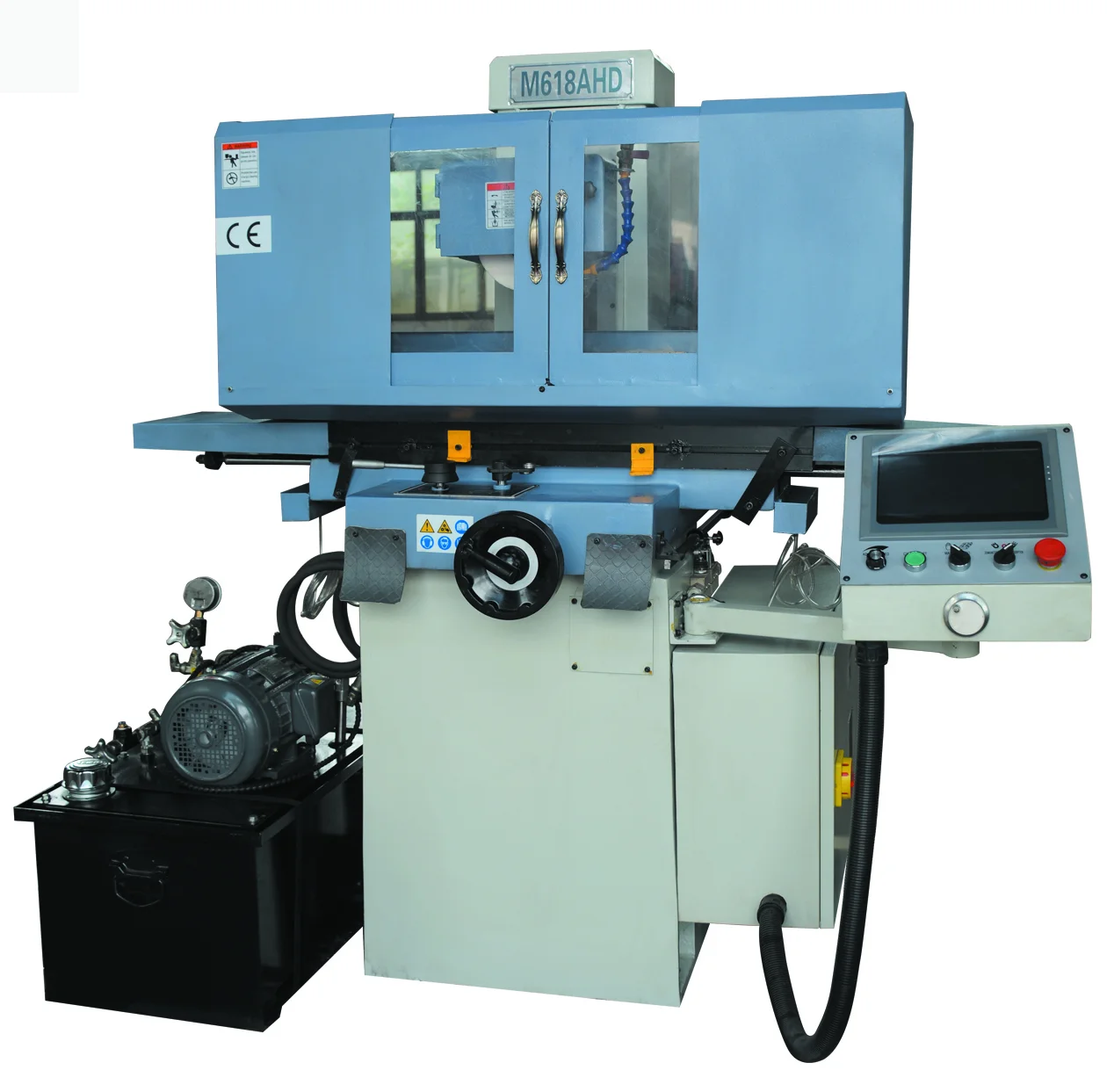
A Graphite Machining Center is specifically designed to handle the unique characteristics of graphite. Key considerations include dust collection, machine protection, spindle speed, and cutting tool selection, which distinguish it from conventional CNC Machining Centers primarily designed for metal cutting.
Graphite is widely used in the manufacturing of electrodes for EDM (Electrical Discharge Machining), particularly in the mold and die industry. It is preferred for its excellent machinability, high-temperature resistance, and dimensional stability.
However, machining graphite differs from conventional metal cutting because the process generates fine graphite dust, which can easily penetrate critical machine components. Therefore, a Graphite Machining Center requires specialized design features and protection systems to handle this material effectively.
4 Key Differences Between a Graphite Machining Center and a Conventional CNC Machining Center
1. Dust Collection System
Graphite machining generates large amounts of fine dust particles. Since graphite dust is electrically conductive, its accumulation inside the machine may affect electrical systems and electronic components. A high-performance dust collection and filtration system is therefore essential to capture and remove dust directly from the machining area.
2. Machine Structure and Dust Protection
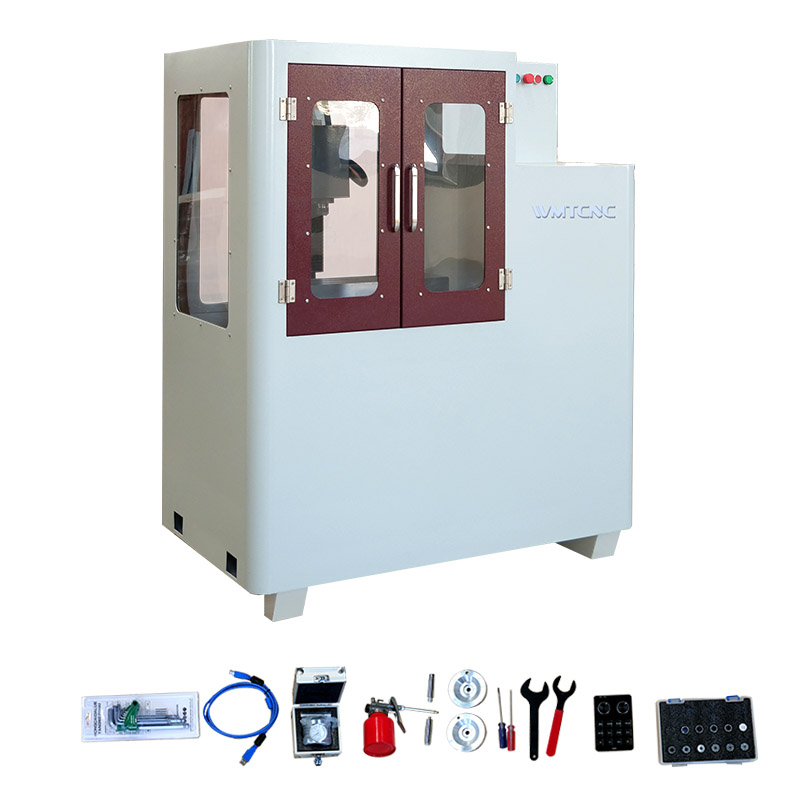
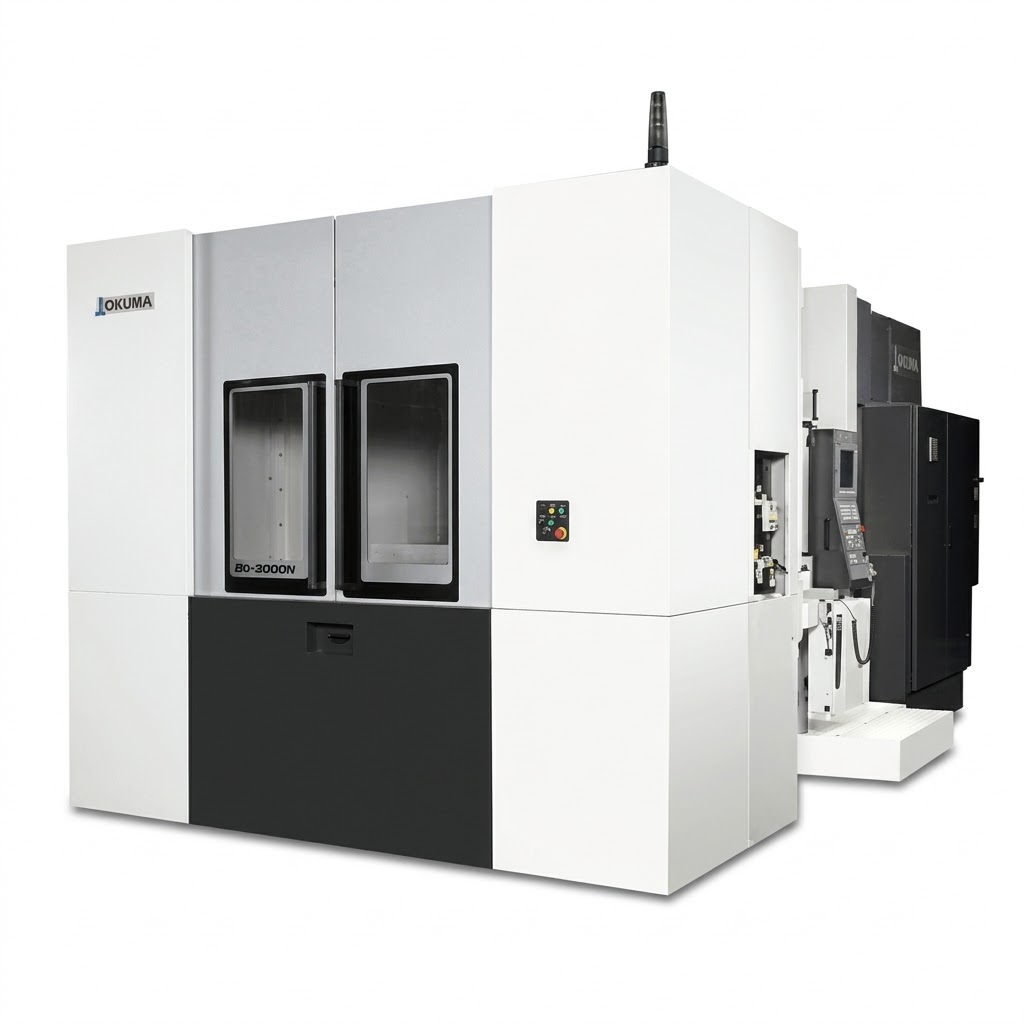
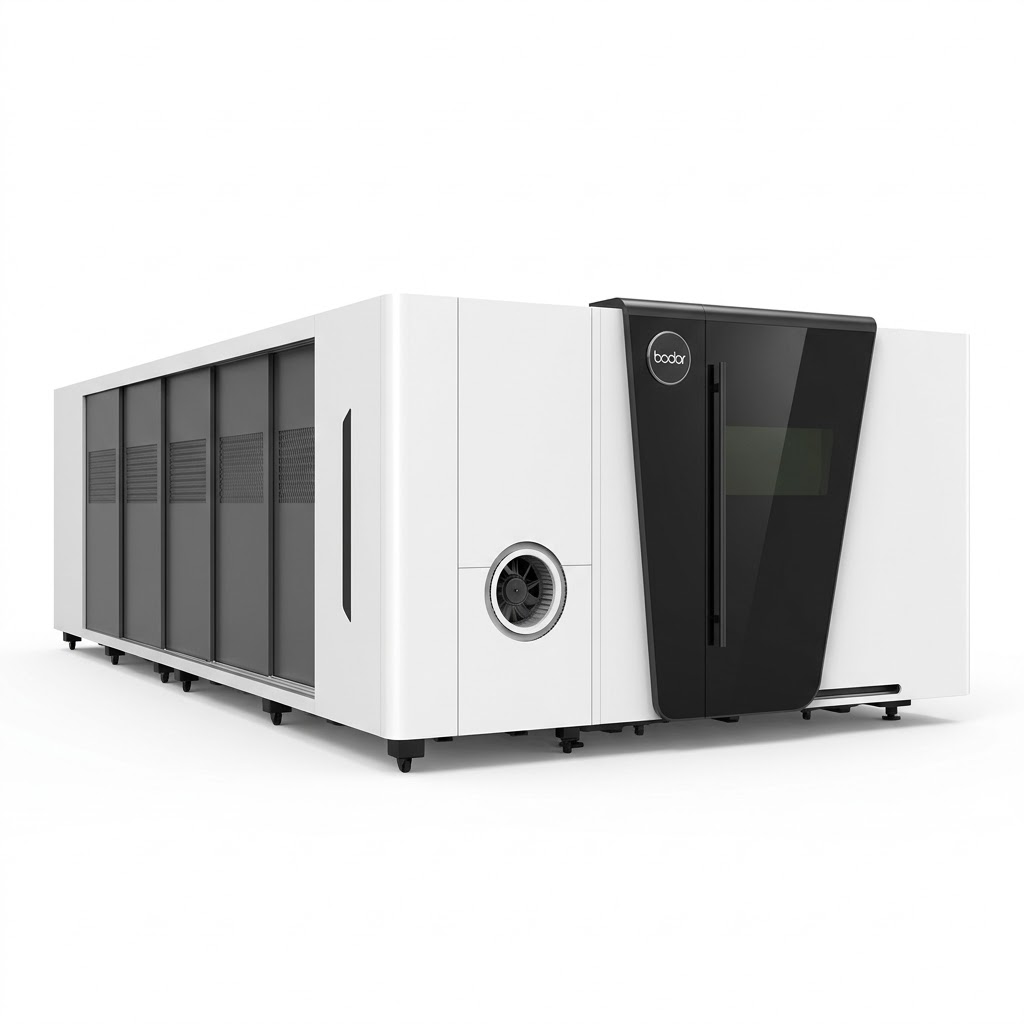
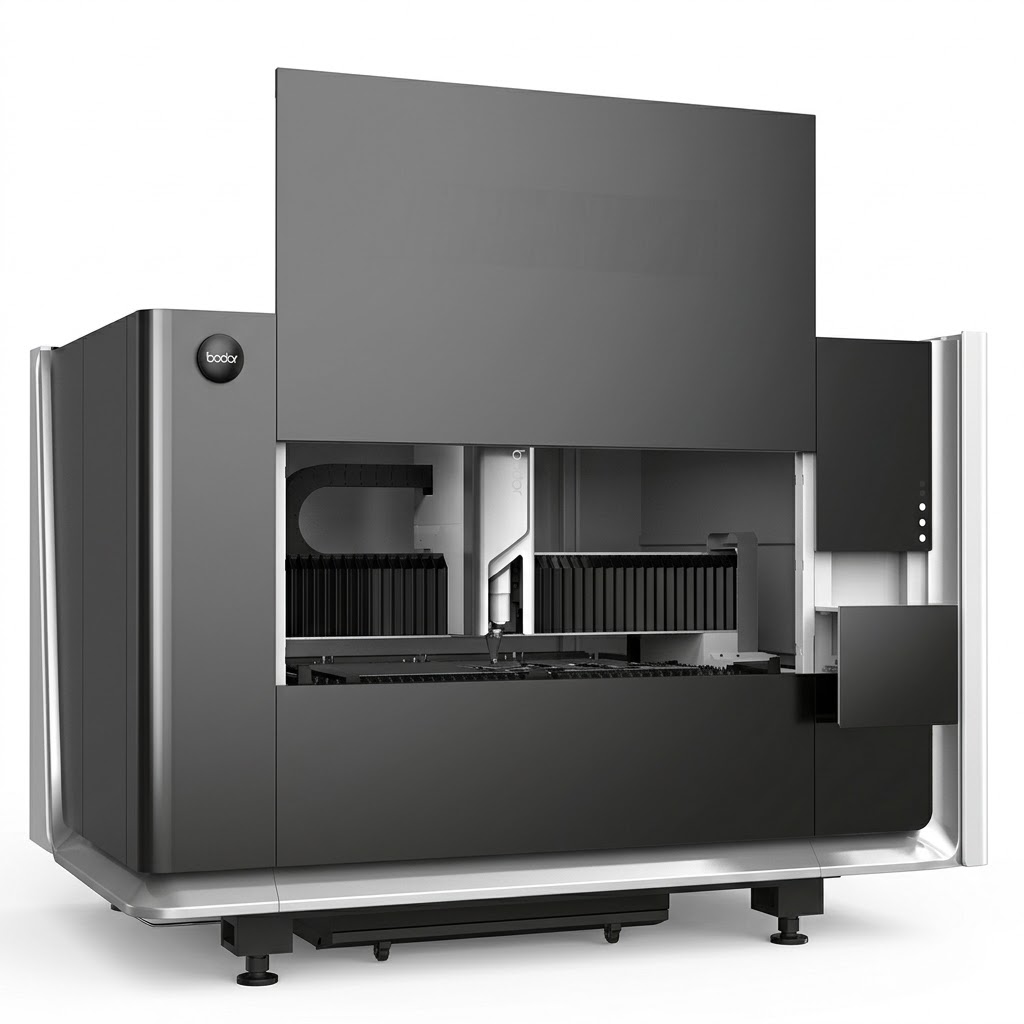
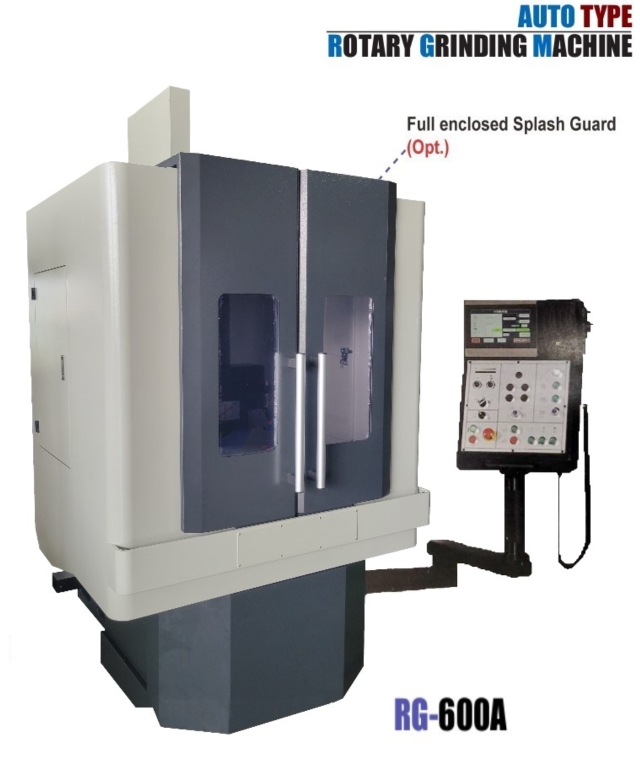
The machine should feature a fully enclosed structure with effective sealing systems around linear guideways, ball screws, and other critical components. These protective measures help prevent graphite dust from entering the machine, reducing wear and maintaining long-term machining accuracy.
3. Spindle Speed and Performance
Graphite machining often requires high spindle speeds to accommodate small-diameter cutting tools and complex machining operations. This is particularly important in the production of precision EDM electrodes, where fine details and high machining accuracy are essential.
4. Cutting Tools and Machining Process
Graphite has different material properties from conventional metals, requiring specialized cutting tools. For example, diamond-coated carbide tools can improve wear resistance and provide better performance in graphite machining. Dry machining is also commonly preferred, together with a dedicated dust extraction system.